


Primary sourceDocument1819-1823
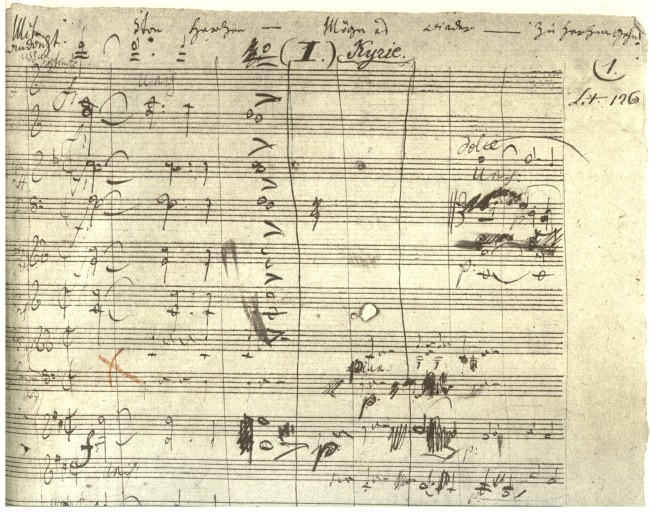
Missa Solemnis
Ludwig van Beethoven · 1819-1823
Beethoven's large-scale setting of the Latin Mass, composed 1819–1823 for Archduke Rudolph, which he called his greatest work.
Beethoven himself called this Mass his greatest work, making it central to understanding his personal beliefs.
About this source
What it is
The Missa Solemnis in D major is a Mass composed by Beethoven between 1819 and 1823. It was dedicated to Archduke Rudolf of Austria, Beethoven's patron, pupil, and friend. Parts of it were first performed in Vienna in May 1824, alongside the premiere of his Ninth Symphony.
Why it matters
Beethoven called this work his greatest achievement in a letter from 1822. He spent years studying older sacred music by composers like Bach, Handel, and Palestrina while writing it, showing how seriously he took questions of faith and tradition late in his life.
Look closer
- Why might a composer consider a religious work his greatest achievement rather than a symphony?
- What does the inscription Beethoven wrote on the copy for Rudolf suggest about his feelings for the piece?
- What does studying older composers' music tell us about how Beethoven worked?
This document is part of the curated material that grounds the AI version of Ludwig van Beethoven on Humy.ai — when students ask about related events, the AI can quote it and cite it.
More Ludwig van Beethoven sources
Meet the AI Ludwig van Beethoven →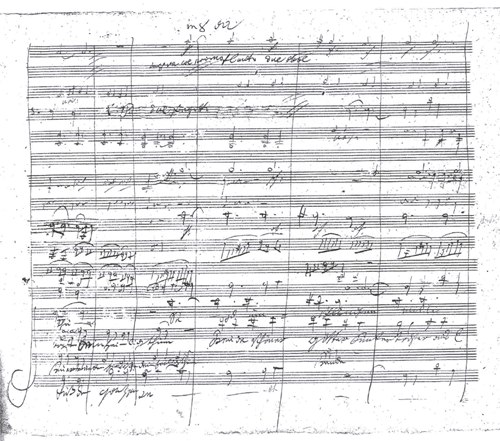 Document
Primary source
Symphony No. 9
Ludwig van Beethoven · 1824
 Sculpture
Secondary source
Death of Ludwig van Beethoven
Theodor Kandale (after Josef Danhauser) · 1827 (mask); drawing 1893
 Sculpture
Secondary source
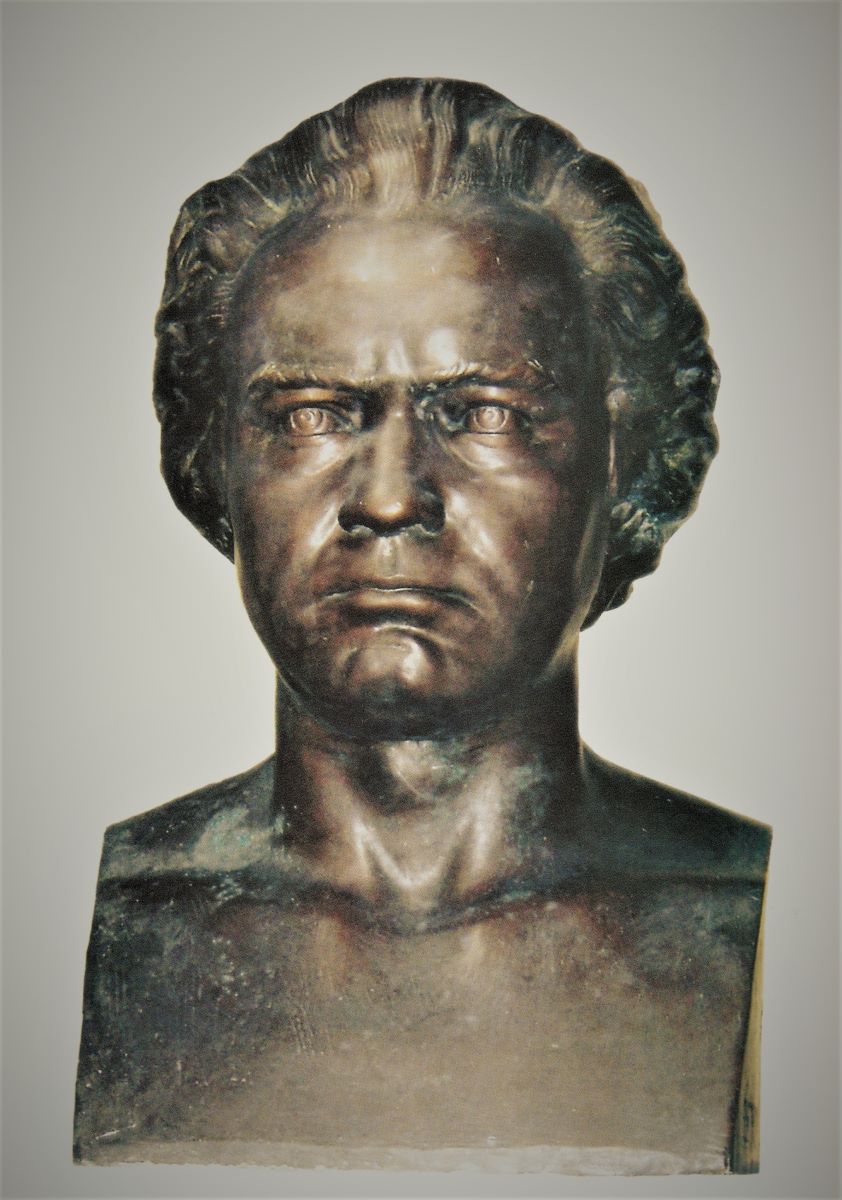
Bust of Ludwig van Beethoven by Frederic Storck
Frederic Storck · 1930
 Letter
Primary source
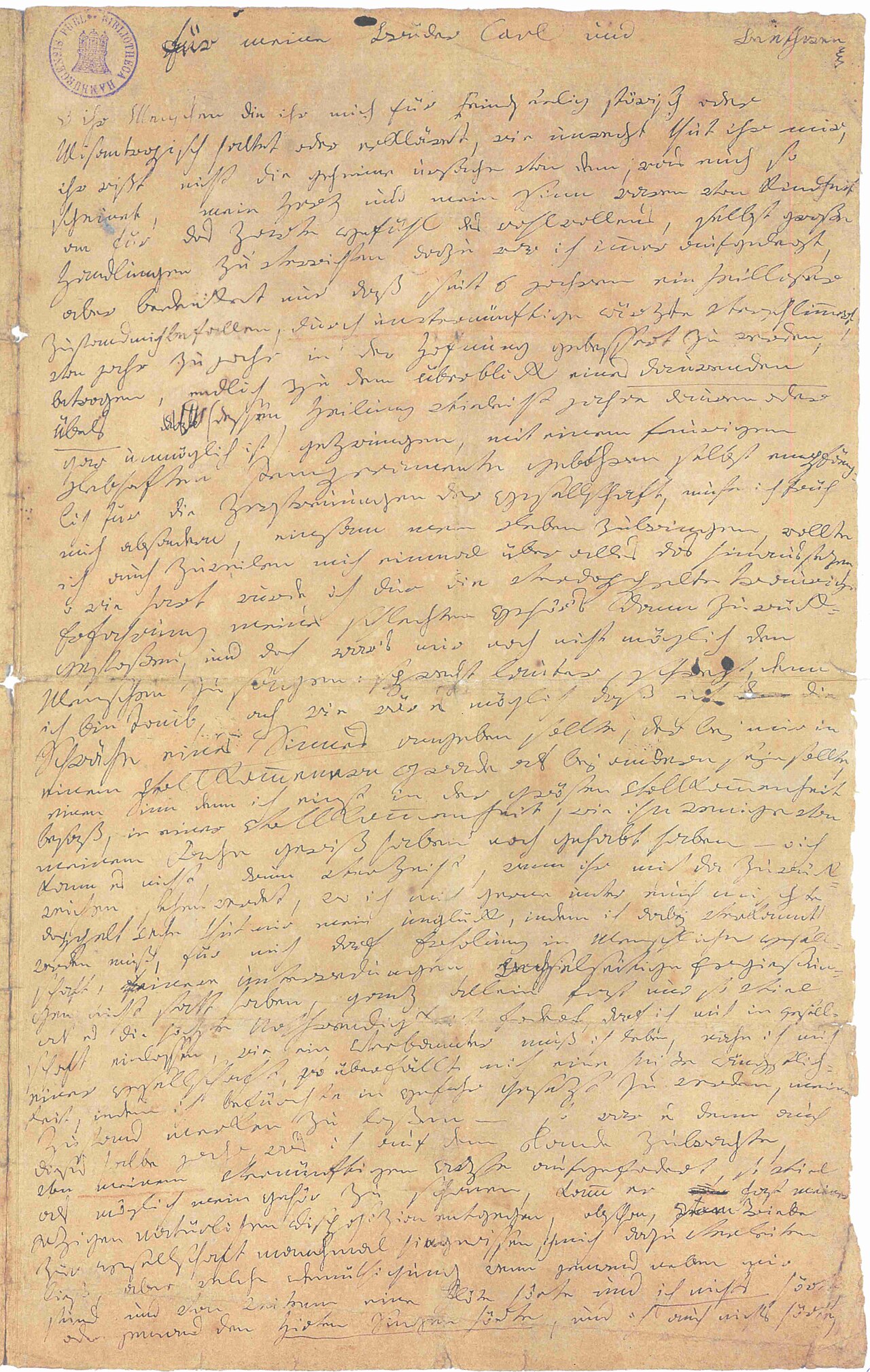
Heiligenstadt Testament
Ludwig van Beethoven · 6 October 1802
 Document
Primary source
Agreement between Beethoven and Archduke Rudolph, Prince Kinsky and Prince Lobkowitz
1 March 1809
Ready when you are
Start chatting with Ludwig van Beethoven now.
20 messages free · No credit card · Available in 50+ languages.