


Primary sourceArtifactca. 1328–1318 BCE
Mud Sealing from Tutankhamun's Embalming Cache
ca. 1328–1318 BCE
A small mud sealing with a fiber tie, used to seal goods placed in the embalming cache linked to Tutankhamun's burial.
Part of the embalming cache connected to Tutankhamun's burial, showing how goods for his funeral were sealed.
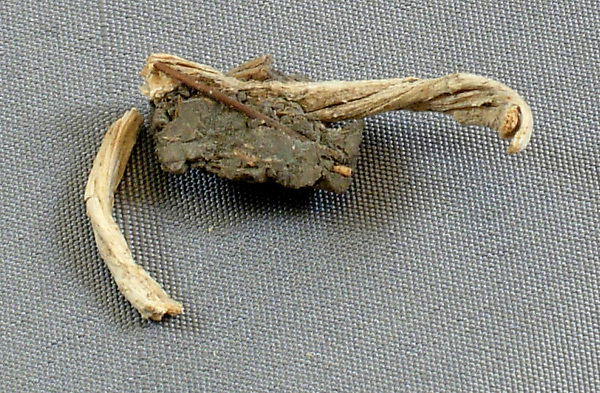
About this source
What it is
This is a small piece of dried mud wrapped around a fiber tie, used in ancient Egypt to seal containers or bundles. It comes from the embalming cache associated with the burial of Tutankhamun, dated to the New Kingdom, Dynasty 18, during his reign. It is now held at The Metropolitan Museum of Art, having been given by Theodore M. Davis in 1909.
Why it matters
Sealings like this were part of the practical process of preparing a royal burial. They show how goods and materials used in embalming were packaged and secured, offering evidence of the careful procedures followed for a pharaoh's burial. Because it comes directly from the cache connected to Tutankhamun, it is a primary source from the time of his death.
Look closer
- What might this mud sealing have been used to close or protect?
- Why would ancient Egyptians seal containers so carefully?
- What does this small, ordinary object tell us about the larger process of preparing a royal burial?
This artifact is part of the curated material that grounds the AI version of Tutankhamun on Humy.ai — when students ask about related events, the AI can quote it and cite it.
More Tutankhamun sources
Meet the AI Tutankhamun →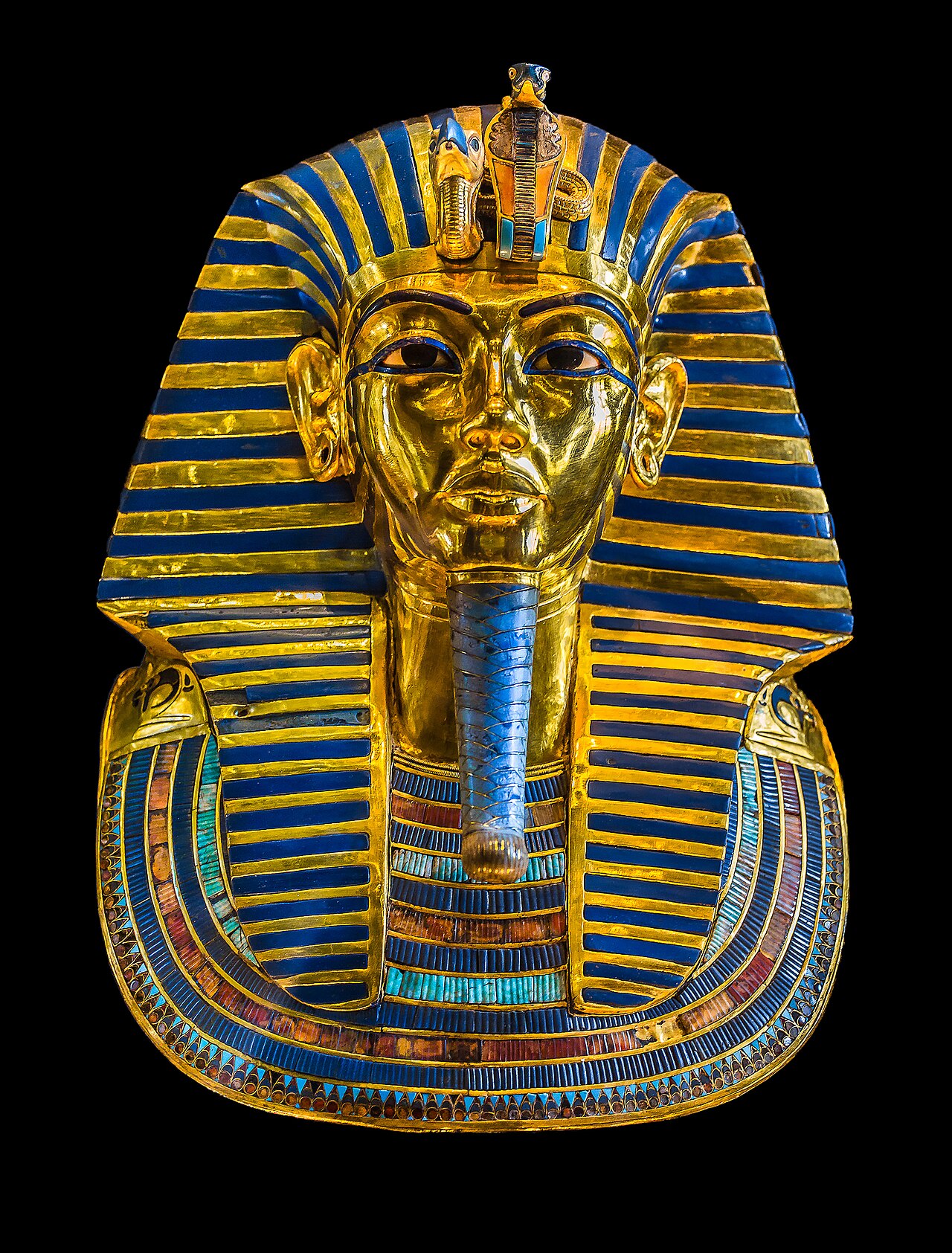 Artifact
Primary source
Mask of Tutankhamun
c. 1333 BCE
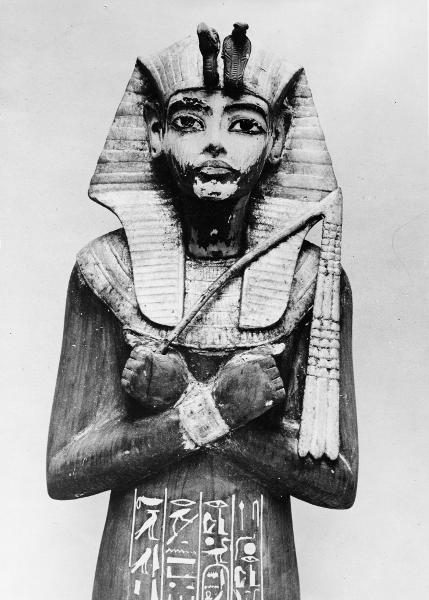 Photograph
Primary source
Photograph of Tutankhamun's Shawabti Figure
Harry Burton · 1920s
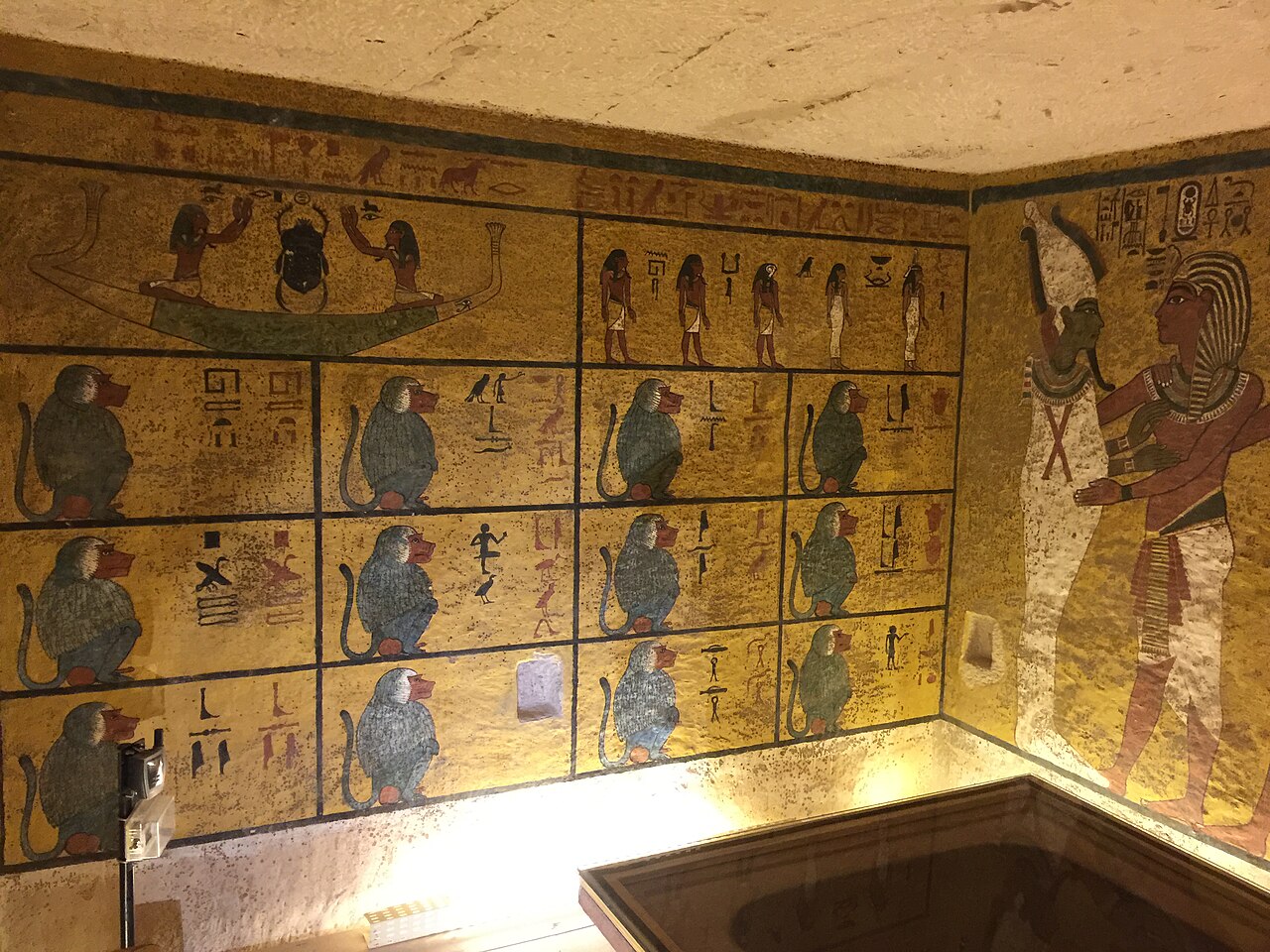 Artifact
Primary source
Tomb of Tutankhamun
14th century BCE
 Photograph
Primary source
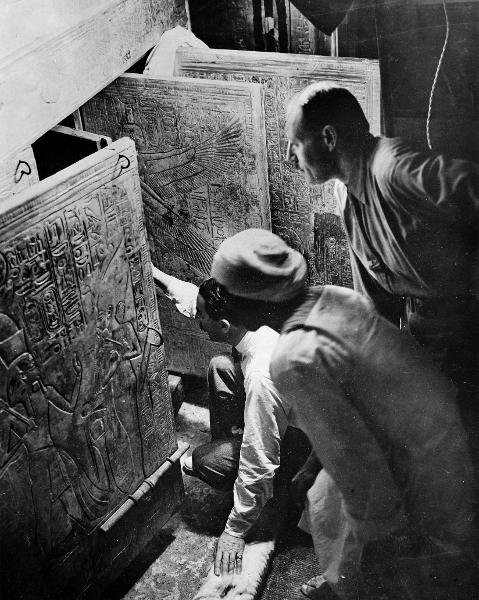
Opening the Doors of the Fourth Shrine in Tutankhamun's Tomb
Harry Burton · 1920s
 Document
Primary source
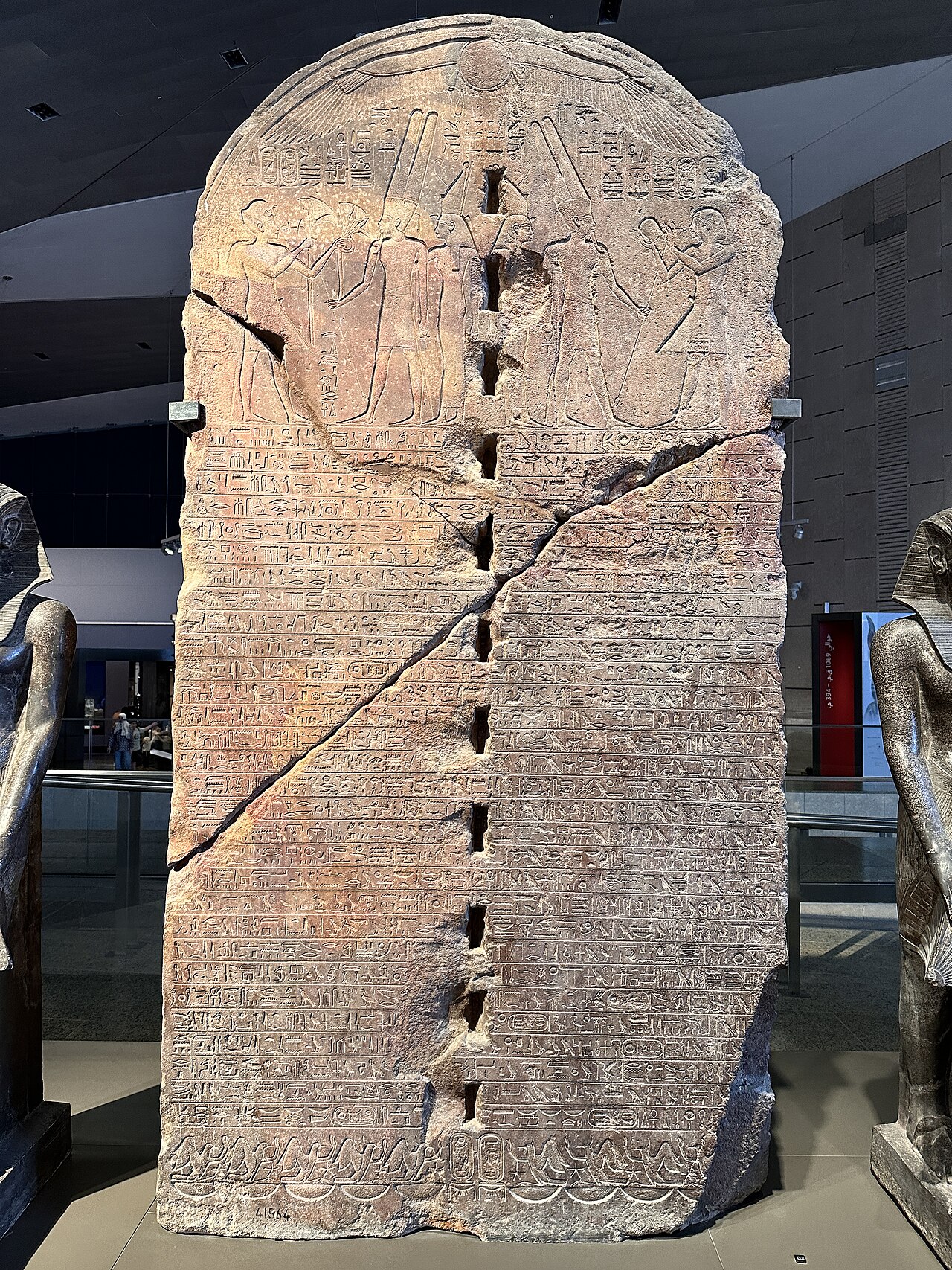
Restoration Stela
Tutankhamun · c. 1326 BCE
Ready when you are
Start chatting with Tutankhamun now.
20 messages free · No credit card · Available in 50+ languages.