


Primary sourceArtifactc. 1323 BCE
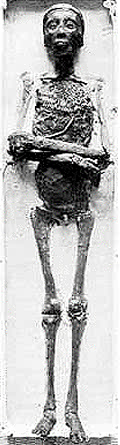
Mummy of Tutankhamun
c. 1323 BCE
The preserved body of Tutankhamun, still kept in his tomb, used by scientists to study his age, health and family.
This is Tutankhamun's own physical remains, the direct source for everything known about his health, age and lineage.
About this source
What it is
This is the mummified body of Tutankhamun, who died around 1323 BCE. It remains in his tomb, KV62, in the Valley of the Kings.
Modern CT scans and DNA studies of the mummy have been used to investigate his age at death, state of health, possible cause of death, and his family relationships among the royal line of the Eighteenth Dynasty.
Why it matters
As the physical remains of the king himself, the mummy is the most direct evidence we have of Tutankhamun as a person rather than as an image carved or painted by artists for political or religious purposes.
Look closer
- What can scientific study of a body tell historians that art and texts cannot?
- Why might studying a mummy raise ethical questions about respect for the dead?
- What questions about Tutankhamun's life remain unanswered even with this evidence?
This artifact is part of the curated material that grounds the AI version of Tutankhamun on Humy.ai — when students ask about related events, the AI can quote it and cite it.
More Tutankhamun sources
Meet the AI Tutankhamun →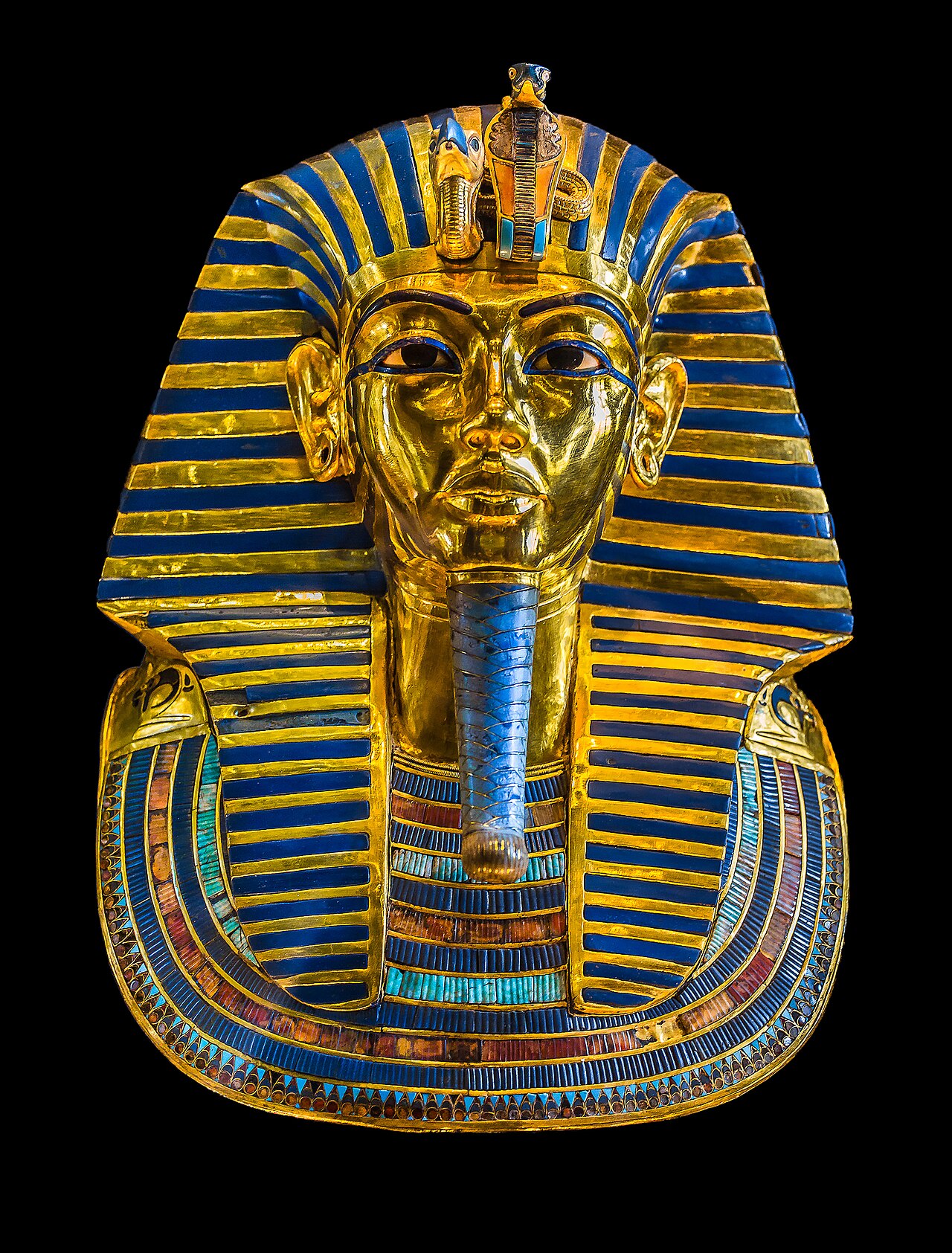 Artifact
Primary source
Mask of Tutankhamun
c. 1333 BCE
 Photograph
Primary source
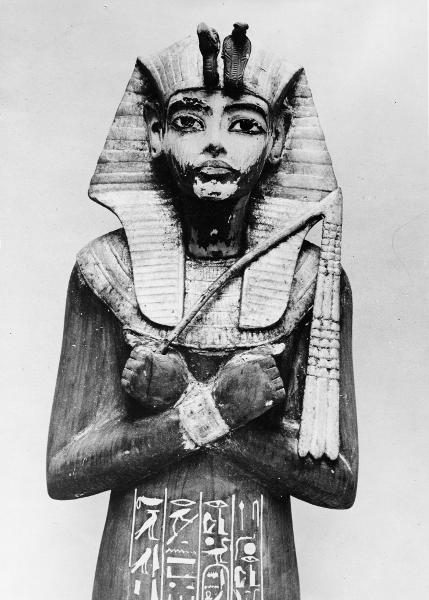
Photograph of Tutankhamun's Shawabti Figure
Harry Burton · 1920s
 Artifact
Primary source
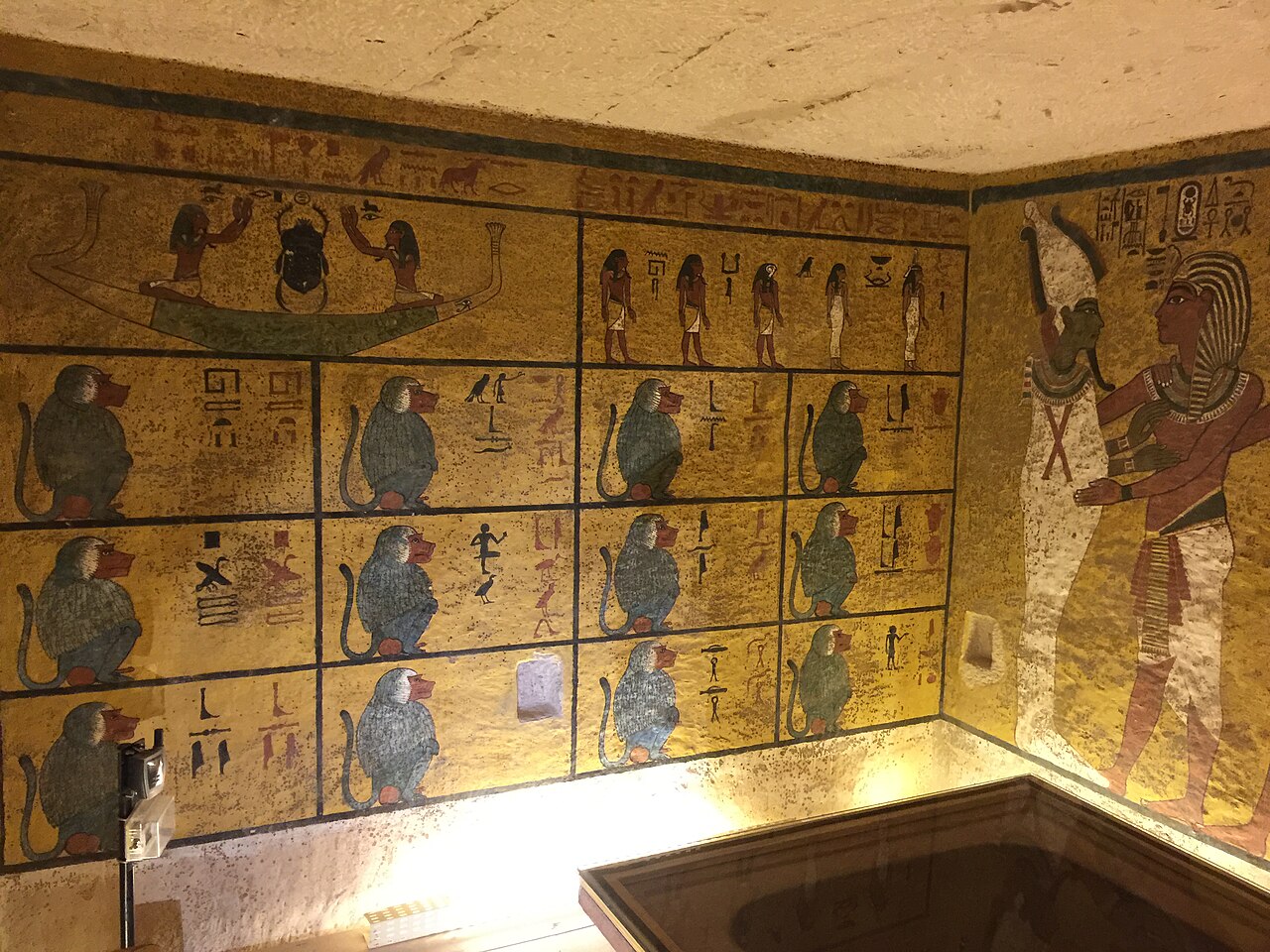
Tomb of Tutankhamun
14th century BCE
 Photograph
Primary source
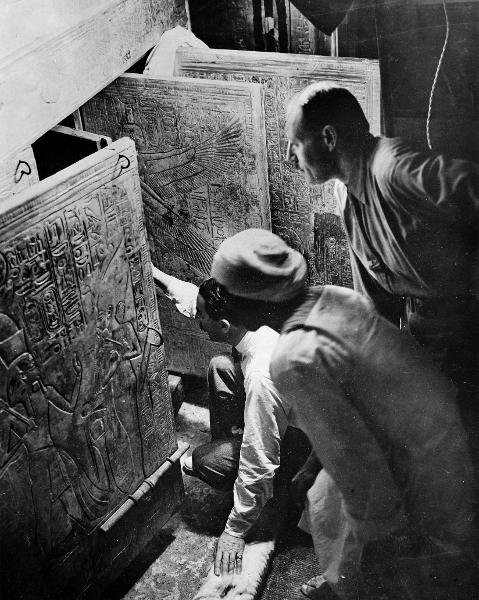
Opening the Doors of the Fourth Shrine in Tutankhamun's Tomb
Harry Burton · 1920s
 Document
Primary source
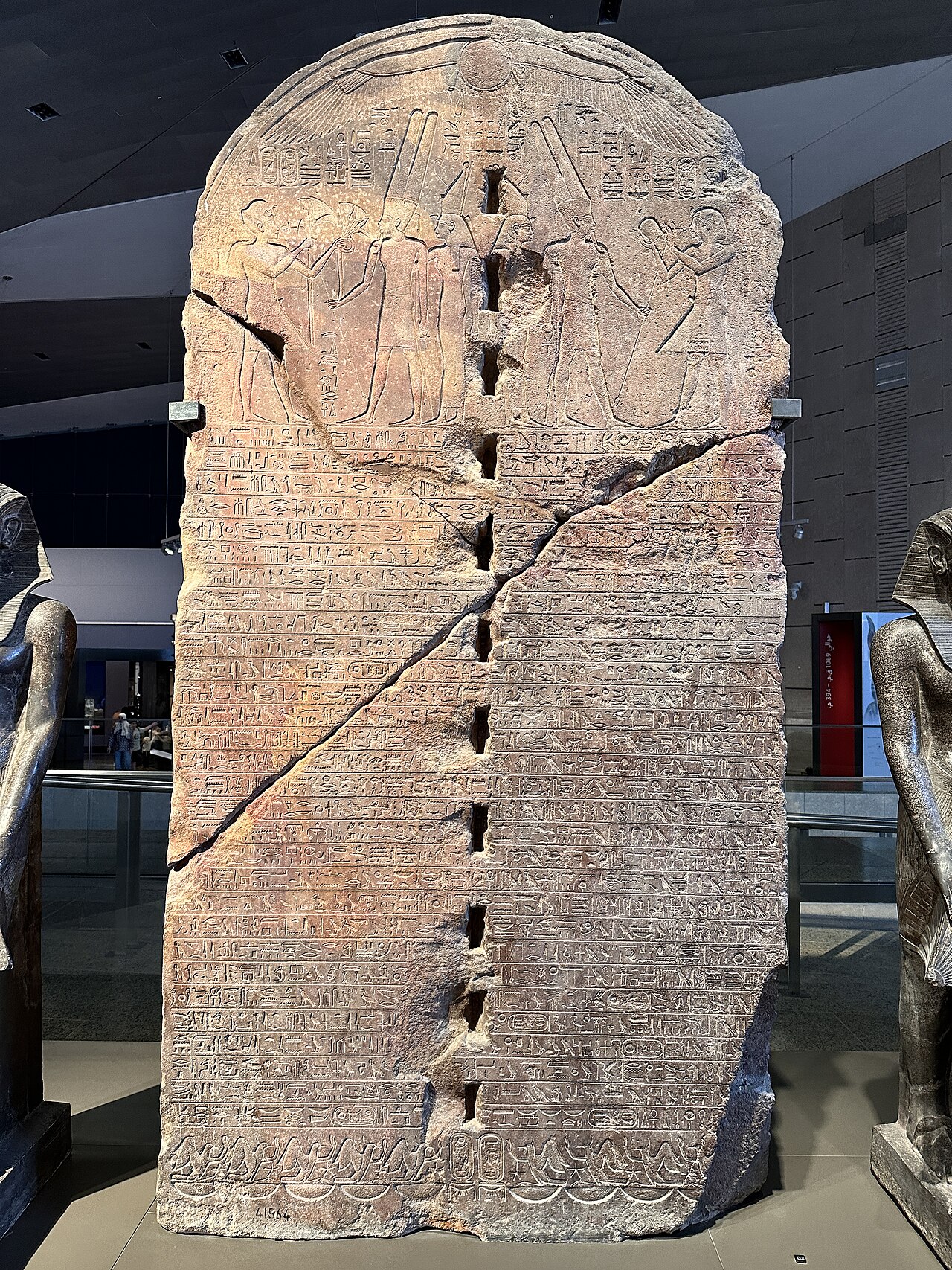
Restoration Stela
Tutankhamun · c. 1326 BCE
Ready when you are
Start chatting with Tutankhamun now.
20 messages free · No credit card · Available in 50+ languages.