


Secondary sourceDocumentc. 2nd-4th century text; 8th-century manuscript
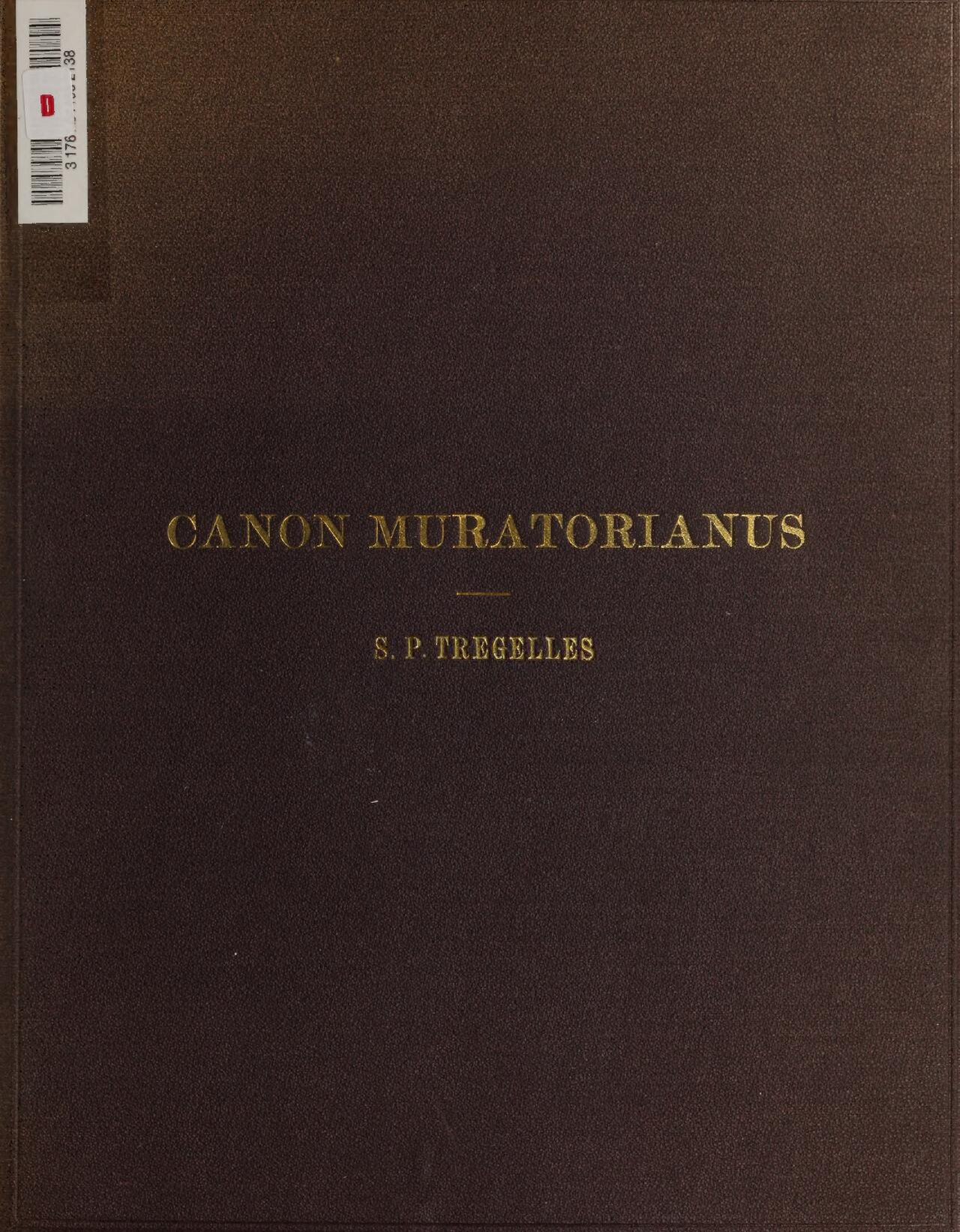
Muratorian Fragment
c. 2nd-4th century text; 8th-century manuscript
An early list of New Testament books that names Paul's letters and warns against forgeries written in his name.
This early canon list names Paul's letters and rejects forgeries, showing how his authentic body of writing was defined.
About this source
What it is
The Muratorian Fragment is one of the earliest known lists, or canons, of New Testament writings. The original text dates from around the 2nd to 4th century, surviving today in an 8th-century manuscript held at the Biblioteca Ambrosiana in Milan.
Why it matters
The fragment names Paul's letters among the accepted Christian writings and explicitly rejects forged letters claiming his name. This shows early Christians were already working out which writings attributed to Paul were genuine and which were not, a process crucial to how his surviving letters came to be trusted and preserved.
- Why would early Christians need to make lists like this at all?
- What does the existence of forgeries in Paul's name tell us about his fame?
- Who decided which letters counted as genuinely Paul's, and on what basis?
This document is part of the curated material that grounds the AI version of Saint Paul on Humy.ai — when students ask about related events, the AI can quote it and cite it.
More Saint Paul sources
Meet the AI Saint Paul →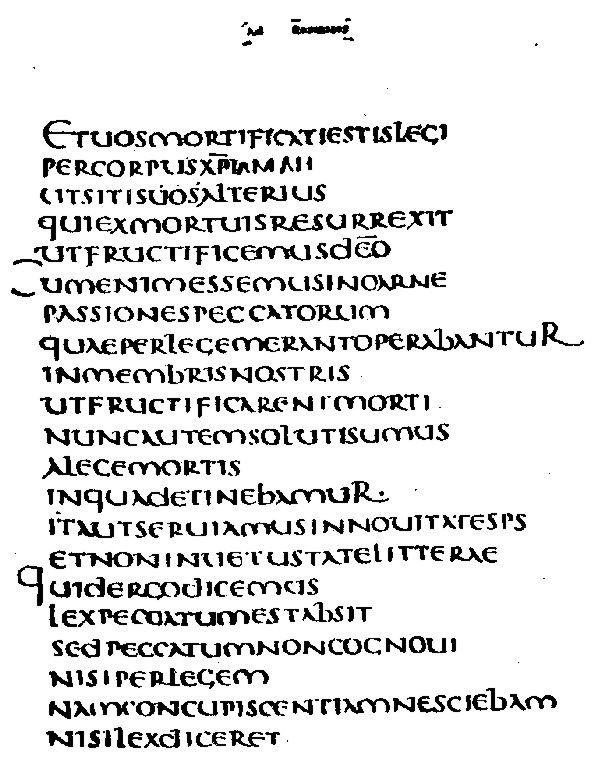 Letter
Primary source
Epistle to the Romans
Paul the Apostle · c. AD 57
 Painting
Secondary source
Saint Paul
Albrecht Dürer · 1514
 Letter
Secondary source
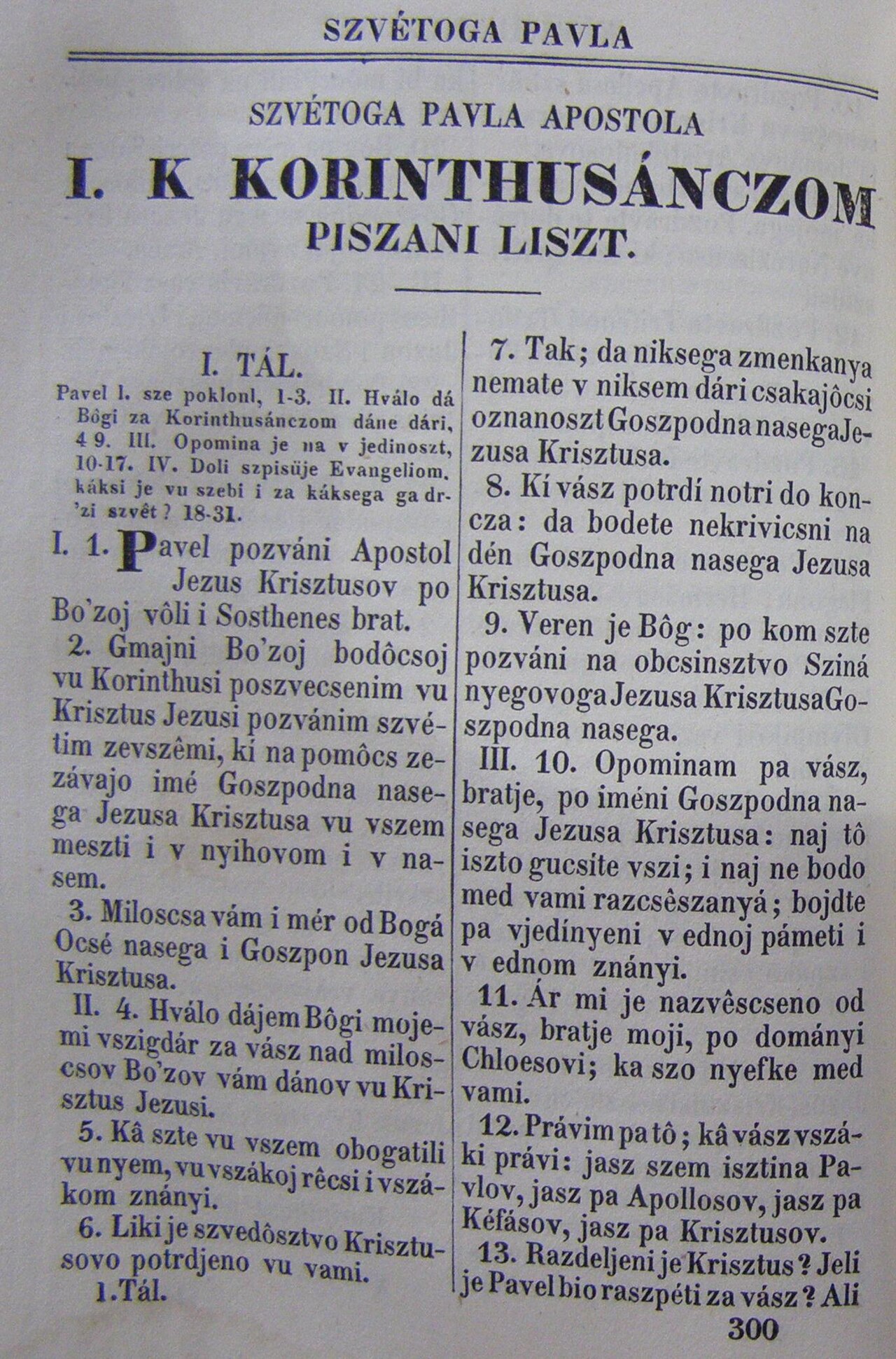
First Epistle to the Corinthians
Paul the Apostle · c. 54 AD
 Book
Primary source
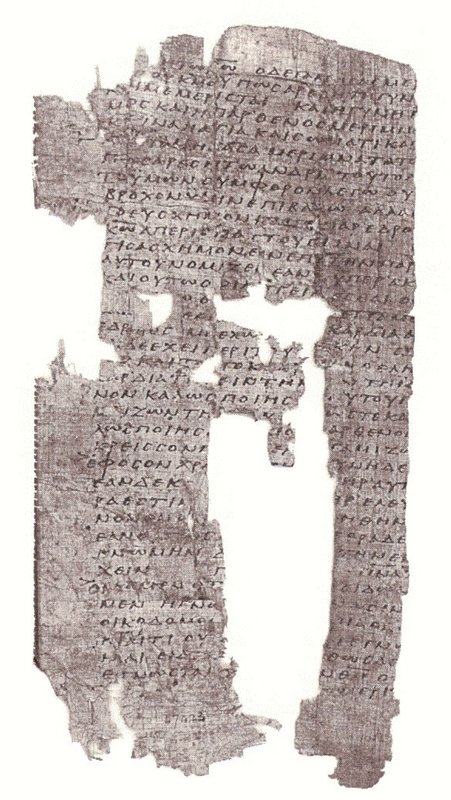
1 Corinthians 13
Paul the Apostle · c. AD 53-57
 Document
Secondary source
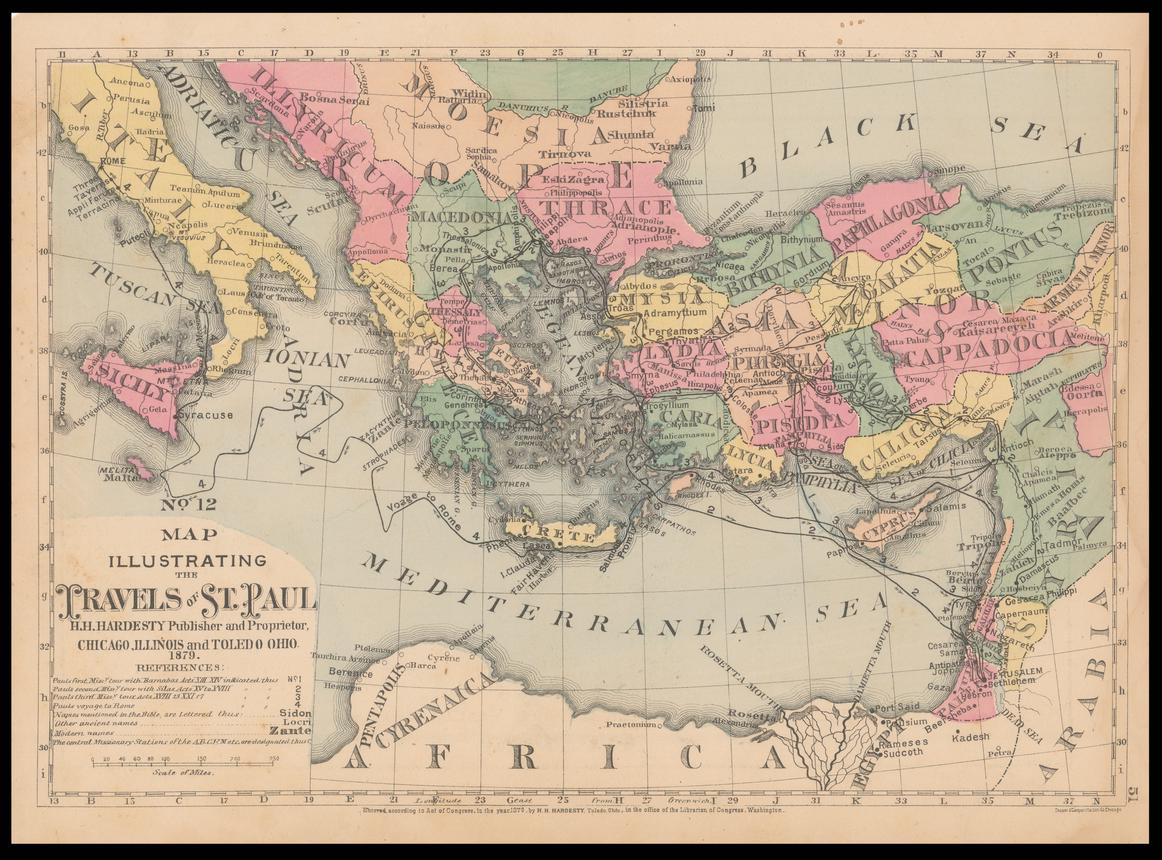
Map Illustrating the Travels of St. Paul
H.H. Hardesty · 1879
Ready when you are
Start chatting with Saint Paul now.
20 messages free · No credit card · Available in 50+ languages.