


Primary sourceDocument12 October 1808
Napoleon's Decree Naming Goethe to the Legion of Honour
12 October 1808
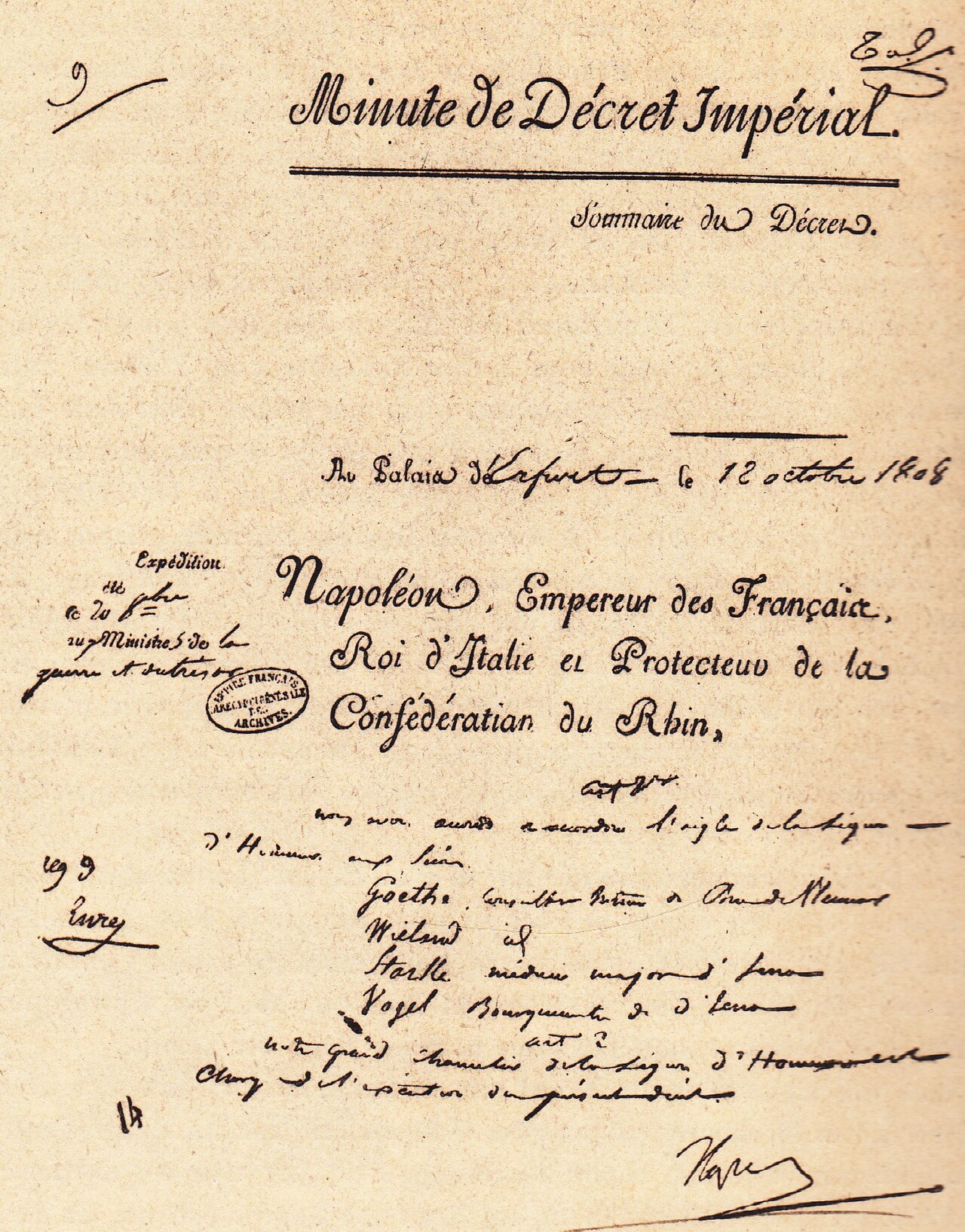
Napoleon's 1808 decree, issued at Erfurt, naming Goethe and others as knights of the Legion of Honour.
This decree records Napoleon naming Goethe a knight of the Legion of Honour after their meeting at Erfurt.
About this source
What it is
This is a handwritten French decree, a minute of an Imperial Decree, dated 12 October 1808 at the Palace of Erfurt. It names Johann Wolfgang von Goethe, along with Wieland, Starke and Vogel, as knights of the Legion of Honour, and is signed with an official flourish.
Why it matters
Napoleon issued this decree following his meeting with Goethe at Erfurt in 1808, a famous encounter between the French emperor and the German writer. The document shows how Napoleon used honours to connect with leading cultural figures of conquered or allied German states, and how highly Goethe's reputation was regarded even by foreign rulers.
Look closer
- Why might Napoleon have wanted to honour a German writer rather than only military or political figures?
- What does the formal, official language of the decree tell you about how such honours were granted?
- What is missing from this document — does it tell us how Goethe himself felt about receiving the honour?
This document is part of the curated material that grounds the AI version of Johann Wolfgang von Goethe on Humy.ai — when students ask about related events, the AI can quote it and cite it.
More Johann Wolfgang von Goethe sources
Meet the AI Johann Wolfgang von Goethe →Primary source
Faust
Johann Wolfgang von Goethe · drafted 1770s-1831
 Painting
Primary source
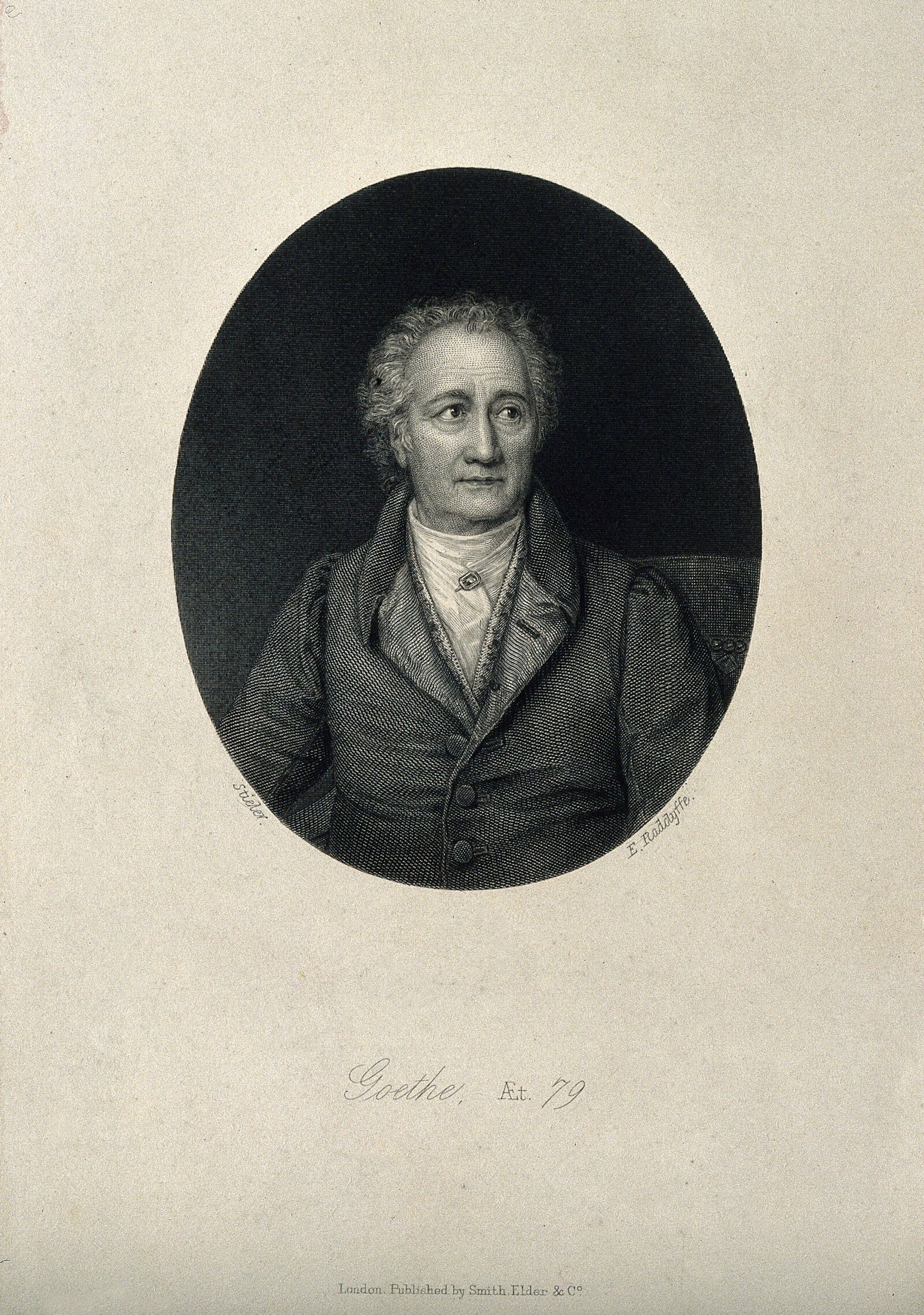
Goethe Line Engraving by Radclyffe after Stieler
E. Radclyffe after J. K. Stieler · 1828
 Book
Primary source
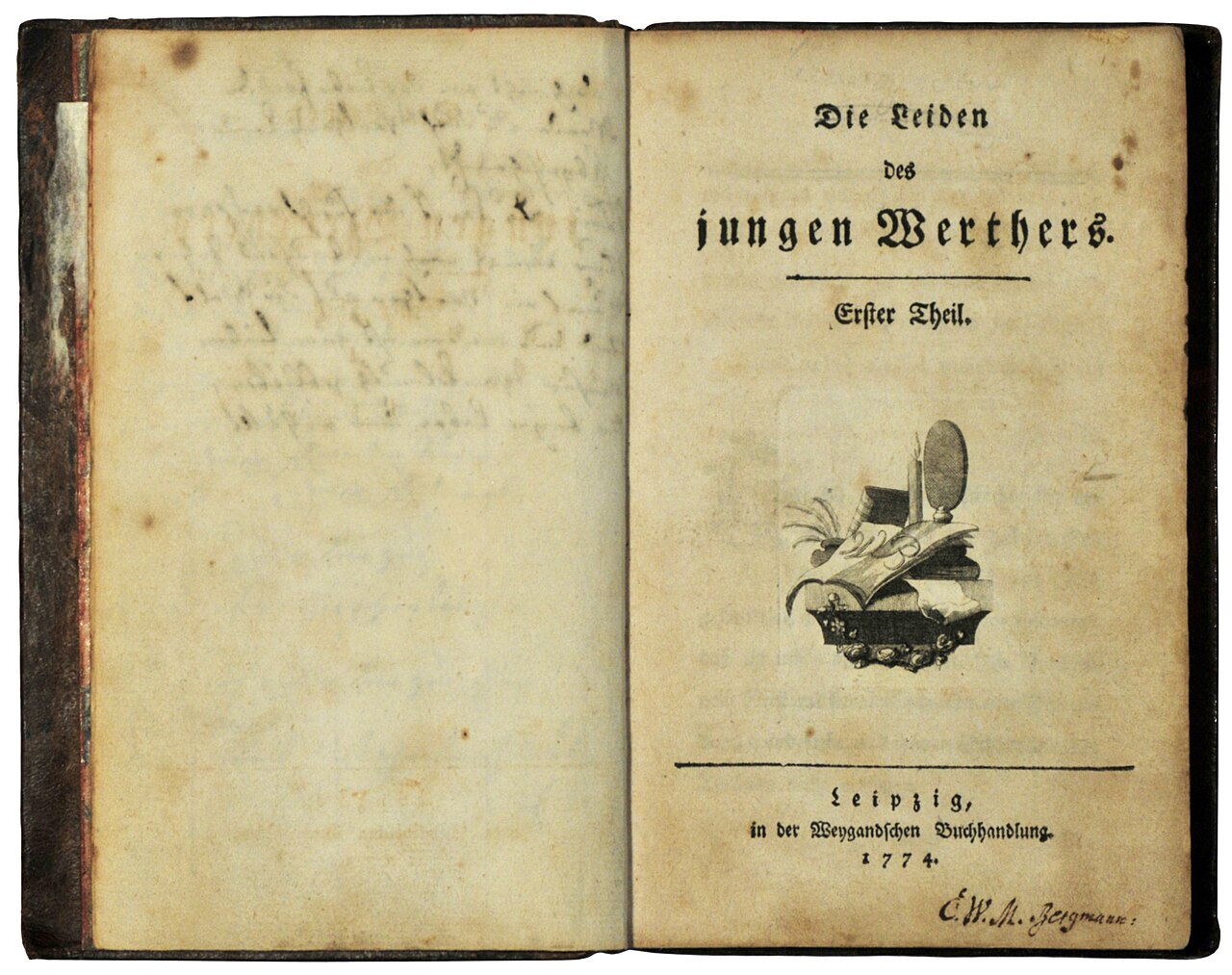
The Sorrows of Young Werther
Johann Wolfgang von Goethe · 1774
 Painting
Primary source
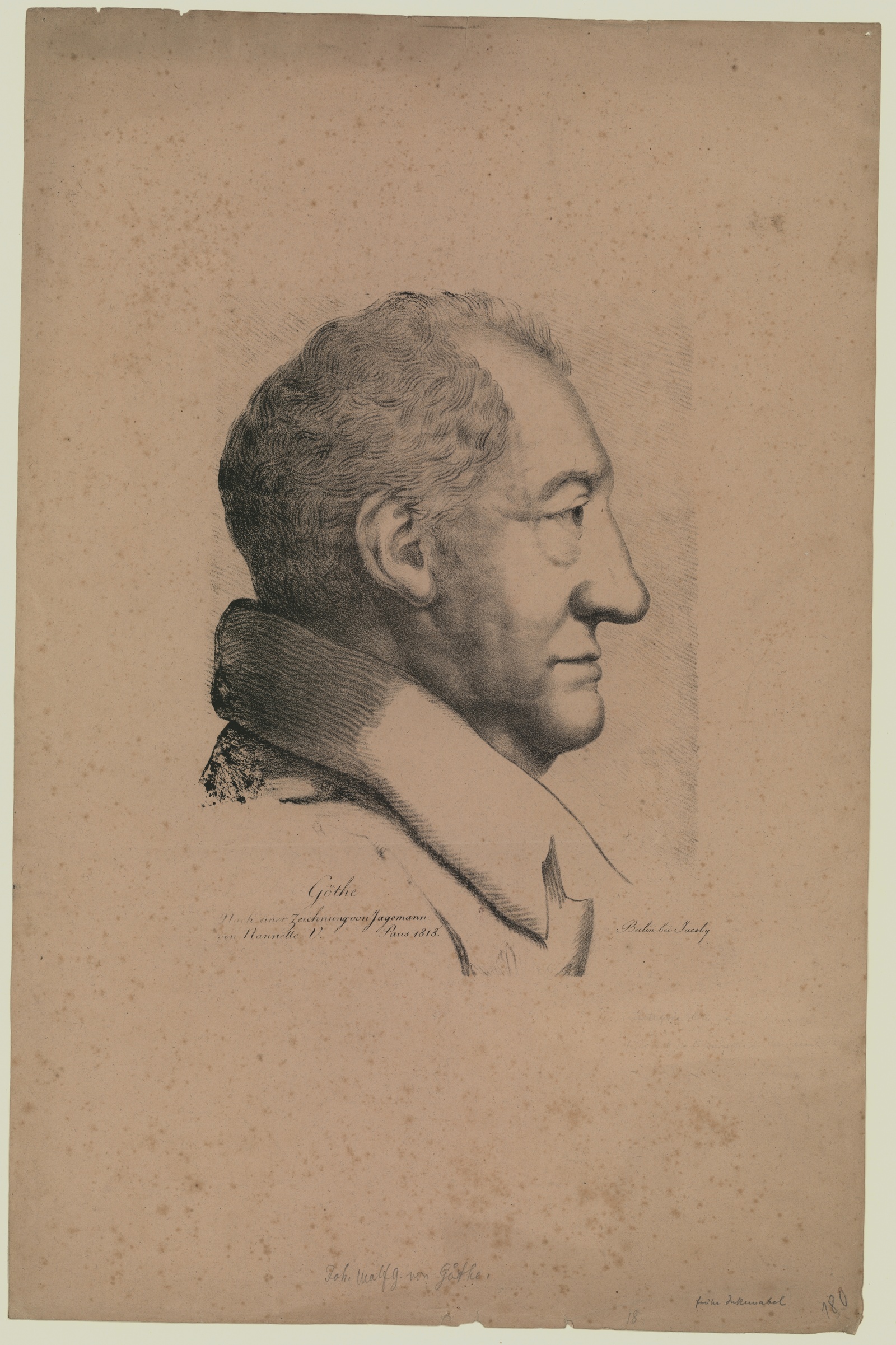
Lithograph Portrait of Goethe by Jagemann and Nanette
F. Jagemann and Nanette · c. 1818
Primary source
Der Erlkönig
Johann Wolfgang von Goethe · 1782
Ready when you are
Start chatting with Johann Wolfgang von Goethe now.
20 messages free · No credit card · Available in 50+ languages.