


Primary sourceArtifactc. 1353-1357 BCE
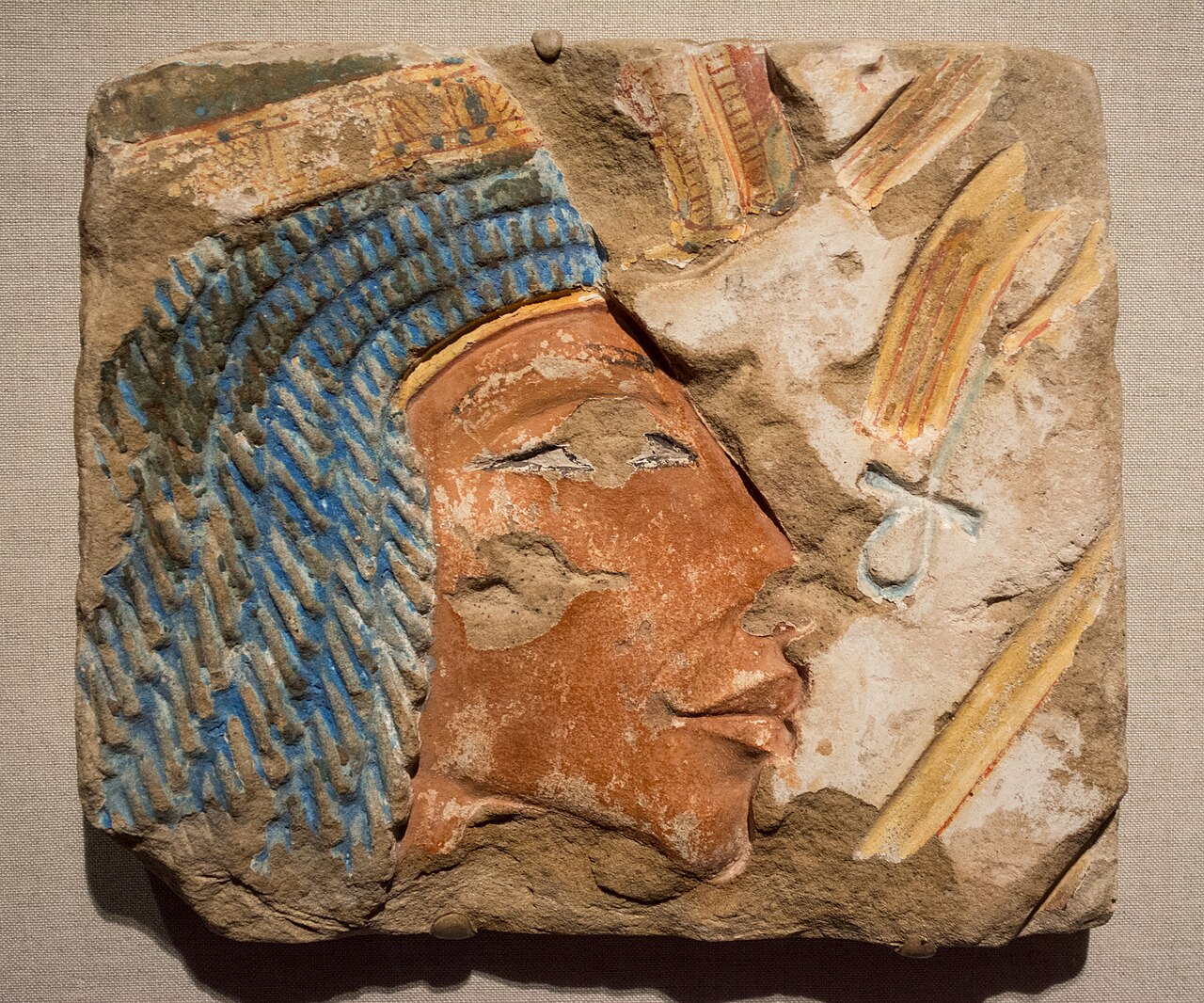
Nefertiti Talatat from East Karnak
c. 1353-1357 BCE
A painted limestone talatat block from one of Akhenaten's fast-built temples, showing Nefertiti worshipping the sun god Aten.
This talatat shows Nefertiti worshipping the Aten, underlining her religious role beside Akhenaten.
About this source
What it is
This is a talatat, a small standardized stone block used to build Akhenaten's new temples quickly instead of using heavy traditional blocks. Found at East Karnak, Thebes, it shows Nefertiti in profile with a striated headdress, worshipping the Aten; the sun's rays end in hands, one holding an ankh to her face. It is held by the Cleveland Museum of Art.
Why it matters
The block was part of temples built early in Akhenaten's reign to honour his single god, the Aten, replacing Egypt's traditional religion. This disrupted the economy and the many people who depended on the old temples, and shows Nefertiti's central part in the new state religion as Akhenaten's wife.
Look closer
- What does the ankh held to Nefertiti's face symbolize?
- Why did Akhenaten's builders invent the talatat system?
- What might the unrest caused by this religious change have looked like for ordinary Egyptians?
This artifact is part of the curated material that grounds the AI version of Queen Nefereti on Humy.ai — when students ask about related events, the AI can quote it and cite it.
More Queen Nefereti sources
Meet the AI Queen Nefereti →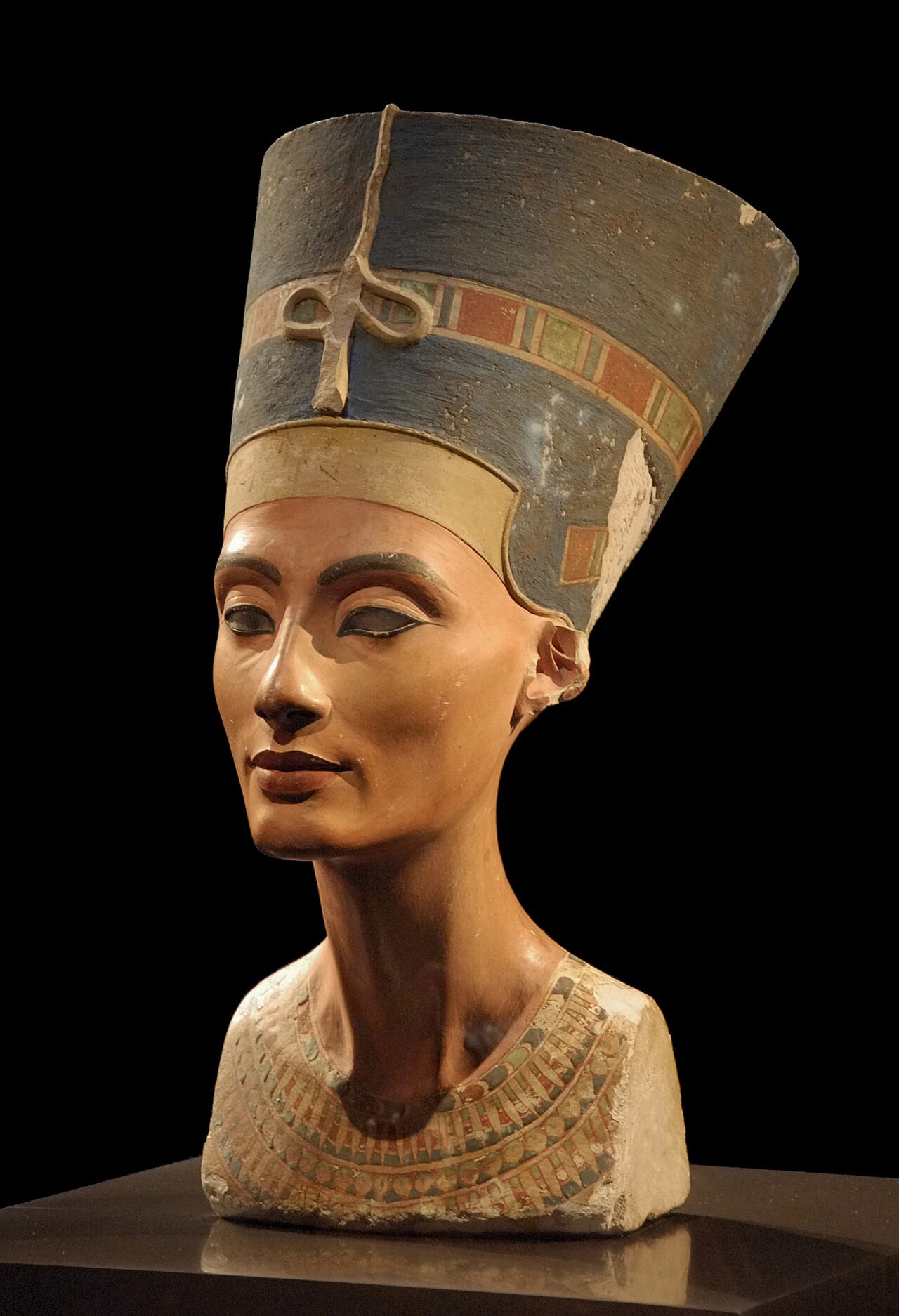 Sculpture
Primary source
Bust of Queen Nefertiti
Thutmose · c. 1345 BC
 Sculpture
Primary source
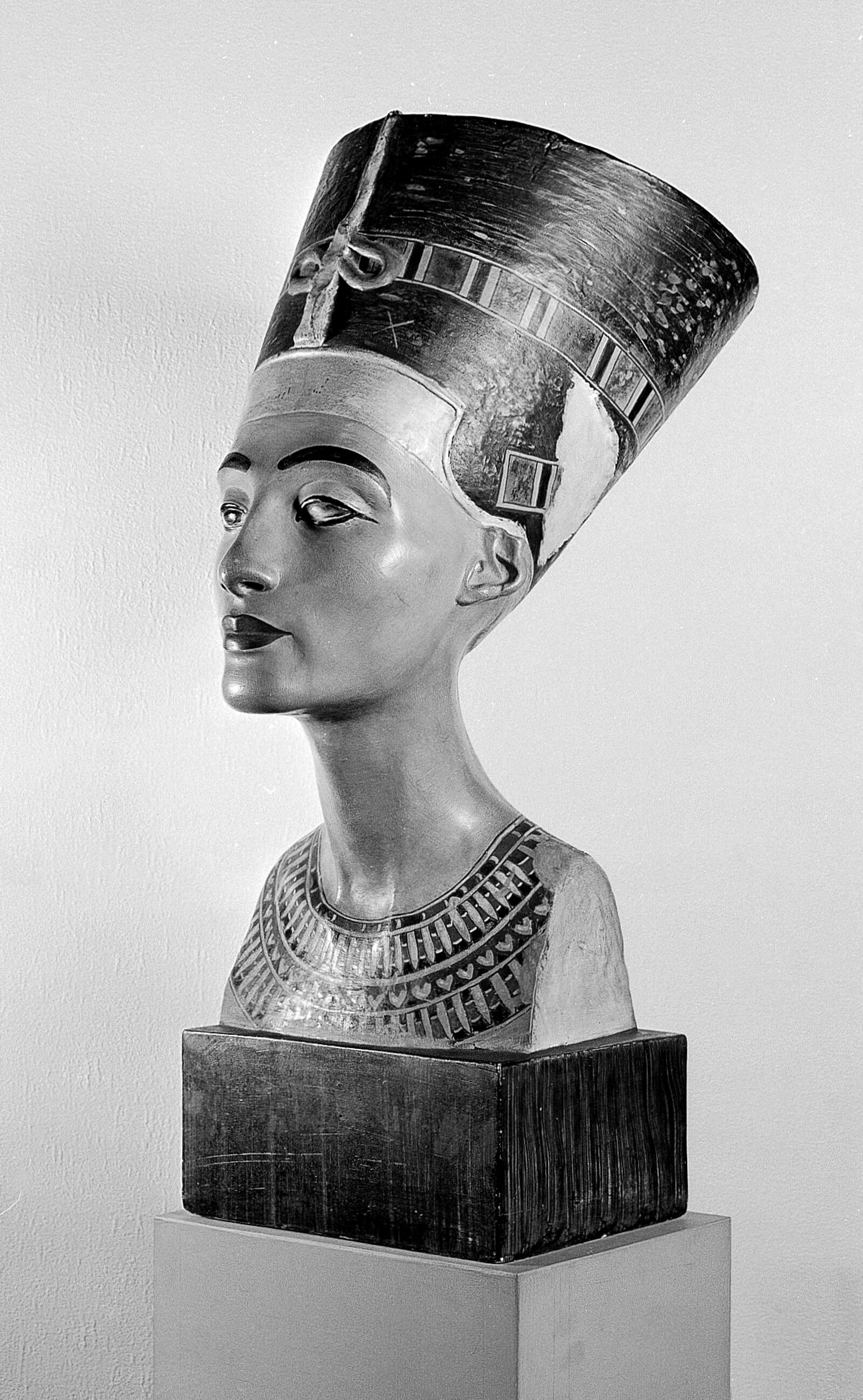
Figure of Nefertiti
 Sculpture
Primary source
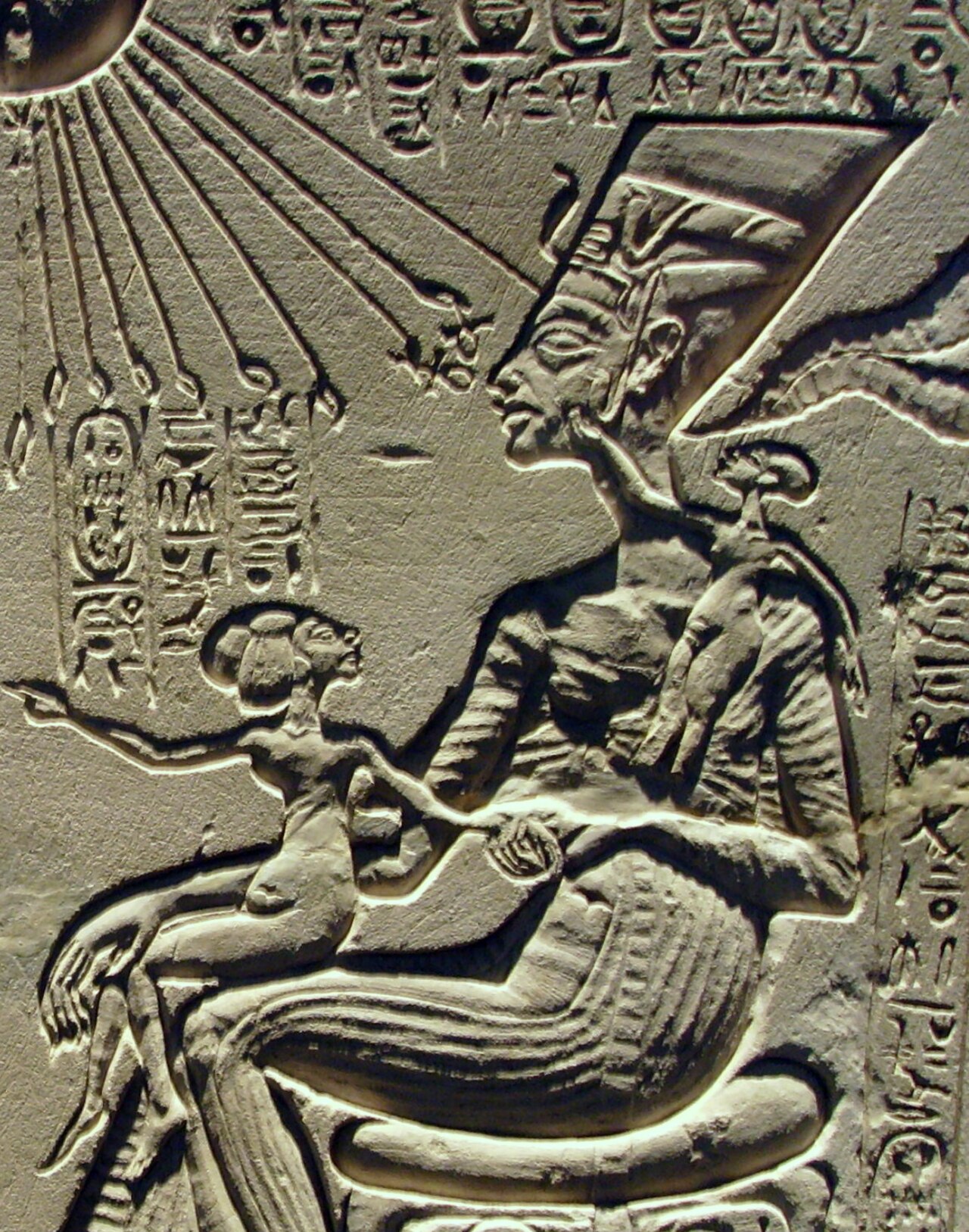
Akhenaten and His Family
c. 1352 BC
 Sculpture
Primary source
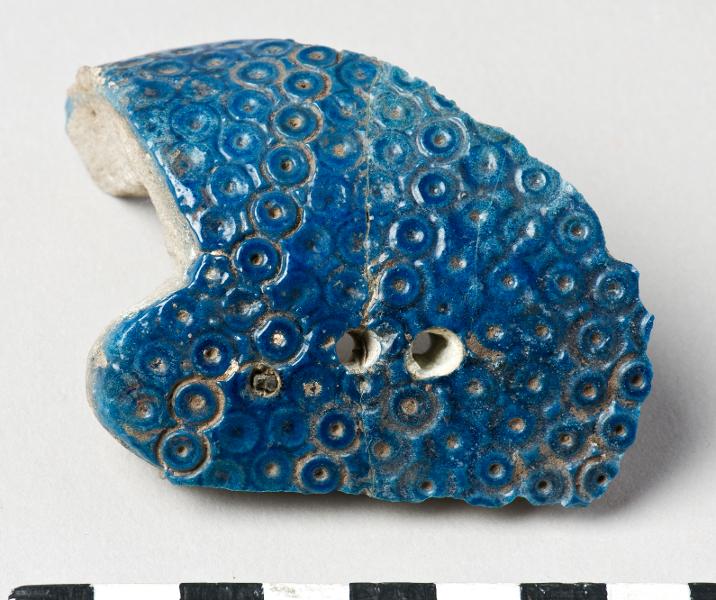
Relief Fragment Showing the Blue Crown of Nefertiti
 Document
Primary source
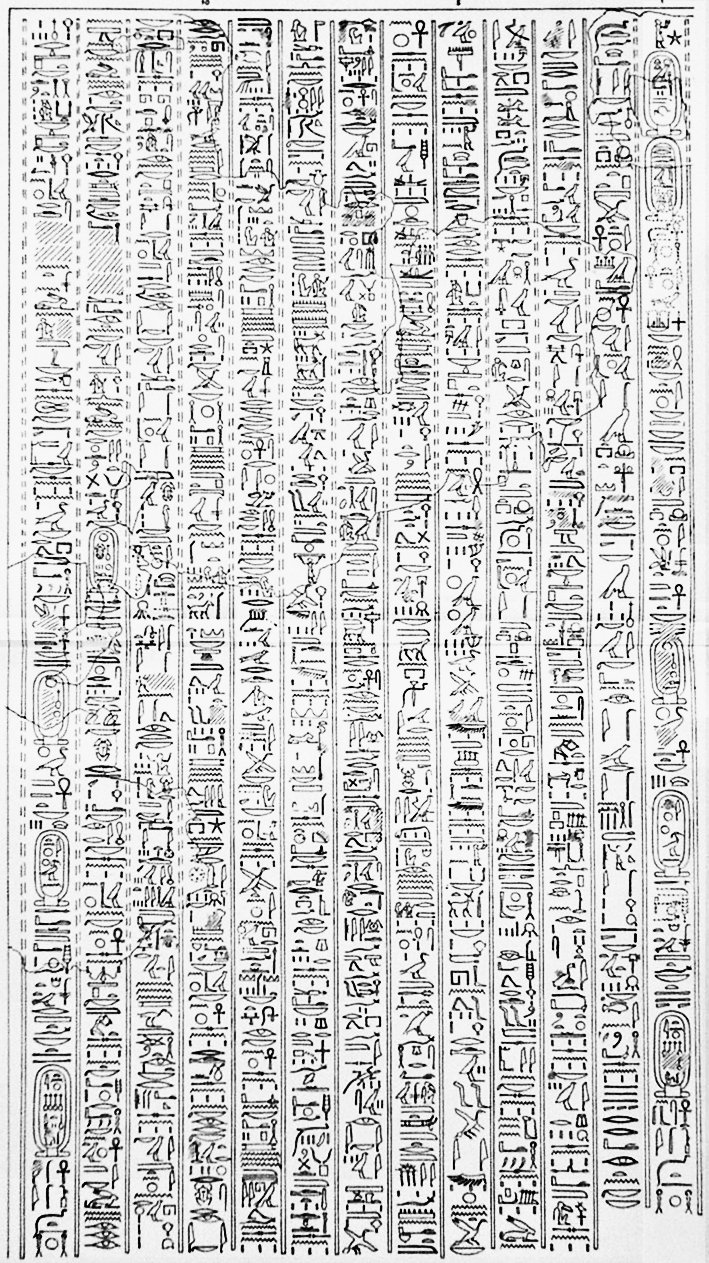
Great Hymn to the Aten
Akhenaten · c. 1350 BC
Ready when you are
Start chatting with Queen Nefereti now.
20 messages free · No credit card · Available in 50+ languages.