


Secondary sourceBook1765 (written 1704)
New Essays on Human Understanding
Gottfried Wilhelm Leibniz · 1765 (written 1704)
Gottfried Leibniz's chapter-by-chapter dialogue rebutting John Locke's Essay Concerning Human Understanding, finished in 1704 and published in 1765.
This work is Leibniz's direct philosophical rebuttal of Locke's Essay Concerning Human Understanding.
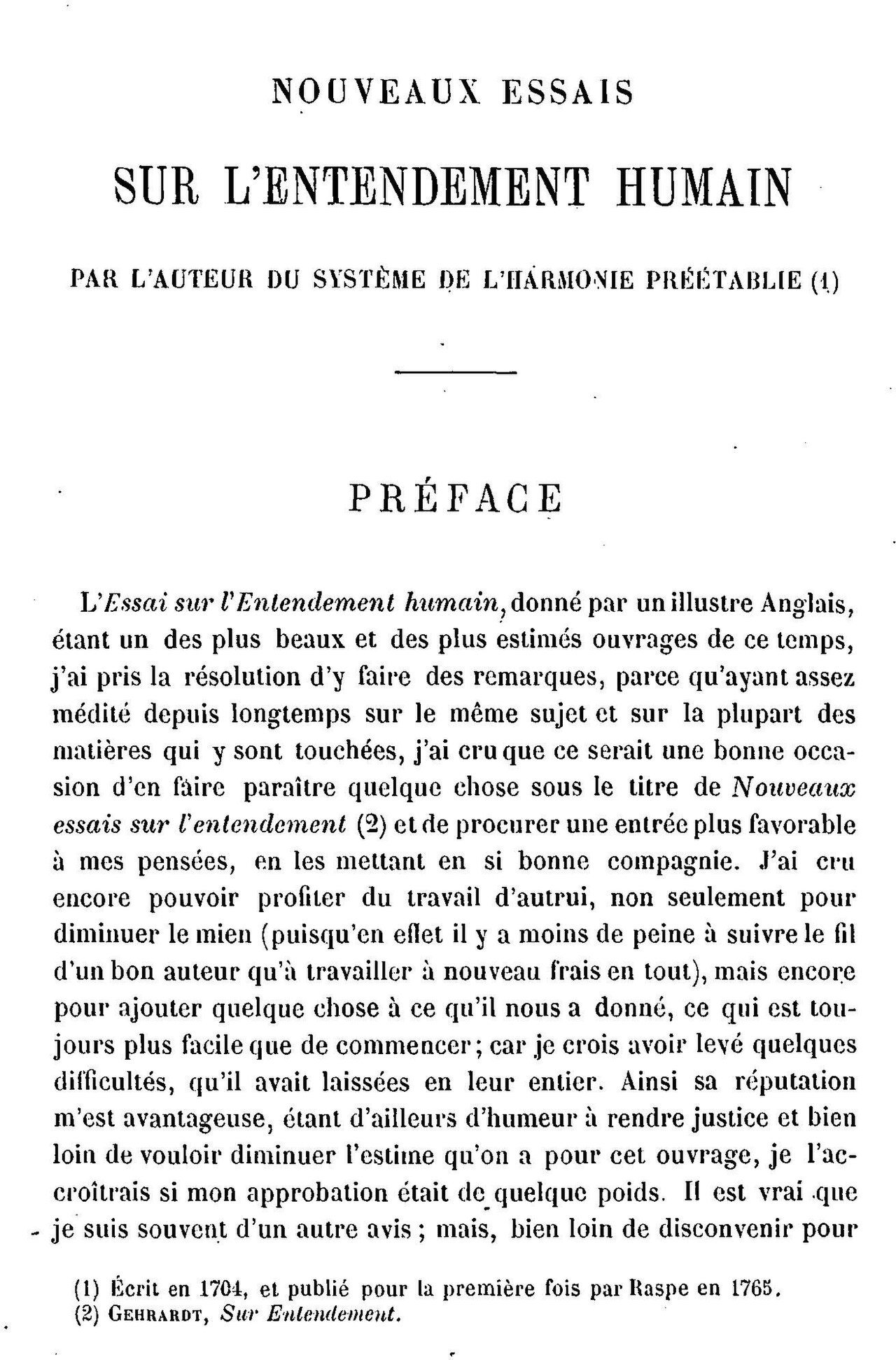
About this source
What it is
This written work by Gottfried Wilhelm Leibniz is a dialogue between two speakers, Theophilus (representing Leibniz) and Philalethes (representing Locke). Leibniz finished it in 1704 but withheld publication after Locke's death; it was finally published in 1765, long after both men had died.
Why it matters
The book directly answers Locke's ideas about knowledge, arguing against Locke's rejection of innate ideas and criticising his views on personal identity, free will, and other topics. It shows how Locke's Essay sparked serious philosophical debate across Europe, with Leibniz as his chief rival in this exchange of ideas.
Look closer
- Why might Leibniz have chosen to write in dialogue form rather than as a direct argument?
- What does it mean that Leibniz delayed publishing out of respect, yet still wrote a full rebuttal?
- How might reading only Leibniz's side distort our understanding of Locke's actual arguments?
This book is part of the curated material that grounds the AI version of John Locke on Humy.ai — when students ask about related events, the AI can quote it and cite it.
More John Locke sources
Meet the AI John Locke →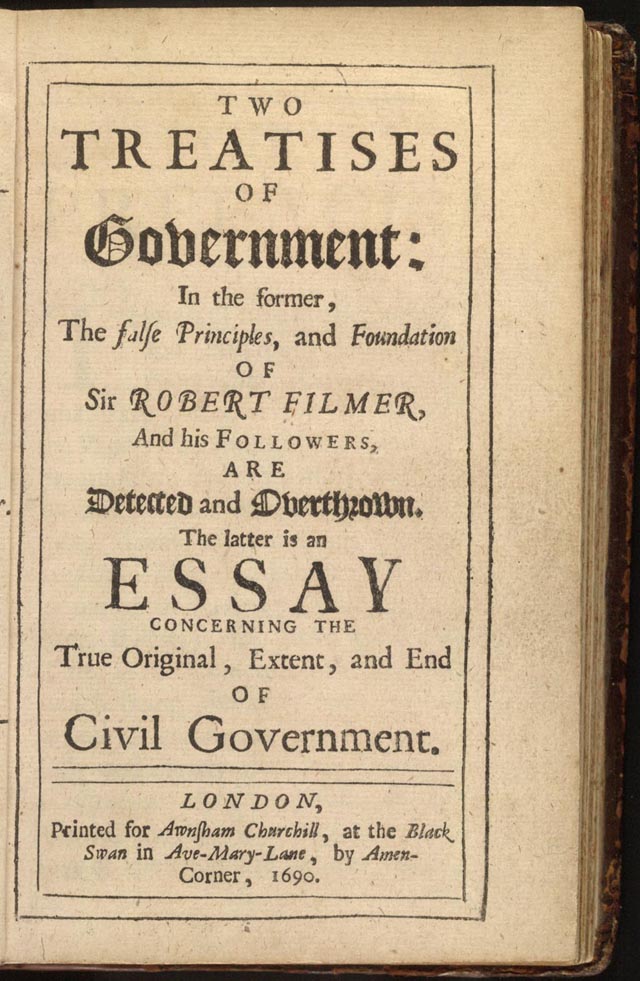 Book
Primary source
Two Treatises of Government
John Locke · 1689 (dated 1690)
 Book
Primary source
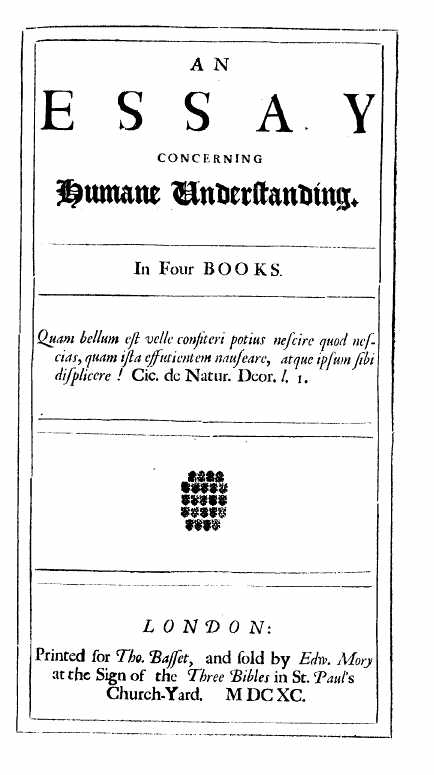
An Essay Concerning Human Understanding
John Locke · 1689 (dated 1690)
 Painting
Secondary source
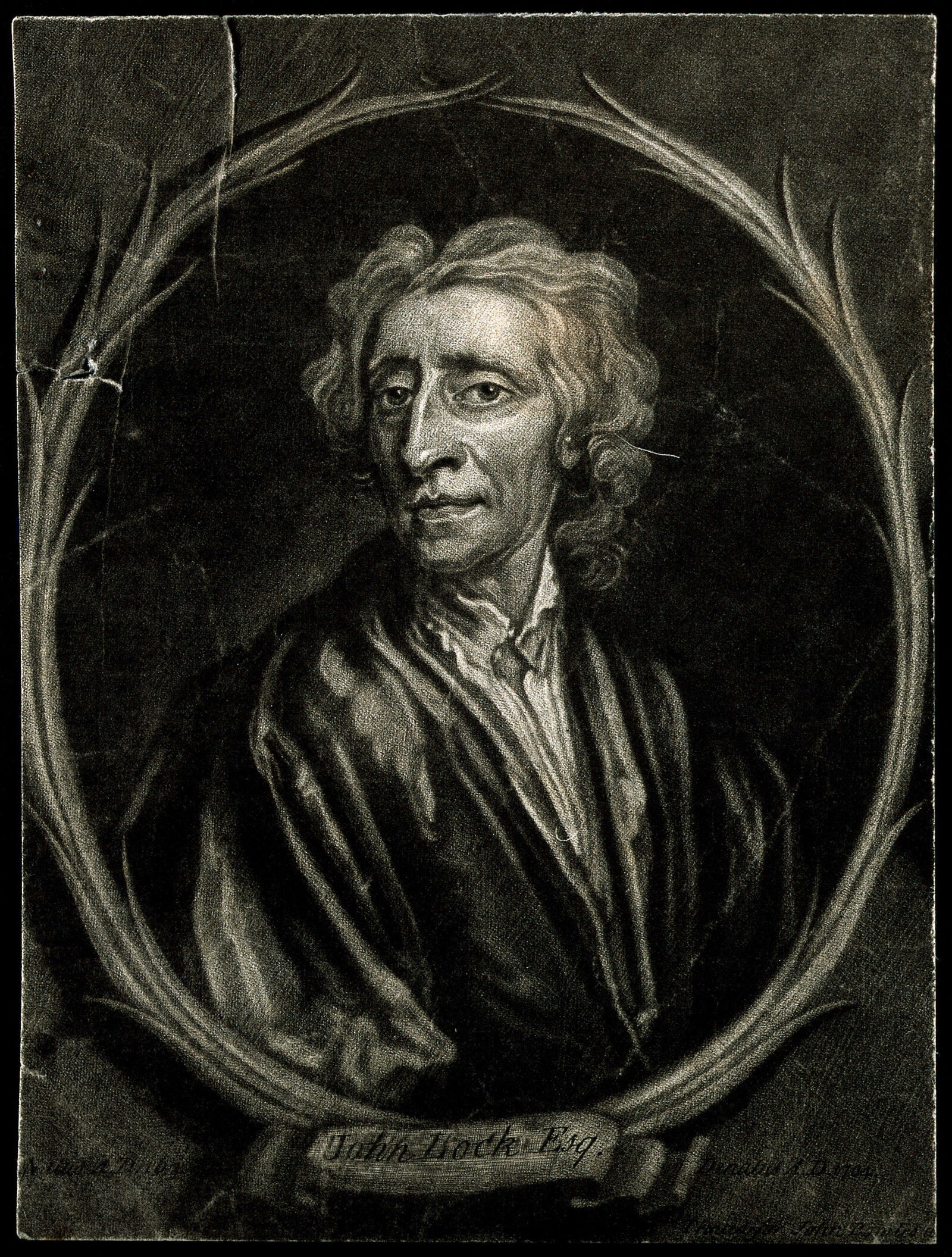
John Locke, Mezzotint after Godfrey Kneller
Godfrey Kneller
 Letter
Primary source
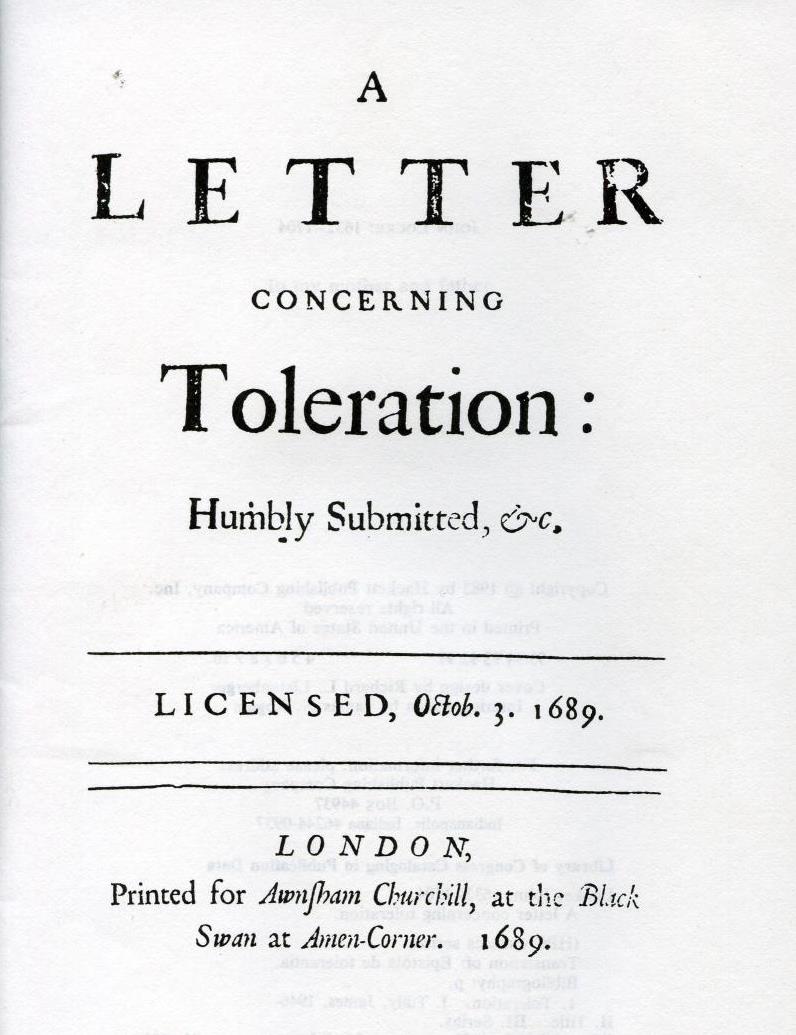
A Letter Concerning Toleration
John Locke · written 1685-1686, published 1689
 Painting
Secondary source
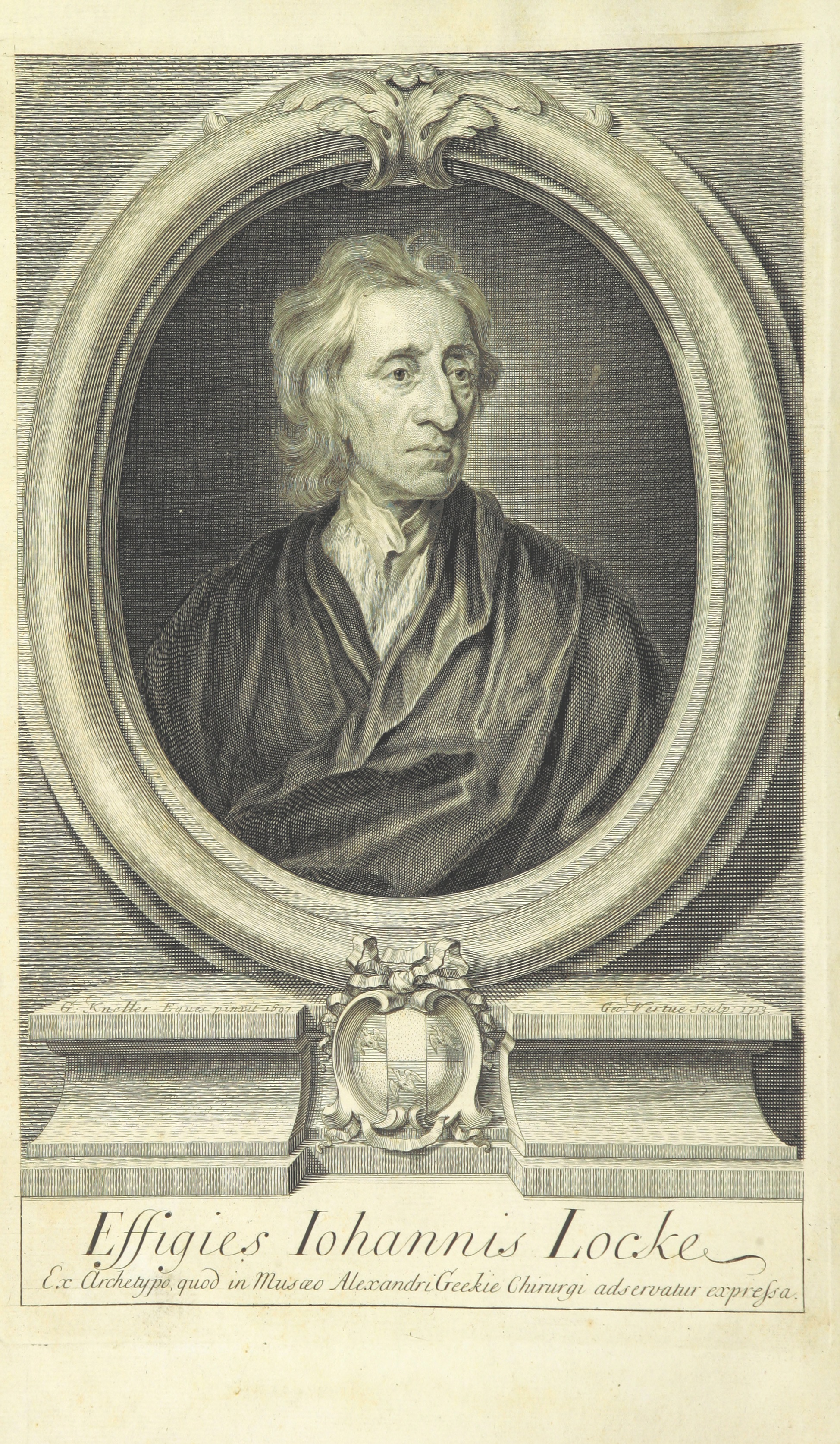
Portrait of John Locke, frontispiece to Works
George Vertue, after Sir Godfrey Kneller · 1722
Ready when you are
Start chatting with John Locke now.
20 messages free · No credit card · Available in 50+ languages.