


Secondary sourceBookafter 362 BC
Oeconomicus
Xenophon · after 362 BC
Xenophon's dialogue showing Socrates discussing household management, wealth, and the roles of men and women with Critoboulus and Ischomachus.
Socrates is the central speaker, shown discussing practical household management rather than abstract philosophy.
About this source
What it is
The Oeconomicus is a Socratic dialogue written by Xenophon, probably late in his life. In it, Socrates discusses household management and farming, first with a young man named Critoboulus, then by retelling a conversation he had with a gentleman-farmer named Ischomachus about running a household, training a wife, and managing slaves and land.
Why it matters
This is one of the earliest works on economics in the sense of household management, and an important source for how classical Athenians thought about wealth, gender, slavery, and rural life. Unlike Plato's more abstract Socrates, Xenophon's Socrates here is practical and down-to-earth, giving historians a different picture of the same man. The text has been read very differently over the centuries, from a straightforward guide to household virtue to an ironic satire of gender roles.
Look closer
- How does this practical Socrates differ from the Socrates of Plato's dialogues you may have read?
- What does the dialogue's view of wives, slaves, and farming tell us about everyday life in classical Athens?
- Why might scholars disagree so much about whether this text is sincere advice or satire?
This book is part of the curated material that grounds the AI version of Socrates on Humy.ai — when students ask about related events, the AI can quote it and cite it.
More Socrates sources
Meet the AI Socrates →Secondary source
Apology
Plato · c. 395 BC
 Painting
Secondary source
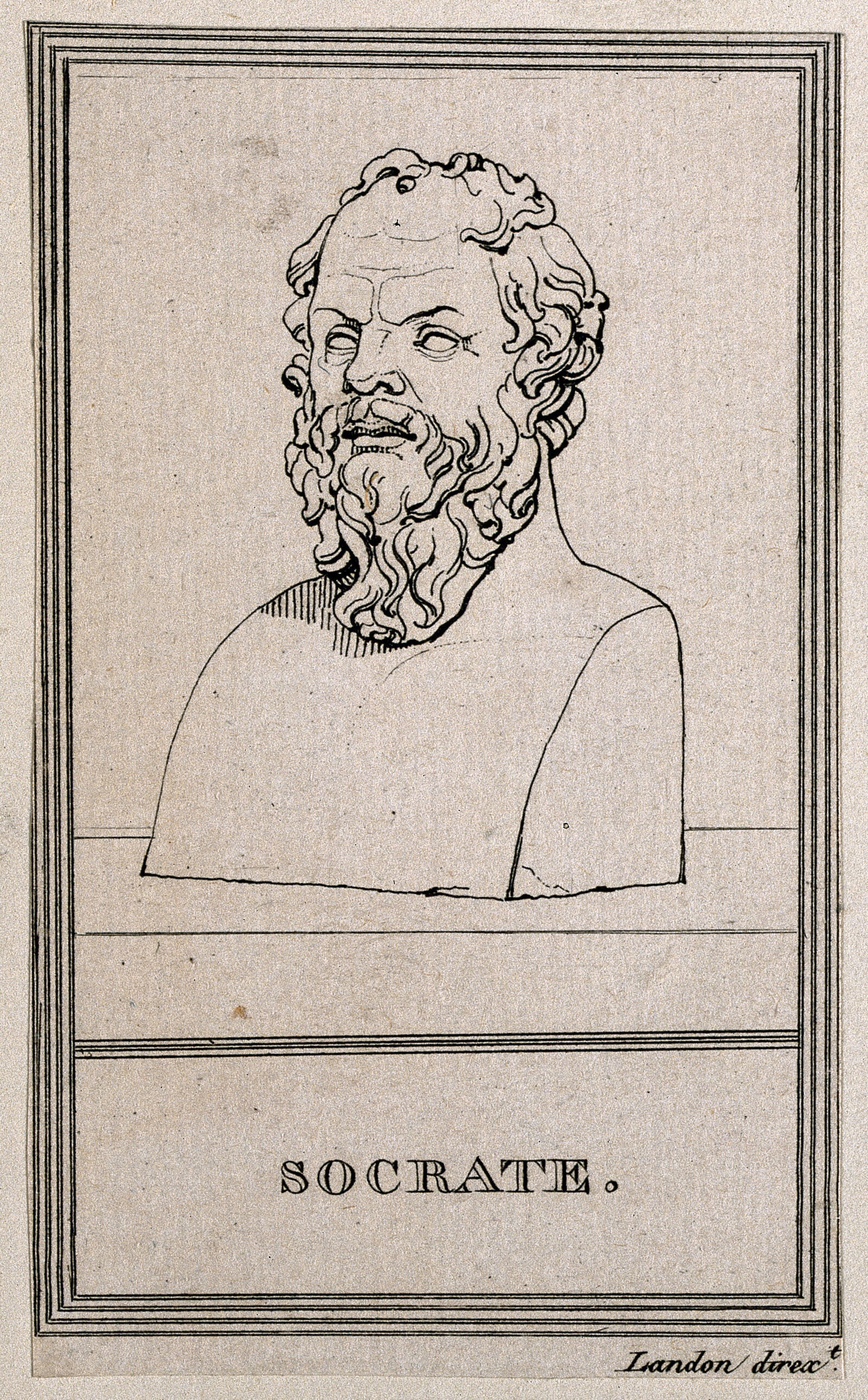
Line Engraving of Socrates by Landon
Charles Paul Landon
 Book
Secondary source
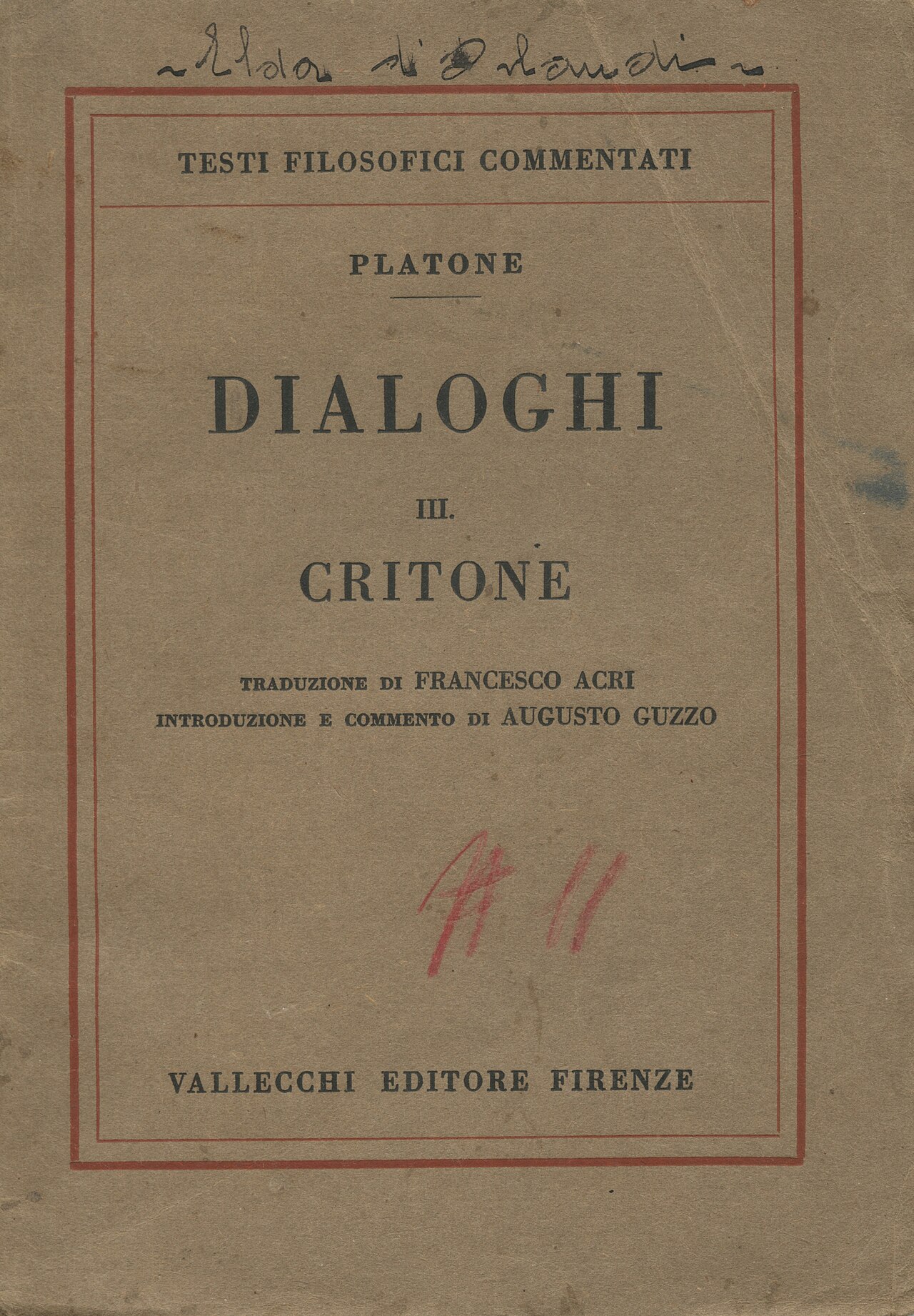
Crito
Plato · c. 400 BC
 Painting
Secondary source
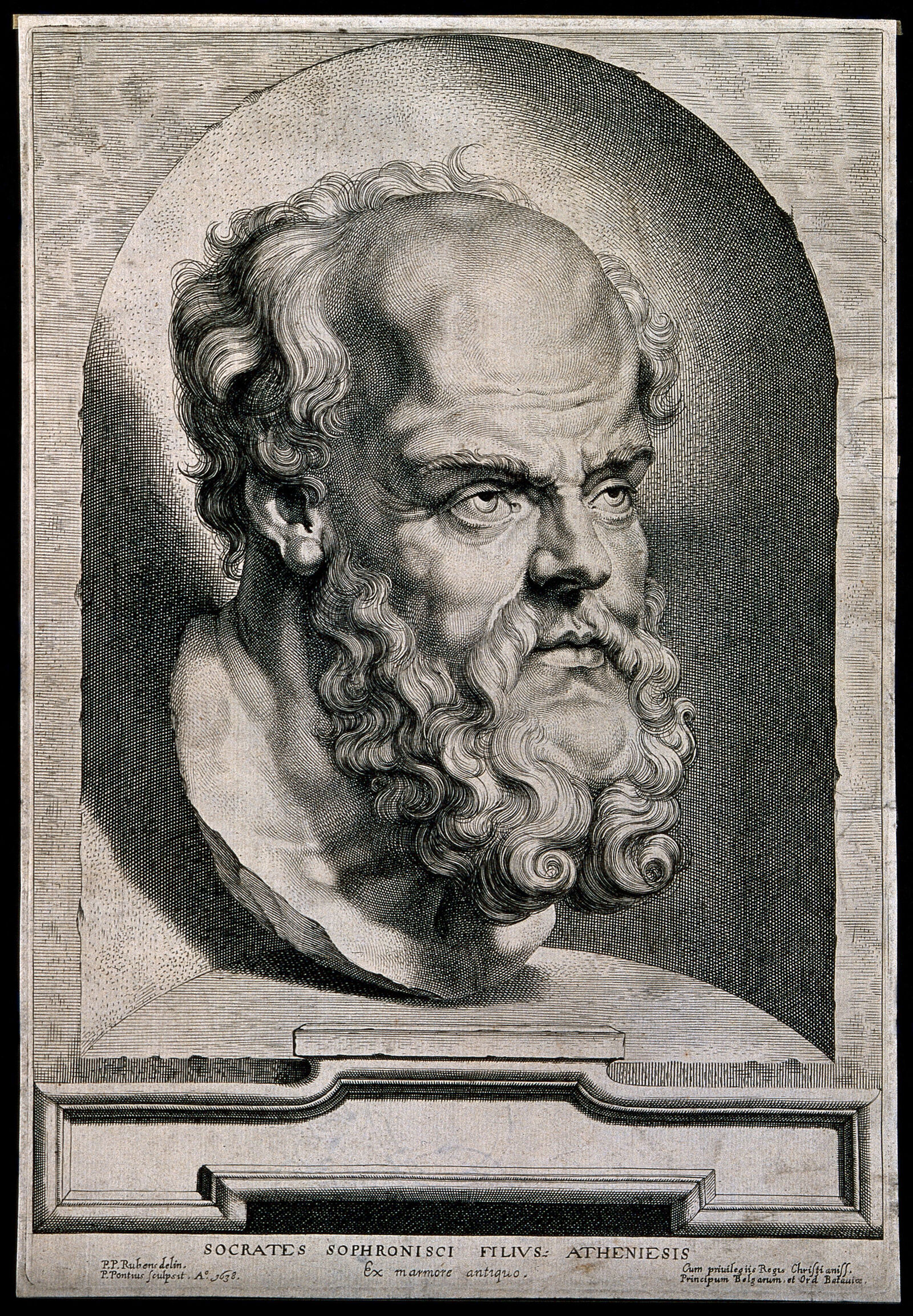
Socrates Engraving after Rubens by Pontius
Peter Paul Rubens · 1638
 Photograph
Secondary source
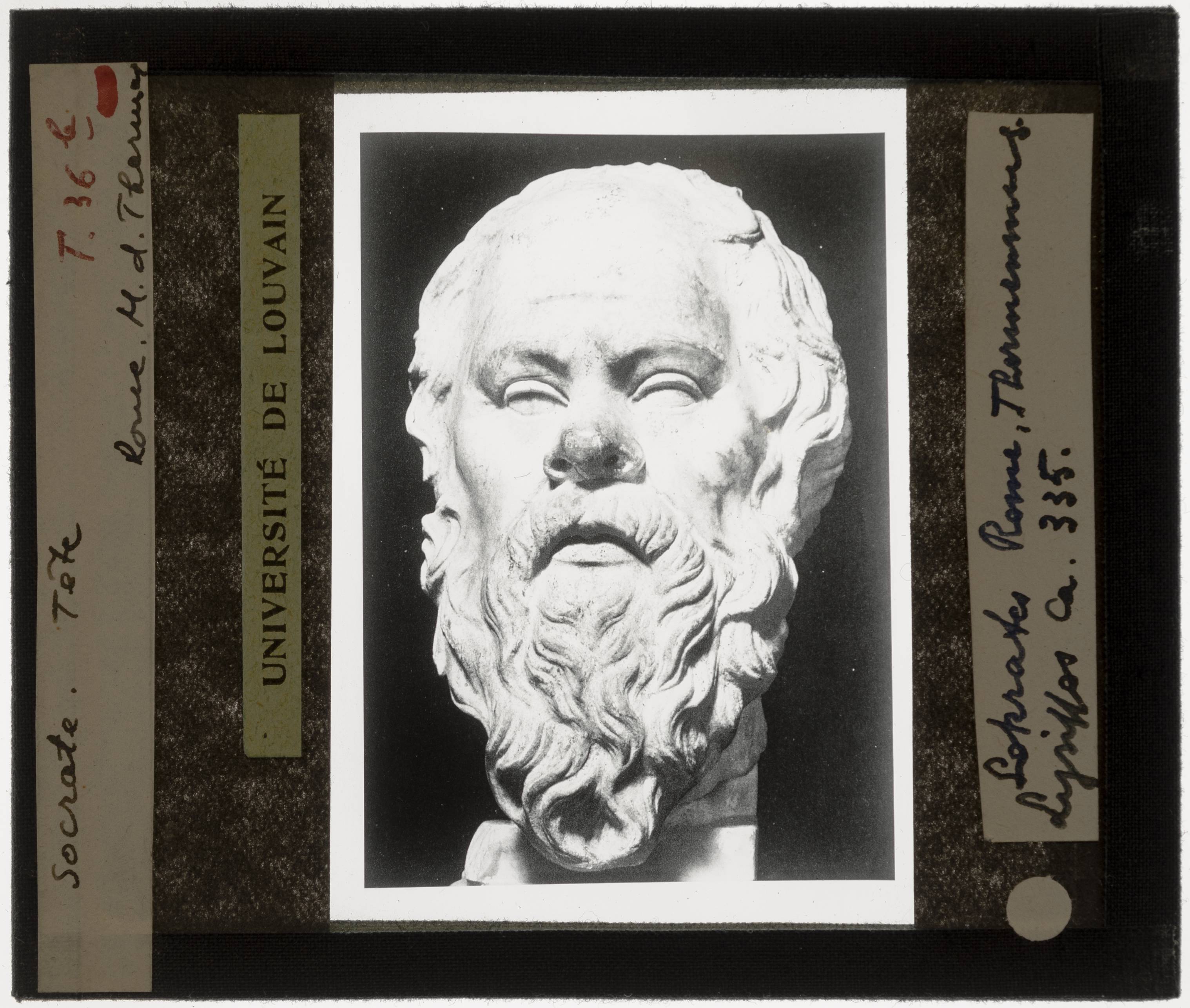
Roman Marble Bust of Socrates
between 1839 and 1939
Ready when you are
Start chatting with Socrates now.
20 messages free · No credit card · Available in 50+ languages.