


Primary sourceBook1741
Of Superstition and Enthusiasm
David Hume · 1741
An essay by David Hume analyzing Catholic 'superstition' and Protestant 'enthusiasm' as psychological and political forces.
This essay reveals Hume's early, distinctive approach to analyzing religion psychologically rather than theologically.
About this source
What it is
'Of Superstition and Enthusiasm' is an essay written by David Hume, published in 1741.
Why it matters
In this essay Hume examines two forms of what he calls 'false religion' through a psychological lens, looking at fear and emotional excess rather than theology. This shows his early naturalistic approach to studying religion as a human phenomenon, an approach that influenced later thinking about religion and psychology.
Look closer
- What does Hume mean by calling fear and emotion the roots of superstition and enthusiasm?
- Why might this essay have been controversial in Hume's time?
- How does analyzing religion this way differ from a purely religious or theological explanation?
This book is part of the curated material that grounds the AI version of David Hume on Humy.ai — when students ask about related events, the AI can quote it and cite it.
More David Hume sources
Meet the AI David Hume →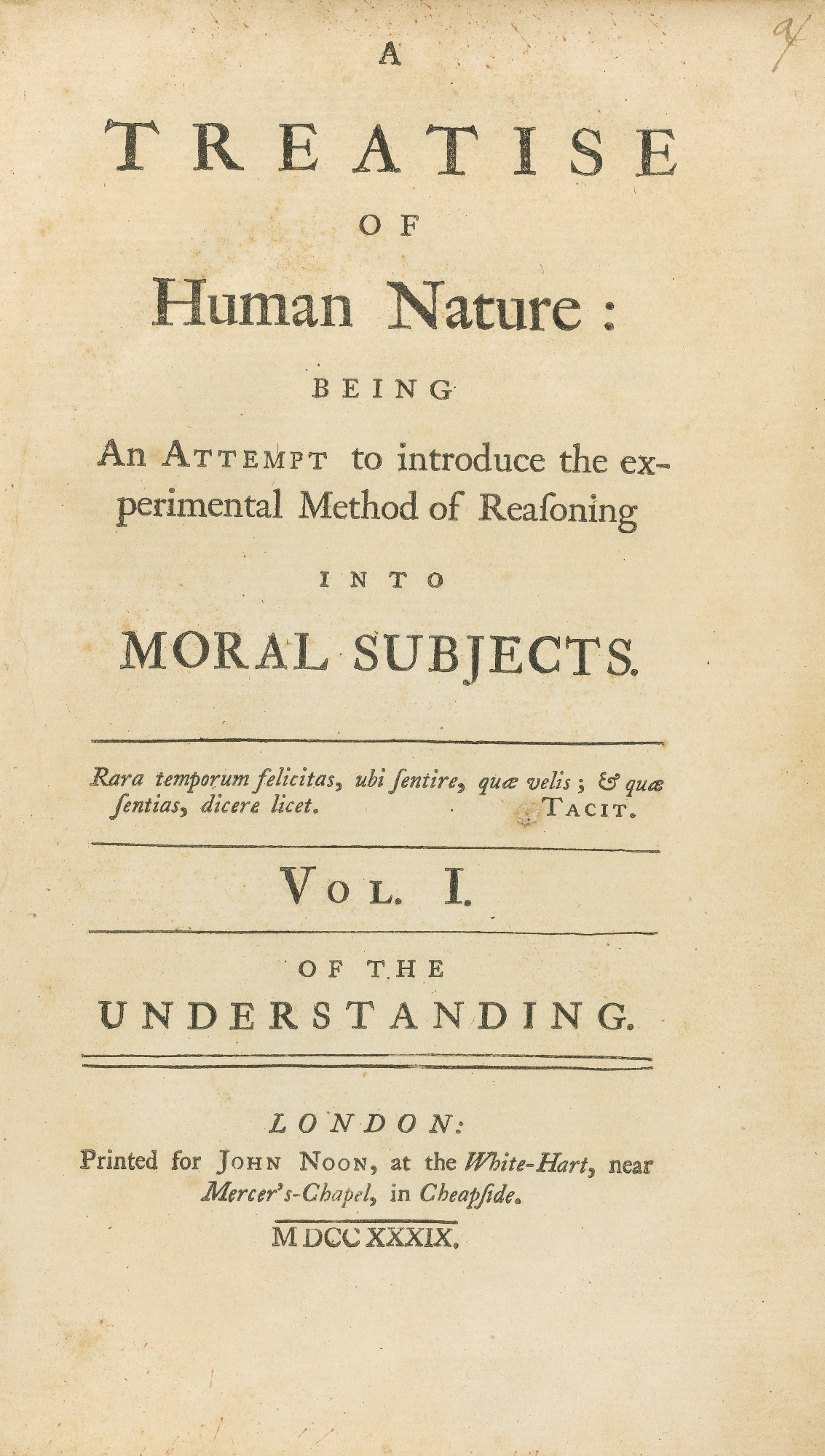 Book
Primary source
A Treatise of Human Nature
David Hume · 1739-1740
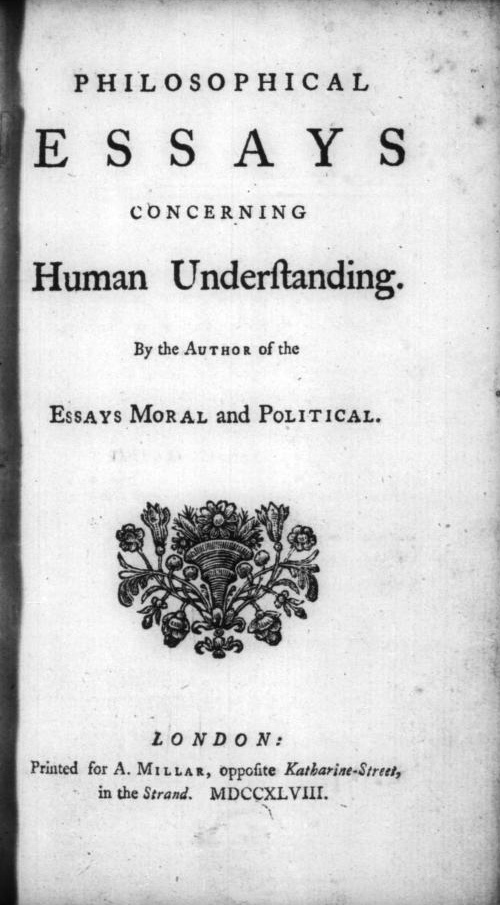 Book
Primary source
Philosophical Essays Concerning Human Understanding
David Hume · 1748
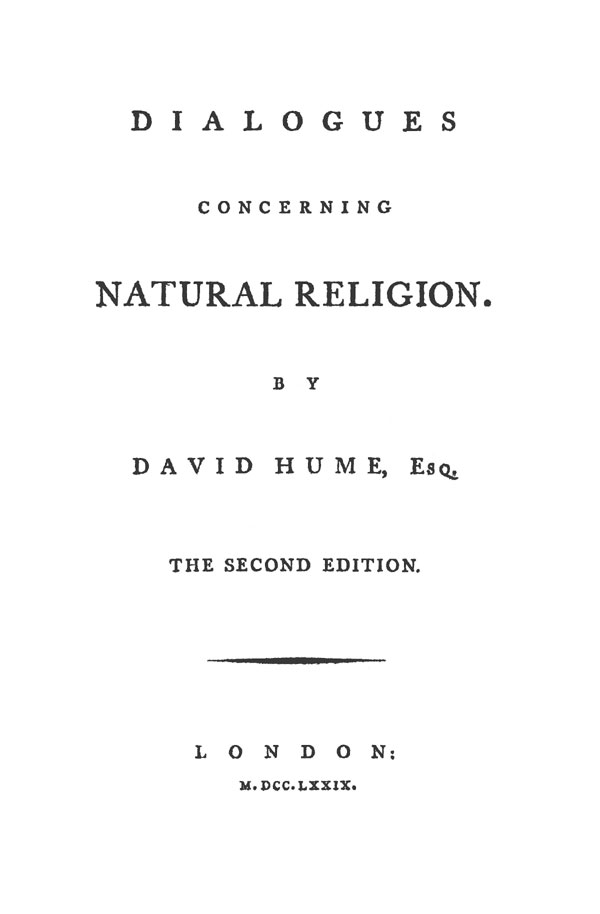 Book
Primary source
Dialogues Concerning Natural Religion
David Hume · 1779
Primary source
Of Miracles
David Hume · 1748
Primary source
An Enquiry Concerning the Principles of Morals
David Hume · 1751
Ready when you are
Start chatting with David Hume now.
20 messages free · No credit card · Available in 50+ languages.