


Primary sourceBook
Of the Standard of Taste
David Hume
Hume's essay on aesthetics, which tries to explain how judgments of taste can be both subjective and open to agreed standards.
A key essay by Hume applying his philosophical method to questions of beauty and criticism.
About this source
What it is
This essay by David Hume addresses the problem of taste: people disagree widely about beauty, yet some judgments seem better than others.
Why it matters
Hume tries to find a middle path between pure relativism and strict rules of beauty, arguing that while taste varies, certain qualities and qualified judges can still produce more reliable standards. The essay reflects Enlightenment debates about reason, feeling and culture, and shows Hume extending his philosophical method into art and criticism.
Look closer
- Why does Hume think taste varies so much between people and cultures?
- How does he try to defend the idea of better and worse judgments of beauty without appealing to fixed rules?
- What kinds of 'qualified judges' might Hume have had in mind, and who might be excluded?
This book is part of the curated material that grounds the AI version of David Hume on Humy.ai — when students ask about related events, the AI can quote it and cite it.
More David Hume sources
Meet the AI David Hume →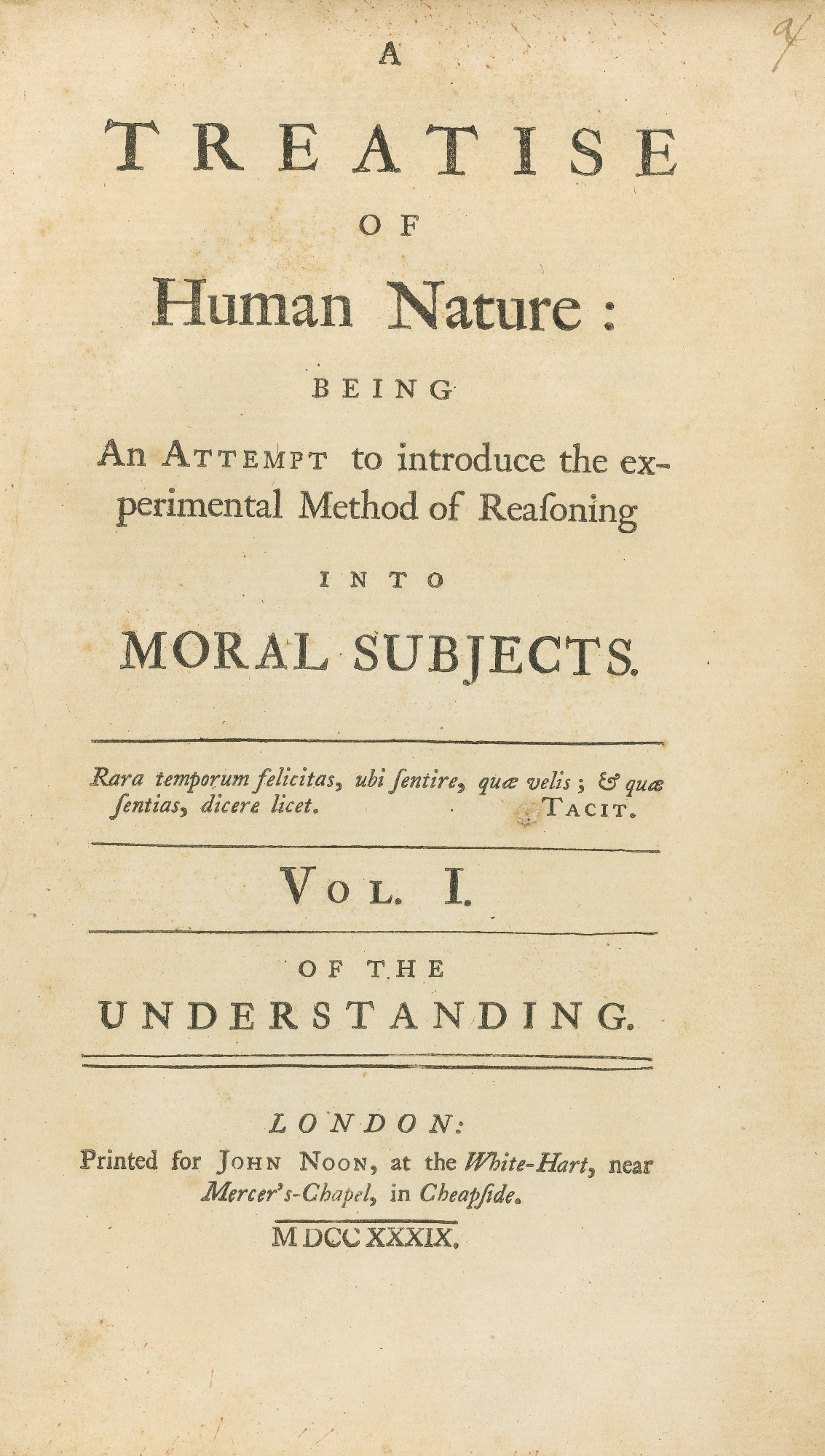 Book
Primary source
A Treatise of Human Nature
David Hume · 1739-1740
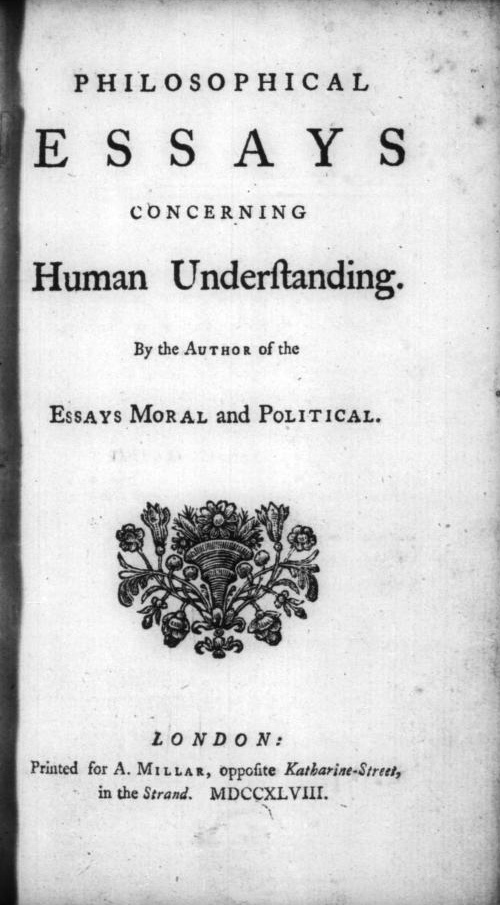 Book
Primary source
Philosophical Essays Concerning Human Understanding
David Hume · 1748
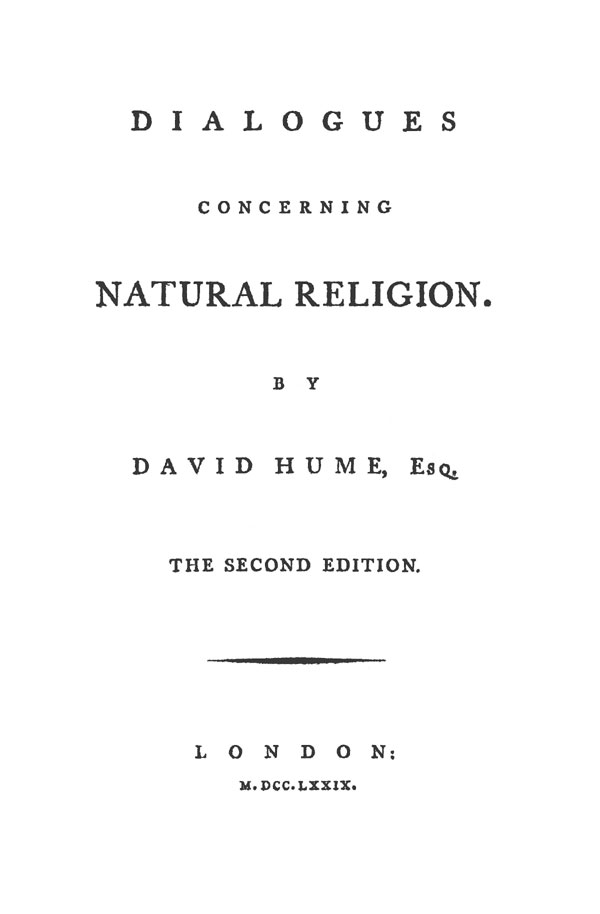 Book
Primary source
Dialogues Concerning Natural Religion
David Hume · 1779
Primary source
Of Miracles
David Hume · 1748
Primary source
An Enquiry Concerning the Principles of Morals
David Hume · 1751
Ready when you are
Start chatting with David Hume now.
20 messages free · No credit card · Available in 50+ languages.