


Primary sourceArtifactc. 1347-1330 BCE
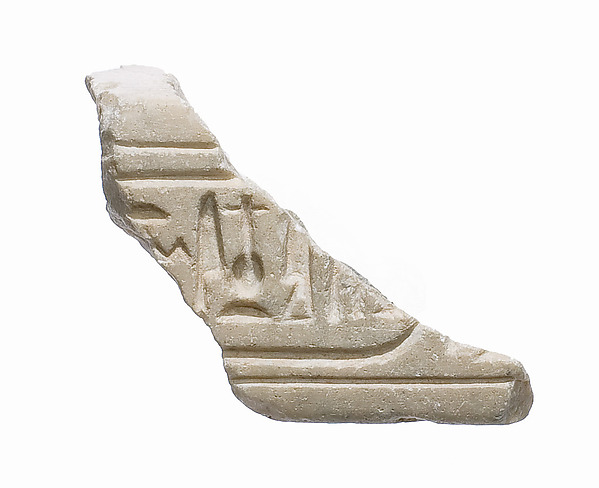
Offering Table with Nefertiti Cartouche, Indurated Limestone
c. 1347-1330 BCE
A second limestone offering table fragment carved with Nefertiti's cartouche, made of a different, harder stone than a similar table.
Another offering table bearing Nefertiti's cartouche, reinforcing her presence in Amarna-period religious ritual.
About this source
What it is
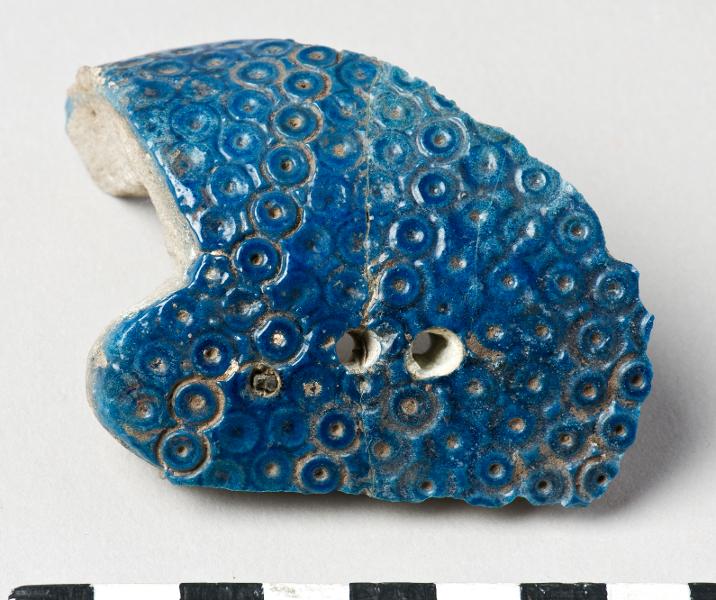
This small, fragmentary object is carved from indurated limestone, a harder type of stone, with shallow hieroglyphic signs including a cartouche naming Nefertiti. It dates to around 1347-1330 BCE, from the Amarna Period during Akhenaten's reign, and is held at The Metropolitan Museum of Art.
Why it matters
This offering table is a companion piece to another similar fragment naming Nefertiti, but made from a different stone. Together these objects show that multiple ritual items carried her name, suggesting she was regularly honored in temple offerings connected to the Aten religion her family promoted.
Look closer
- Why might museums keep track of the exact type of stone an object is carved from?
- What do the carved grooves and bands on this fragment suggest about how it was made?
- How does comparing this object to a similar offering table help historians understand Nefertiti's religious role?
This artifact is part of the curated material that grounds the AI version of Queen Nefereti on Humy.ai — when students ask about related events, the AI can quote it and cite it.
More Queen Nefereti sources
Meet the AI Queen Nefereti →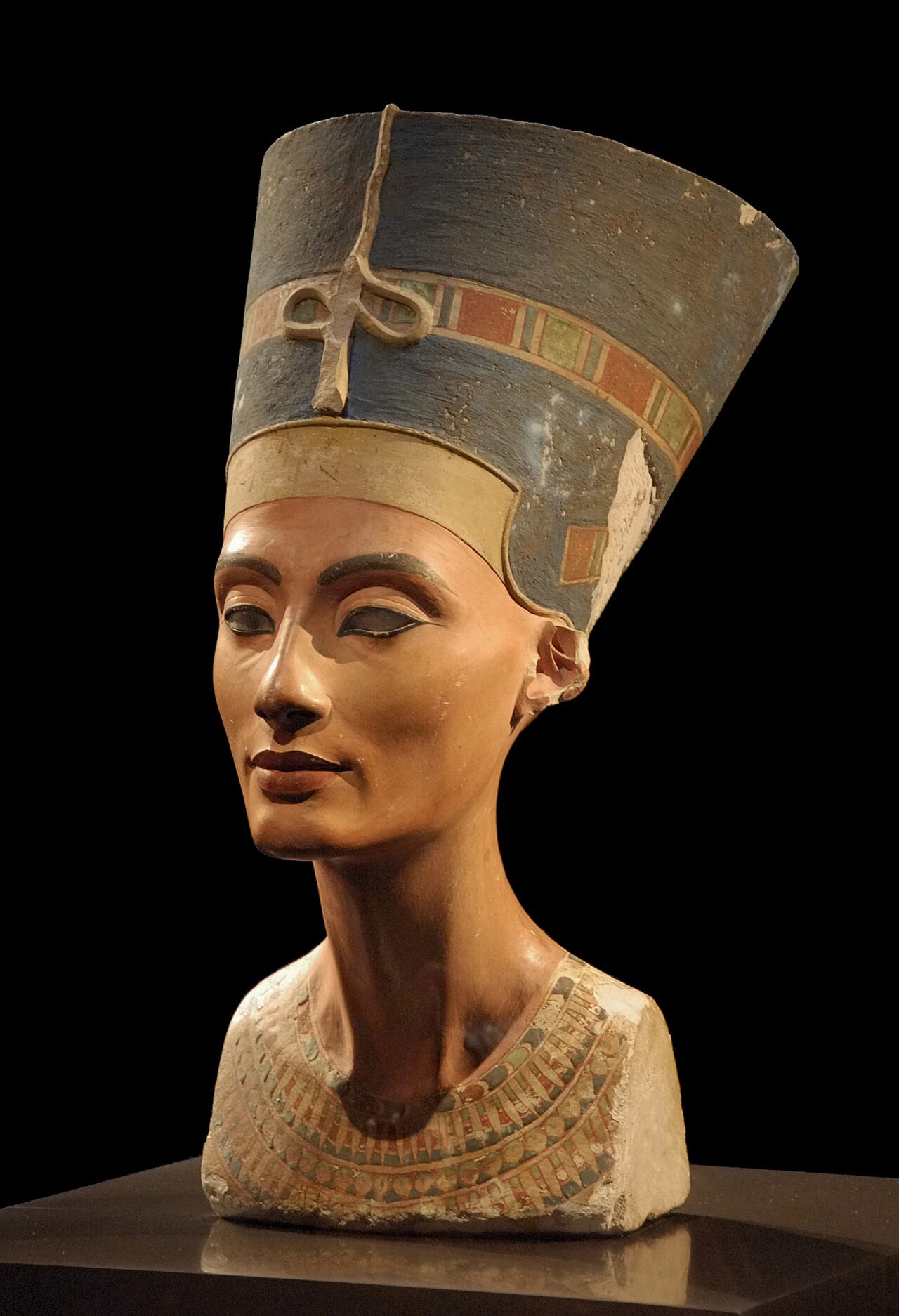 Sculpture
Primary source
Bust of Queen Nefertiti
Thutmose · c. 1345 BC
 Sculpture
Primary source
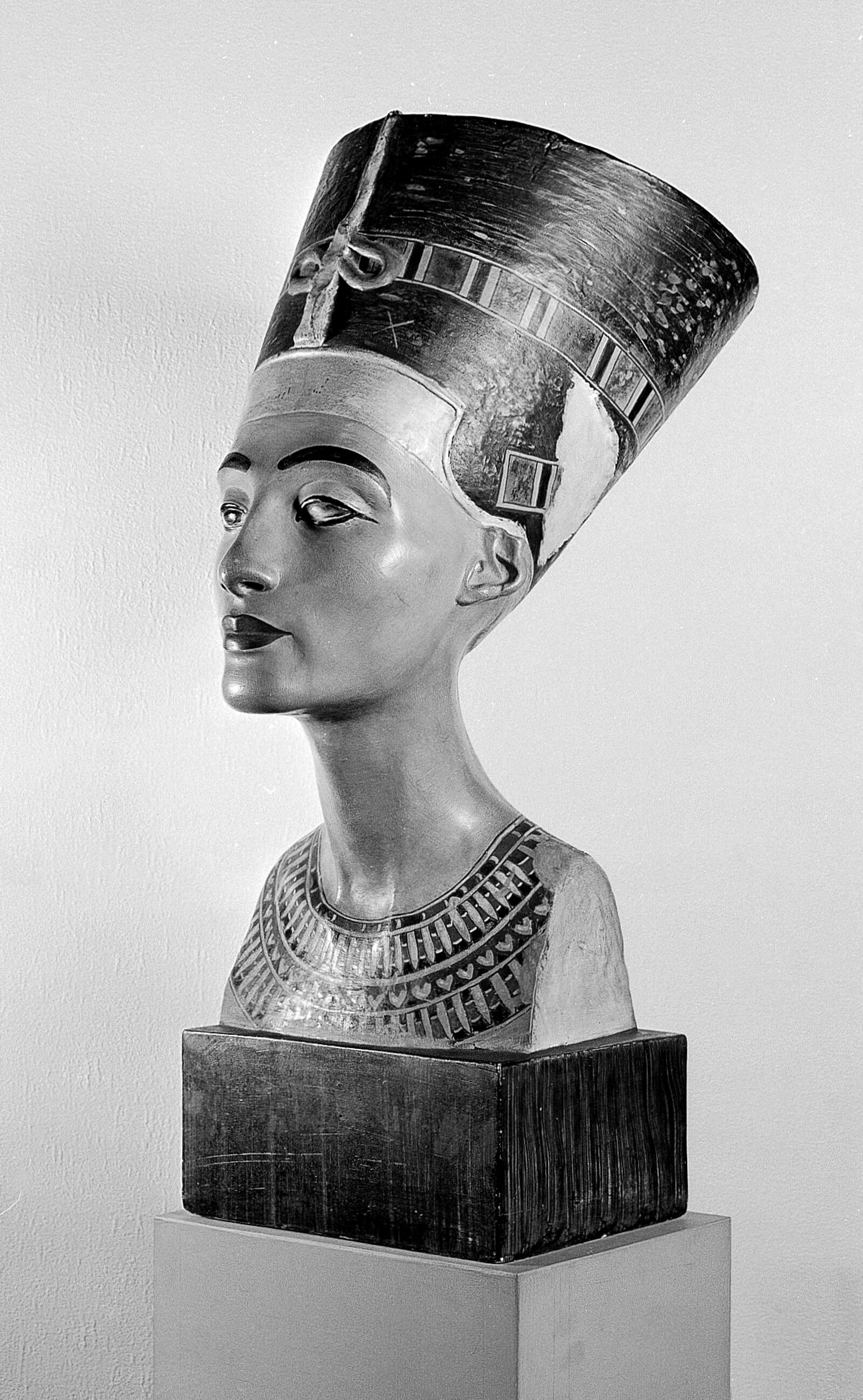
Figure of Nefertiti
 Sculpture
Primary source
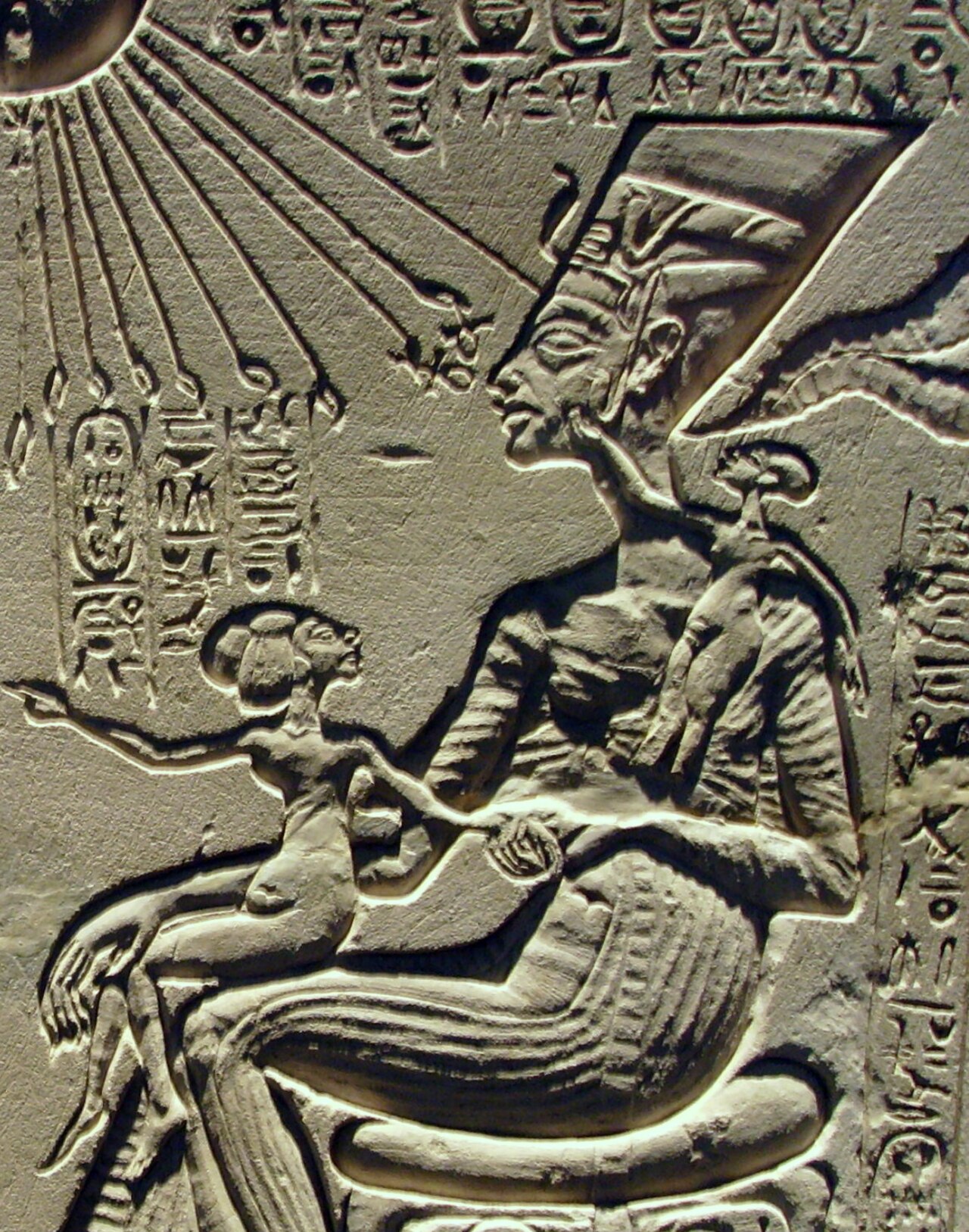
Akhenaten and His Family
c. 1352 BC
 Sculpture
Primary source
Relief Fragment Showing the Blue Crown of Nefertiti
 Document
Primary source
Great Hymn to the Aten
Akhenaten · c. 1350 BC
Ready when you are
Start chatting with Queen Nefereti now.
20 messages free · No credit card · Available in 50+ languages.