


Primary sourceArtifactc. 1347-1330 BCE
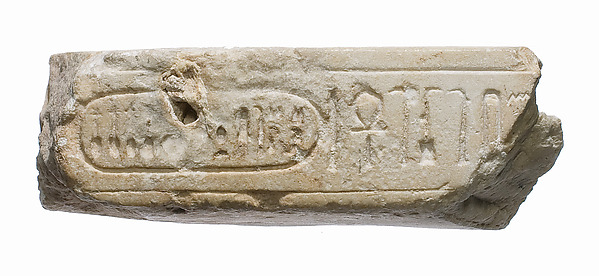
Offering Table with Nefertiti Cartouches
c. 1347-1330 BCE
A limestone offering table fragment carved with cartouches bearing Nefertiti's royal names, used in Amarna-period temple worship.
Nefertiti's cartouche on this temple offering table shows her role in the religious life of Akhenaten's Aten cult.
About this source
What it is
This is a weathered limestone fragment of an offering table, carved with cartouches containing Nefertiti's royal names. It dates from around 1347 to 1330 BCE, during the New Kingdom's Amarna Period under Akhenaten's reign, and is now held at The Metropolitan Museum of Art.
Why it matters
Offering tables were used in religious ritual, often to present food or gifts to the gods. Carving Nefertiti's name into such an object shows that she was honored as part of temple worship during the Aten religion promoted by her husband, reflecting her religious as well as political importance.
Look closer
- What would an offering table have been used for in ancient Egyptian worship?
- Why might Nefertiti's name appear on an object used in religious ritual rather than only on palace walls?
- What is broken or missing from this fragment, and how might that affect what we can learn from it?
This artifact is part of the curated material that grounds the AI version of Queen Nefereti on Humy.ai — when students ask about related events, the AI can quote it and cite it.
More Queen Nefereti sources
Meet the AI Queen Nefereti →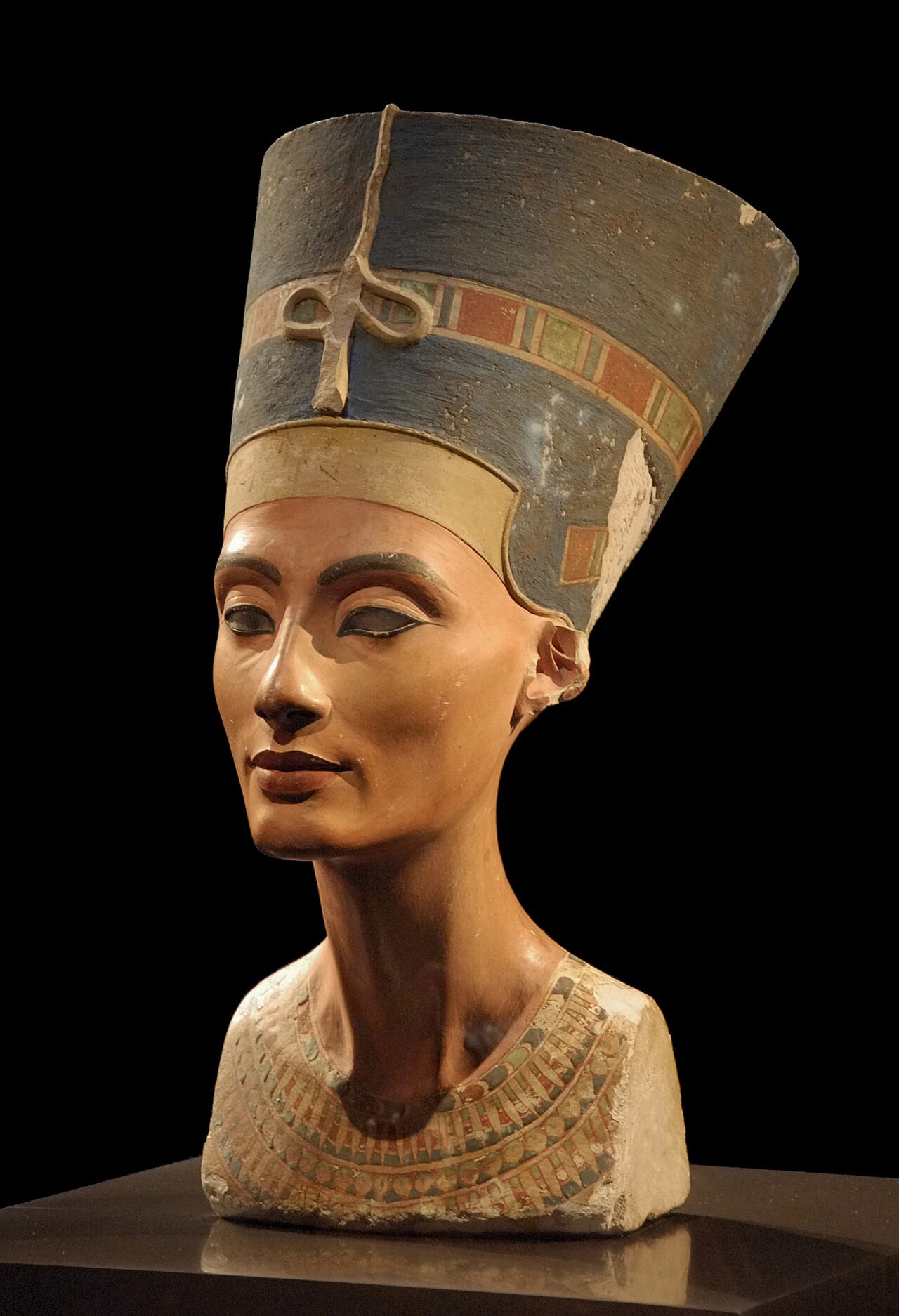 Sculpture
Primary source
Bust of Queen Nefertiti
Thutmose · c. 1345 BC
 Sculpture
Primary source
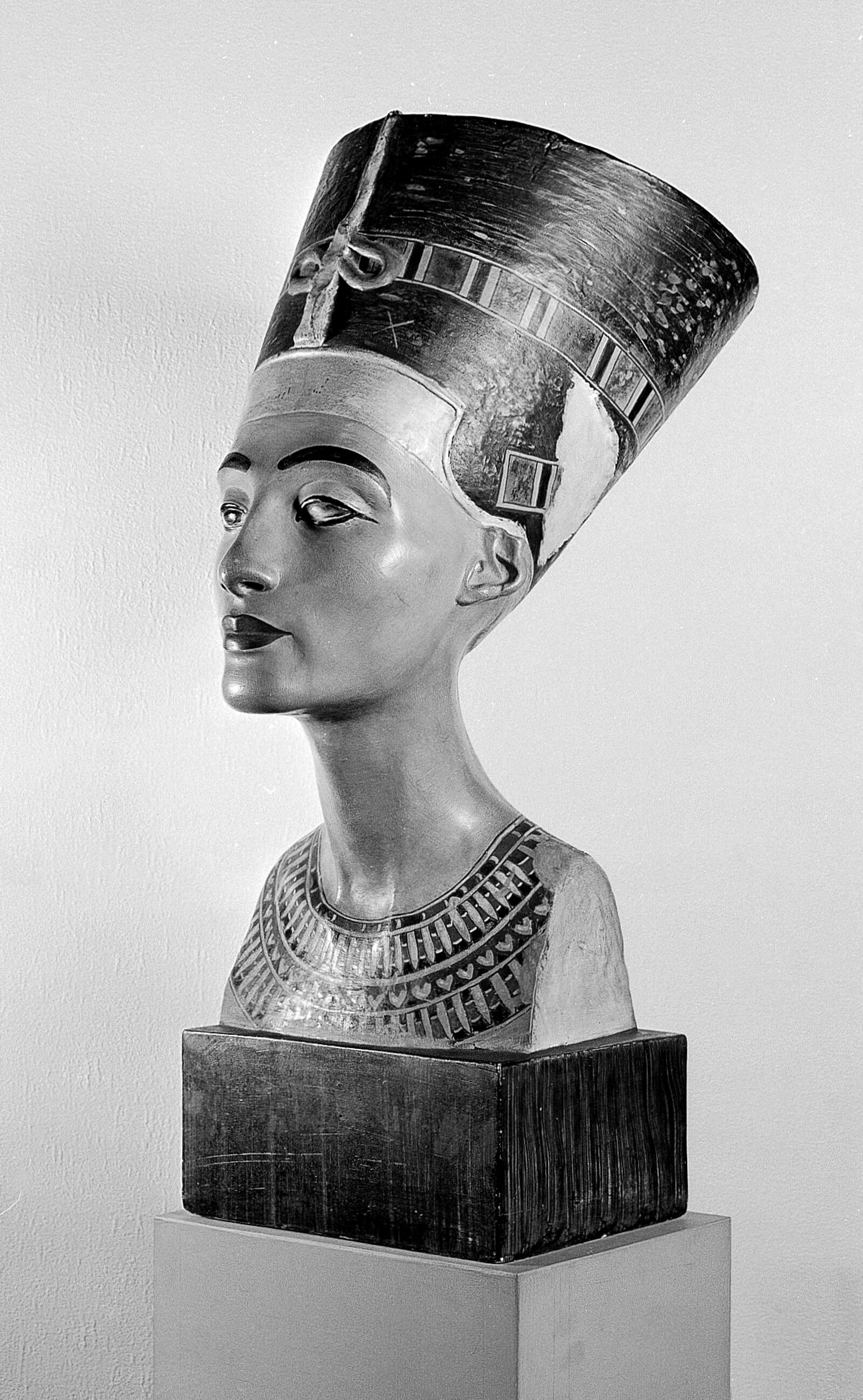
Figure of Nefertiti
 Sculpture
Primary source
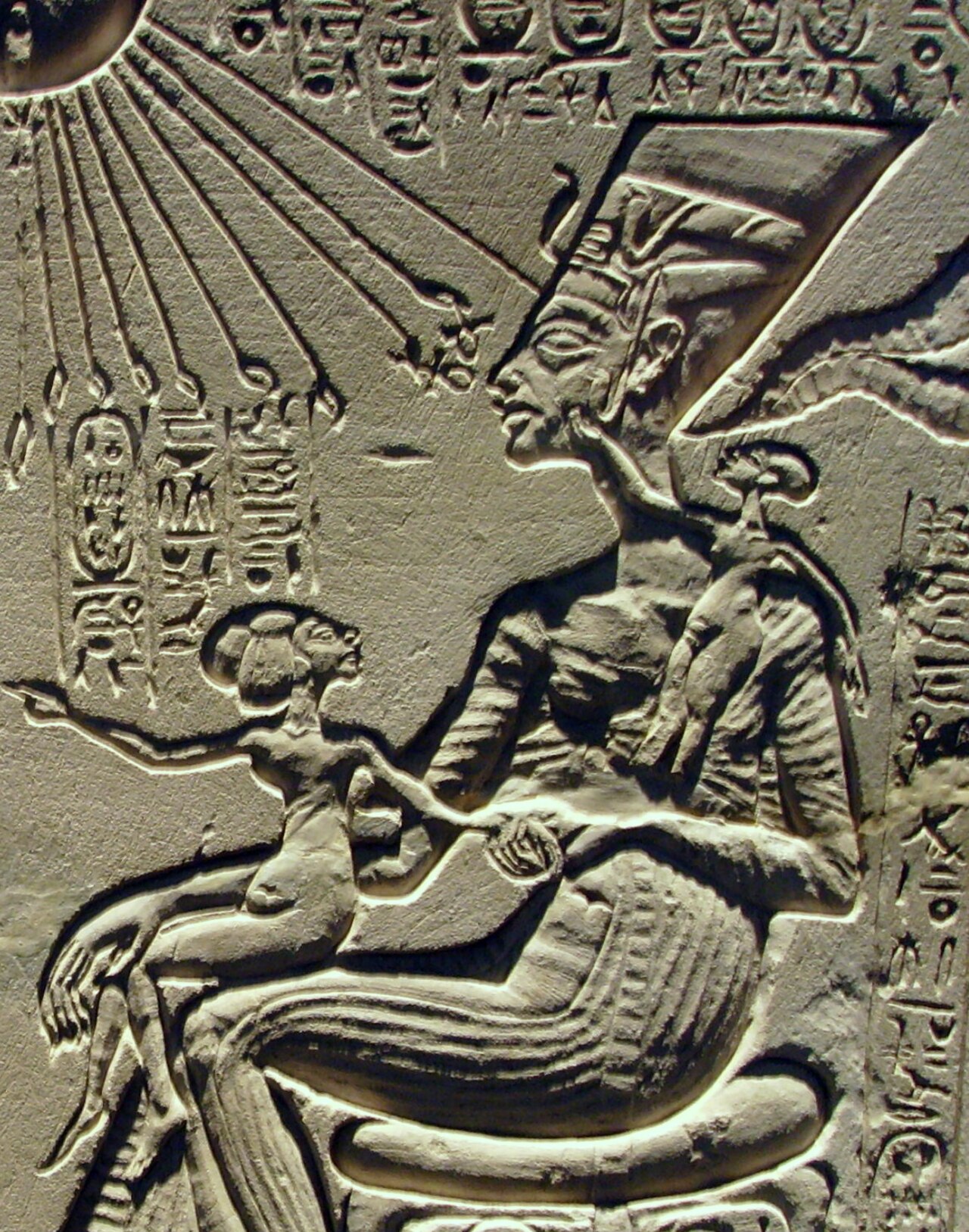
Akhenaten and His Family
c. 1352 BC
 Sculpture
Primary source
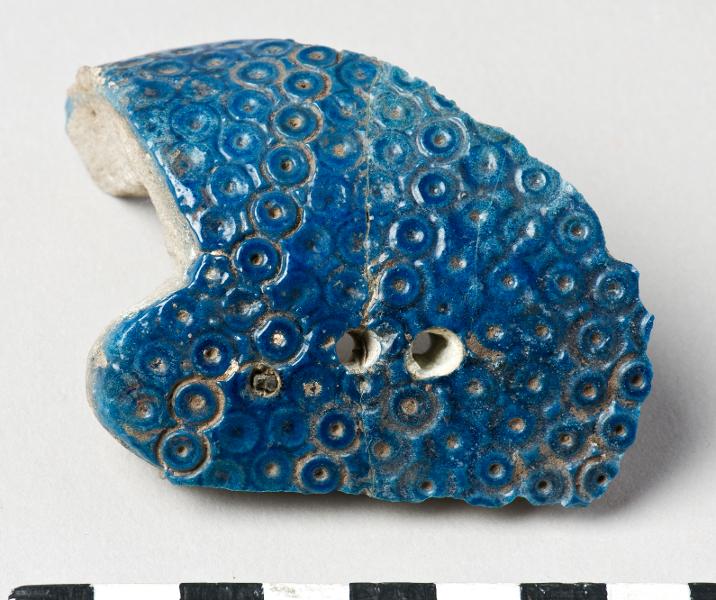
Relief Fragment Showing the Blue Crown of Nefertiti
 Document
Primary source
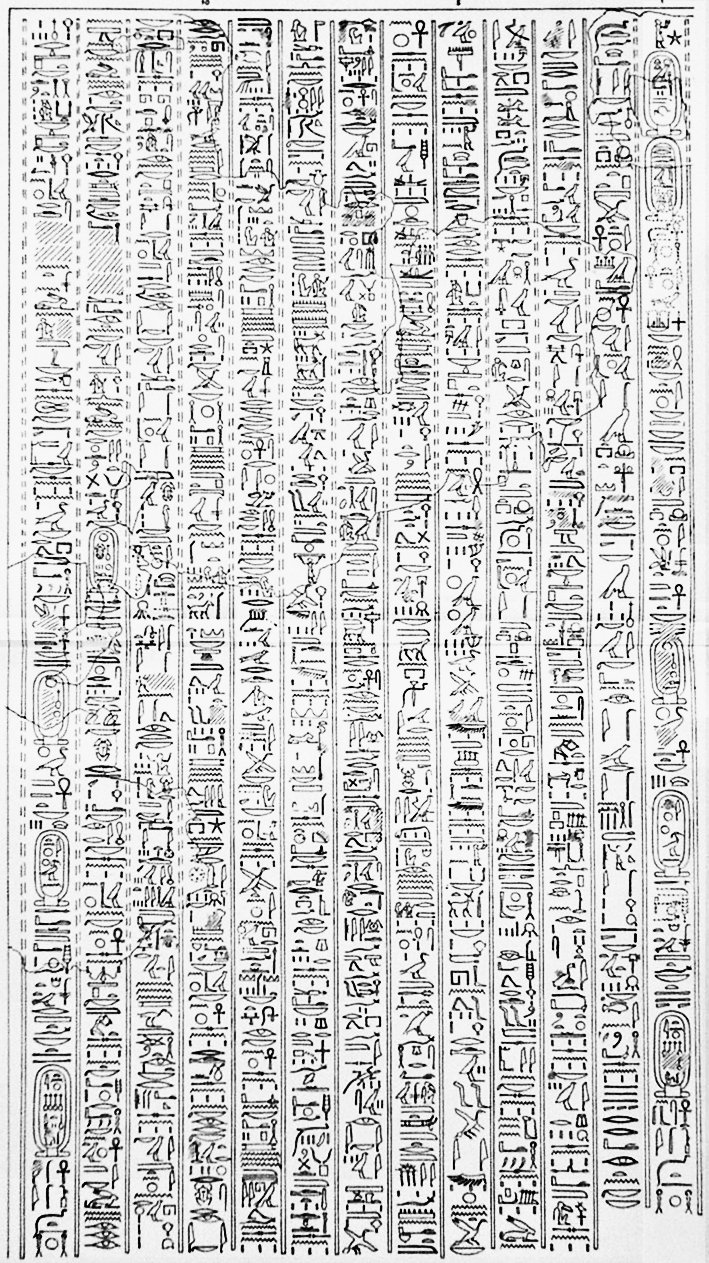
Great Hymn to the Aten
Akhenaten · c. 1350 BC
Ready when you are
Start chatting with Queen Nefereti now.
20 messages free · No credit card · Available in 50+ languages.