


Secondary sourceBook1885
On the Antique Encaustic Painting of Cleopatra, Found 1818
John Sartain · 1885
A 1885 study of an ancient painting discovered in 1818 and once believed to show Cleopatra, by John Sartain.
This study examines an ancient painting once believed to portray Cleopatra after her defeat by Augustus.
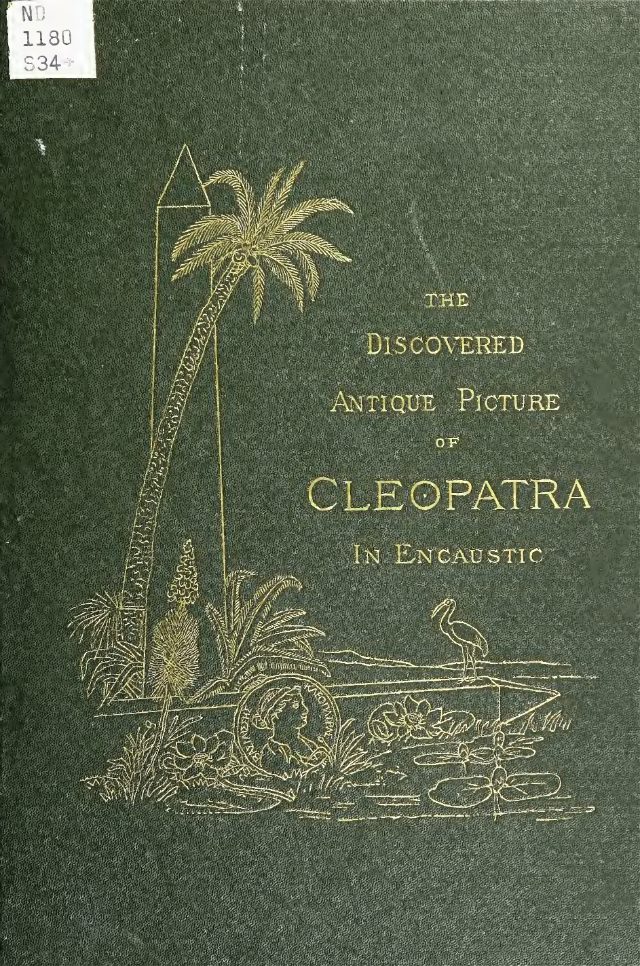 PDF · 84 pages
About this source
What it is
This is a book written by John Sartain in 1885 discussing an encaustic (wax) painting discovered in 1818 at Hadrian's Villa, believed by some to depict Cleopatra. The painting itself was held near Sorrento by the Baron de Benneval and was thought by some to have been made for the Emperor Augustus to celebrate his triumph over Cleopatra, who escaped humiliation through suicide.
Why it matters
This book shows how scholars in the 19th century tried to connect surviving ancient artifacts to historical figures like Cleopatra, sometimes based on uncertain evidence. It reflects ongoing fascination with finding authentic images of Cleopatra from antiquity.
Look closer
- Why might it be difficult to confirm that an ancient painting really shows Cleopatra?
- What does the theory about Augustus and his triumph suggest about how the painting may have been used?
- How does this study differ from a modern scientific investigation of an artifact?
This book is part of the curated material that grounds the AI version of Cleopatra on Humy.ai — when students ask about related events, the AI can quote it and cite it.
More Cleopatra sources
Meet the AI Cleopatra →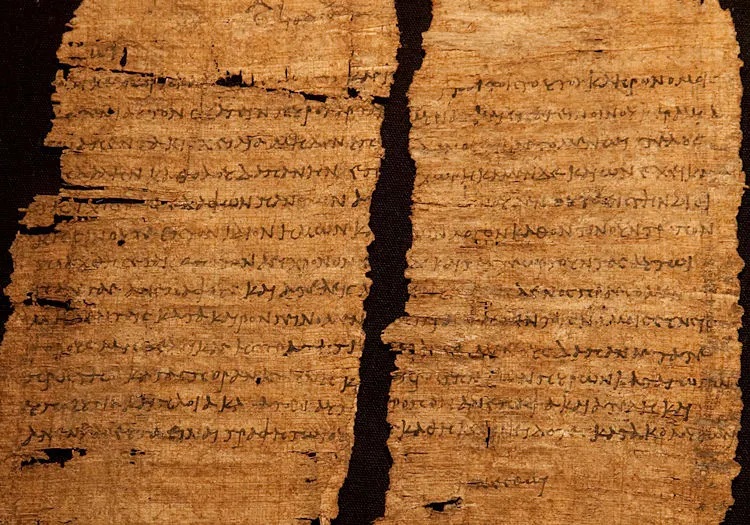 Document
Primary source
Papyrus with Signature of Cleopatra VII
Ptolemaic scribe; possibly countersigned by Cleopatra VII · February 33 BCE
 Painting
Secondary source
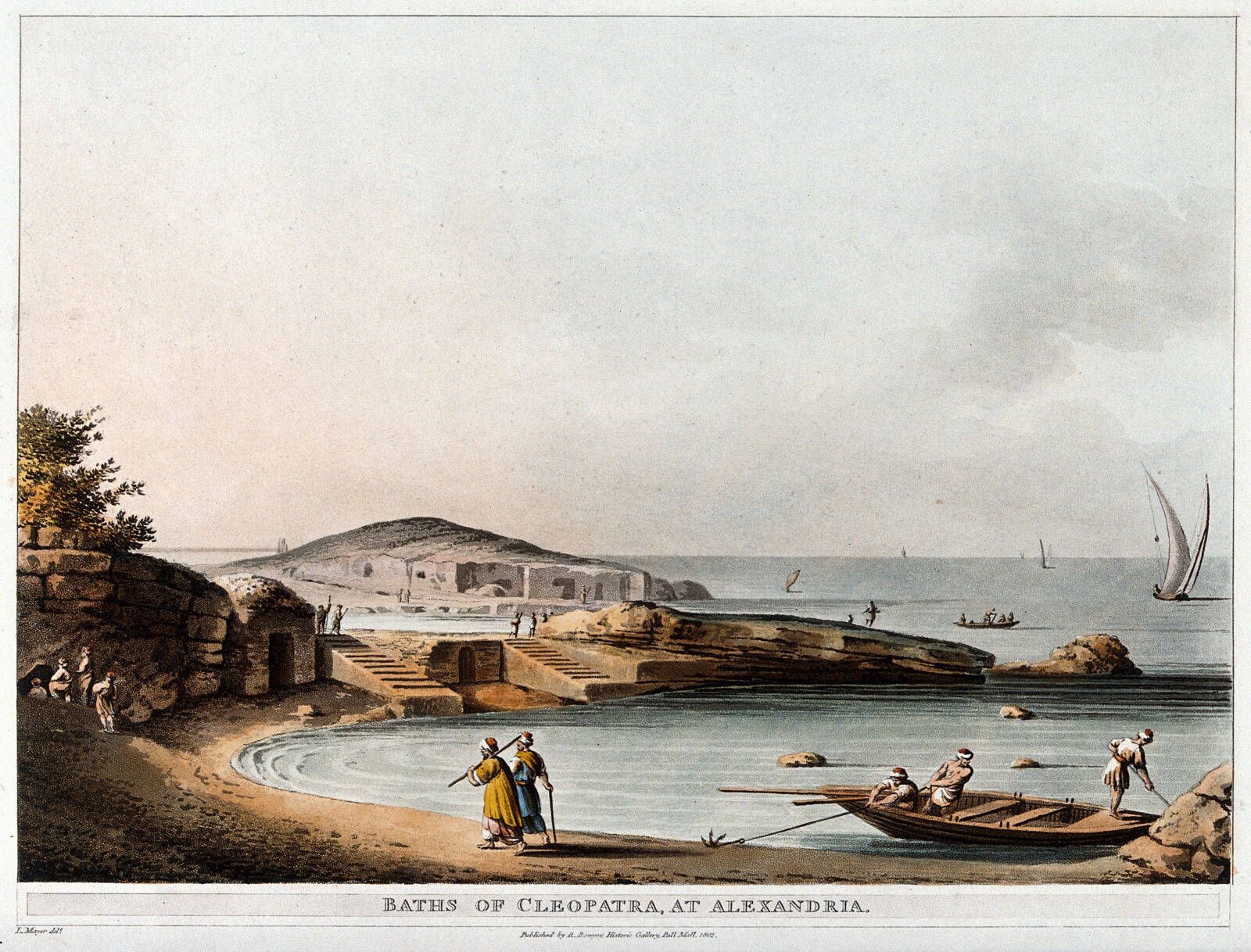
Baths of Cleopatra, at Alexandria
Luigi Mayer · 1802
 Sculpture
Secondary source
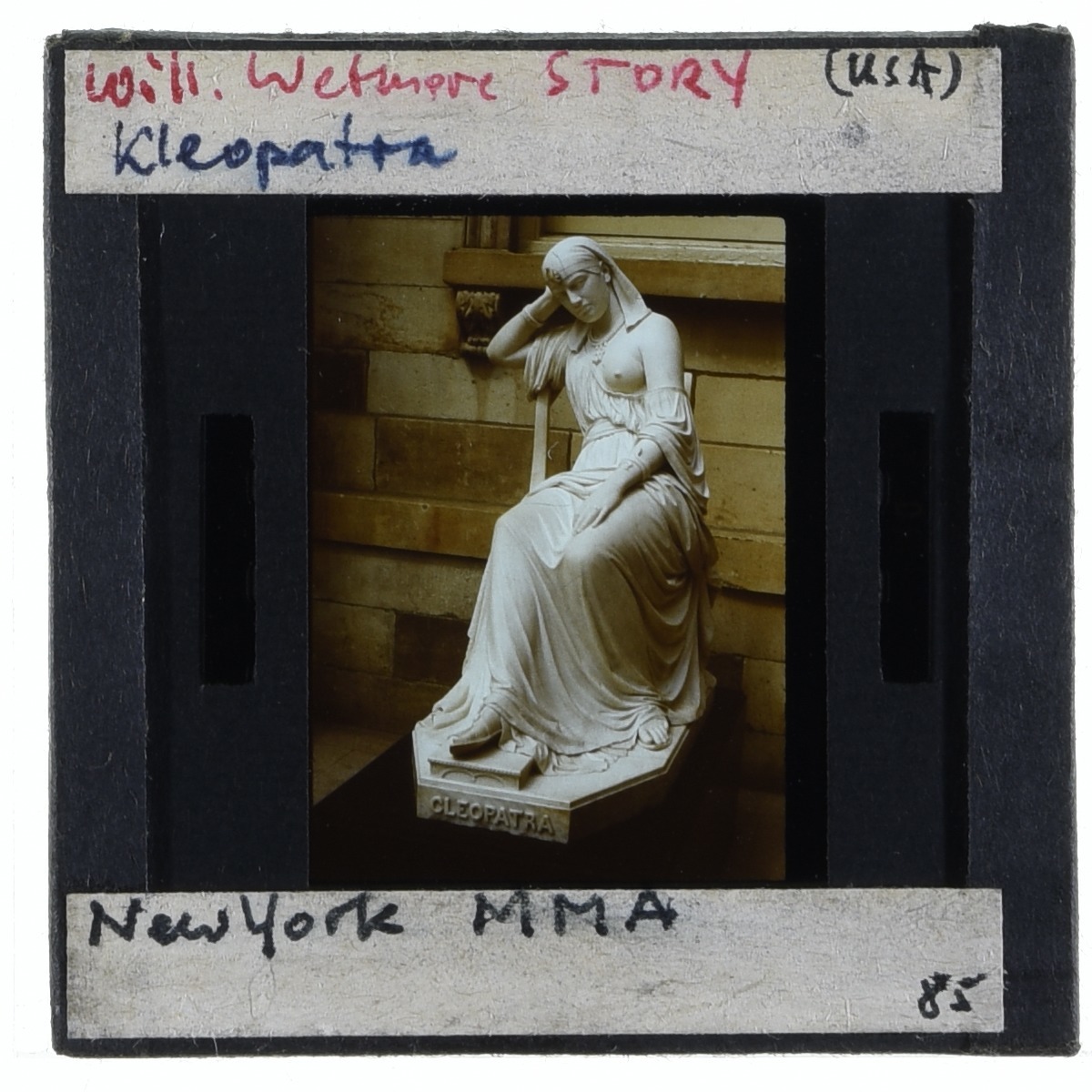
Cleopatra
William Wetmore Story
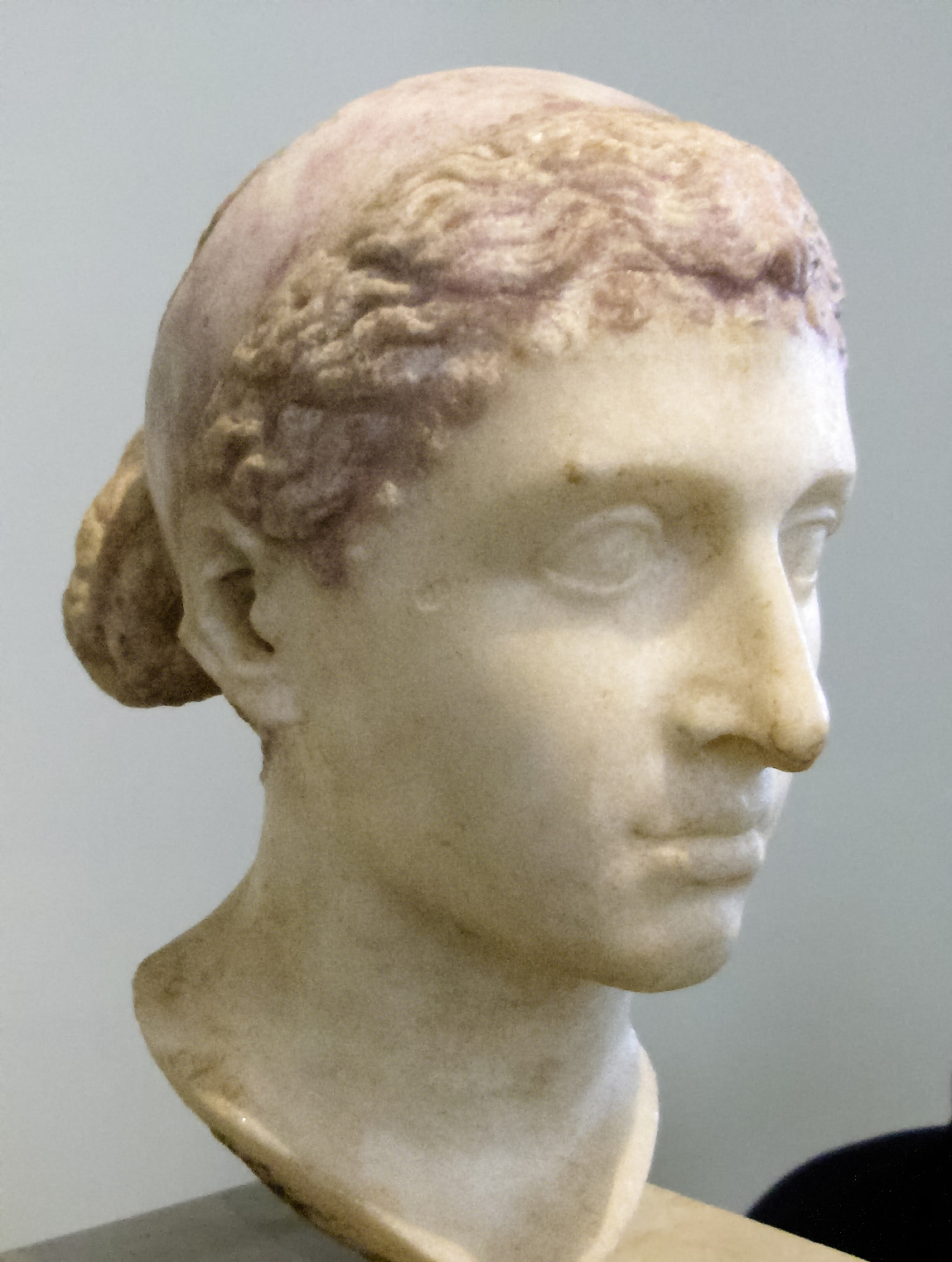 Sculpture
Primary source
Portrait of Cleopatra (Berlin Bust)
c. 40-30 BCE
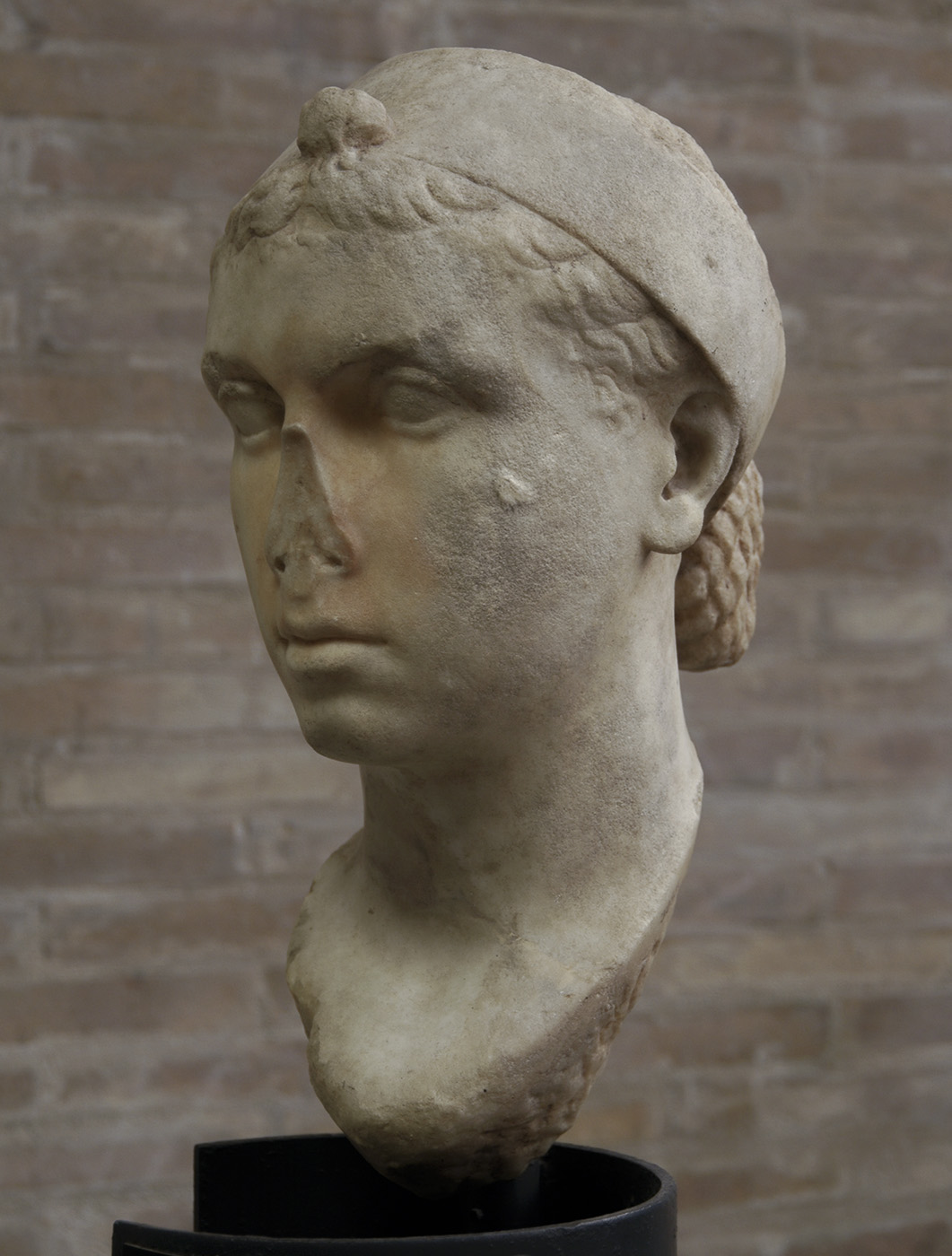 Sculpture
Primary source
Head-Portrait of Cleopatra VII (Vatican Bust)
c. 40-30 BCE
Ready when you are
Start chatting with Cleopatra now.
20 messages free · No credit card · Available in 50+ languages.