


Primary sourceBookc. 350 BCE
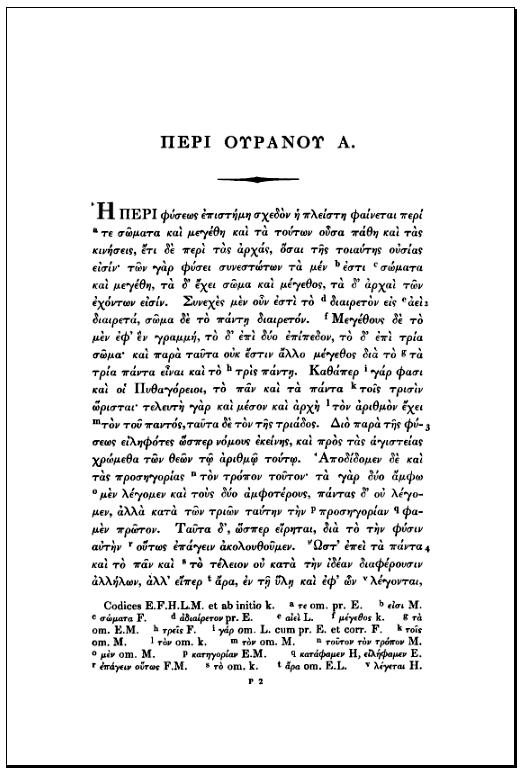
On the Heavens
Aristotle · c. 350 BCE
Aristotle's chief cosmological treatise, arguing for a spherical Earth at the center of an eternal universe.
Aristotle's treatise gives the earliest systematic surviving account of Pythagorean cosmology and astronomy.
About this source
What it is
Written by Aristotle around 350 BCE, this treatise sets out his astronomical theory and ideas about the physical world. It argues that heavenly bodies are made of a perfect, imperishable substance called aether, and move in eternal circles, while earthly things are made of the four classical elements and are subject to change and decay.
Why it matters
This work was one of the foundations of the Aristotelian worldview that dominated thinking for almost two thousand years, influencing Islamic philosophers such as Averroes and Avicenna, and later European thinkers such as Thomas Aquinas. Aristotle's geocentric model, placing Earth at the center of the universe, was eventually challenged centuries later by Copernicus and Galileo.
Look closer
- Why might Aristotle have believed the heavens were made of a different substance than the Earth?
- What does it tell you that this model of the universe lasted for nearly two thousand years before being overturned?
- How might later scholars from different cultures and religions have used or adapted Aristotle's ideas?
This book is part of the curated material that grounds the AI version of Pythagoras and Aristotle on Humy.ai — when students ask about related events, the AI can quote it and cite it.
More Pythagoras sources
Meet the AI Pythagoras → Book
Secondary source
Lives and Opinions of Eminent Philosophers, Book V (Life of Aristotle)
Diogenes Laërtius · c. 3rd century CE
 Book
Secondary source
Histories
Herodotus · c. 440 BCE
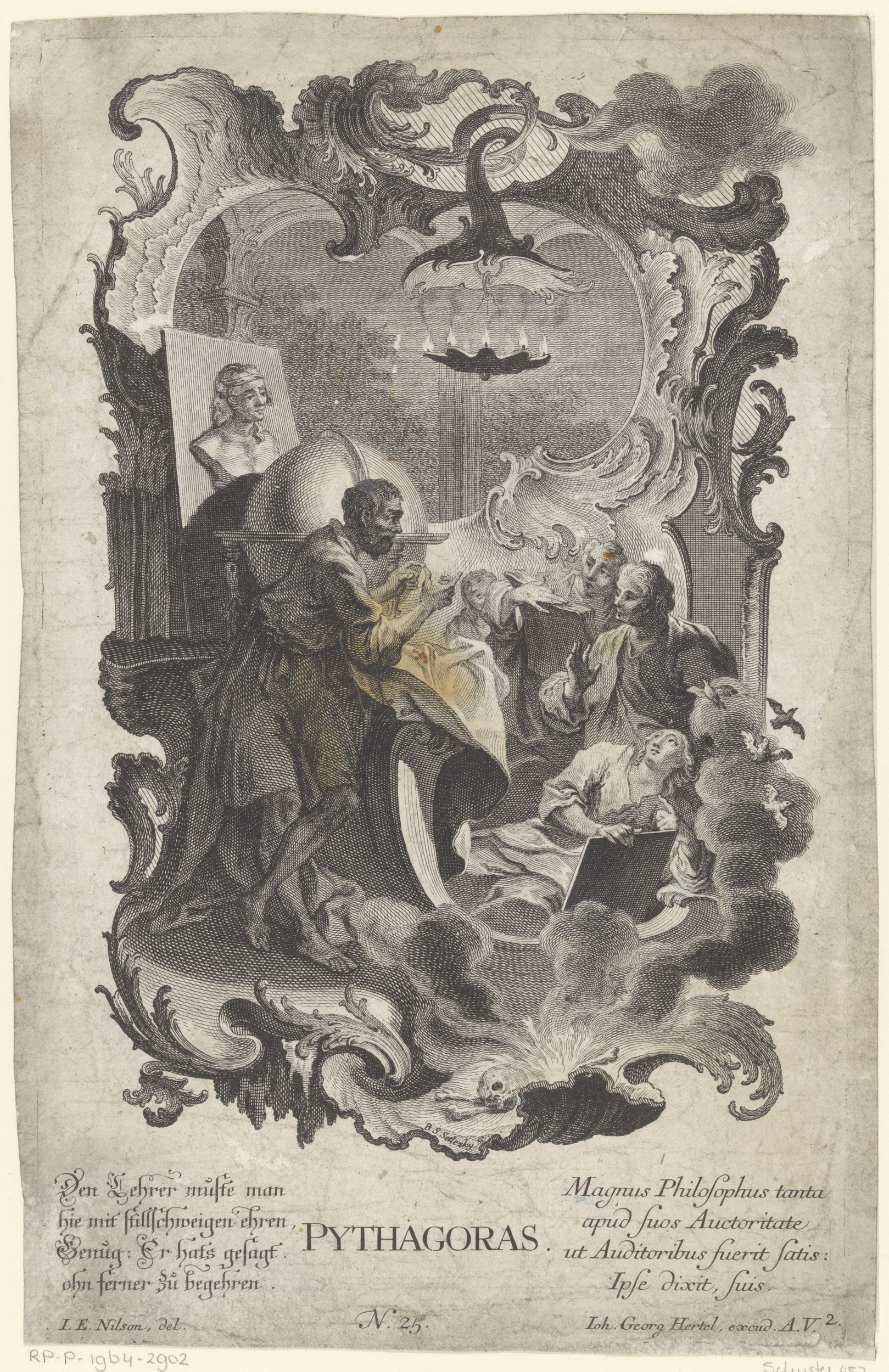 Painting
Secondary source
Pythagoras Leaning on a Globe with Four Listeners
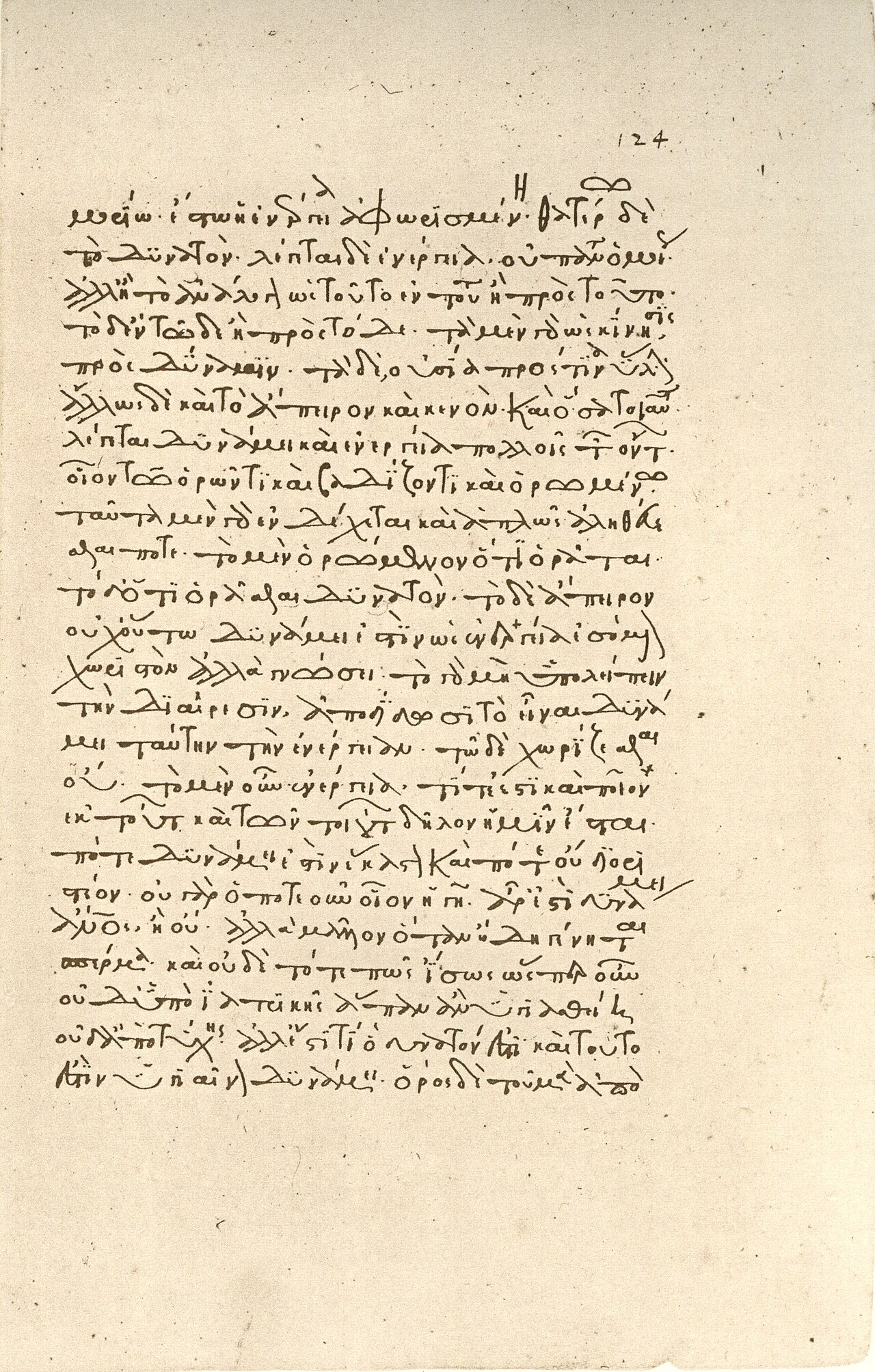 Book
Secondary source
Metaphysics
Aristotle · c. 400 BCE
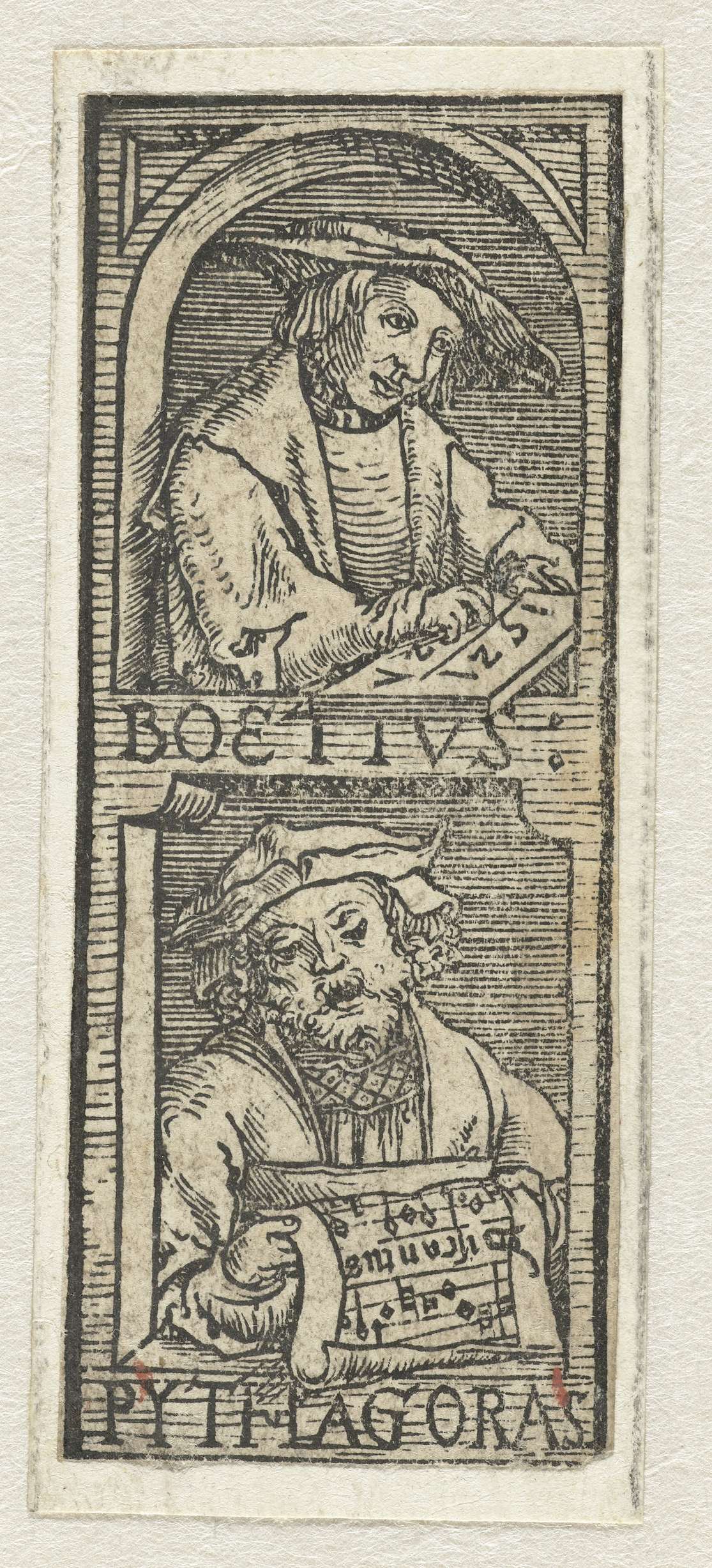 Painting
Secondary source
Boethius and Pythagoras
1521
Ready when you are
Start chatting with Pythagoras now.
20 messages free · No credit card · Available in 50+ languages.