


Primary sourcePainting14th century BCE
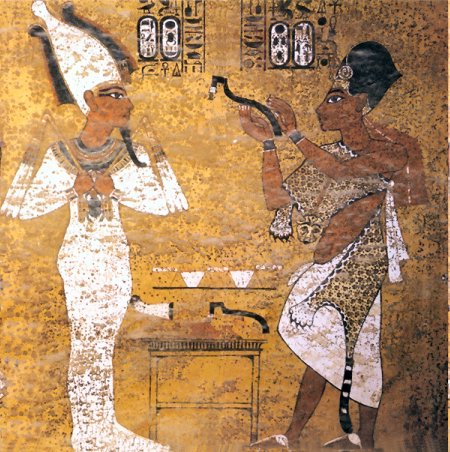
Opening of the Mouth: Tutankhamun and Ay
Ancient Egyptian artist · 14th century BCE
A wall painting from Tutankhamun's tomb showing his successor Ay performing the Opening of the Mouth ceremony on the dead king.
The painting shows the ritual performed on Tutankhamun's own mummy to prepare him for the afterlife.
About this source
What it is
This ancient Egyptian wall painting decorates the burial chamber of Tutankhamun's tomb, KV62, in the Valley of the Kings. It shows Ay, who became the next pharaoh, performing the Opening of the Mouth ceremony on Tutankhamun.
The painting depicts Ay in leopard-spotted ceremonial dress holding an adze-like tool toward Tutankhamun, with offerings nearby and hieroglyphs identifying the ritual.
Why it matters
This ritual was believed to restore the senses to the dead so they could live in the afterlife. By performing it himself, Ay visually asserted his role as Tutankhamun's rightful successor, which helped justify his own claim to the throne.
Look closer
- Why might Ay have wanted to be shown performing this ceremony rather than someone else?
- What does the costume and equipment tell you about how important this ritual was?
- What does this painting suggest about how power passed from one king to the next?
This painting is part of the curated material that grounds the AI version of Tutankhamun on Humy.ai — when students ask about related events, the AI can quote it and cite it.
More Tutankhamun sources
Meet the AI Tutankhamun →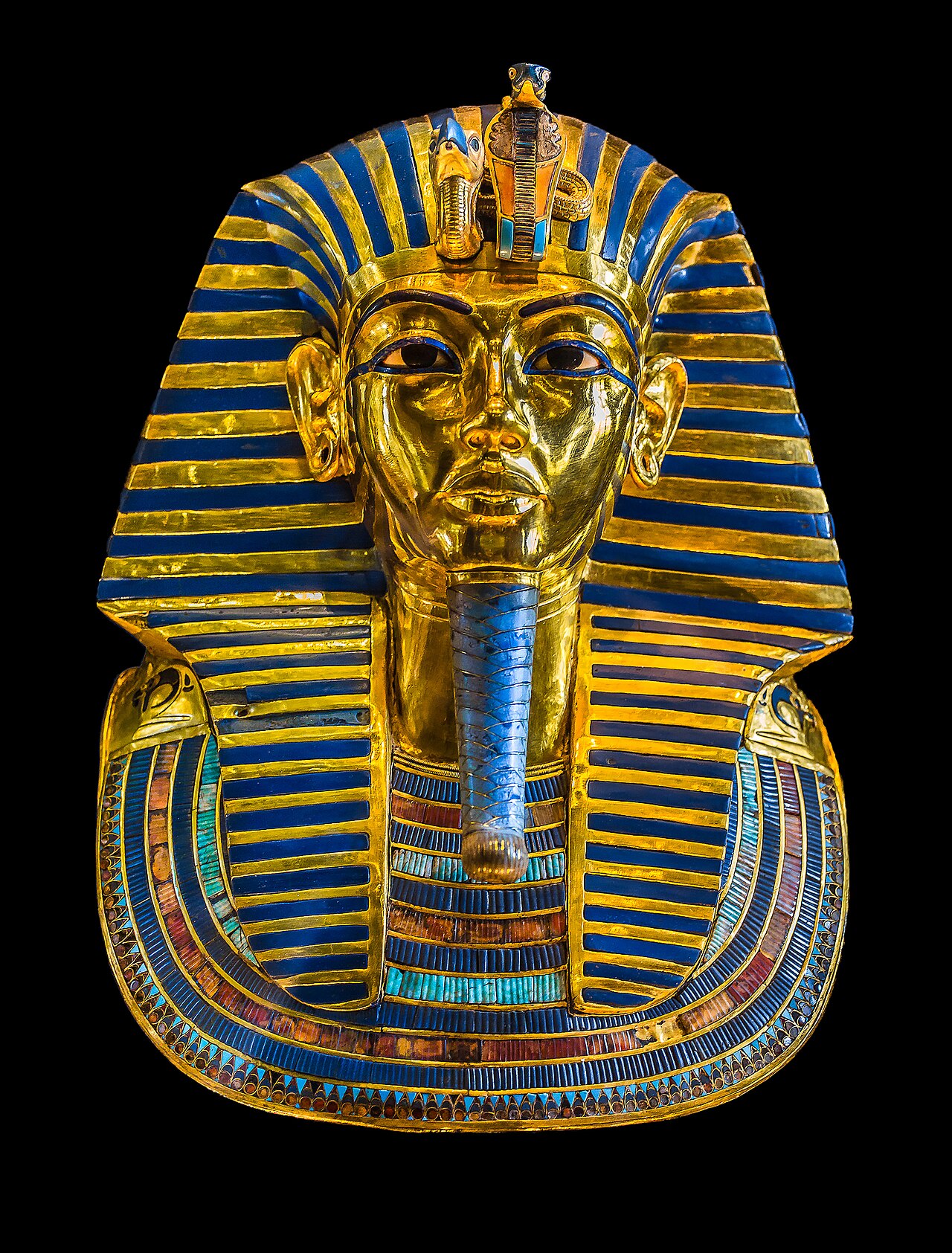 Artifact
Primary source
Mask of Tutankhamun
c. 1333 BCE
 Photograph
Primary source
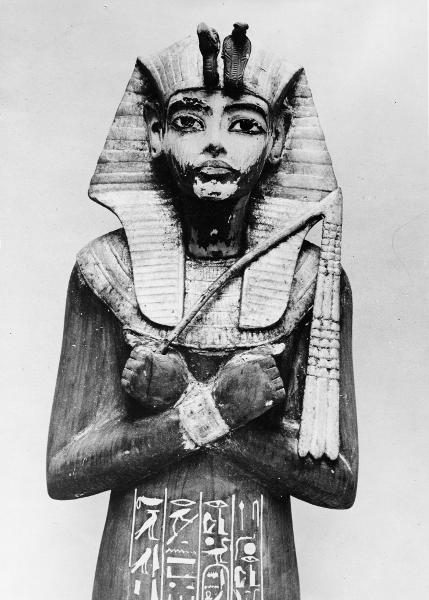
Photograph of Tutankhamun's Shawabti Figure
Harry Burton · 1920s
 Artifact
Primary source
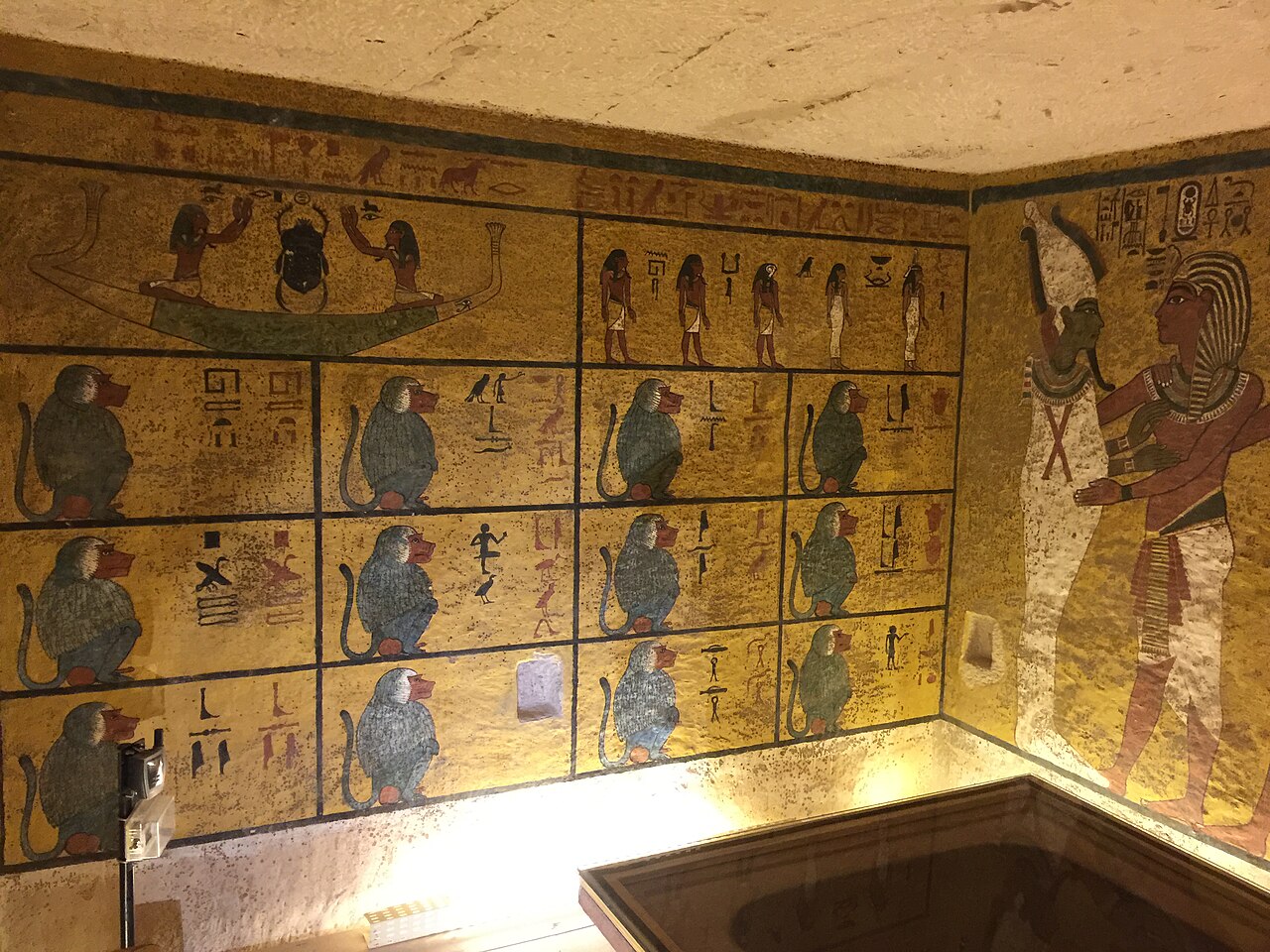
Tomb of Tutankhamun
14th century BCE
 Photograph
Primary source
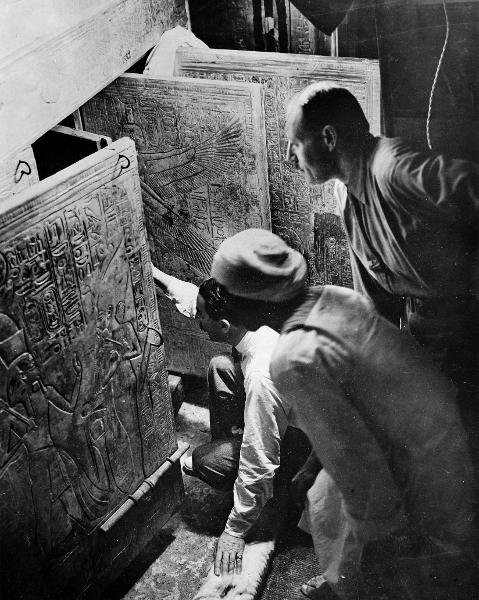
Opening the Doors of the Fourth Shrine in Tutankhamun's Tomb
Harry Burton · 1920s
 Document
Primary source
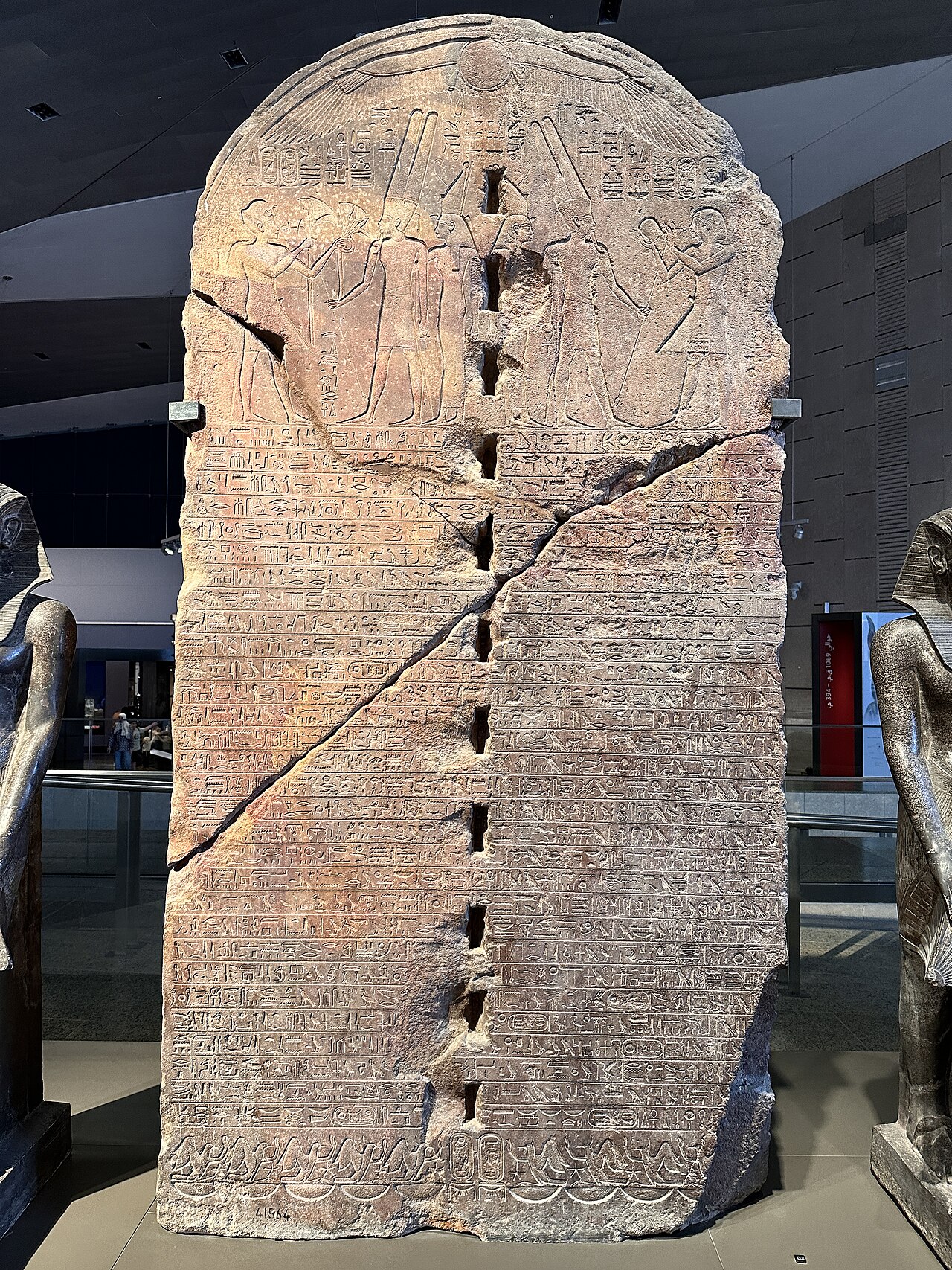
Restoration Stela
Tutankhamun · c. 1326 BCE
Ready when you are
Start chatting with Tutankhamun now.
20 messages free · No credit card · Available in 50+ languages.