


Primary sourceArtifactc. 1330 BCE
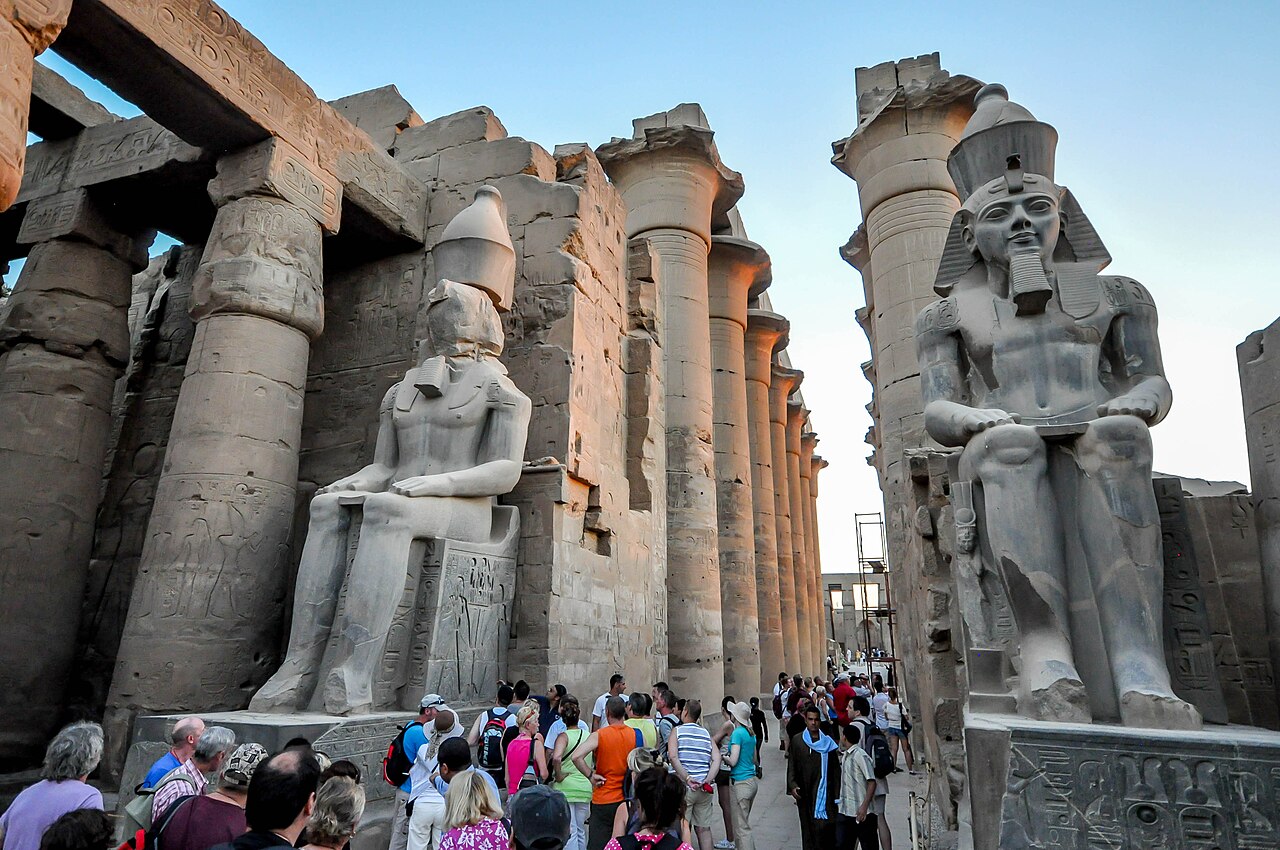
Opet Festival Reliefs, Colonnade of Luxor Temple
c. 1330 BCE
Carved relief scenes on the colonnade of Luxor Temple, decorated under Tutankhamun to show the Opet Festival procession.
Tutankhamun commissioned these reliefs celebrating the Opet Festival and the restoration of traditional religion.
About this source
What it is
This is the entrance colonnade of Luxor Temple, begun under Amenhotep III and completed with decoration during the reign of Tutankhamun, around 1330 BCE. The reliefs depict the Opet Festival procession and bear the names of several pharaohs, including Tutankhamun, Horemheb, Seti I, Rameses II, and Seti II.
Why it matters
The scenes show the king, nobles, and ordinary people taking part in a grand religious procession celebrating the god Amun, marking a return to traditional Theban religion after the unconventional reign of Akhenaten. Later, Horemheb erased Tutankhamun's name from parts of the colonnade and replaced it with his own, revealing how rulers rewrote history to claim credit for earlier work.
Look closer
- What figures and activities can you spot in the procession scenes?
- Why might Horemheb have wanted to erase Tutankhamun's name here?
- What does this building tell us about religion and power in ancient Egypt?
This artifact is part of the curated material that grounds the AI version of Tutankhamun on Humy.ai — when students ask about related events, the AI can quote it and cite it.
More Tutankhamun sources
Meet the AI Tutankhamun →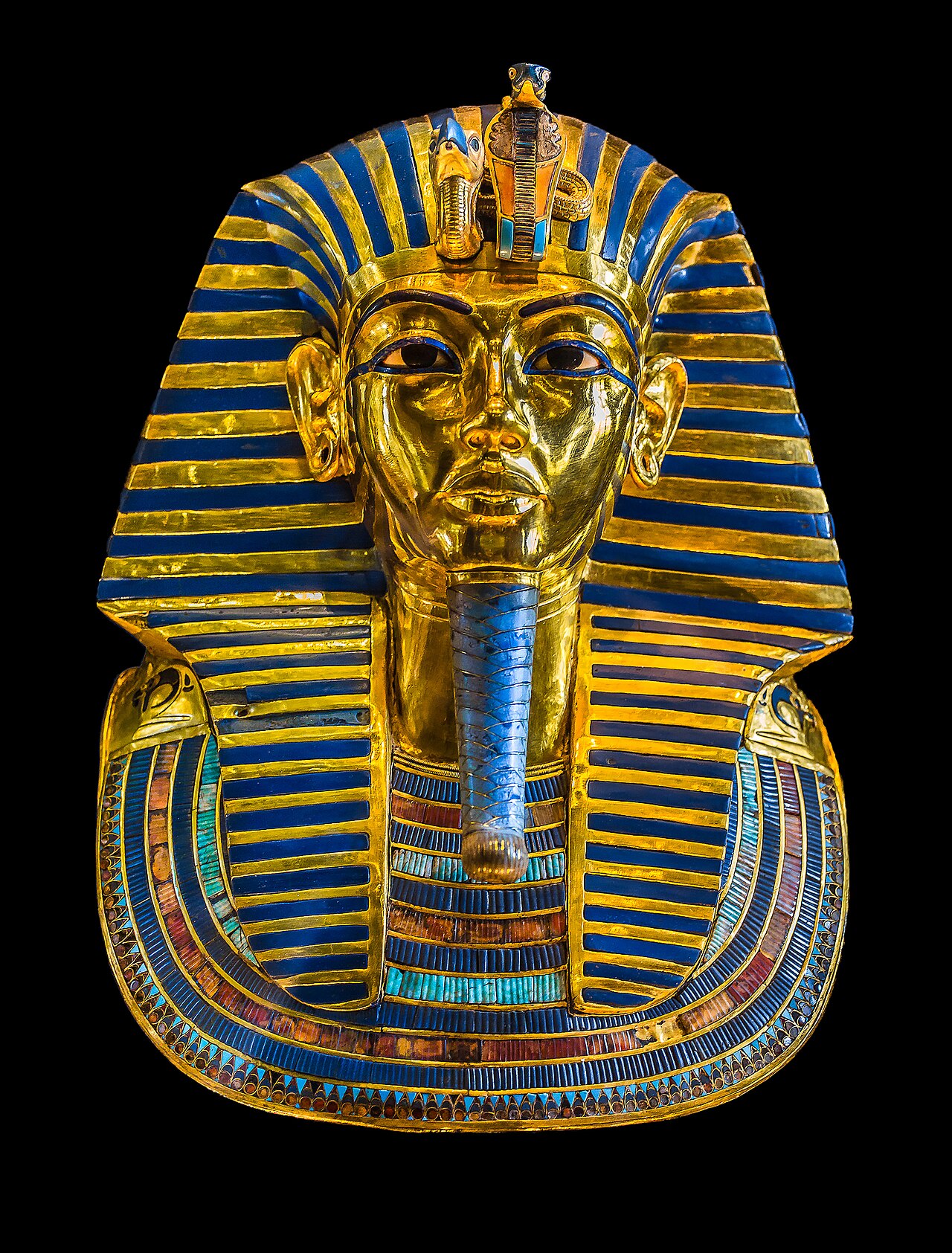 Artifact
Primary source
Mask of Tutankhamun
c. 1333 BCE
 Photograph
Primary source
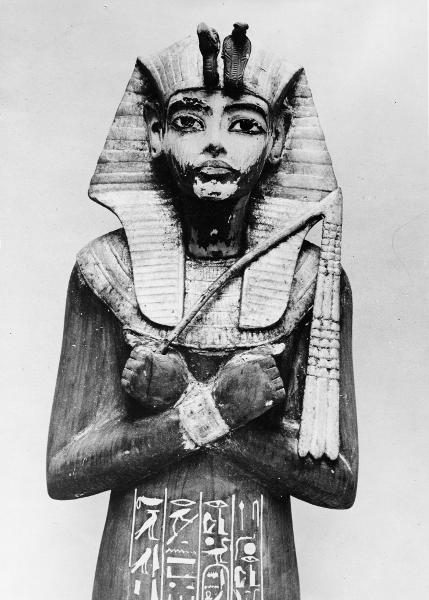
Photograph of Tutankhamun's Shawabti Figure
Harry Burton · 1920s
 Artifact
Primary source
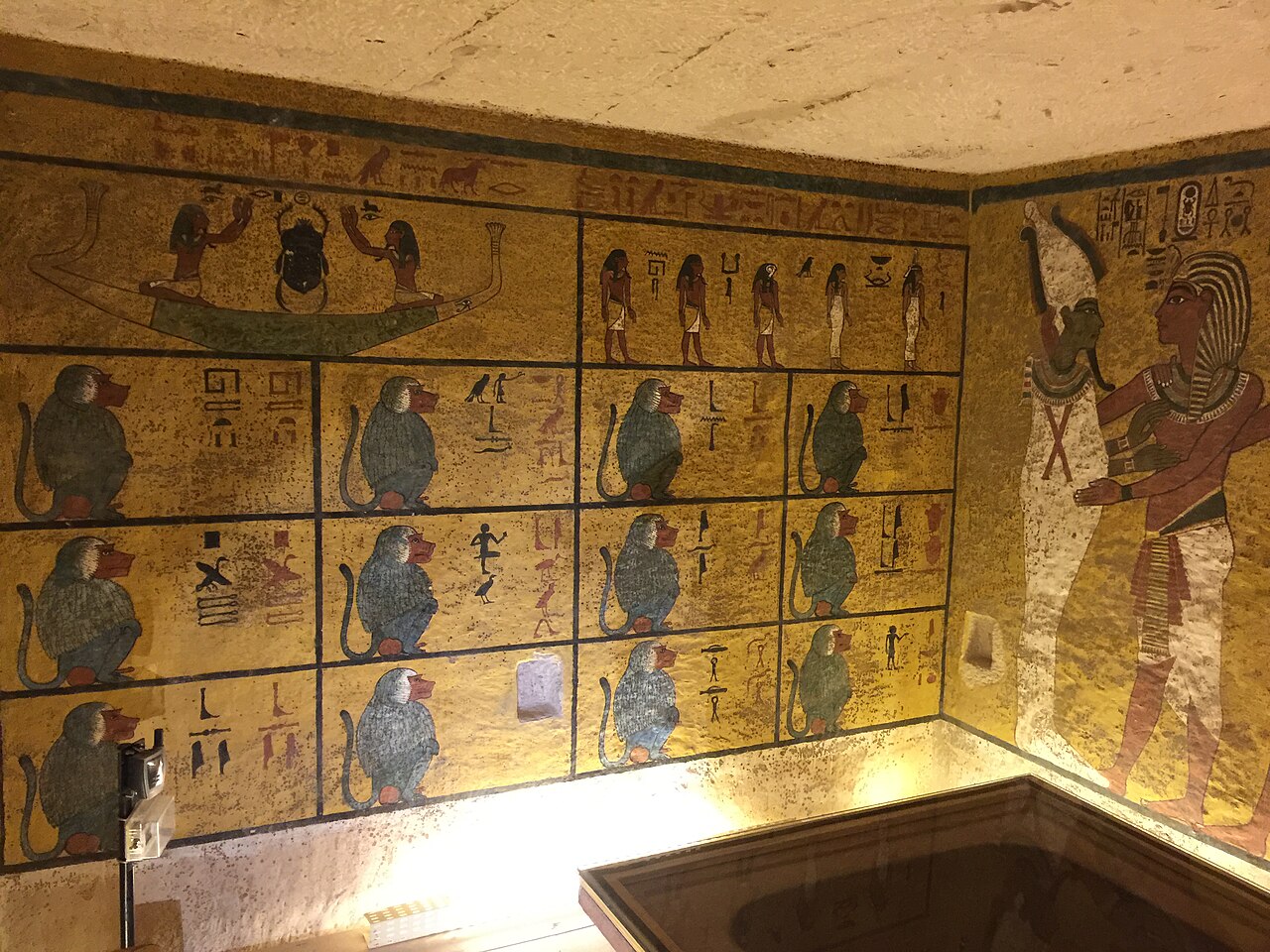
Tomb of Tutankhamun
14th century BCE
 Photograph
Primary source
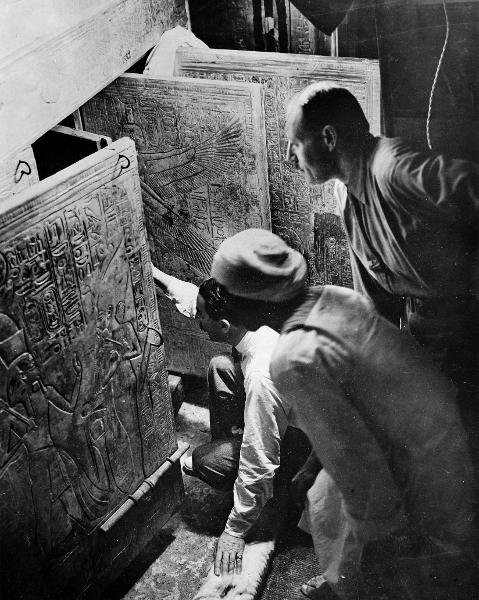
Opening the Doors of the Fourth Shrine in Tutankhamun's Tomb
Harry Burton · 1920s
 Document
Primary source
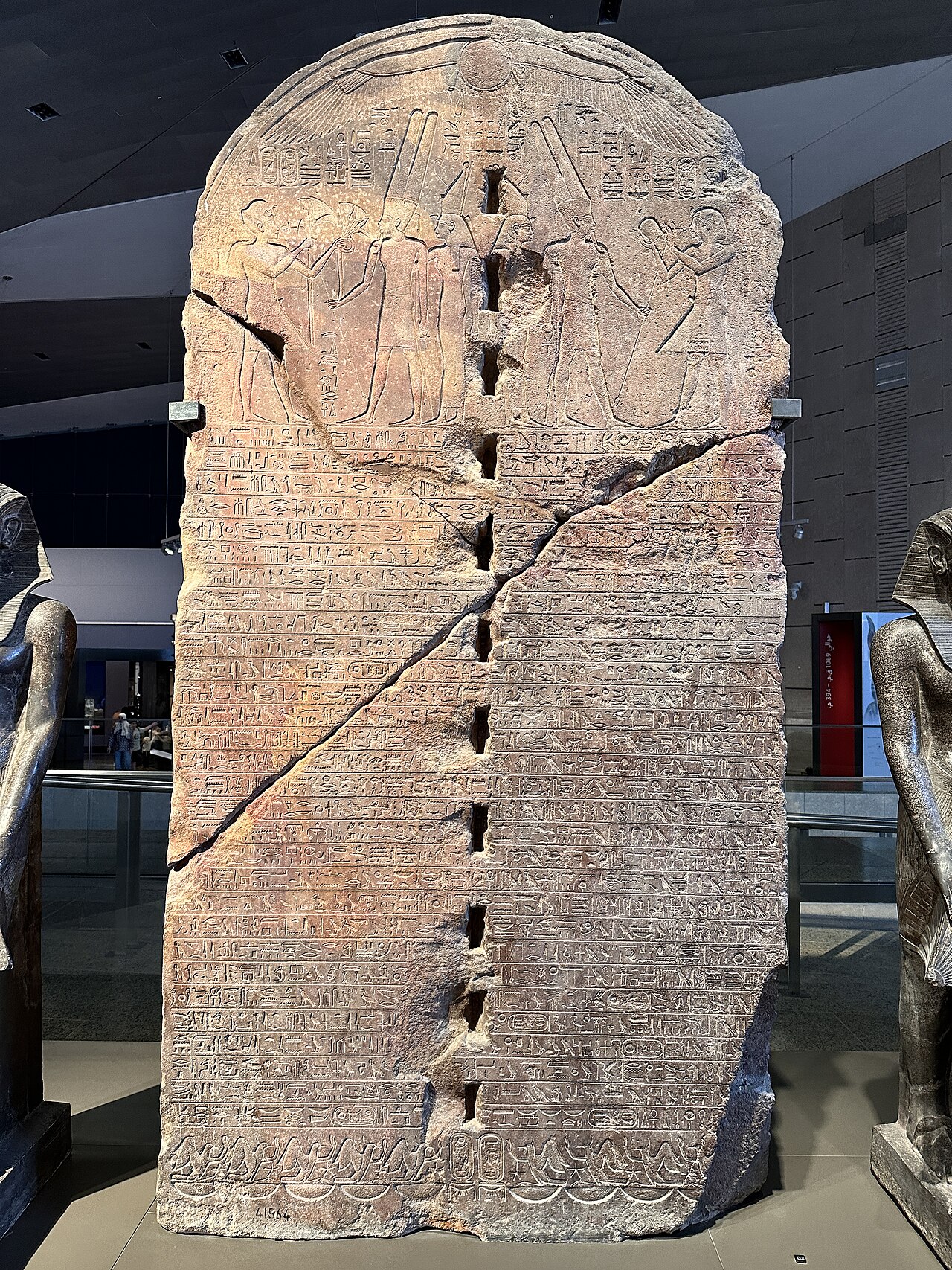
Restoration Stela
Tutankhamun · c. 1326 BCE
Ready when you are
Start chatting with Tutankhamun now.
20 messages free · No credit card · Available in 50+ languages.