


Primary sourceSculpturec. 1340 BCE
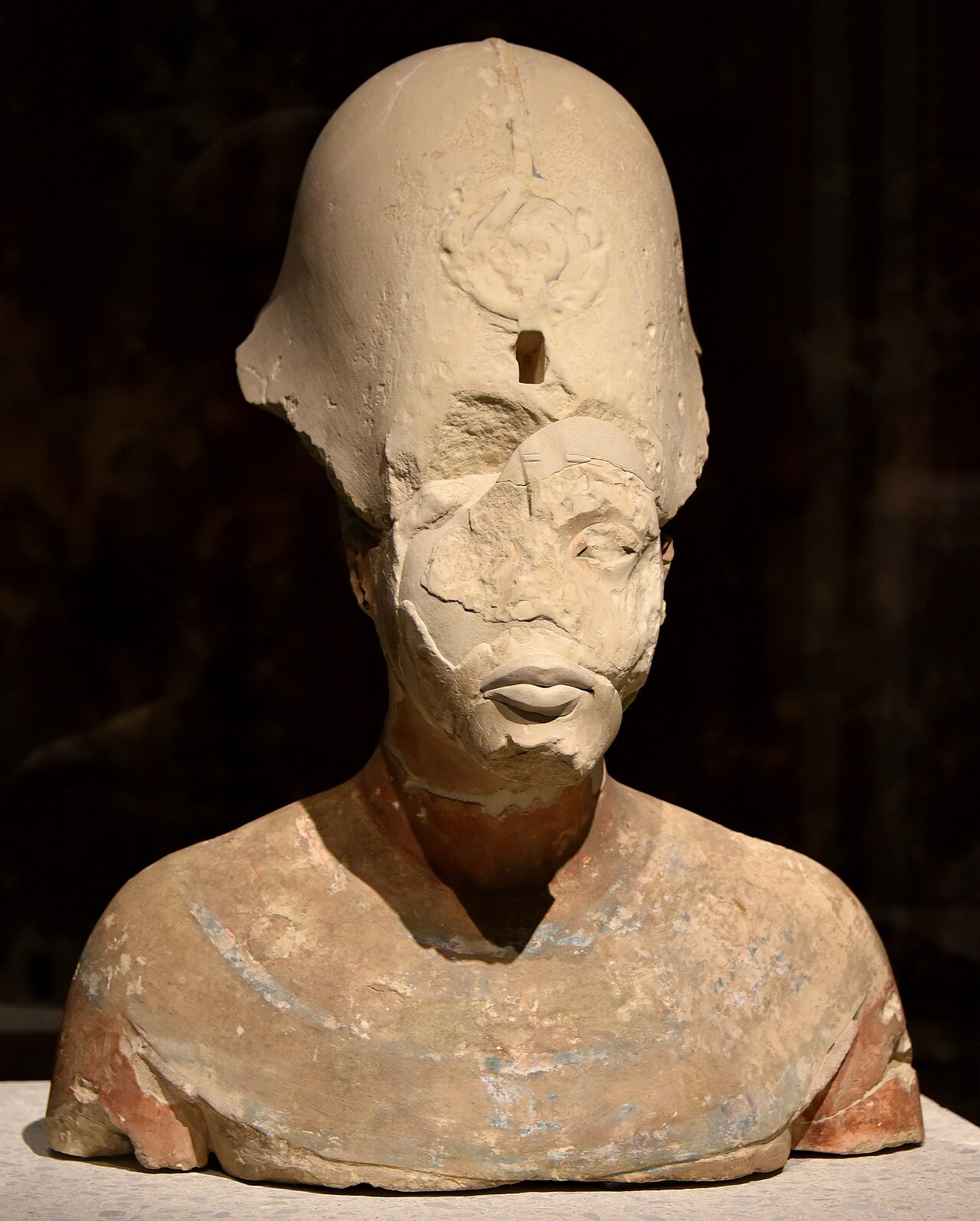
Painted and Gilded Limestone Bust of Akhenaten
c. 1340 BCE
A painted limestone bust of Akhenaten from Amarna, with a battered face, showing traces of original paint.
This battered bust is a surviving royal portrait of Akhenaten found in a private house at Amarna.
About this source
What it is
This is a painted and gilded limestone bust of Akhenaten, found in a house at Amarna, dating to the New Kingdom's 18th Dynasty. The face is heavily damaged, but traces of blue and red paint remain on the crown and shoulders.
Why it matters
Even damaged, this bust is a major example of royal portraiture from Akhenaten's reign, when Egyptian art changed its usual style to show the king and his family in a new way. The fact that it comes from a private house, not a temple or tomb, shows how royal images reached into everyday life.
Look closer
- What can still be seen on the bust despite the damage to the face?
- Why might the face have been deliberately damaged rather than just worn away by time?
- What does finding this bust in a house, rather than a temple, suggest about how people used royal images?
This sculpture is part of the curated material that grounds the AI version of Akhenaten on Humy.ai — when students ask about related events, the AI can quote it and cite it.
More Akhenaten sources
Browse all 99 →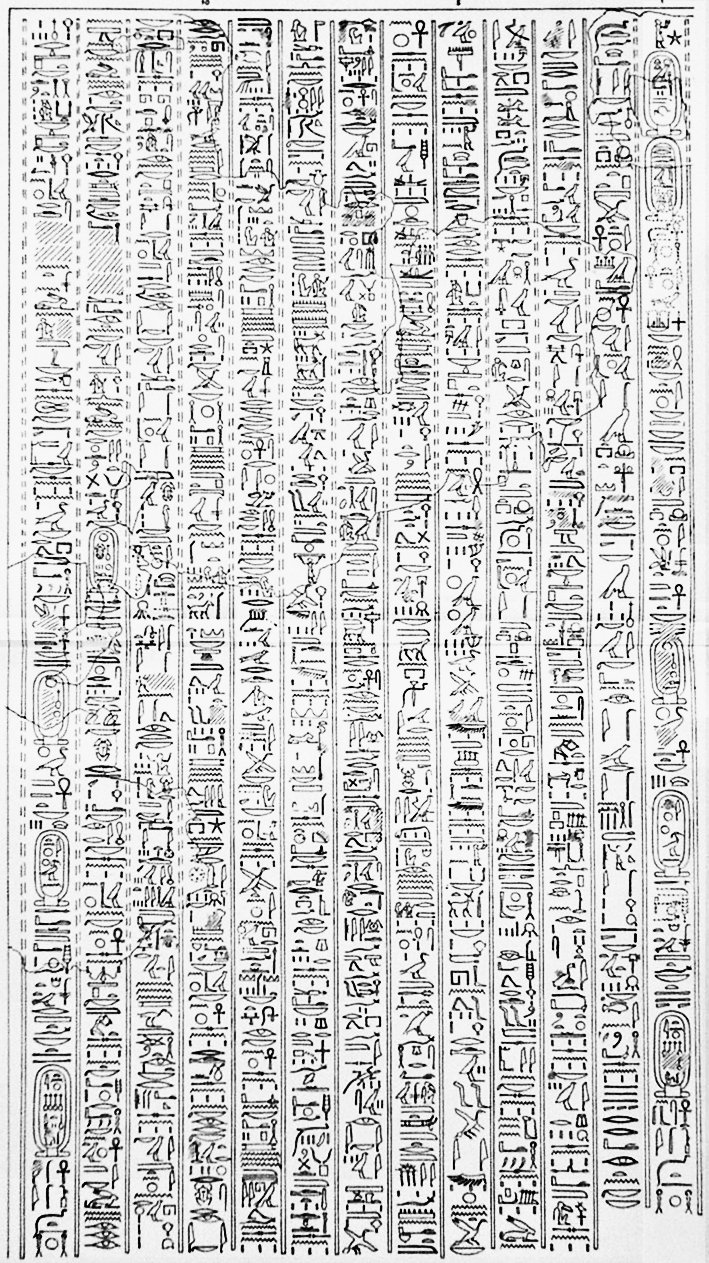 Document
Primary source
Great Hymn to the Aten
Akhenaten · c. 1350 BC
 Document
Primary source
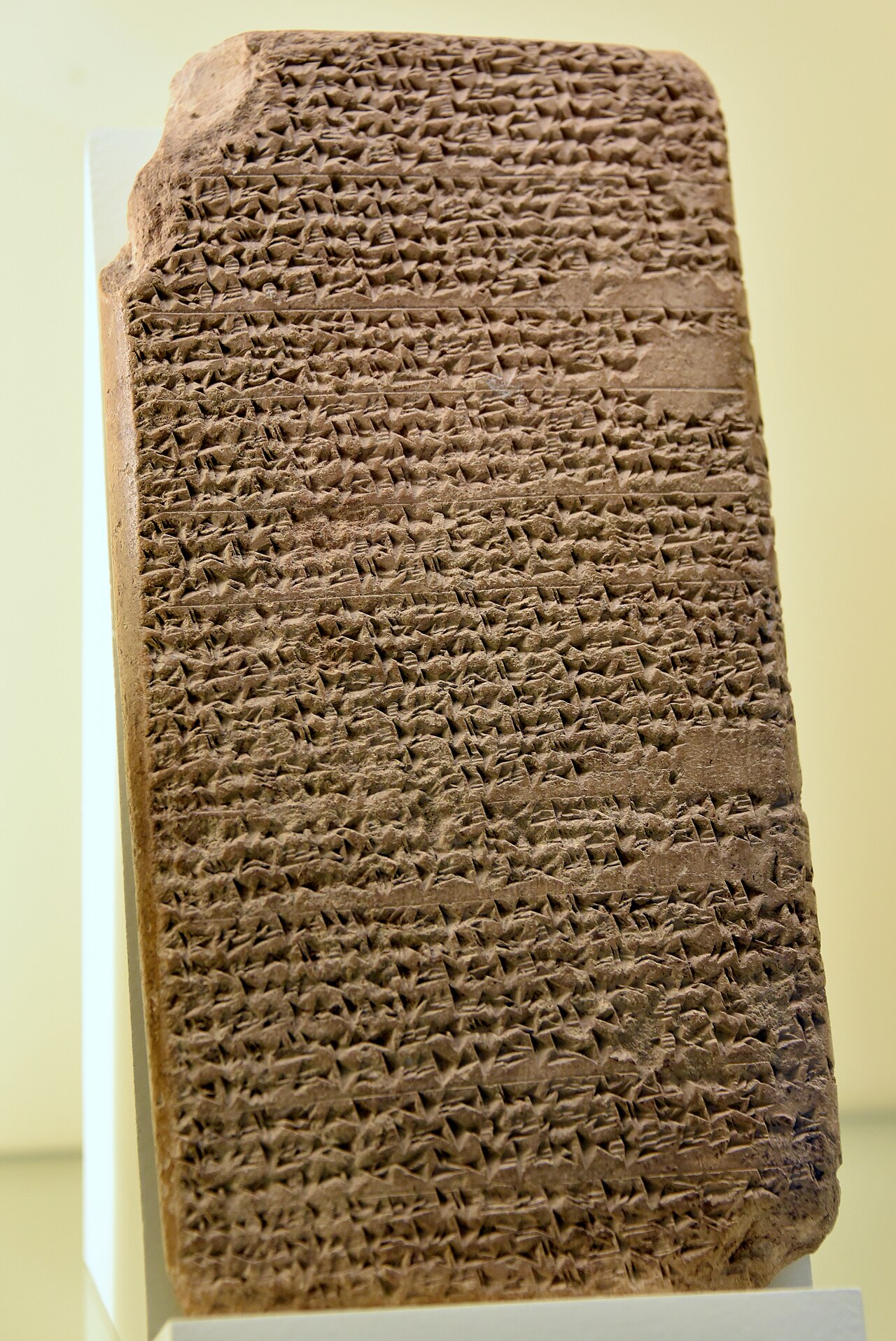
Amarna letters
Foreign rulers and vassals of Egypt; Egyptian chancery · c. 1360–1332 BCE
 Sculpture
Primary source
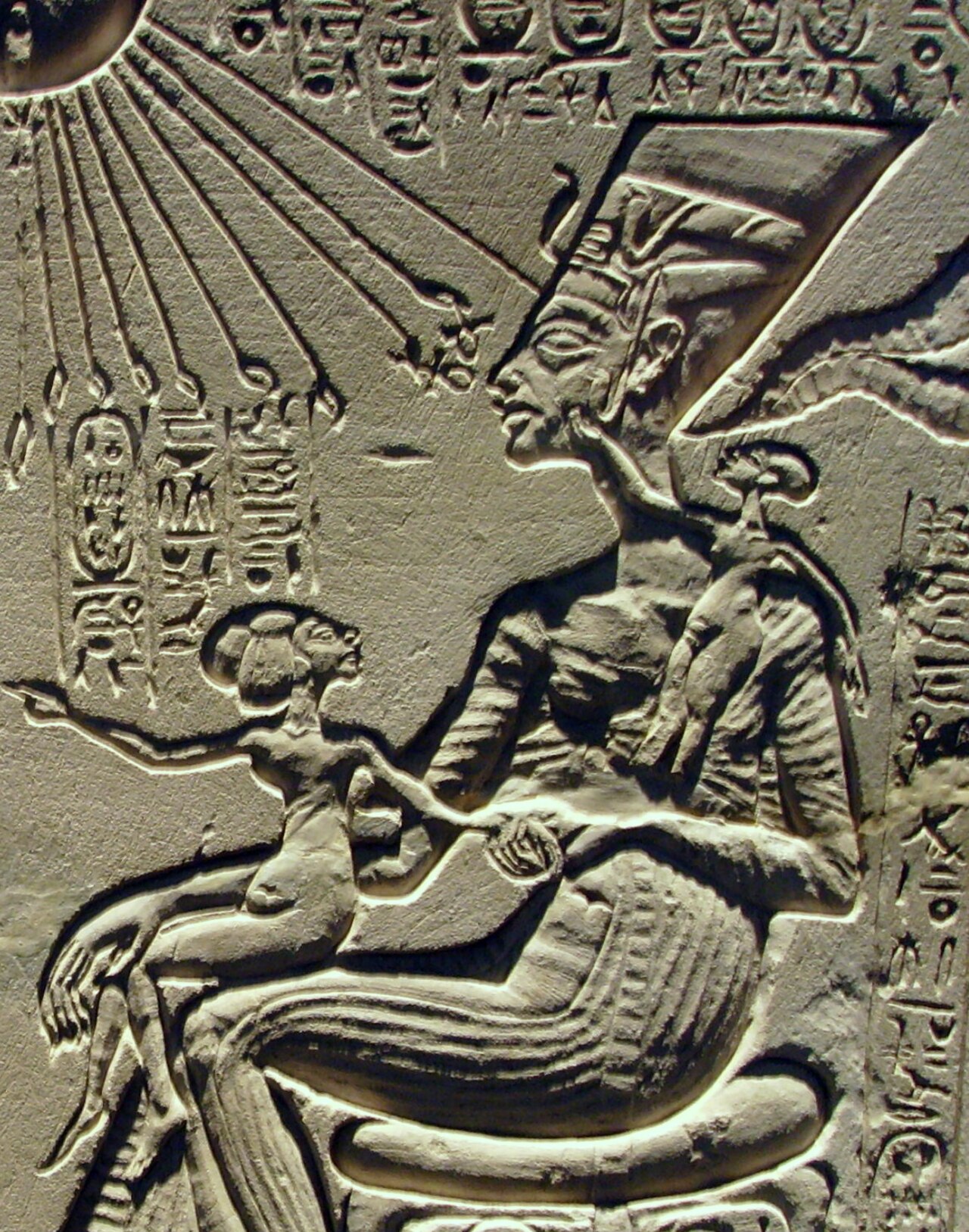
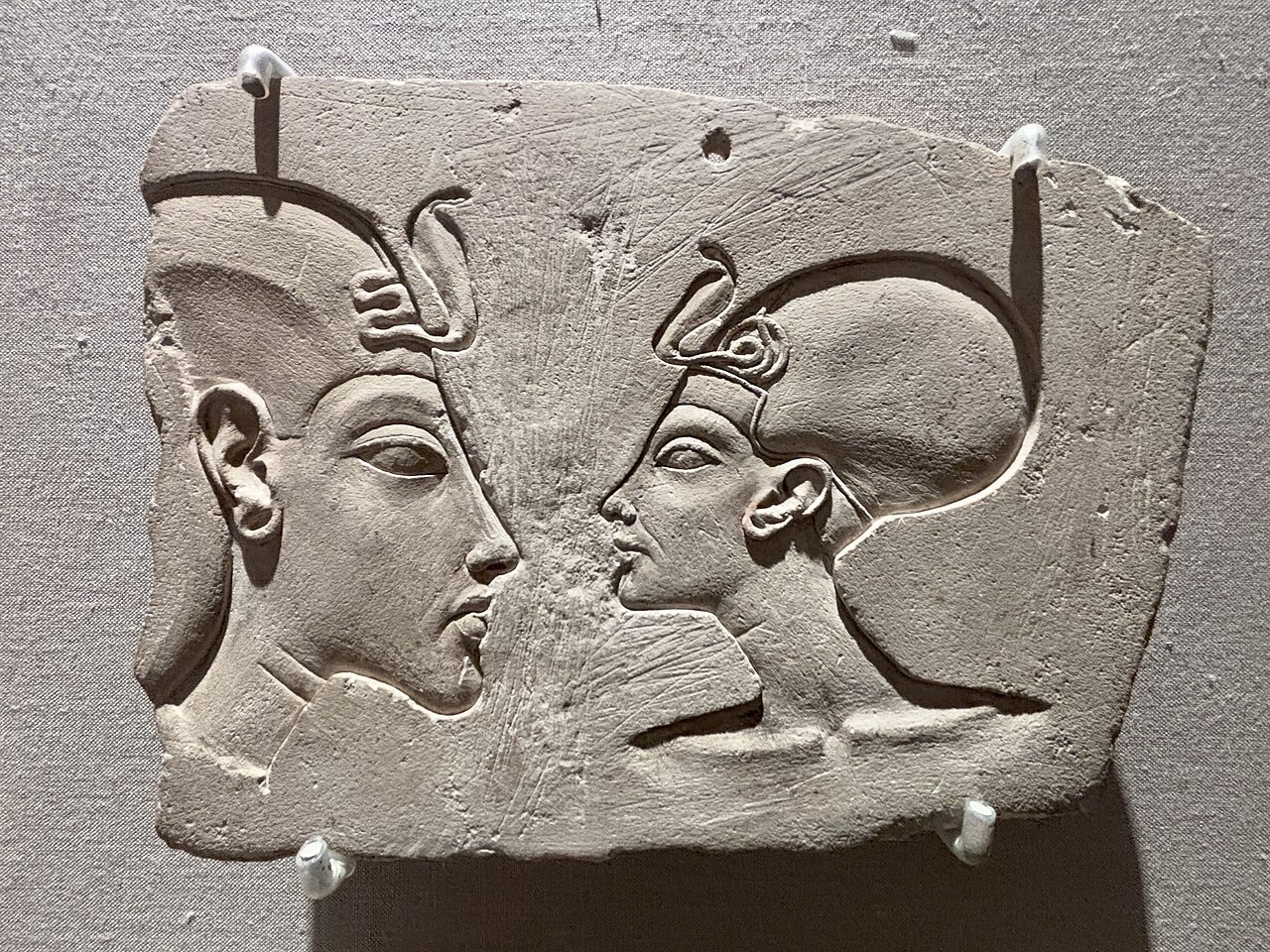
Akhenaten and His Family
c. 1352 BC
 Sculpture
Primary source
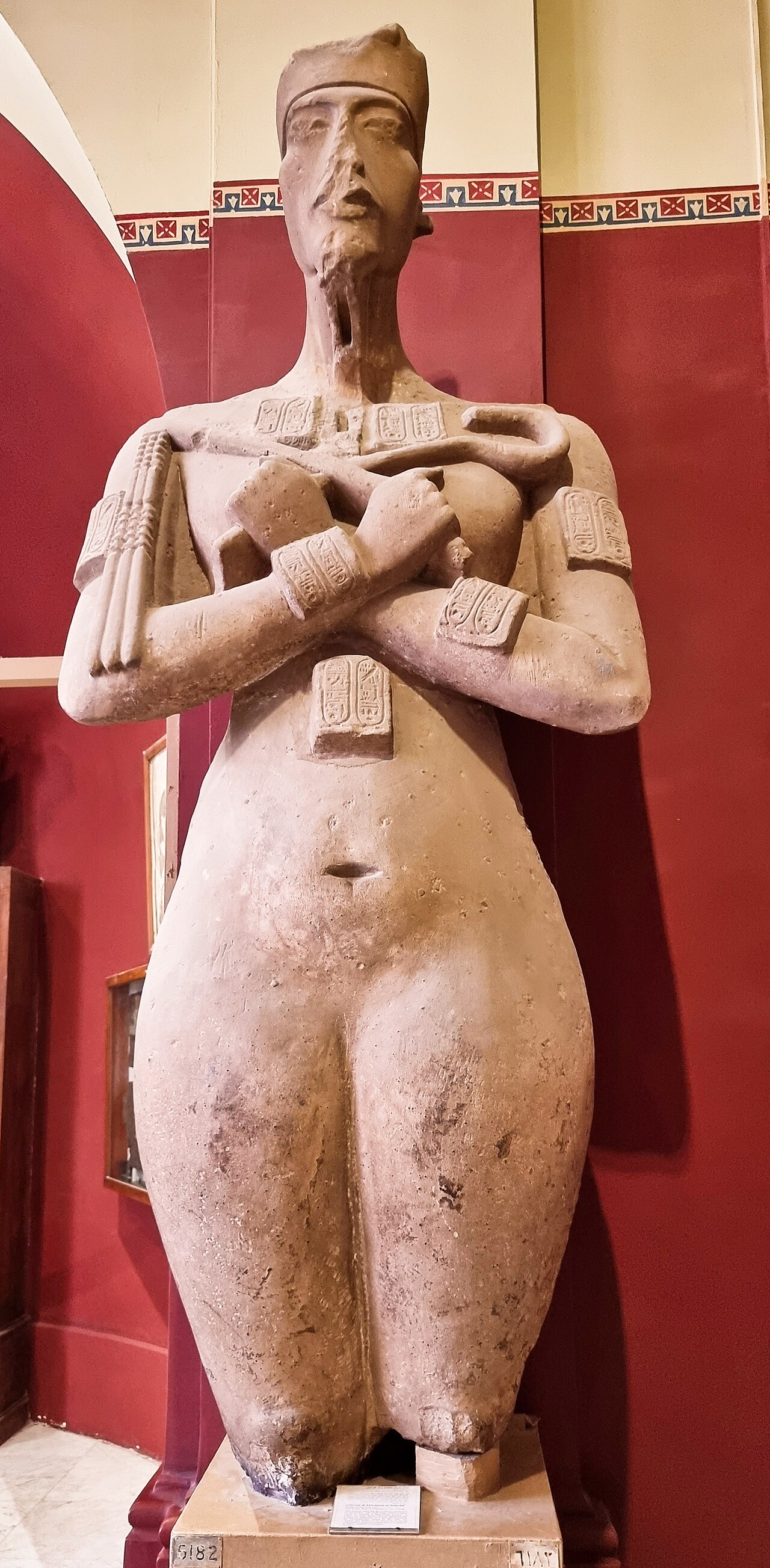
Colossal Statue of Akhenaten or Nefertiti
Free account
Read every Akhenaten source
Sign up free →
Ready when you are
Start chatting with Akhenaten now.
20 messages free · No credit card · Available in 50+ languages.