


Primary sourceArtifactc. 1330 BCE
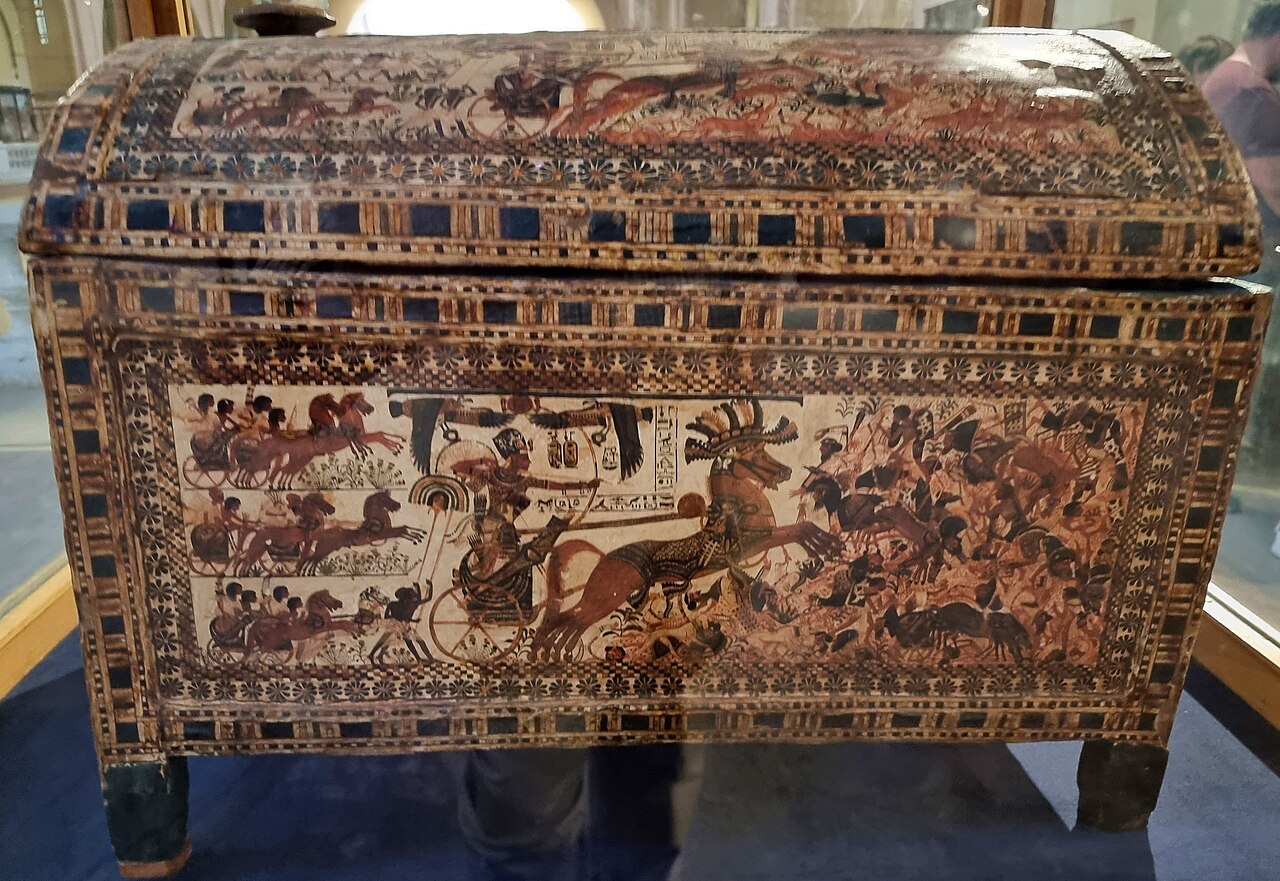
Painted Wooden Chest of Tutankhamun
c. 1330 BCE
A painted wooden chest from Tutankhamun's tomb showing him in his chariot defeating enemies, part of a set of royal battle imagery.
This chest shows Tutankhamun as a triumphant warrior-king, part of the propaganda imagery surrounding his reign.
About this source
What it is
This painted wooden chest with a domed lid comes from the tomb of Tutankhamun and dates to around 1330 BCE. Its surface shows scenes of a king in a chariot hunting or fighting, surrounded by rows of soldiers and animals, with geometric decorative borders. It is held at the Grand Egyptian Museum.
Why it matters
The chest is one of several objects from the tomb, alongside a huge quantity of archery equipment, that show Tutankhamun as a warrior defeating Nubians and Asiatics in battle. This kind of imagery was part of Egypt's classic battle-narrative art and served as royal propaganda, presenting the pharaoh as personally victorious in international conflict, whether or not he ever fought himself.
Look closer
- Why would a king who died young still be shown as a mighty warrior?
- What does the amount of archery equipment in the tomb suggest about royal image-making?
- What is the difference between what this chest shows and what we know actually happened?
This artifact is part of the curated material that grounds the AI version of Tutankhamun on Humy.ai — when students ask about related events, the AI can quote it and cite it.
More Tutankhamun sources
Meet the AI Tutankhamun →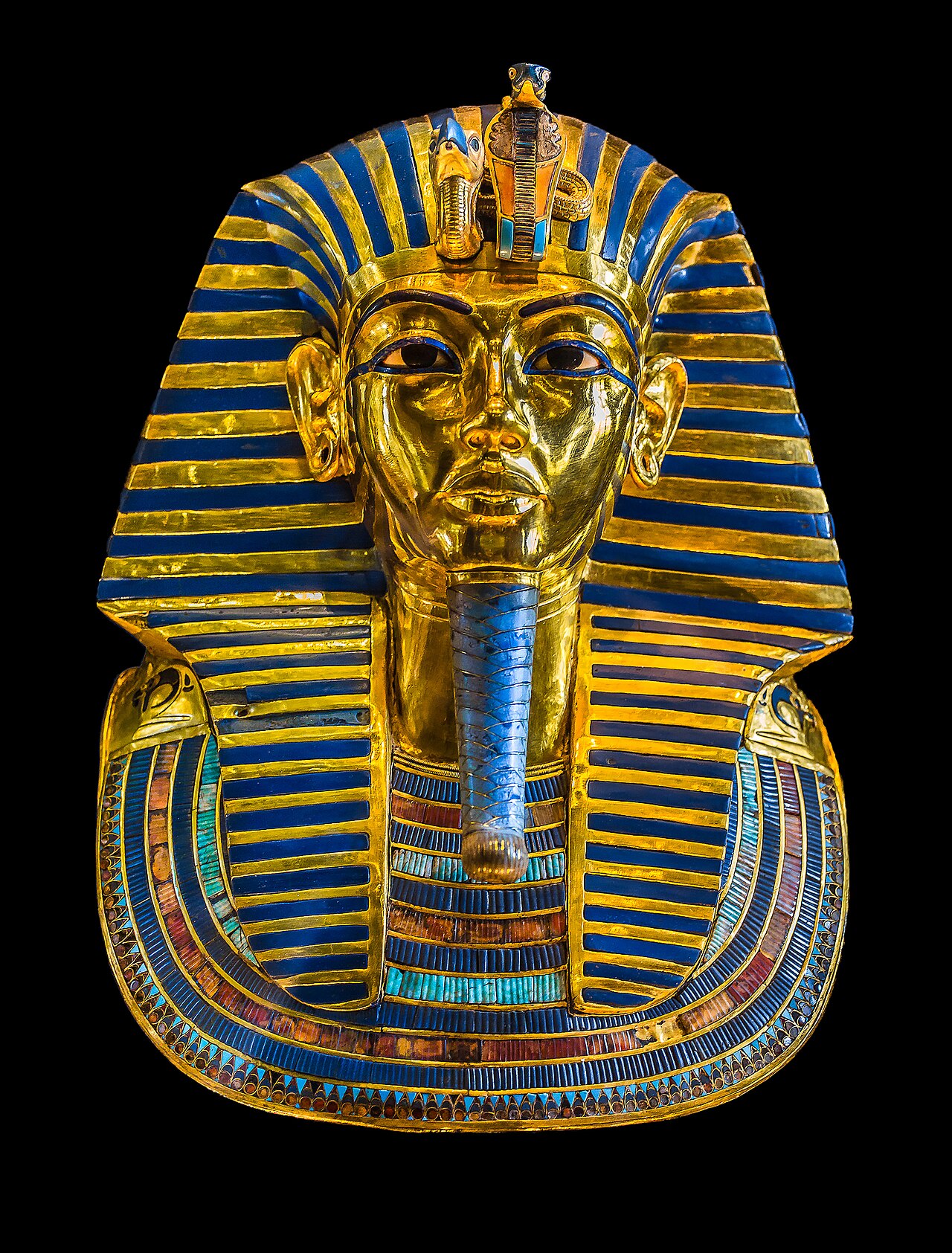 Artifact
Primary source
Mask of Tutankhamun
c. 1333 BCE
 Photograph
Primary source
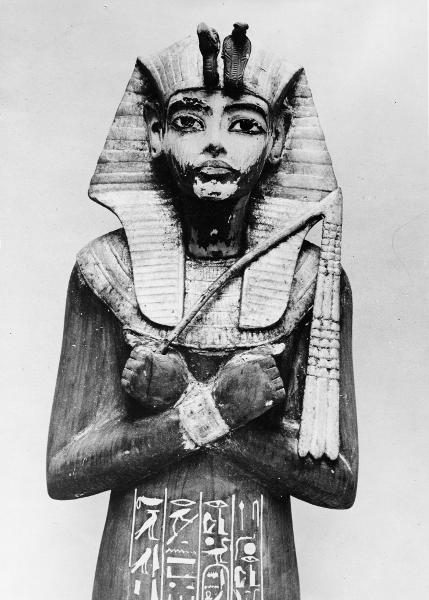
Photograph of Tutankhamun's Shawabti Figure
Harry Burton · 1920s
 Artifact
Primary source
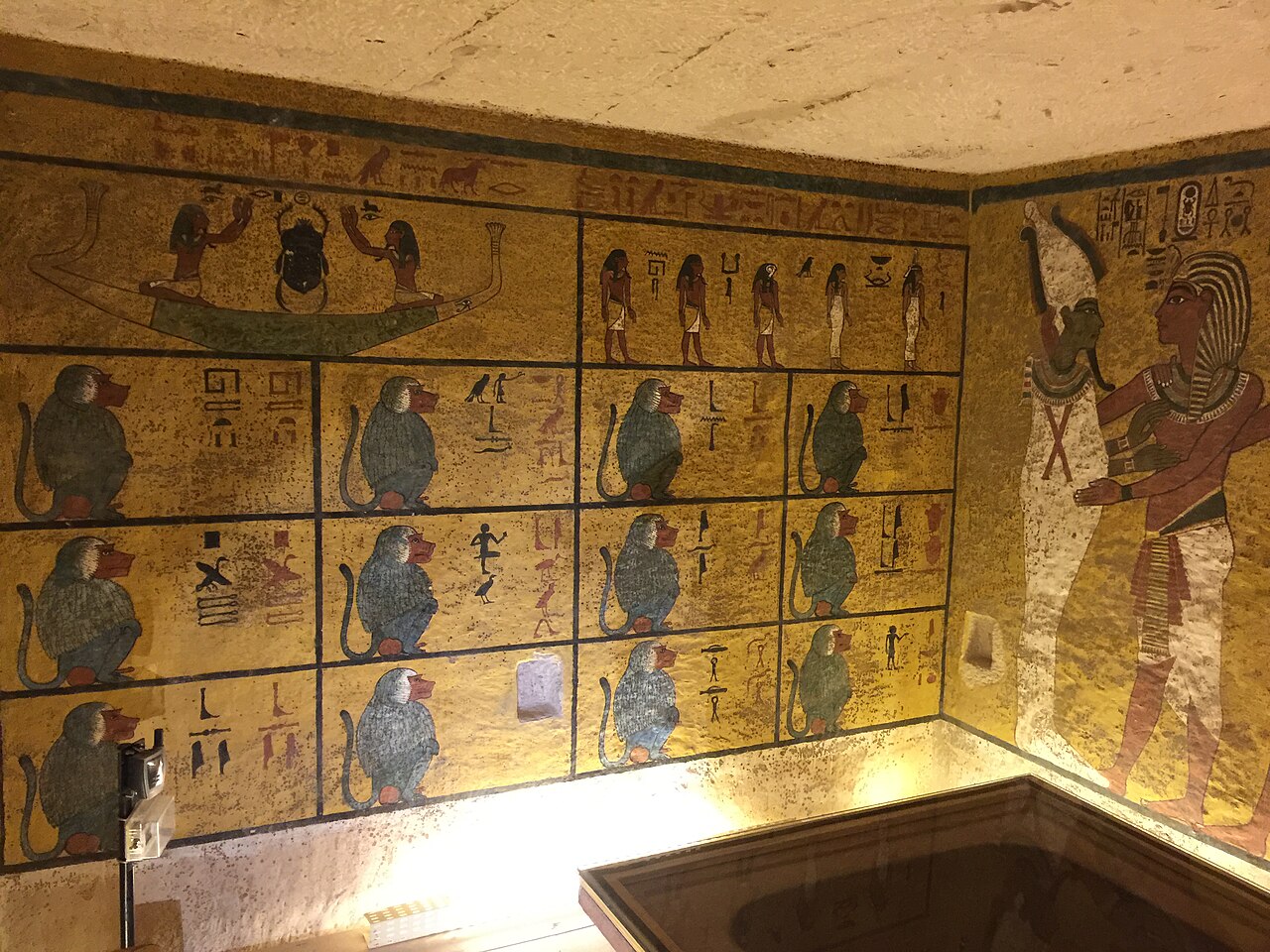
Tomb of Tutankhamun
14th century BCE
 Photograph
Primary source
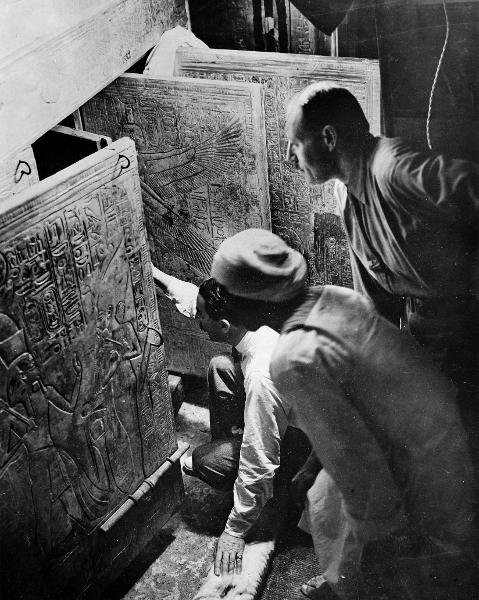
Opening the Doors of the Fourth Shrine in Tutankhamun's Tomb
Harry Burton · 1920s
 Document
Primary source
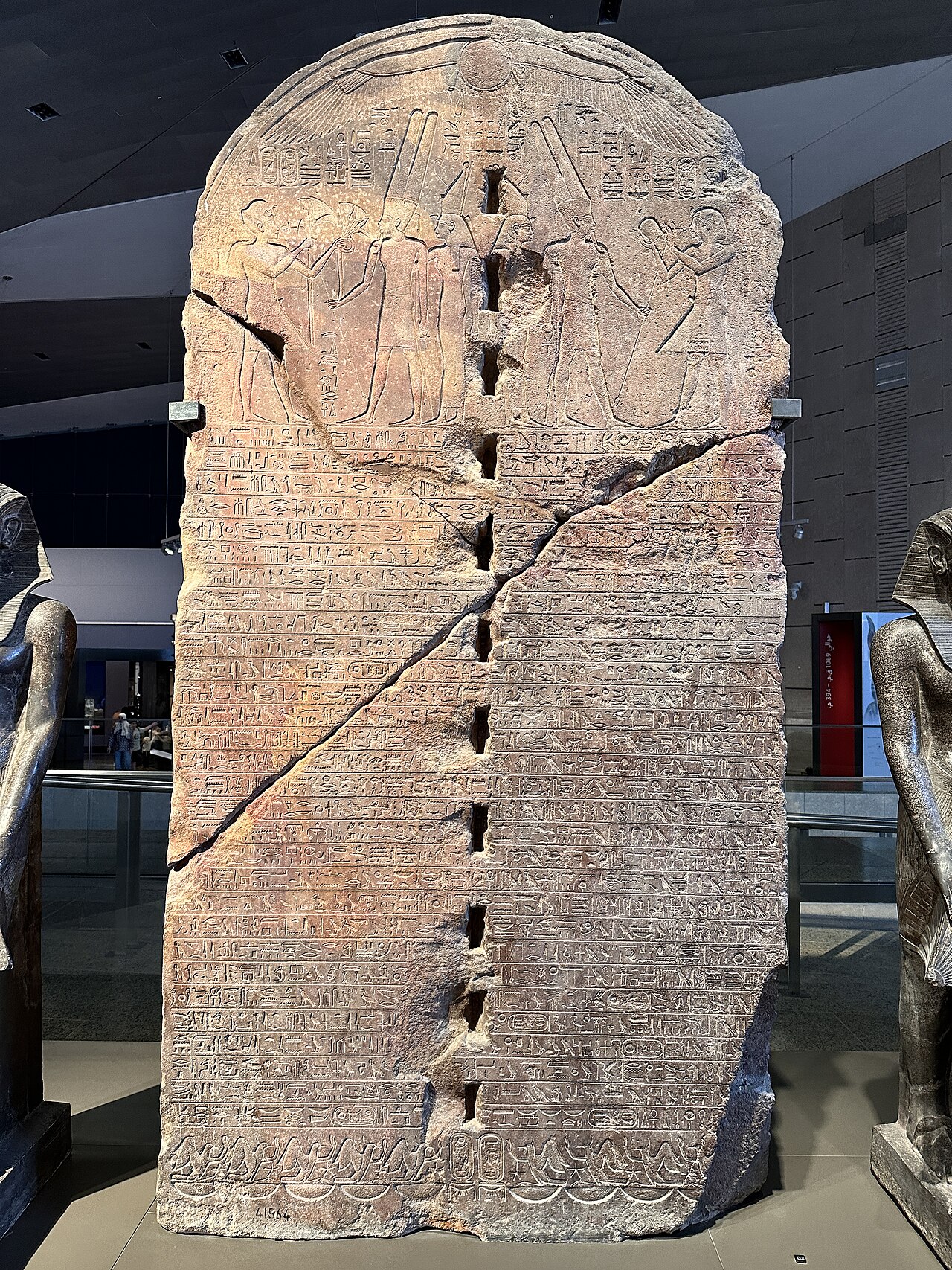
Restoration Stela
Tutankhamun · c. 1326 BCE
Ready when you are
Start chatting with Tutankhamun now.
20 messages free · No credit card · Available in 50+ languages.