


Primary sourceSculpture18th Dynasty
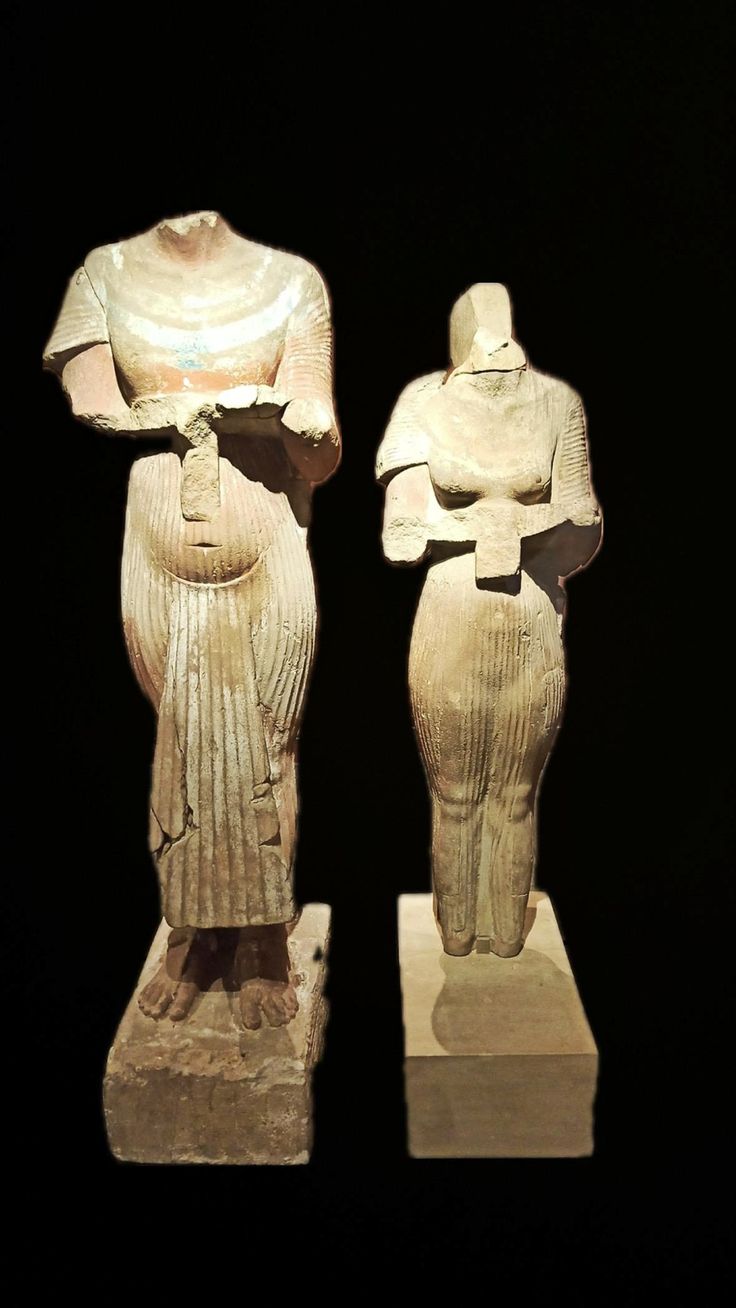
Paired Sandstone Statues of Akhenaten and Nefertiti
18th Dynasty
Two headless sandstone statues from Amarna thought to represent Akhenaten and Nefertiti together, held by the Ashmolean Museum.
The smaller of the two statues likely represents Nefertiti standing beside Akhenaten.
About this source
What it is
These are two headless sandstone statues from the 18th Dynasty, found at Tell el-Amarna, the capital city built by Akhenaten. The taller figure, wearing a kilt, is male, and the shorter figure beside him, with a sash across the chest, is female. They are now kept in the Ashmolean Museum, Oxford.
Why it matters
Paired royal statues like these were part of how Akhenaten and Nefertiti presented themselves as a ruling couple at the heart of their new religion and city. Even without their heads, the statues' poses and size show how artists depicted the pharaoh and his queen as a unit.
Look closer
- How can you tell which figure is meant to be the king and which the queen?
- What has been lost over time, and what can still be learned from what remains?
- Why might the figures have been shown standing side by side?
This sculpture is part of the curated material that grounds the AI version of Queen Nefereti on Humy.ai — when students ask about related events, the AI can quote it and cite it.
More Queen Nefereti sources
Meet the AI Queen Nefereti →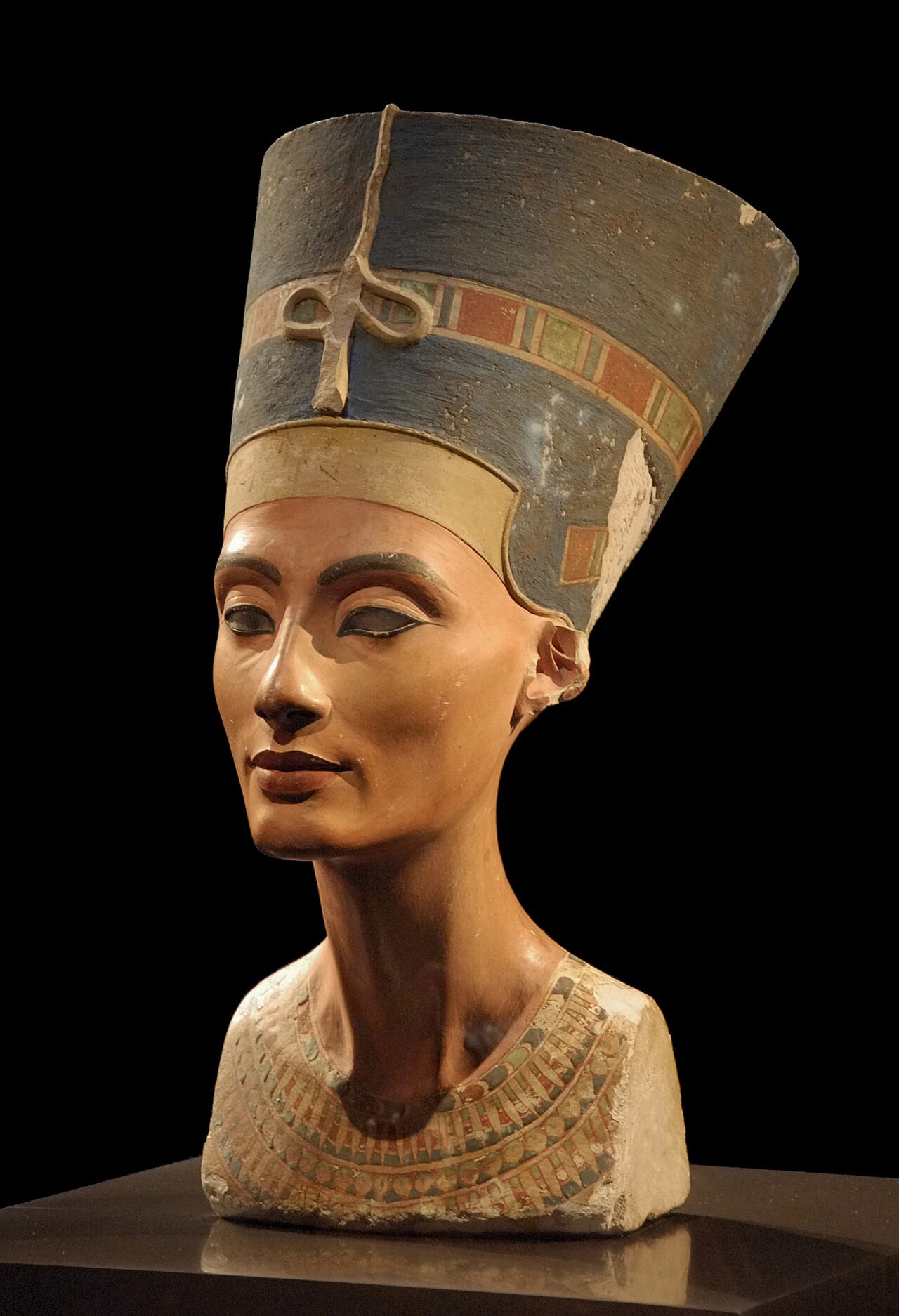 Sculpture
Primary source
Bust of Queen Nefertiti
Thutmose · c. 1345 BC
 Sculpture
Primary source
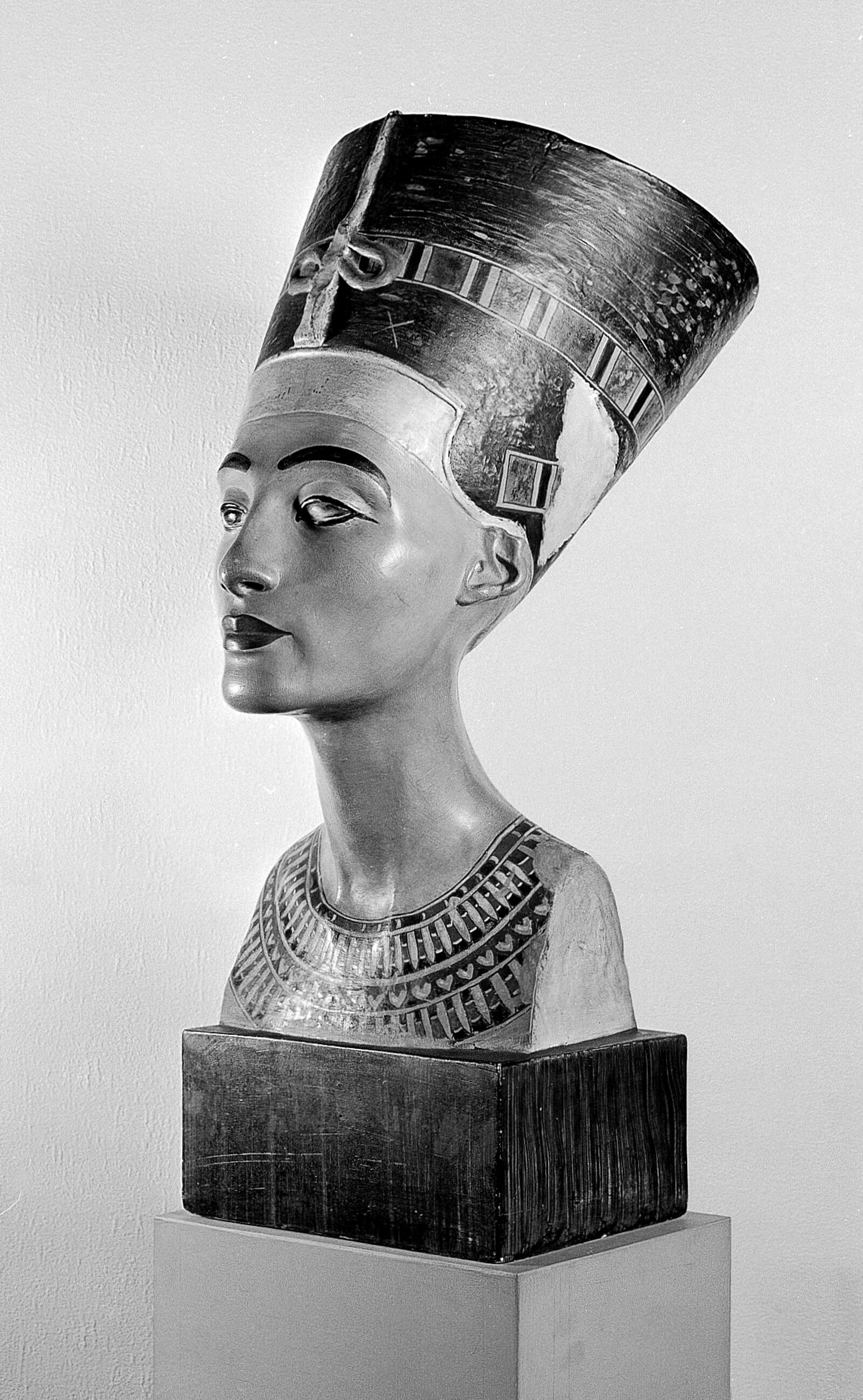
Figure of Nefertiti
 Sculpture
Primary source
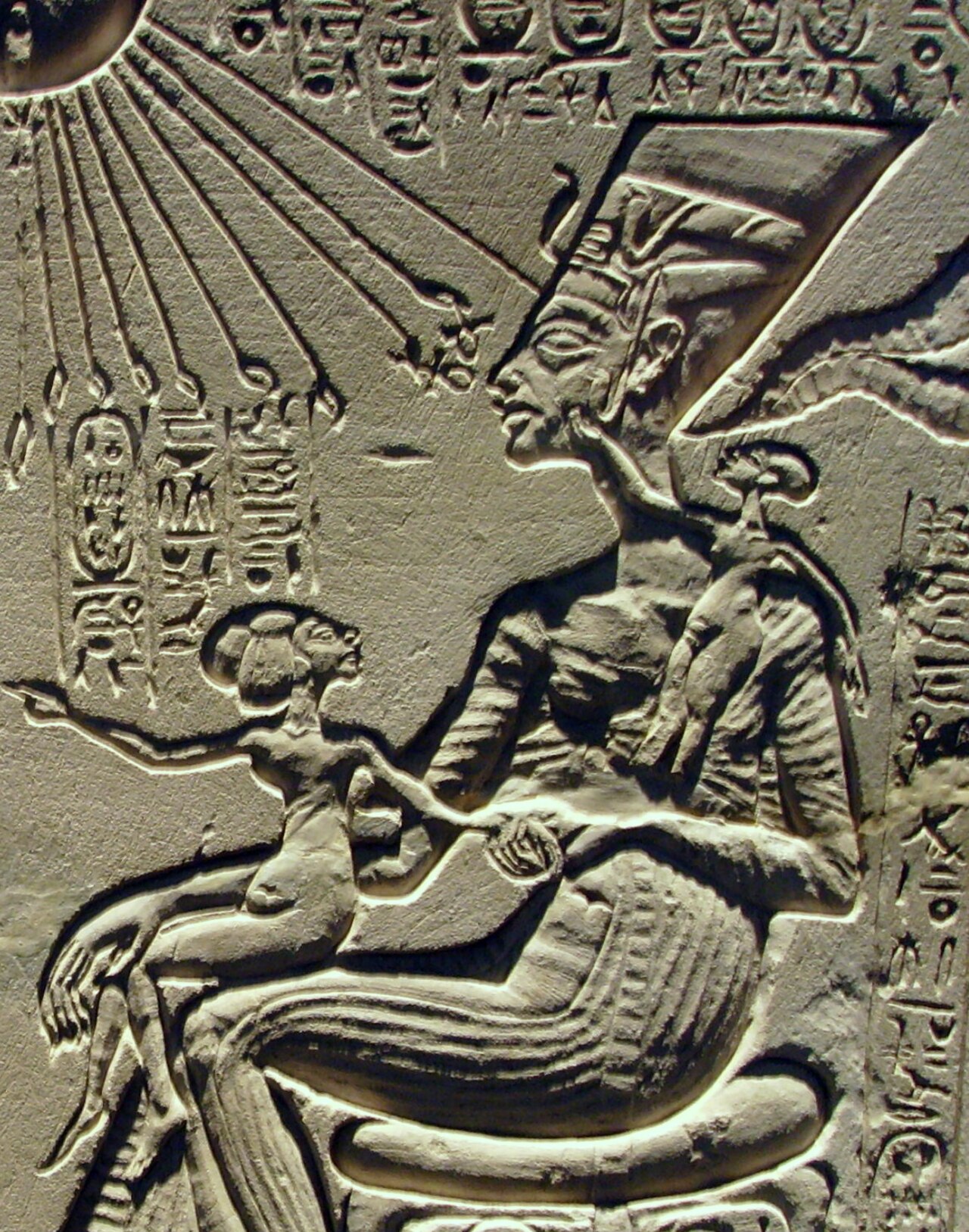
Akhenaten and His Family
c. 1352 BC
 Sculpture
Primary source
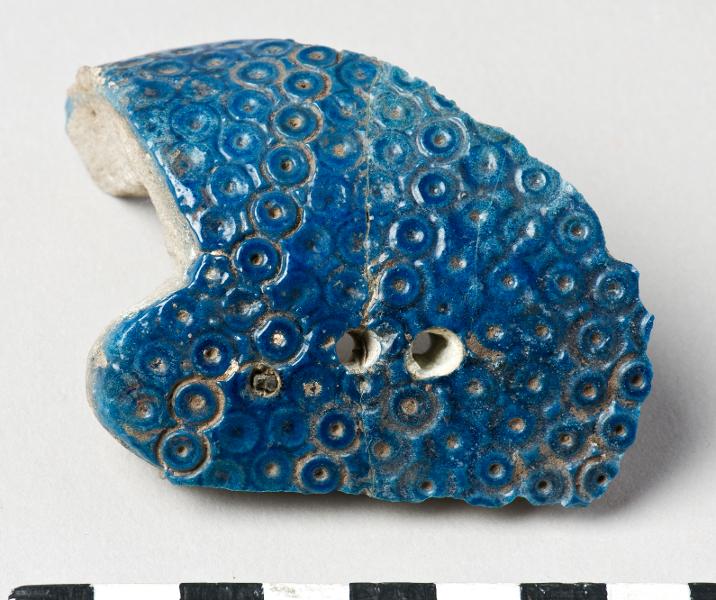
Relief Fragment Showing the Blue Crown of Nefertiti
 Document
Primary source
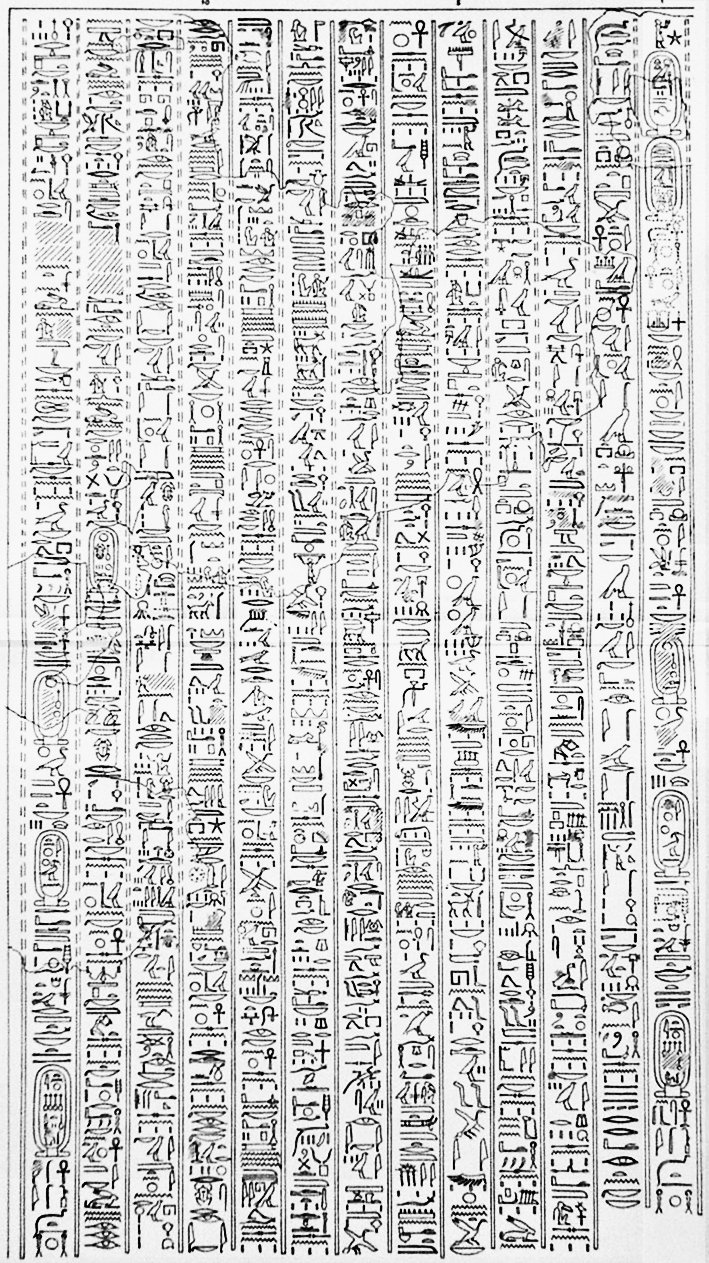
Great Hymn to the Aten
Akhenaten · c. 1350 BC
Ready when you are
Start chatting with Queen Nefereti now.
20 messages free · No credit card · Available in 50+ languages.