


Primary sourceDocumentc. 258 BCE
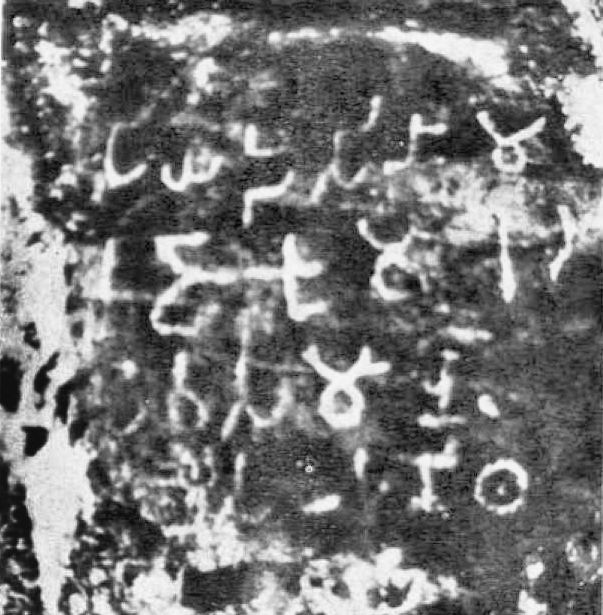
Panguraria (Saru Maru) Inscription
Ashoka · c. 258 BCE
A commemorative inscription by Ashoka at Panguraria recording a royal visit, possibly from his time as a prince.
This inscription may record Ashoka's own visit to the site during his time as a prince, before becoming emperor.
Free Humy account · No credit card · 120,912 sources to read
About this source
What it is
This is a commemorative inscription issued by Ashoka around 258 BCE, carved at the Saru Maru Buddhist complex in Panguraria, Sehore district, Madhya Pradesh, India, where it remains in situ. It has been translated by the scholar Falk.
Why it matters
The inscription records a visit by the king to this site and refers to him as 'Kumara', meaning prince. This detail may preserve a memory of Ashoka's early life serving as a viceroy in central India before he became emperor, giving historians a rare glimpse of his life before the throne.
Look closer
- Why might the title 'Kumara' used here be important evidence for Ashoka's life before becoming emperor?
- What does it mean that this inscription survives only in a worn, hard-to-read state?
- Why might a king want to mark a personal visit to a place with a permanent inscription?
This document is part of the curated material that grounds the AI version of Ashoka the Great on Humy.ai — when students ask about related events, the AI can quote it and cite it.
More Ashoka the Great sources
Browse all 98 →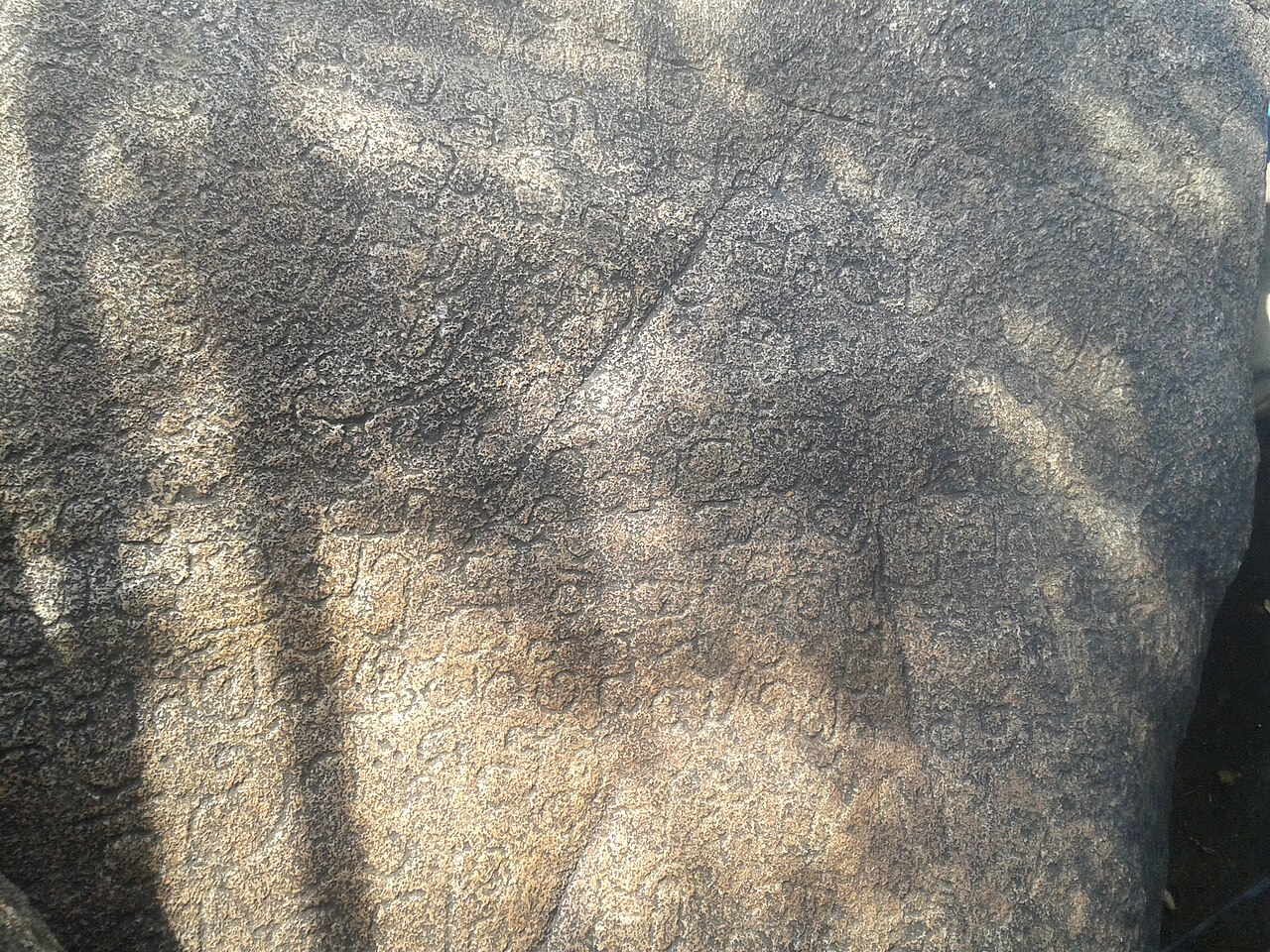 Document
Primary source
Major Rock Edicts
Ashoka · c. 257 BCE
 Sculpture
Secondary source
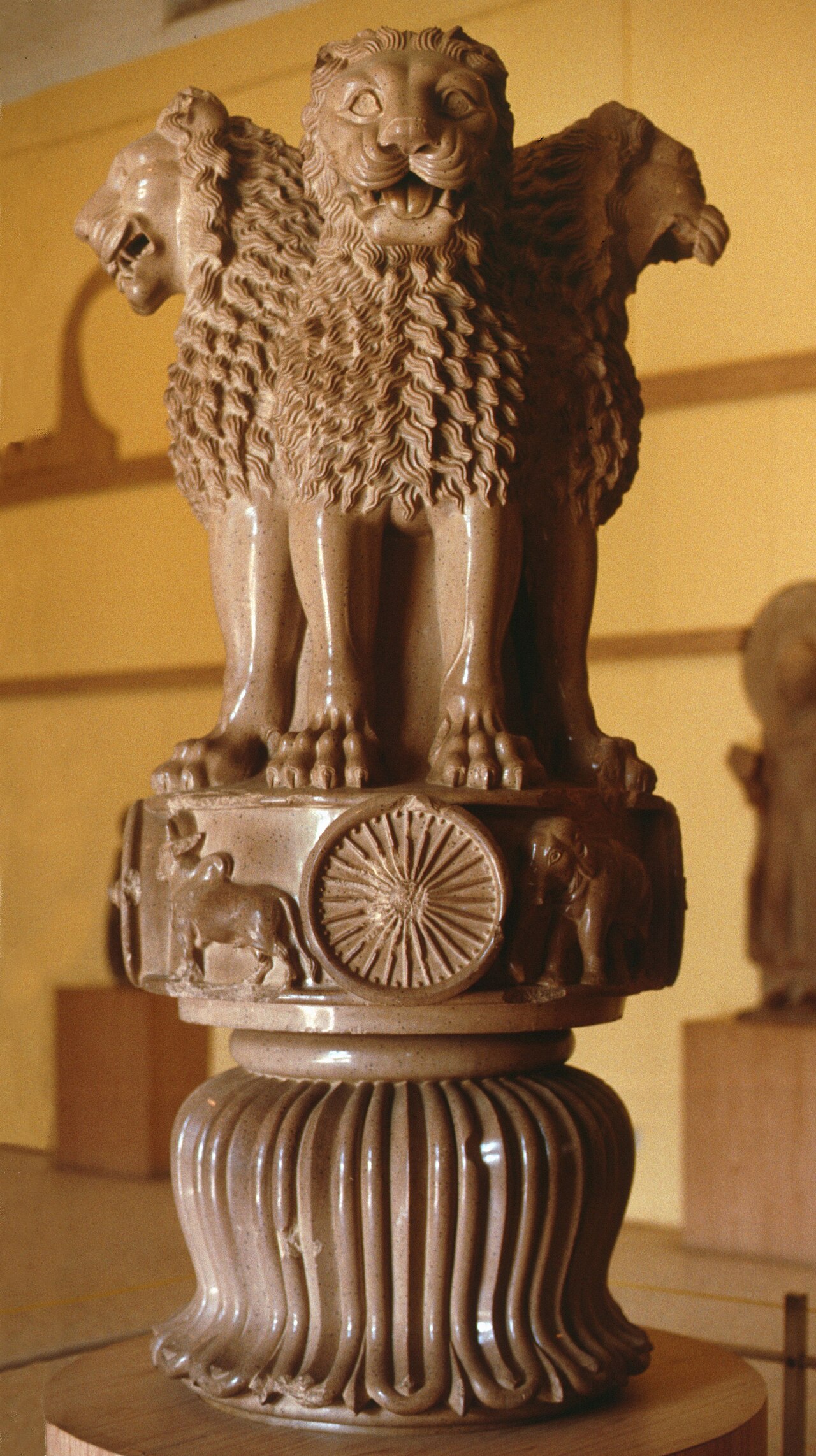
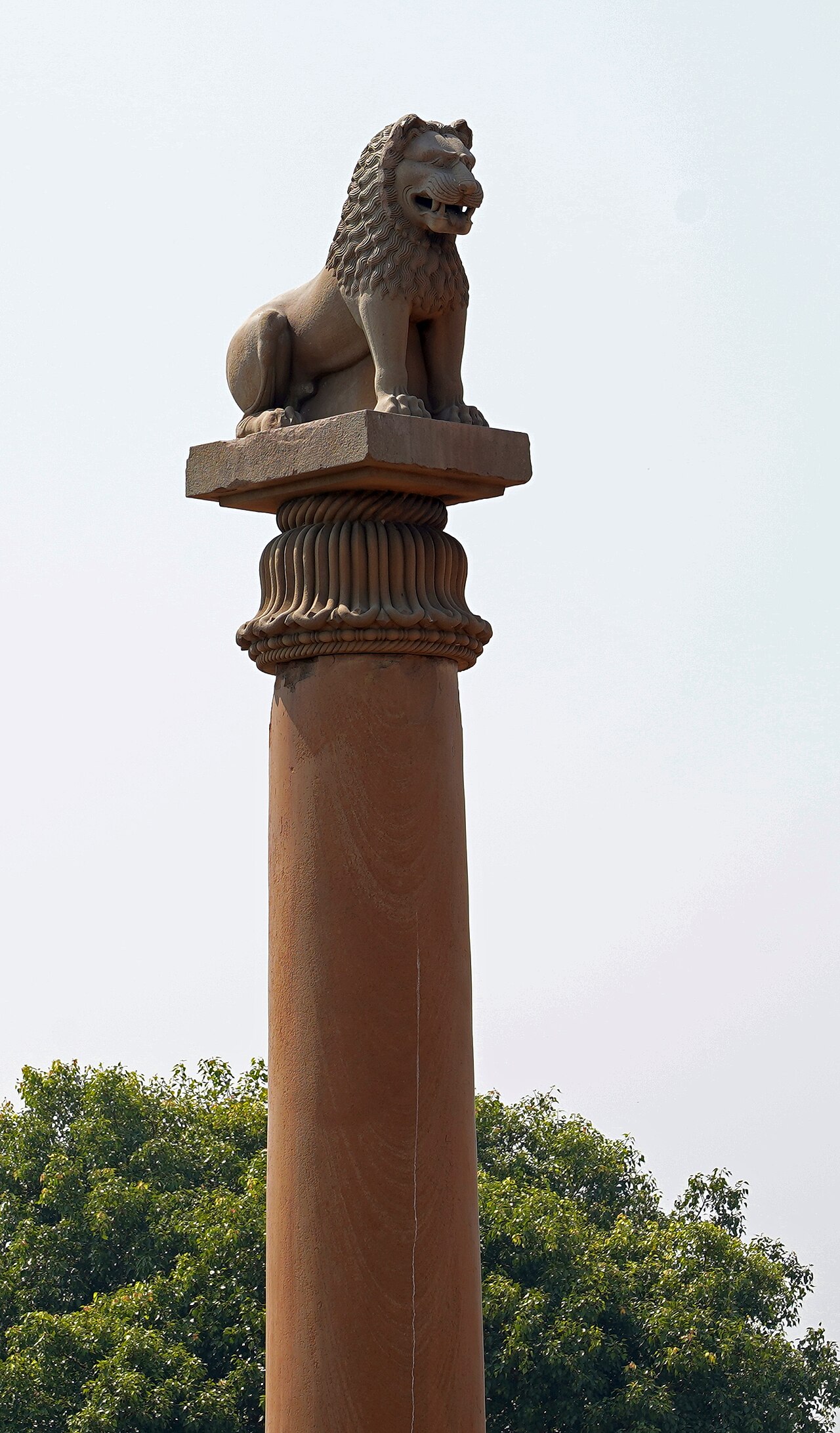
Lion Capital of Ashoka
Commissioned by Ashoka · c. 250 BCE
 Artifact
Secondary source
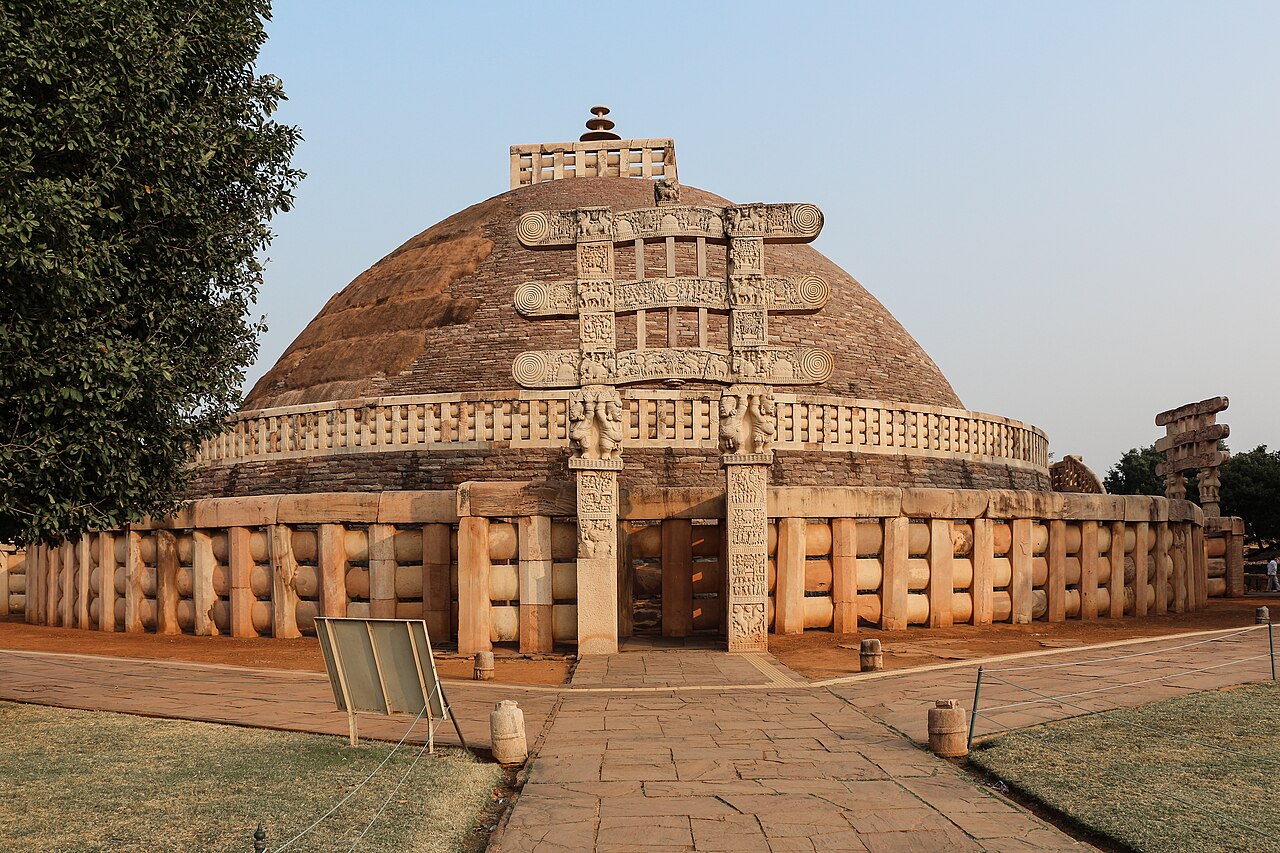
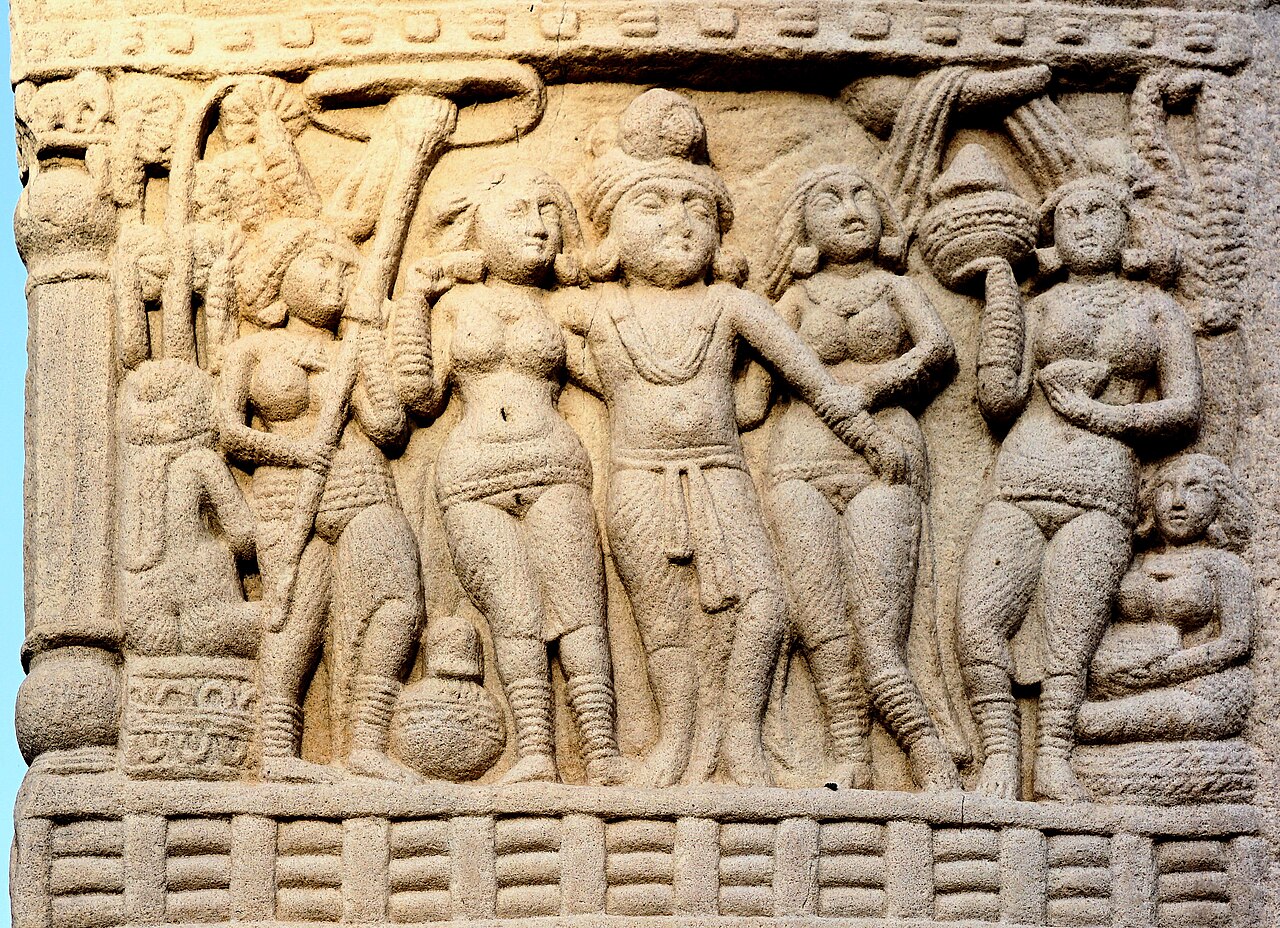
Sanchi Stupa
Commissioned by Ashoka · 3rd century BCE onward
 Document
Primary source
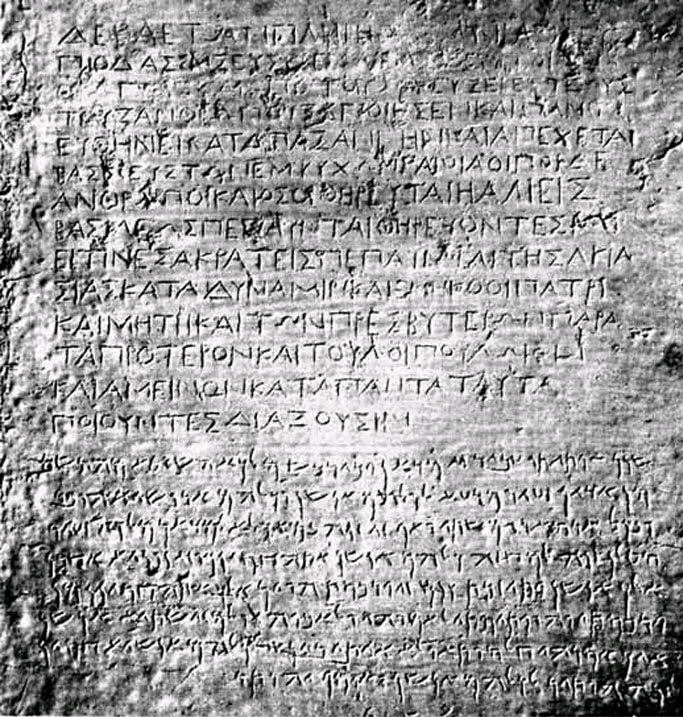
Kandahar Bilingual Rock Inscription
Ashoka · c. 260 BCE
Free account
Read every Ashoka the Great source
Sign up free →
Ready when you are
Start chatting with Ashoka the Great now.
20 messages free · No credit card · Available in 50+ languages.