


Primary sourceArtifactc. 1336–1327 BCE
Papyrus Jar Lids from Tutankhamun's Embalming Cache
c. 1336–1327 BCE
A round papyrus jar lid from the embalming cache linked to Tutankhamun's burial, part of the funerary equipment of his reign.
This jar lid comes from the embalming cache connected to Tutankhamun's burial and preparation for the afterlife.
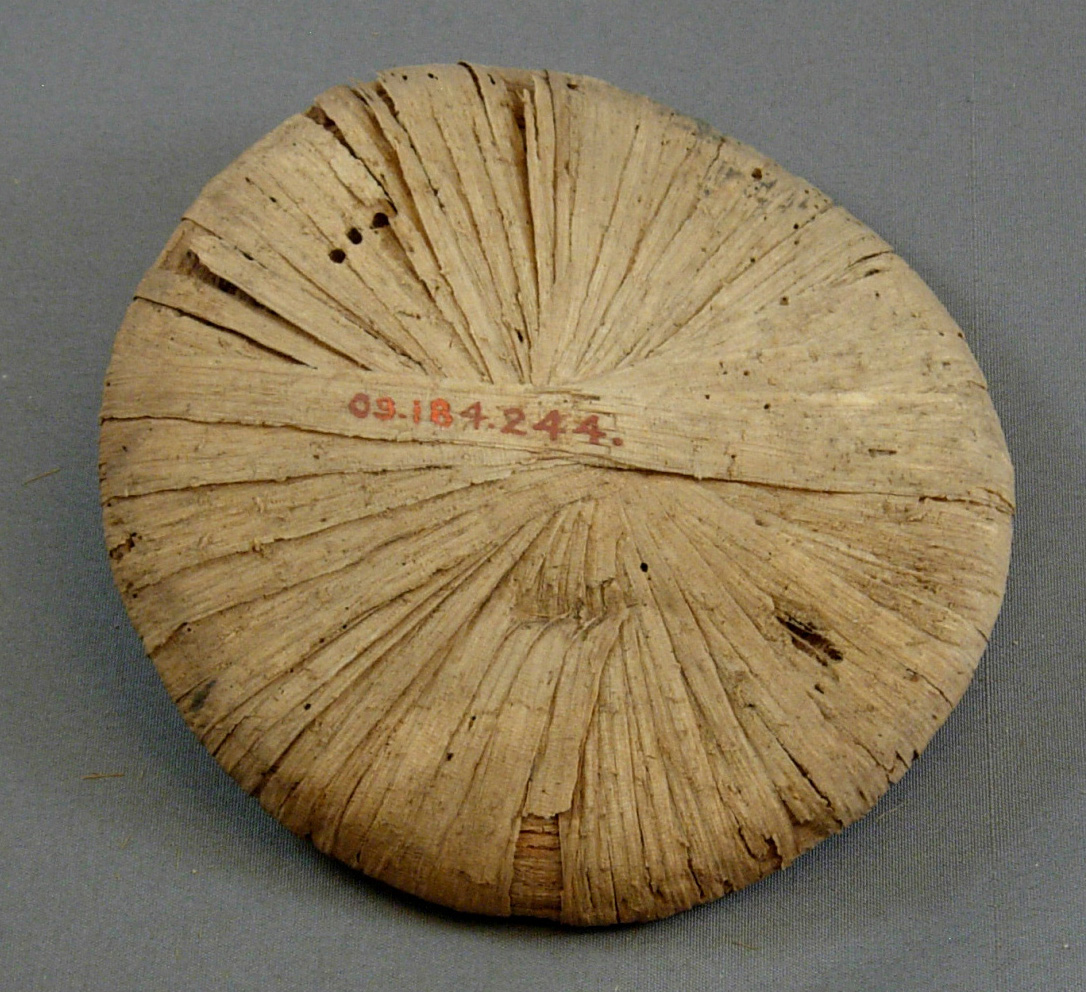
About this source
What it is
This is a round, flat lid made of papyrus, one of the objects recovered from an embalming cache connected to the burial of Tutankhamun. It dates to around the time of his reign in Egypt's New Kingdom, Dynasty 18.
Why it matters
Everyday items like jar lids rarely survive from ancient Egypt, but objects from royal embalming caches help historians understand the practical side of mummification and burial preparation, not just the gold and treasure people usually picture. It shows the scale of material used to prepare a pharaoh's burial.
Look closer
- What does the material and shape of this lid tell you about how it was made and used?
- Why might objects like this survive while other things from a tomb do not?
- What does the museum catalogue number painted on it tell you about how it has been studied since?
This artifact is part of the curated material that grounds the AI version of Tutankhamun on Humy.ai — when students ask about related events, the AI can quote it and cite it.
More Tutankhamun sources
Meet the AI Tutankhamun →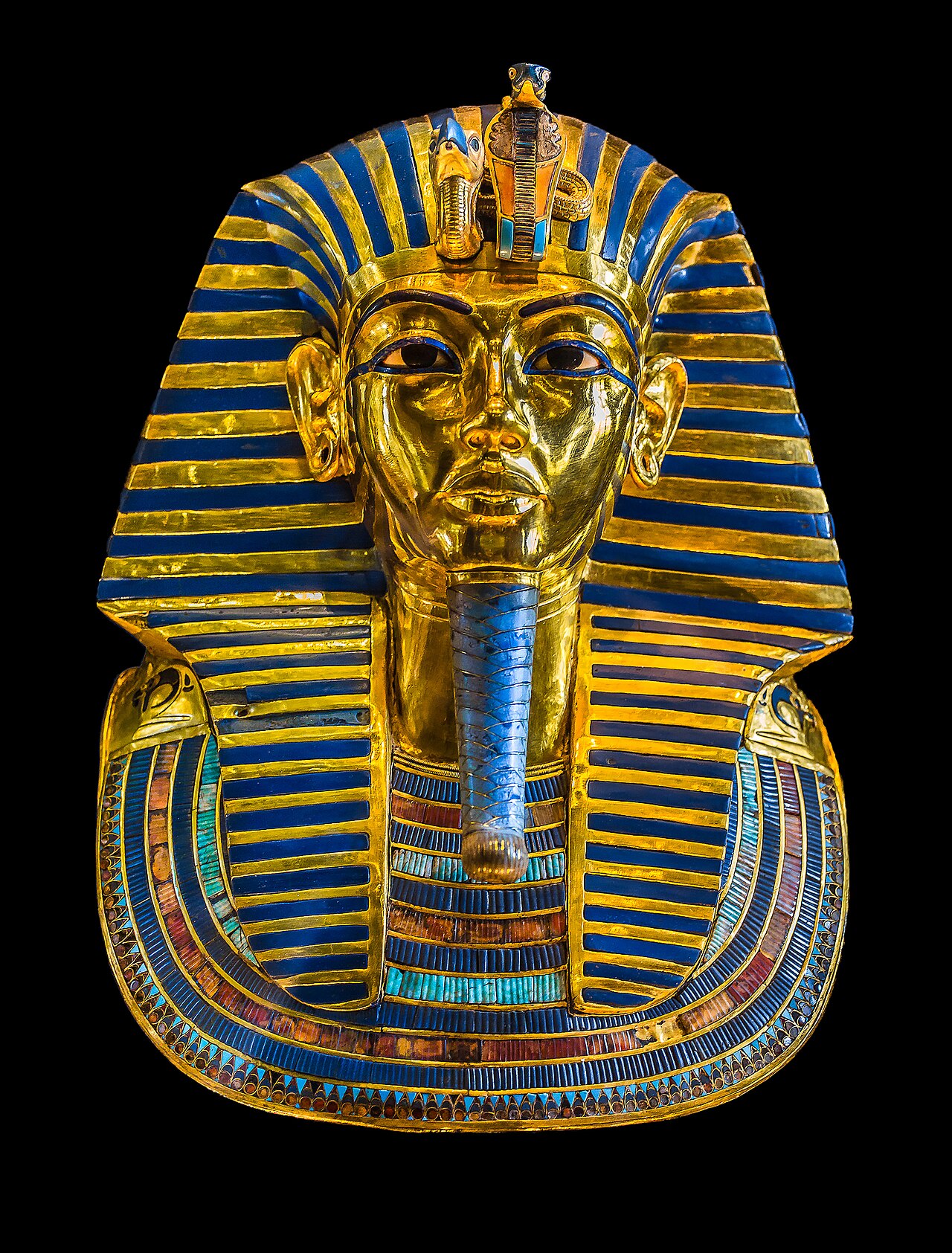 Artifact
Primary source
Mask of Tutankhamun
c. 1333 BCE
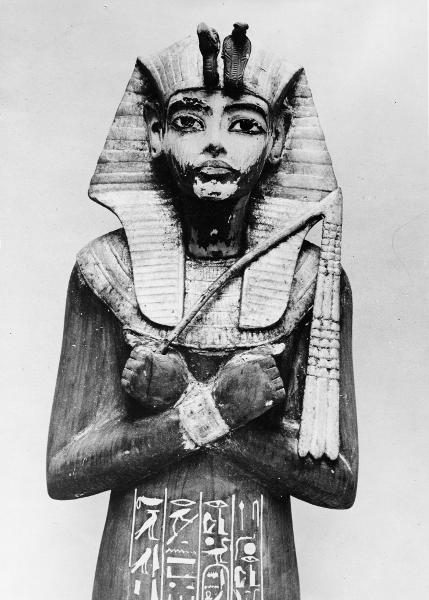 Photograph
Primary source
Photograph of Tutankhamun's Shawabti Figure
Harry Burton · 1920s
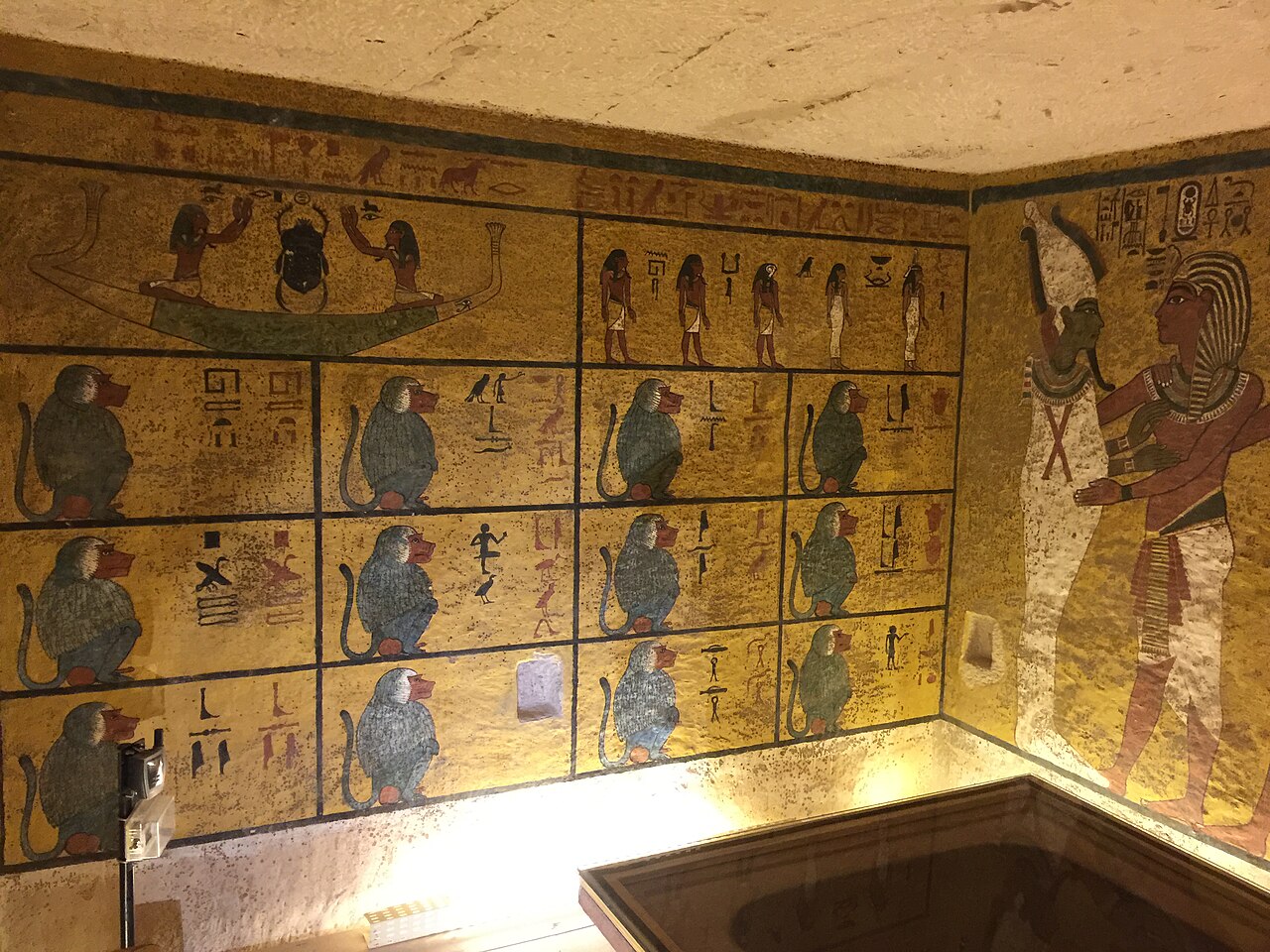 Artifact
Primary source
Tomb of Tutankhamun
14th century BCE
 Photograph
Primary source
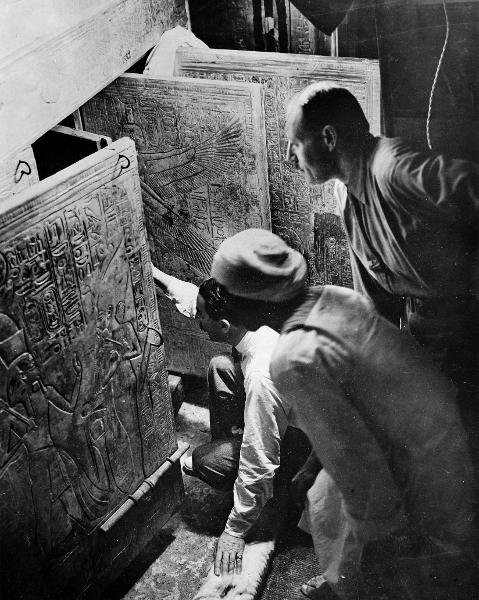
Opening the Doors of the Fourth Shrine in Tutankhamun's Tomb
Harry Burton · 1920s
 Document
Primary source
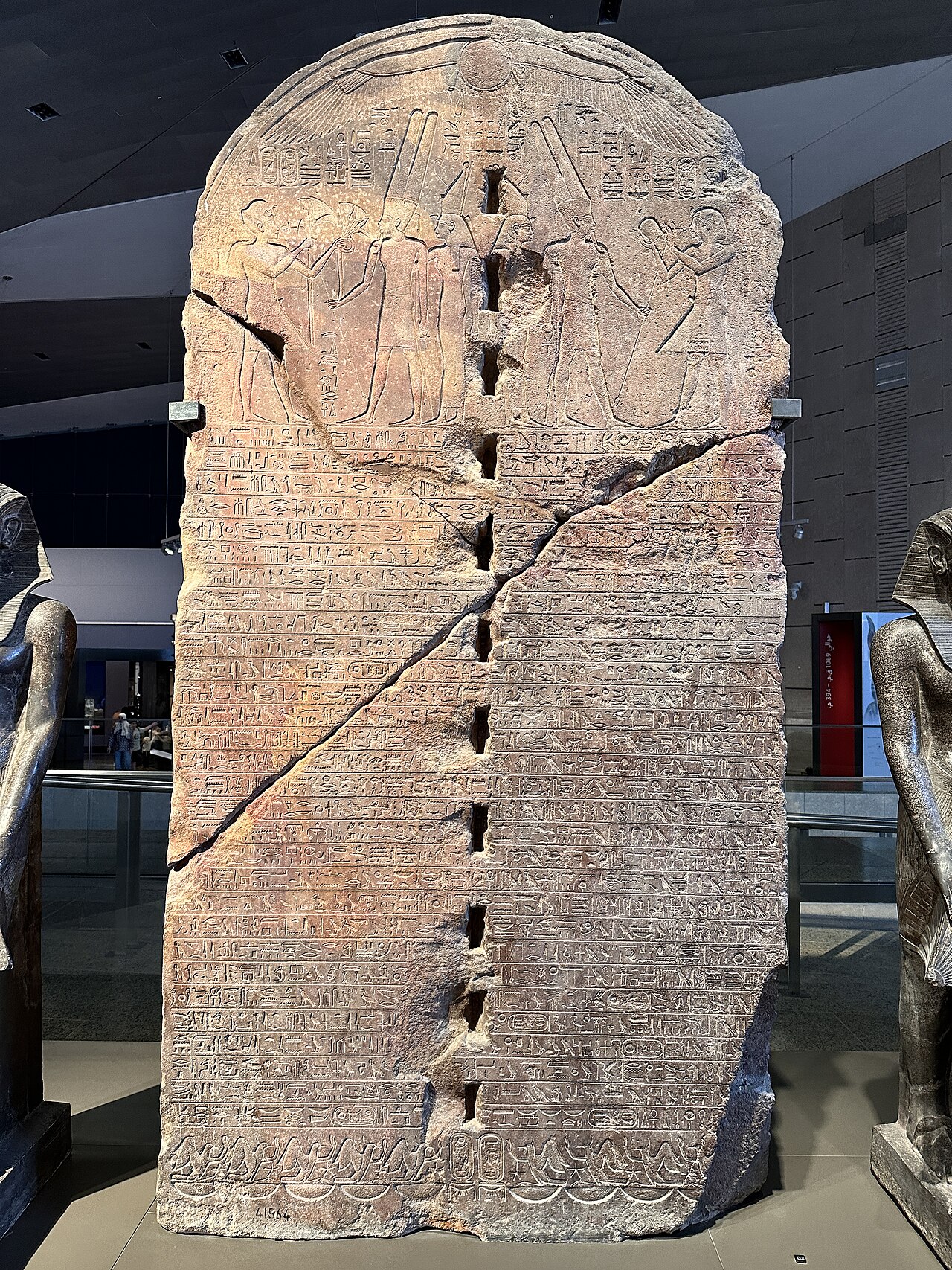
Restoration Stela
Tutankhamun · c. 1326 BCE
Ready when you are
Start chatting with Tutankhamun now.
20 messages free · No credit card · Available in 50+ languages.