


Primary sourceBook1680
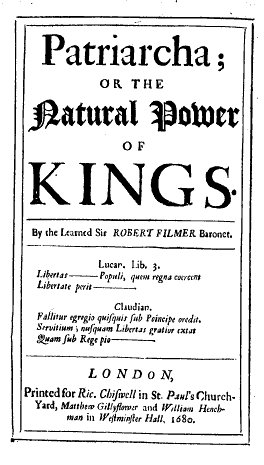
Patriarcha
Robert Filmer · 1680
Robert Filmer's 1680 defence of the divine right of kings, the text Locke's First Treatise of Government directly refutes.
This is the book Locke's First Treatise of Government was written to refute, showing the target of his political arguments.
About this source
What it is
Patriarcha is a book by Robert Filmer, likely begun decades earlier but published in 1680. It argues that royal authority descends naturally from the Biblical patriarchs, comparing kings to fathers ruling over their children.
Why it matters
This book matters to Locke's story because the First of his Two Treatises of Government is mostly a point-by-point attack on Filmer's arguments. Locke argued that Filmer's theory could never actually justify who should rule, since no one could prove descent from Adam. The clash between these two books shows the deep disagreement in this period over whether political power came from God through kings or from the consent of the people.
Look closer
- Why does Filmer compare the state to a family with the king as father?
- What problems did Locke find with using Adam as the source of royal authority?
- Why would a book defending kings' divine right be controversial enough to provoke such a detailed reply?
This book is part of the curated material that grounds the AI version of John Locke on Humy.ai — when students ask about related events, the AI can quote it and cite it.
More John Locke sources
Meet the AI John Locke →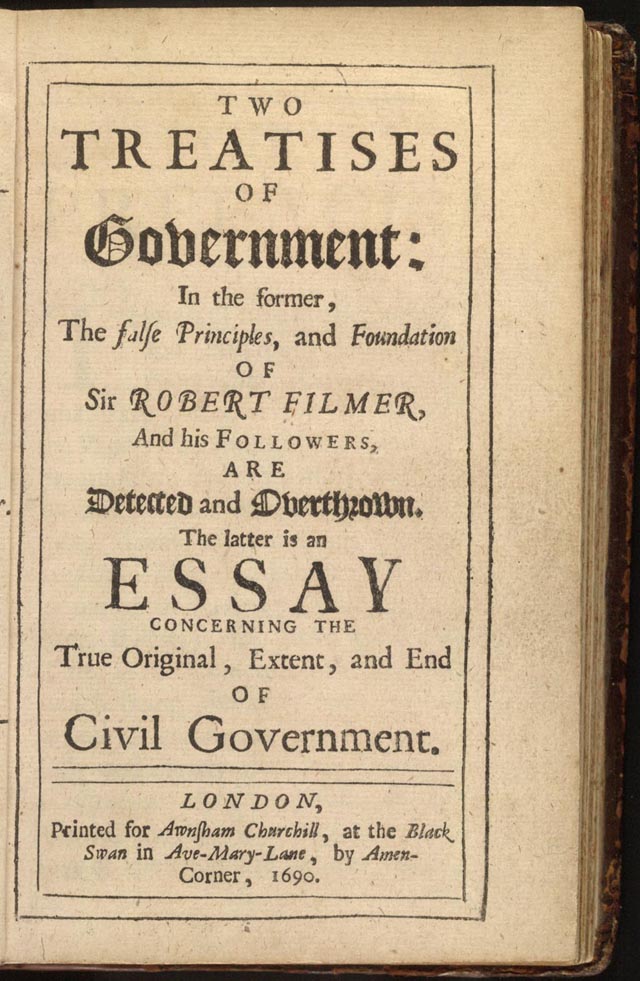 Book
Primary source
Two Treatises of Government
John Locke · 1689 (dated 1690)
 Book
Primary source
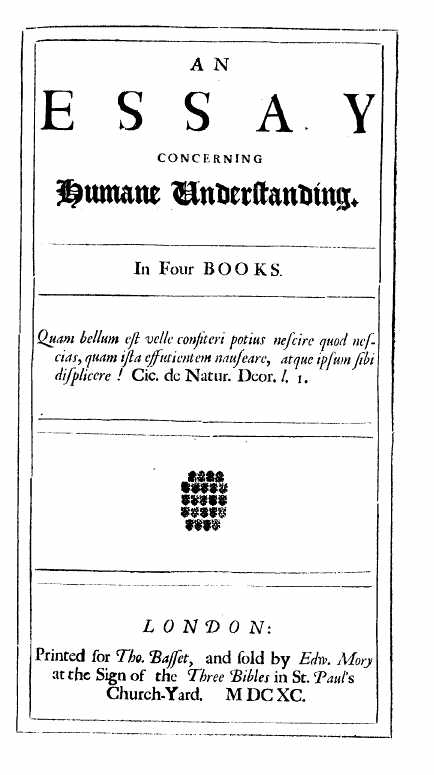
An Essay Concerning Human Understanding
John Locke · 1689 (dated 1690)
 Painting
Secondary source
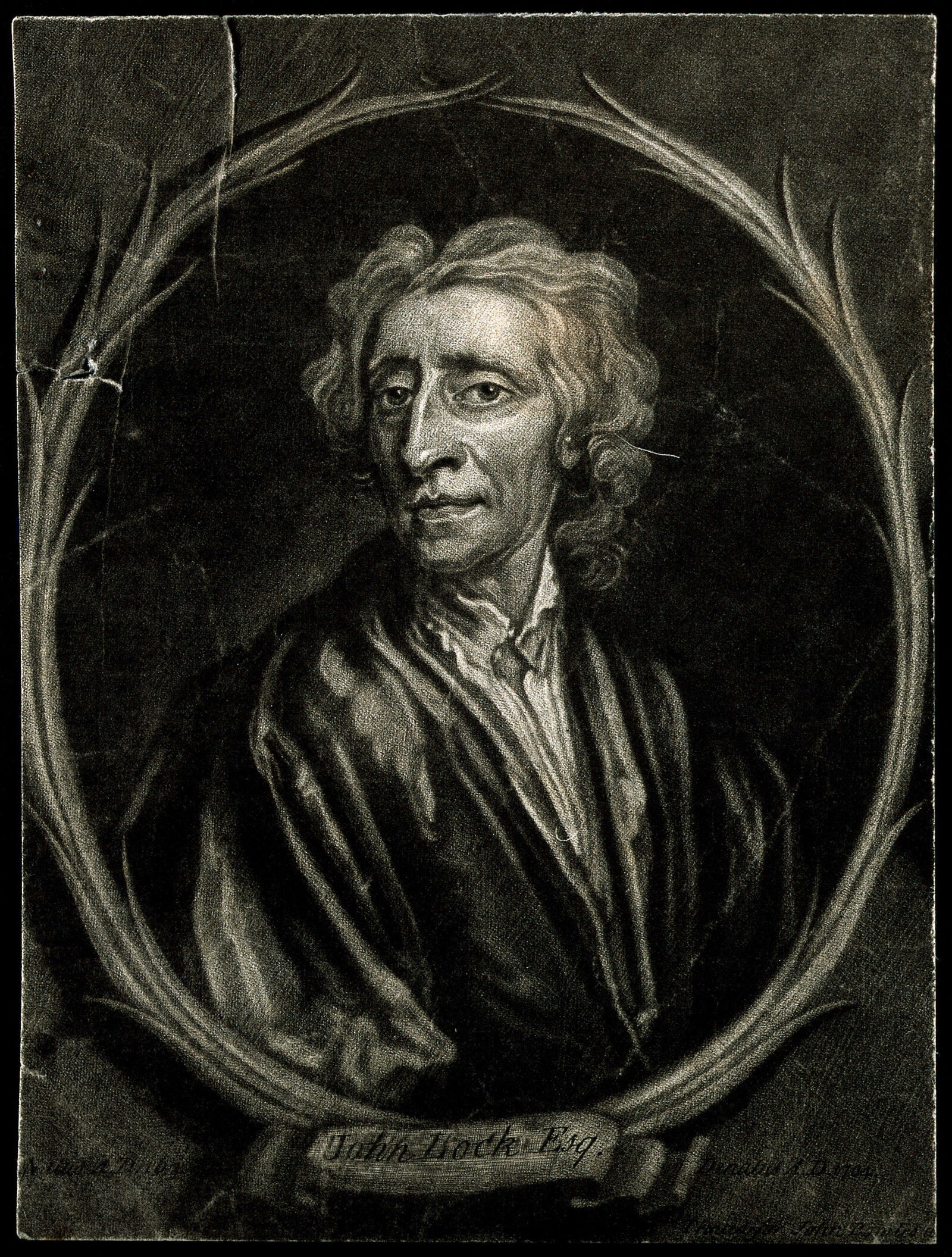
John Locke, Mezzotint after Godfrey Kneller
Godfrey Kneller
 Letter
Primary source
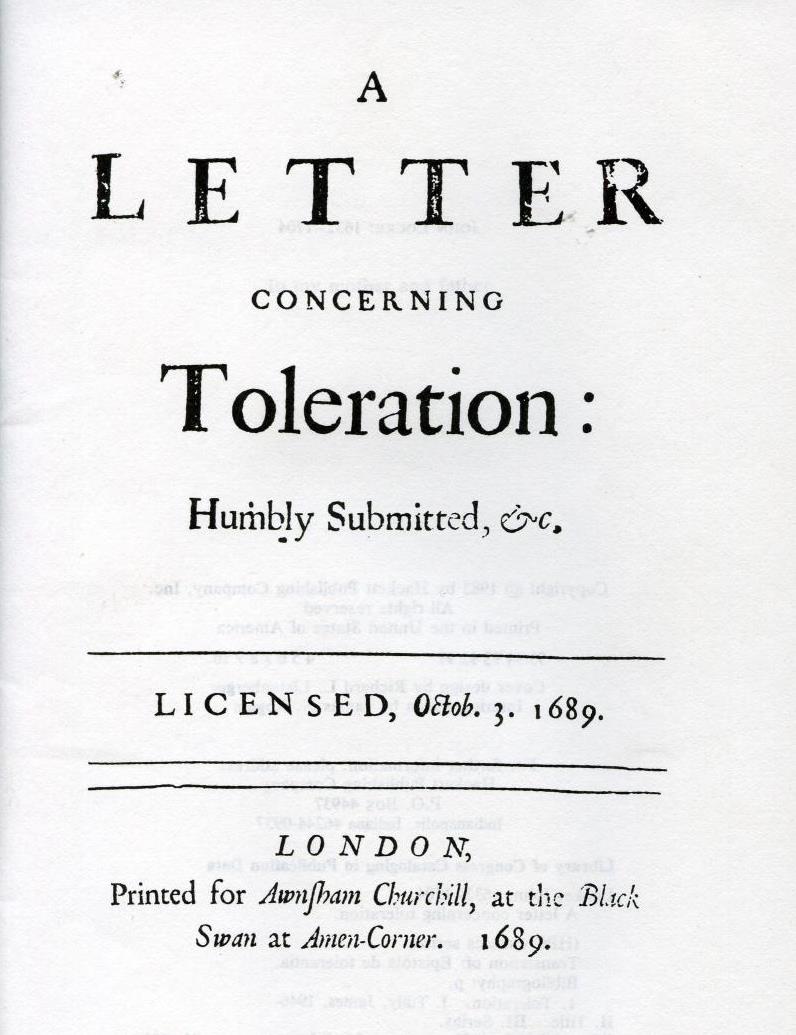
A Letter Concerning Toleration
John Locke · written 1685-1686, published 1689
 Painting
Secondary source
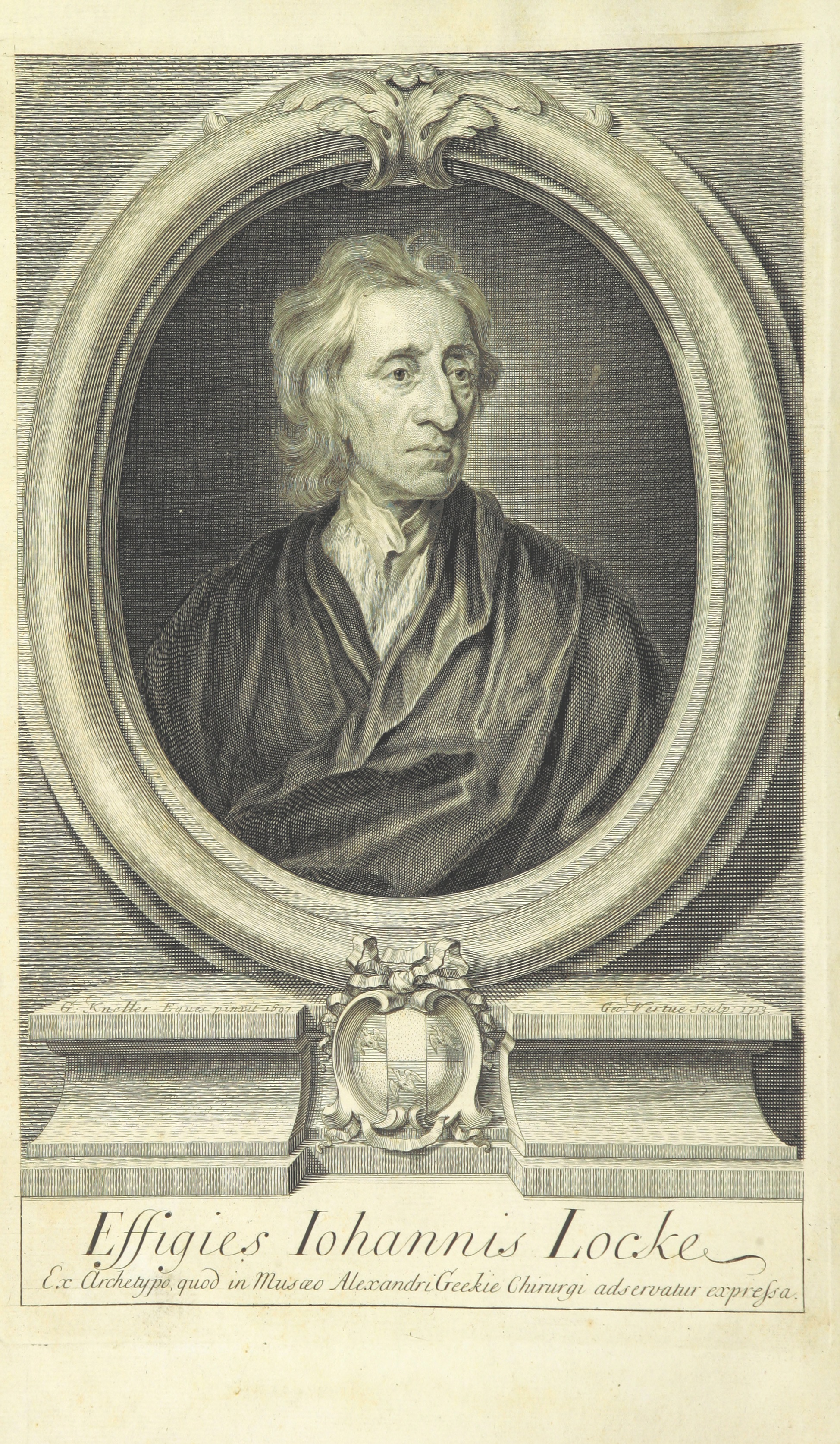
Portrait of John Locke, frontispiece to Works
George Vertue, after Sir Godfrey Kneller · 1722
Ready when you are
Start chatting with John Locke now.
20 messages free · No credit card · Available in 50+ languages.