


Secondary sourcePainting9th century
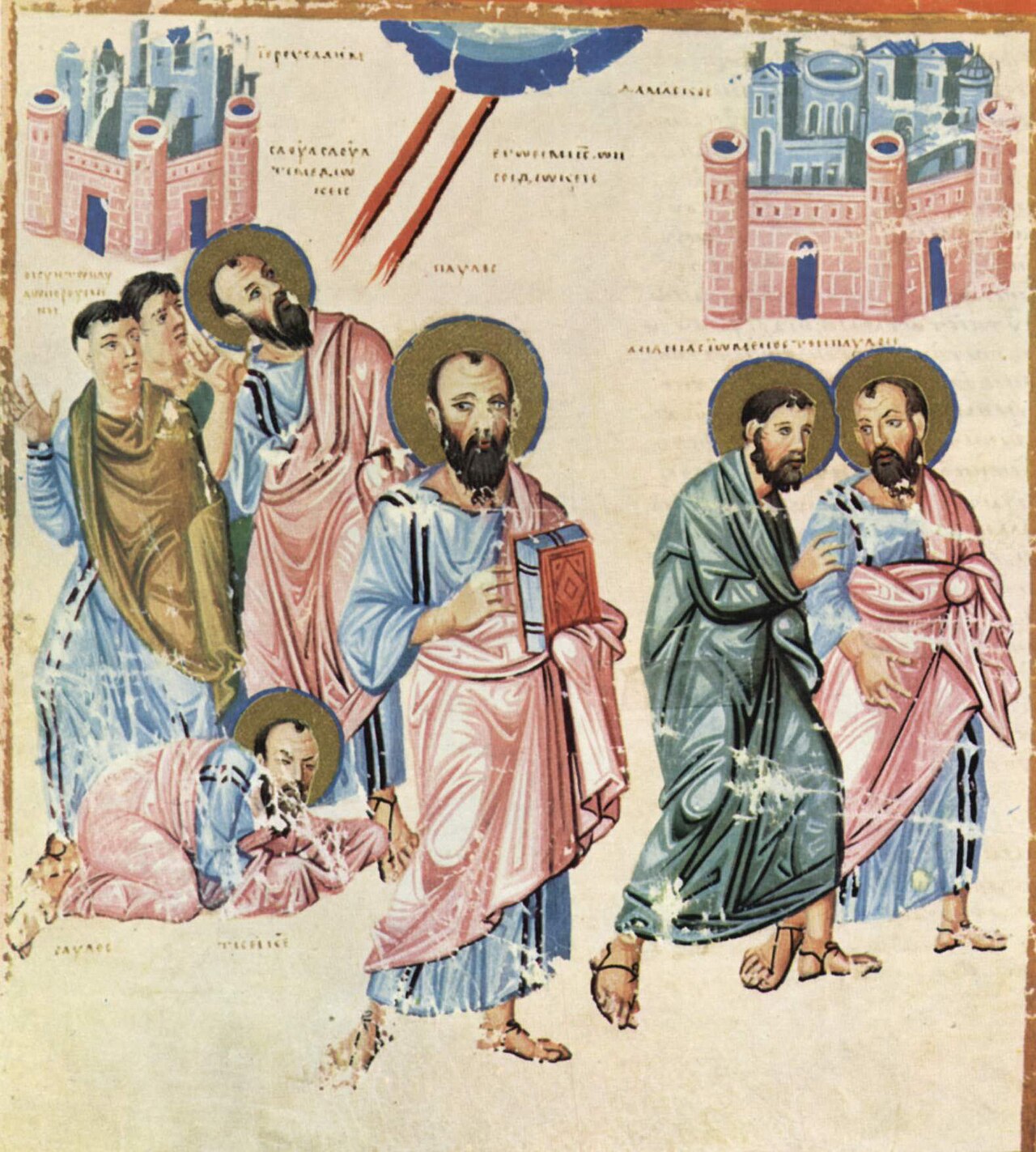
Paul on the Road to Damascus
Meister nach Cosmas Indicopleustes · 9th century
A 9th-century Byzantine manuscript miniature imagining Paul's conversion experience on the road to Damascus.
A later artistic imagining of Paul's famous conversion experience on the road to Damascus.
About this source
What it is
This manuscript illumination comes from a 9th-century copy associated with the writer Cosmas Indicopleustes. It shows two walled cities, a blue cloud with red streaks of light, and haloed figures in pink and blue robes; one kneels on the ground while another gestures upward, and a central figure holds a red book.
Why it matters
Painted roughly 800 years after Paul's lifetime, this image shows how Byzantine Christians imagined the dramatic moment of his conversion, when he is traditionally said to have encountered a divine light on the road to Damascus. It is not an eyewitness record but a later artistic retelling, showing how central this story became to Christian art and memory of Paul.
Look closer
- What visual clues suggest something supernatural is happening in this scene?
- Why do you think the artist chose to show two cities in the background?
- How does the kneeling figure's pose help tell the story?
This painting is part of the curated material that grounds the AI version of Saint Paul on Humy.ai — when students ask about related events, the AI can quote it and cite it.
More Saint Paul sources
Meet the AI Saint Paul →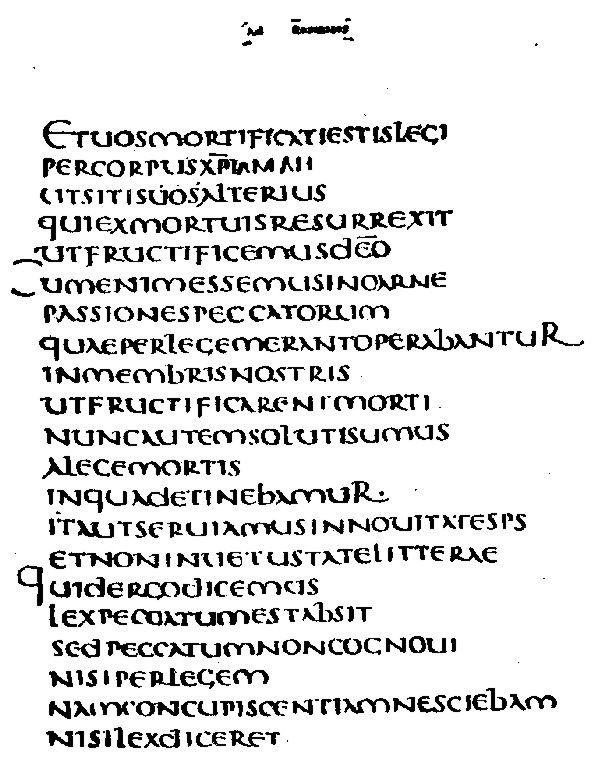 Letter
Primary source
Epistle to the Romans
Paul the Apostle · c. AD 57
 Painting
Secondary source
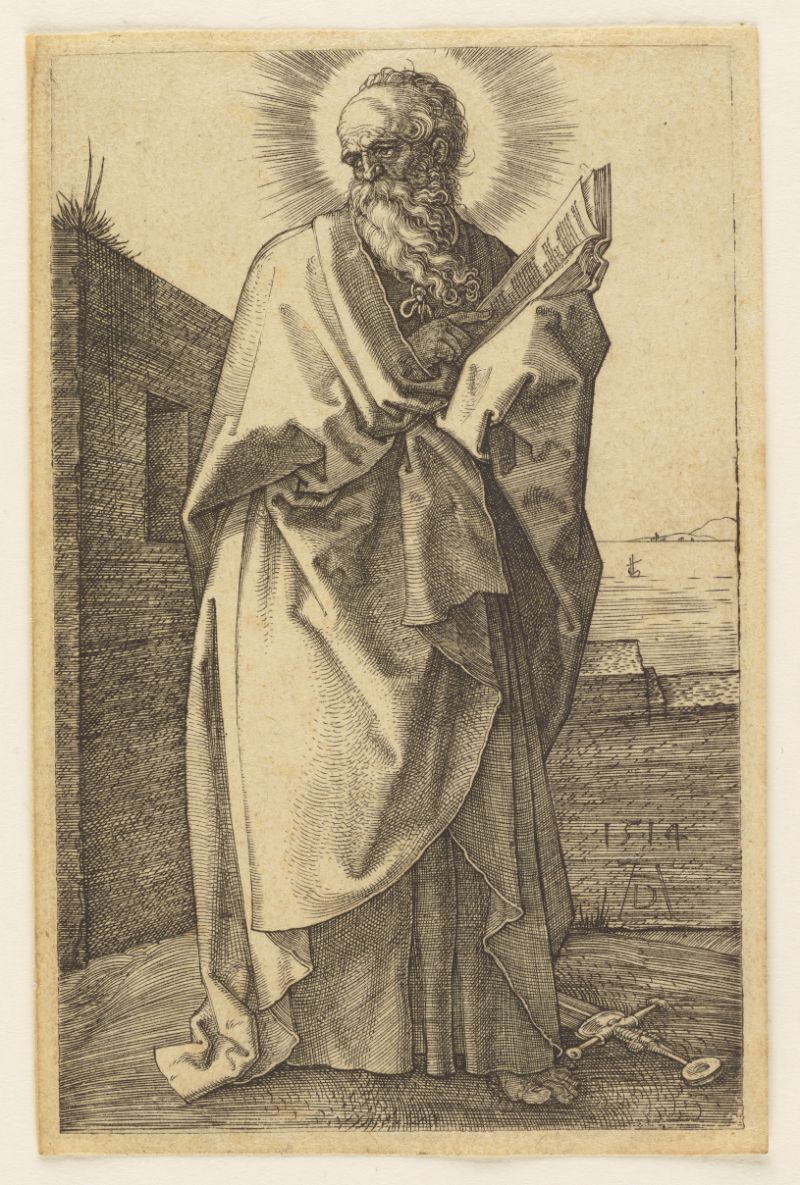
Saint Paul
Albrecht Dürer · 1514
 Letter
Secondary source
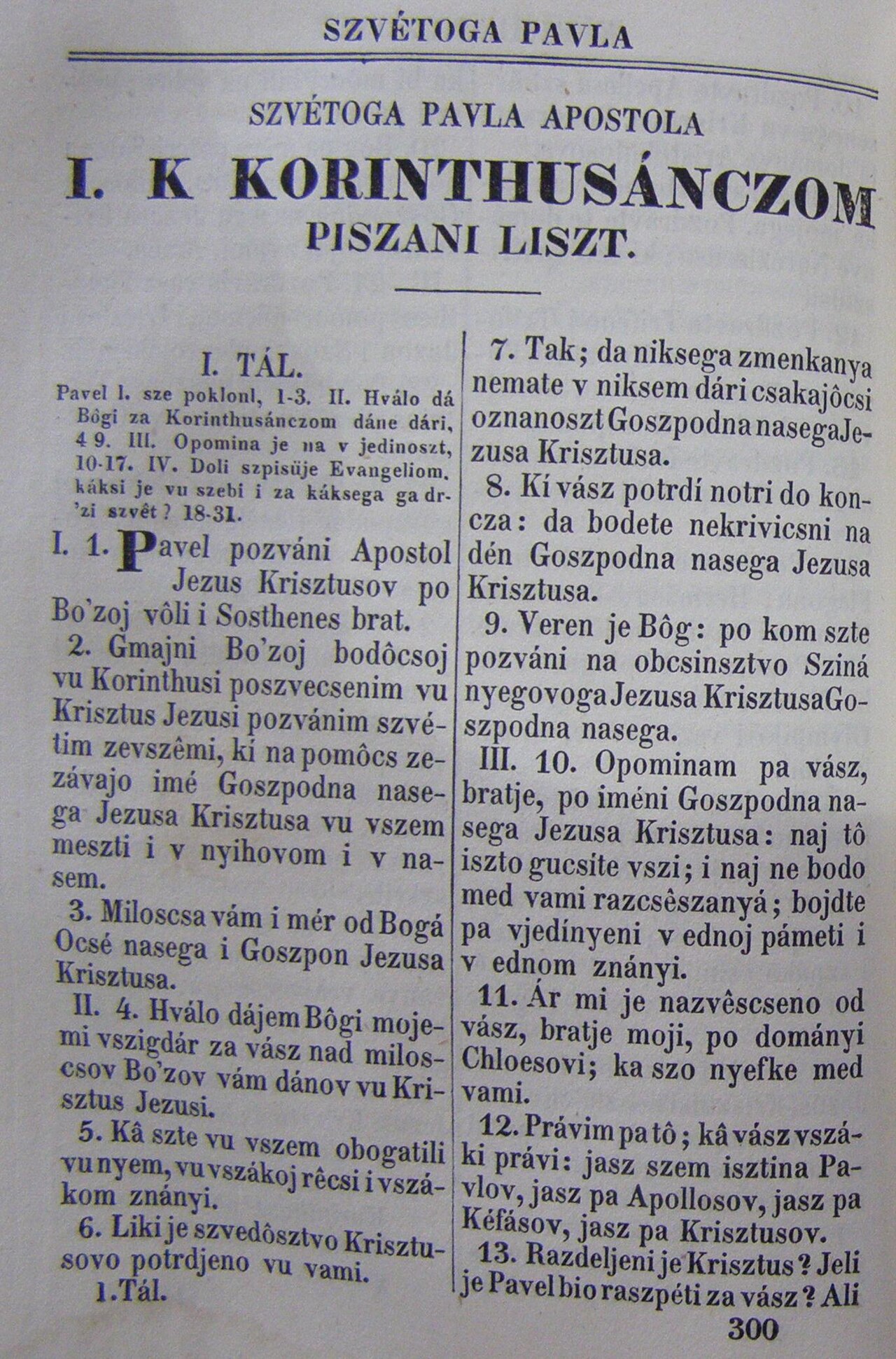
First Epistle to the Corinthians
Paul the Apostle · c. 54 AD
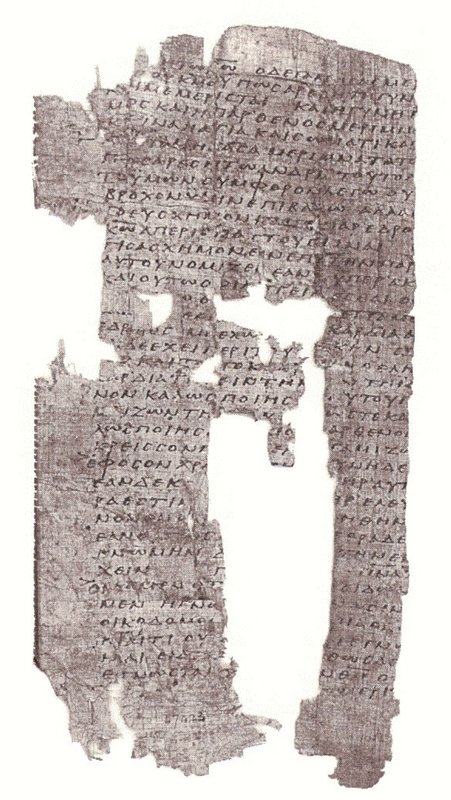 Book
Primary source
1 Corinthians 13
Paul the Apostle · c. AD 53-57
 Document
Secondary source
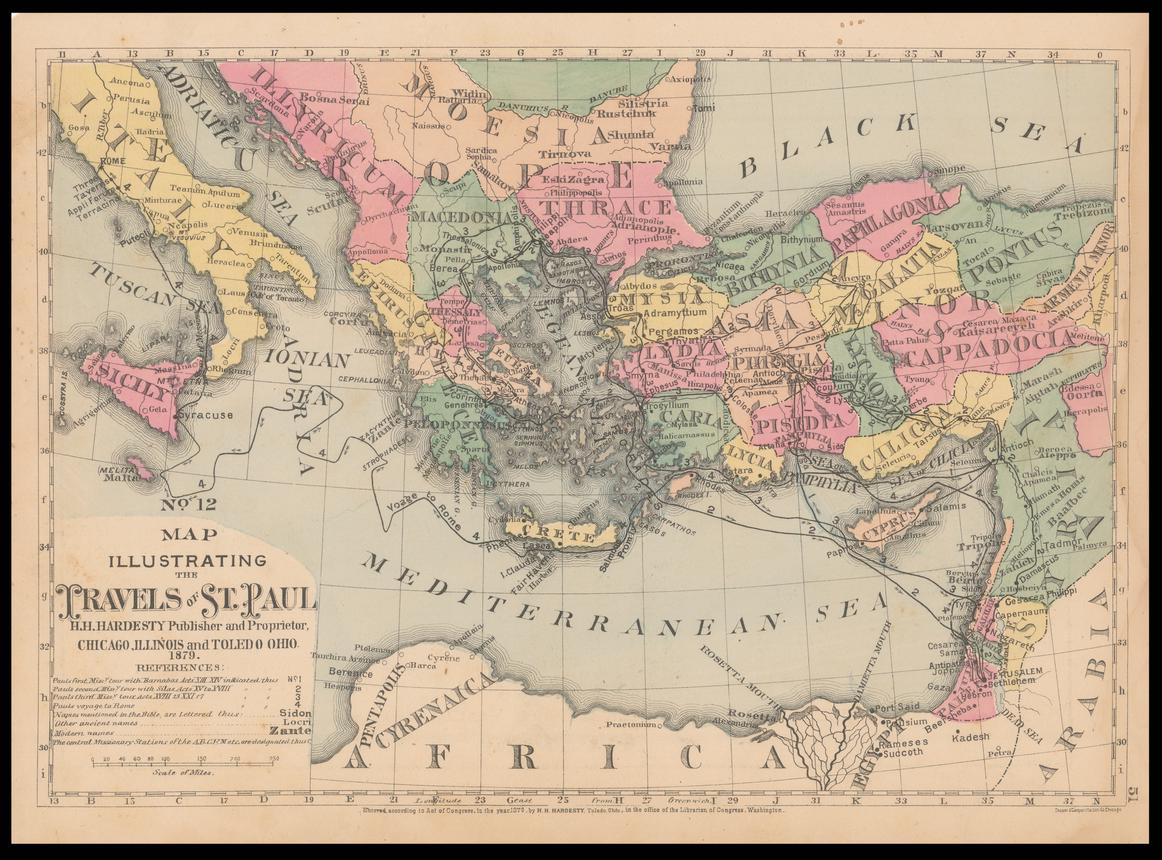
Map Illustrating the Travels of St. Paul
H.H. Hardesty · 1879
Ready when you are
Start chatting with Saint Paul now.
20 messages free · No credit card · Available in 50+ languages.