


Primary sourceBookbetween 360 and 347 BCE
Philebus
Plato · between 360 and 347 BCE
A late dialogue by Plato that weighs pleasure against knowledge and wisdom as the good life, with Socrates setting out a value order at the end.
Plato wrote this late dialogue himself, and it reflects his thinking about pleasure, wisdom and the good life in his final years.
About this source
What it is
Philebus is a dialogue by Plato written in conversation form. Socrates debates two young Athenians, Philebus and Protarchus. Philebus and Protarchus argue that pleasure is the highest good, while Socrates argues for reason and insight. He does not dispute the value of pleasure, but he distinguishes between kinds of pleasure and ranks them.
Scholars date the work to between 360 and 347 BCE and place it among Plato's late dialogues. Its oldest surviving medieval manuscript was produced in 895 in the Byzantine Empire.
Why it matters
The dialogue is considered one of Plato's most challenging works. Its discussion of the classification of all being into four classes is studied for its link to Plato's Theory of Forms. It also shows how Plato responded to hedonism, a view that some scholars connect with Eudoxus of Cnidus. The debate reveals the ethical questions that concerned Athenian thinkers in Plato's final years.
Look closer
- How does Socrates change the question from whether pleasure is good to which pleasures are good?
- Why does the dialogue give Philebus a small role even though the work is named after him?
- What does the text leave out, and what would you need to know about its readers to judge its arguments?
This book is part of the curated material that grounds the AI version of Plato on Humy.ai — when students ask about related events, the AI can quote it and cite it.
More Plato sources
Meet the AI Plato →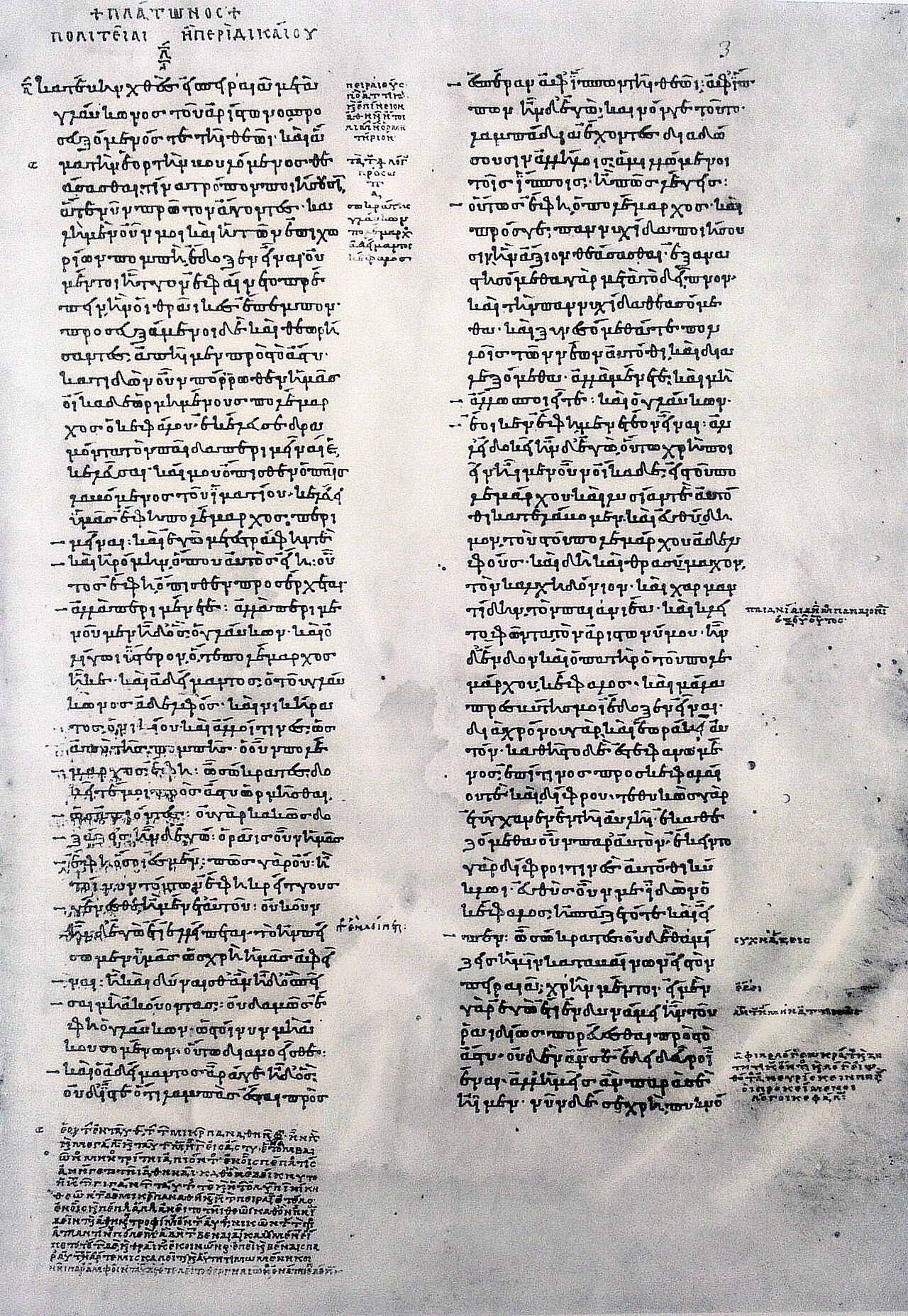 Book
Secondary source
The Republic
Plato · c. 375 BC
 Book
Primary source
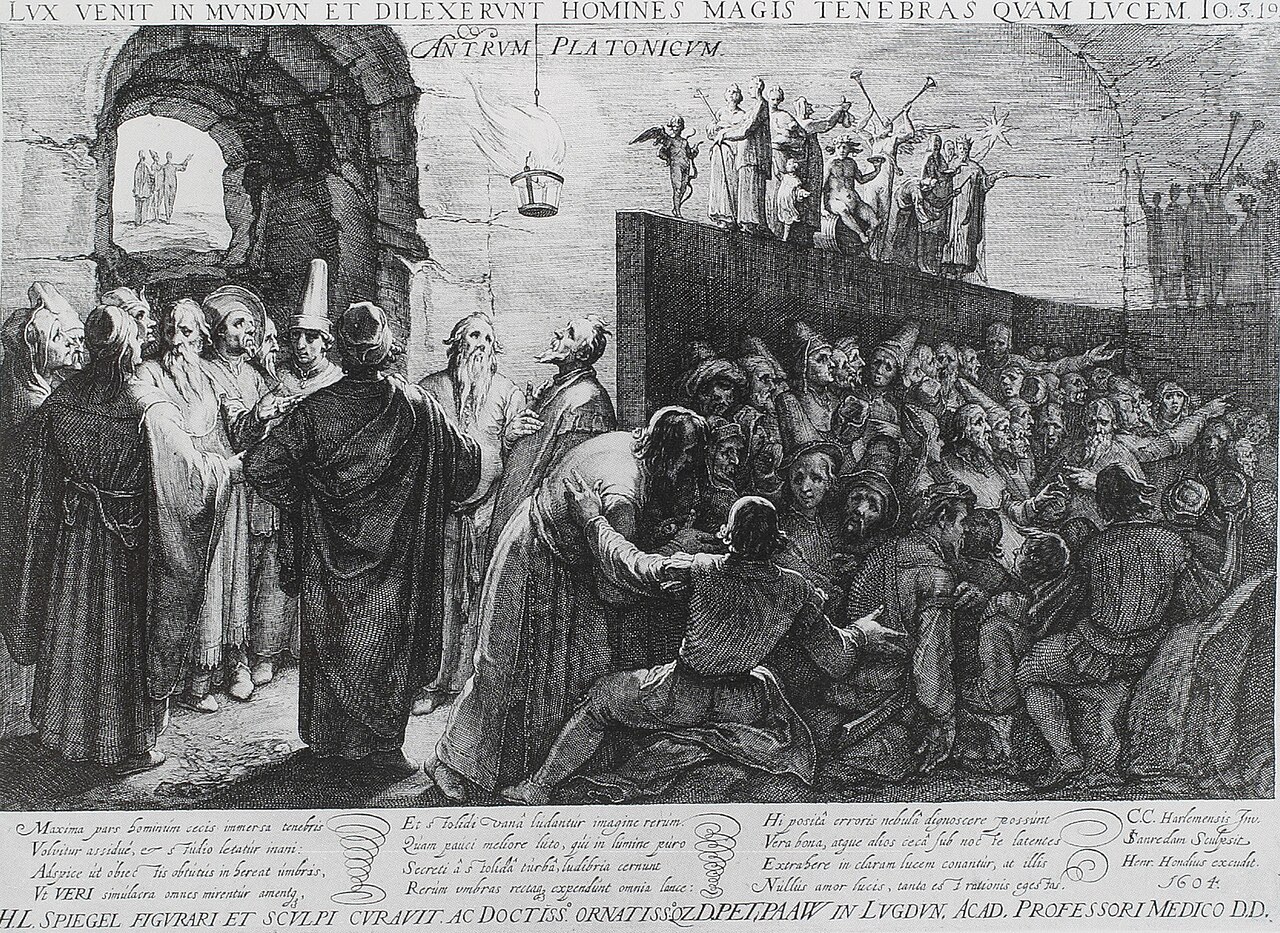
Allegory of the Cave
Plato · c. 400 BC
Secondary source
Apology
Plato · c. 395 BC
 Sculpture
Secondary source
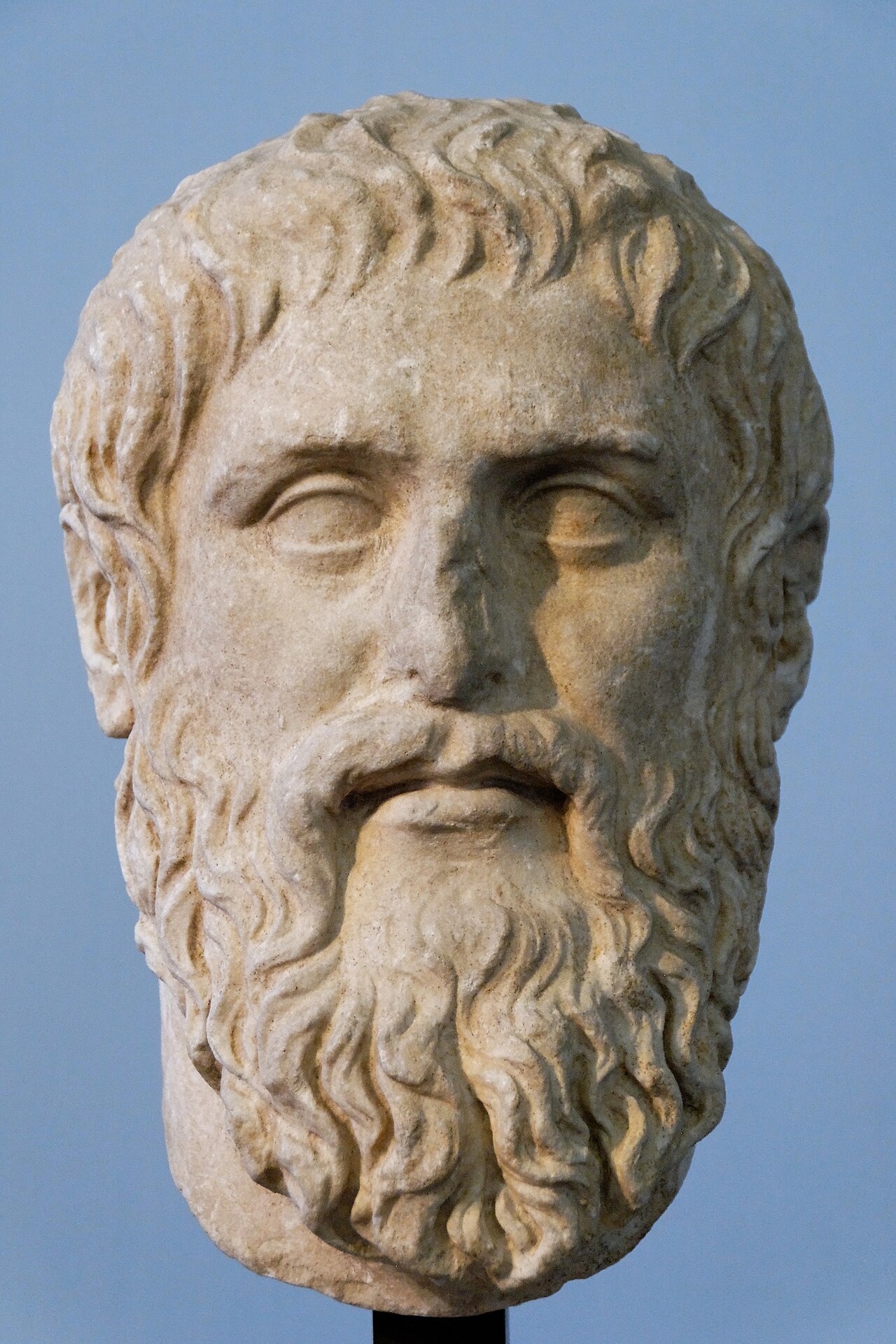
Portrait of Plato
Silanion (original type) · ca. 370 BC (original type); this copy Roman era
 Book
Secondary source
Phaedo
Plato · c. 360 BC
Ready when you are
Start chatting with Plato now.
20 messages free · No credit card · Available in 50+ languages.