


Secondary sourcePainting17th century
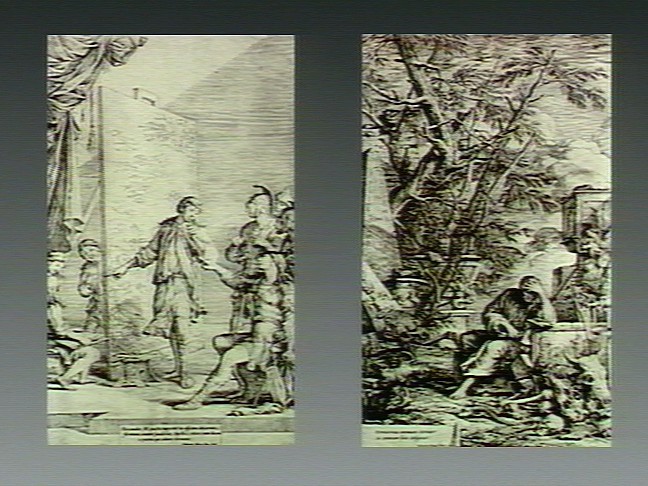
Philosophy: Democritus (etching by Salvator Rosa)
Salvator Rosa · 17th century
A pair of Salvator Rosa etchings in a library image collection, showing an imagined Democritus seated among ruins and skulls. It reflects a later artistic idea of the philosopher, not his real appearance.
Shows a later artist's imagined scene of Democritus meditating among ruins, showing how his reputation as a thinker was pictured centuries after his death.
About this source
What it is
This entry is a reproduction of two etchings side by side, both by Salvator Rosa. The left image shows a standing figure in a cloak gesturing toward a seated figure beside a draped curtain and ruined architecture. The right image shows a seated figure in a dense, twisted landscape of trees and fallen debris, with skulls and bones scattered on the ground. The catalogue record describes Democritus sitting in meditation surrounded by ruins and skulls. It is held in a library image collection and is filed under the keyword Philosophy.
Why it matters
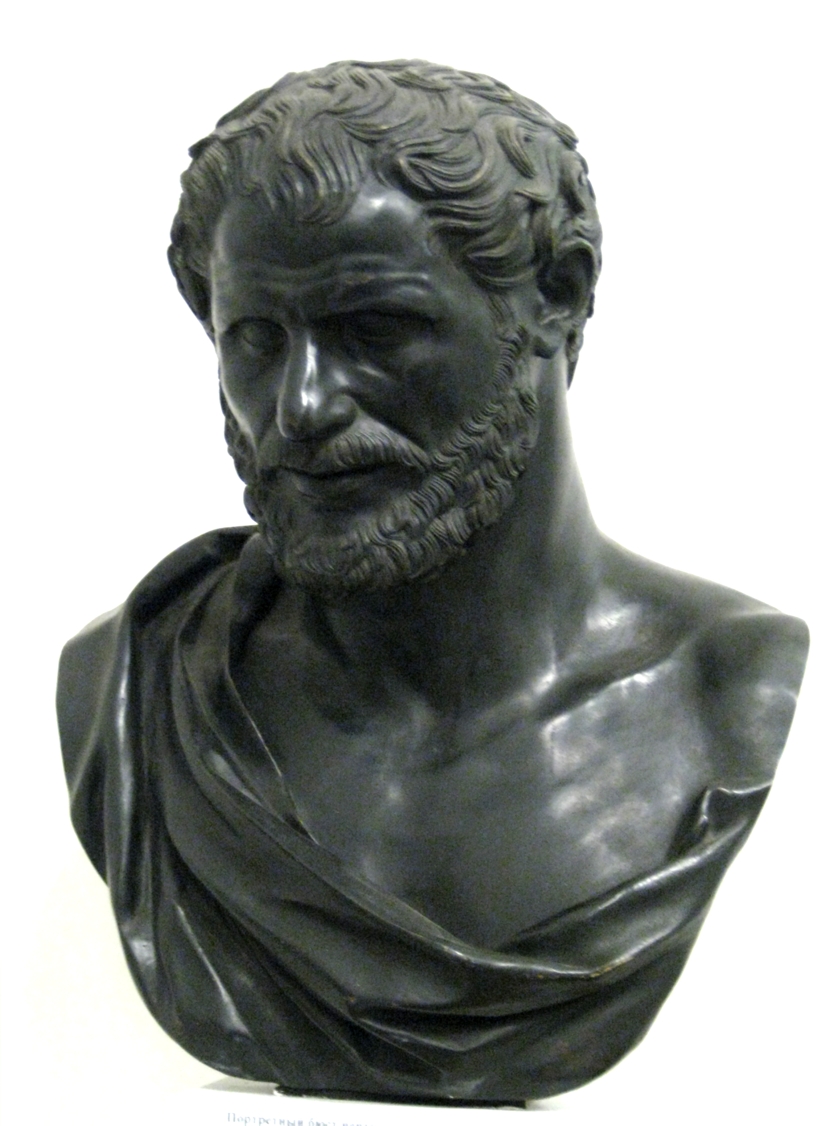
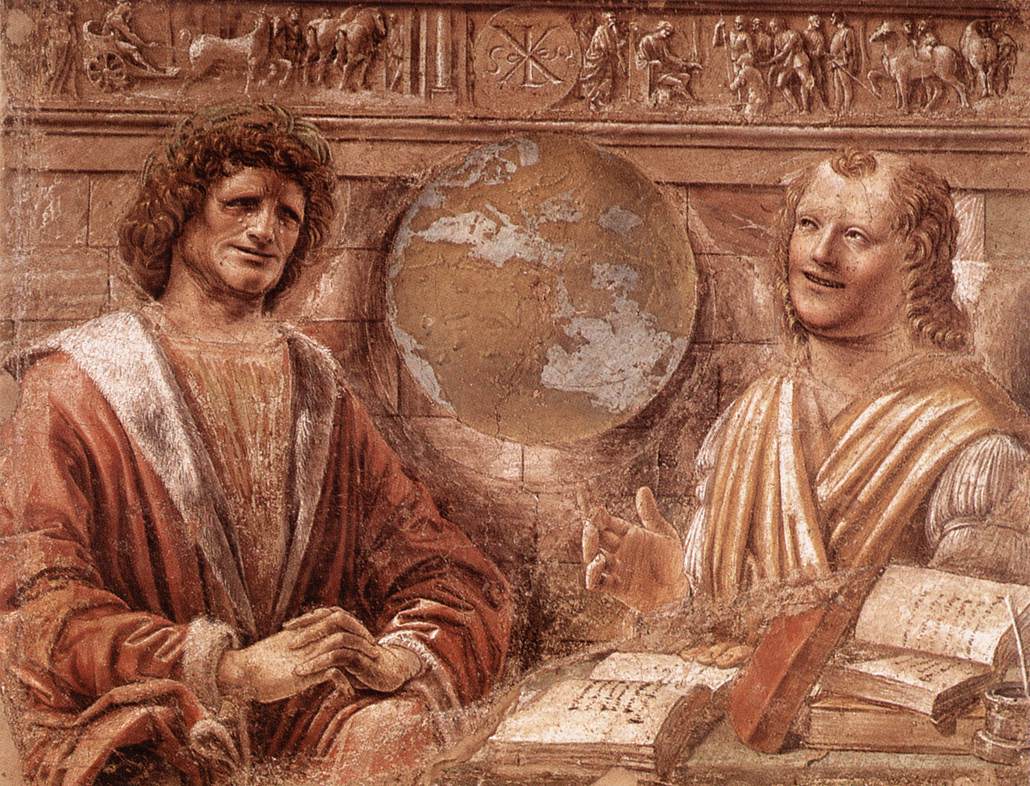
Democritus was a Greek thinker who proposed that the world is made of tiny, indivisible particles. Because no portrait of him survives from his lifetime, artists of later centuries created their own versions of him. Rosa's etchings show a 17th-century European idea of the philosopher as a lonely thinker who meditates on the fragility of life. Looking at a set of images like this shows how a historical figure can be reshaped to fit the concerns of a later period.
Look closer
- How does the setting of ruins and skulls shape the way you feel about the seated figure?
- Why might the artist have placed the two scenes side by side, and what links them?
- What does the image suggest about philosophy, and what does it leave out about Democritus's actual ideas?
This painting is part of the curated material that grounds the AI version of Democritus on Humy.ai — when students ask about related events, the AI can quote it and cite it.
More Democritus sources
Browse all 93 →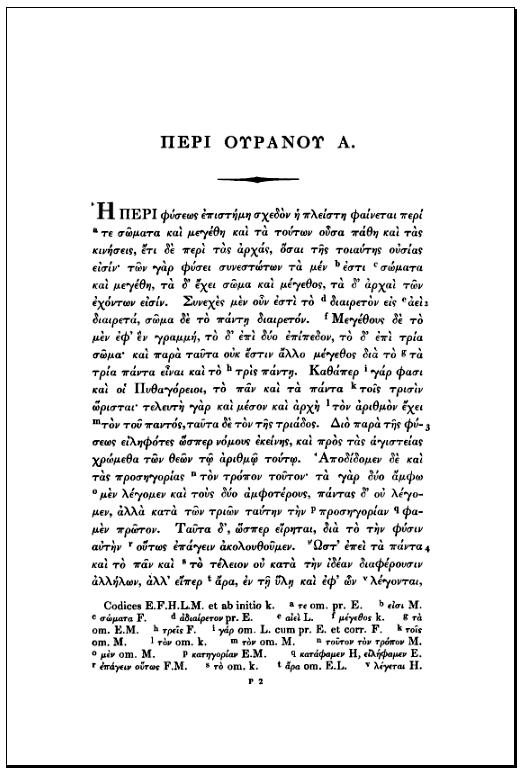

Ready when you are
Start chatting with Democritus now.
20 messages free · No credit card · Available in 50+ languages.