


Primary sourceBookc. 350 BCE
On the Soul
Aristotle · c. 350 BCE
Aristotle's treatise examining the nature of the soul and its powers of nutrition, perception and thought.
Aristotle's own treatise sets out his theory of the soul, a foundation of his philosophy of living things.
About this source
What it is
On the Soul (De Anima) is a treatise written by Aristotle around 350 BCE, dividing living things by the capacities of their souls. It is organised into three books, moving from a survey of earlier thinkers' views to Aristotle's own account of nutrition, sensation and intellect.
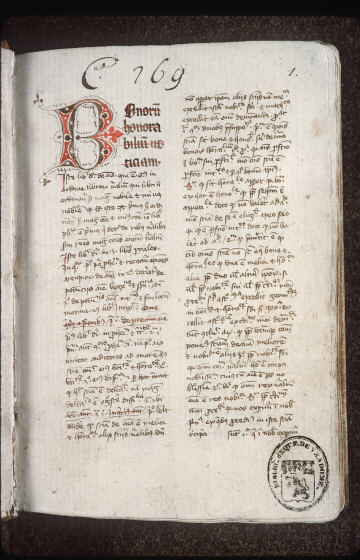
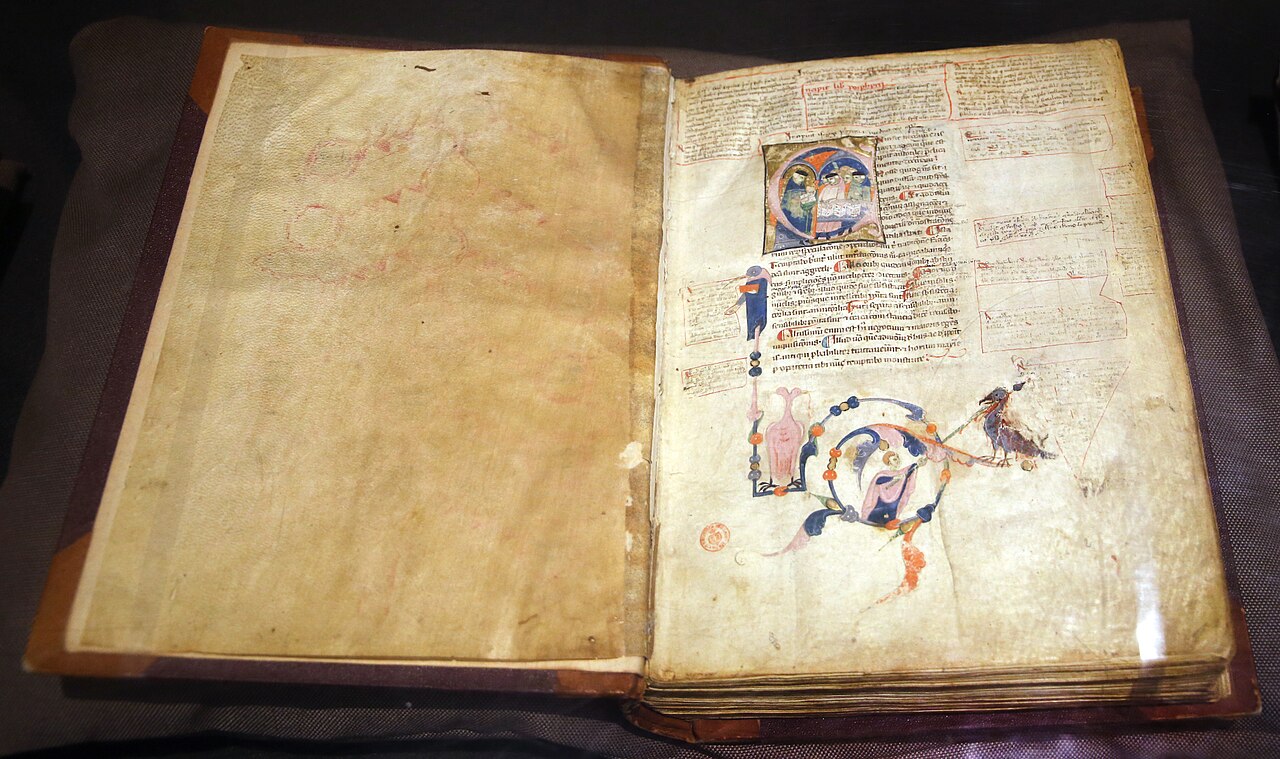
Shown here is a page from a later illuminated manuscript commentary on the work, with a decorated initial letter and handwritten Latin text.
Why it matters
Aristotle argues the soul is not a separate substance from the body but its form or essence, meaning body and soul cannot be meaningfully separated for most living things. This view shaped philosophical and later medieval debates about life, mind and body for centuries, influencing thinkers who studied and commented on his work.
Look closer
- Why might Aristotle have organised souls by level, from plants to animals to humans?
- What does it mean to say the soul is the
This book is part of the curated material that grounds the AI version of Aristotle on Humy.ai — when students ask about related events, the AI can quote it and cite it.
More Aristotle sources
Meet the AI Aristotle →

Ready when you are
Start chatting with Aristotle now.
20 messages free · No credit card · Available in 50+ languages.