


Primary sourceBookc. 298 BCE
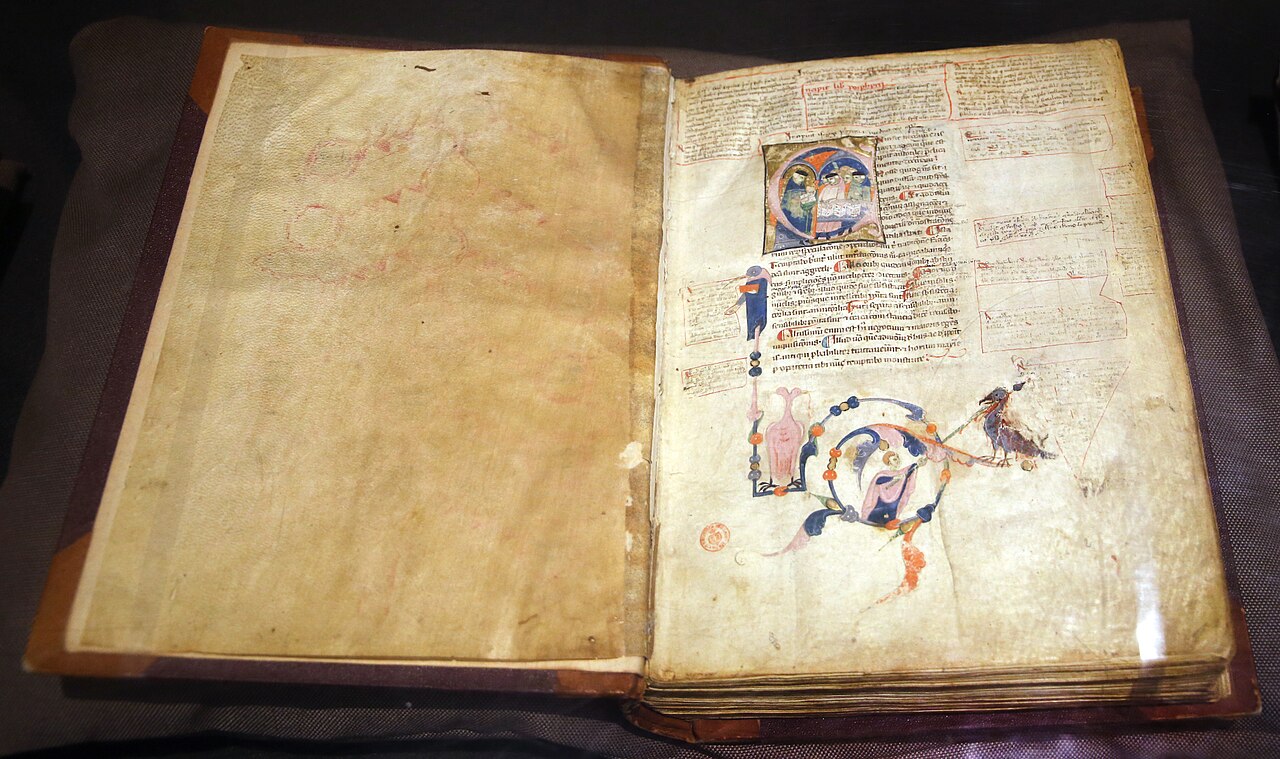
On Generation and Corruption
Aristotle · c. 298 BCE
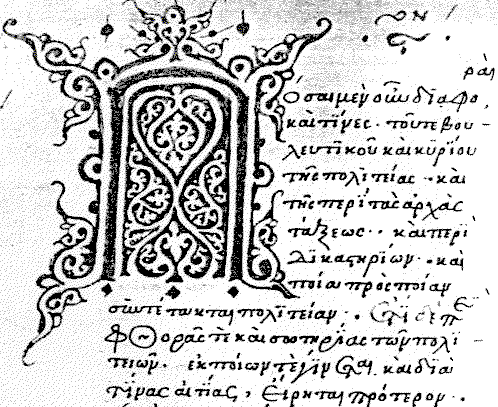
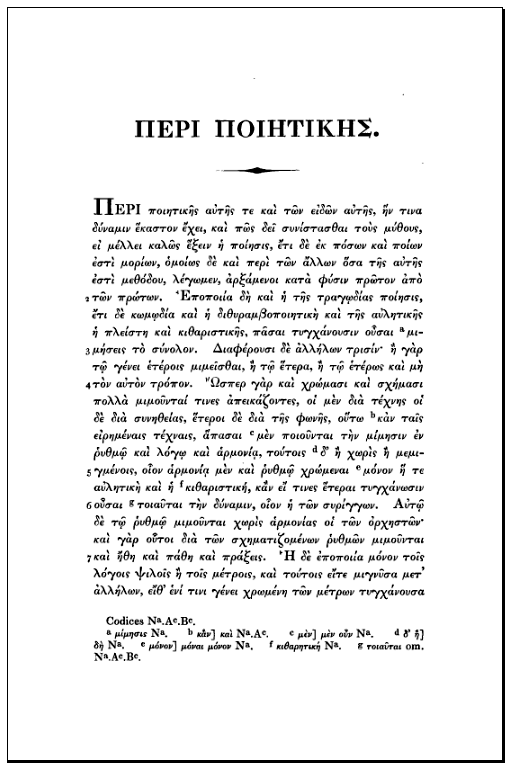
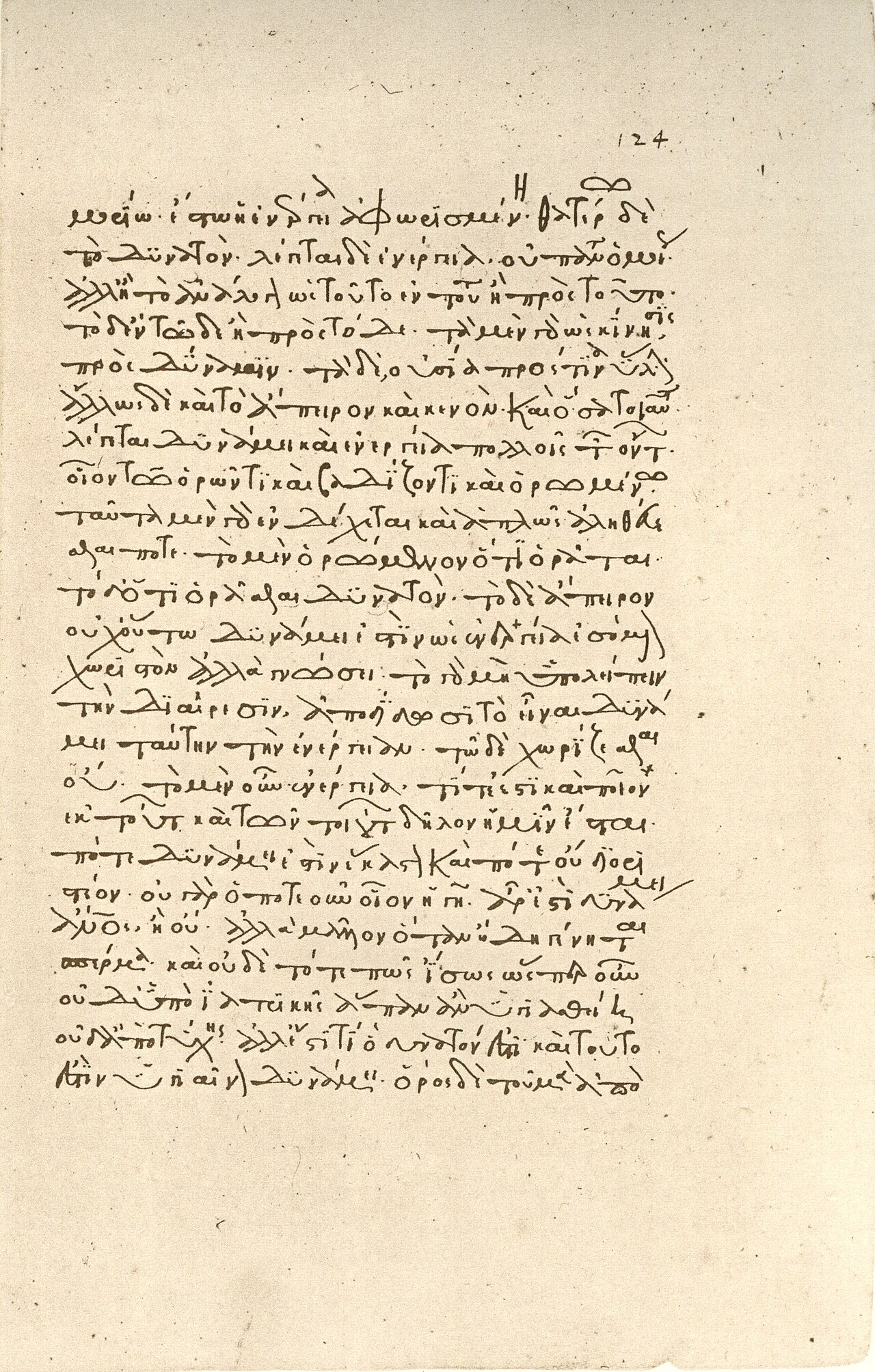
A treatise by Aristotle explaining how things come to be and perish, using the theory of the four elements.
This treatise, written by Aristotle himself, presents his core theory of matter and change.
About this source
What it is
This is a philosophical and scientific treatise written by Aristotle. It explores how natural things come into existence and pass away, building on ideas from his earlier work the Physics.
Why it matters
The text lays out two of Aristotle's most influential ideas: the theory of the Four Causes and the theory of the Four Elements (earth, air, fire, water). It shows how Aristotle tried to explain change in nature through observation rather than myth, and how he argued against rival Greek thinkers who believed in atoms. The work shaped science and philosophy for centuries after him.
Look closer
- Why might Aristotle have rejected the idea of atoms?
- How does explaining nature through four elements differ from modern scientific explanations?
- What does this text reveal about how ancient Greeks tried to understand the physical world?
This book is part of the curated material that grounds the AI version of Aristotle on Humy.ai — when students ask about related events, the AI can quote it and cite it.
More Aristotle sources
Meet the AI Aristotle →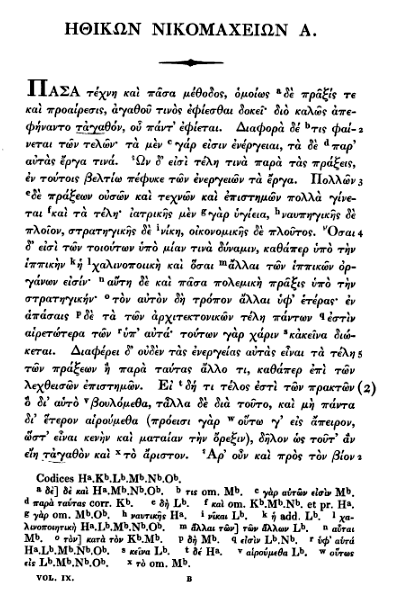
Ready when you are
Start chatting with Aristotle now.
20 messages free · No credit card · Available in 50+ languages.