


Primary sourceDocument1809
Piano Concerto No. 5
Ludwig van Beethoven · 1809
Beethoven composed his Piano Concerto No. 5, known as the 'Emperor', in 1809 while Vienna was under siege; by its premiere his deafness kept him from performing.
Composed as Beethoven's hearing failed, marking the point where he could no longer premiere his own concertos.
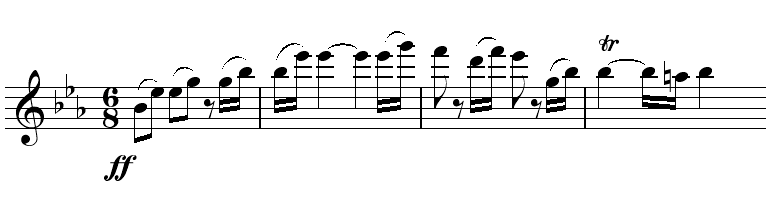
About this source
What it is
The Piano Concerto No. 5 in E-flat major, nicknamed the 'Emperor', was composed by Ludwig van Beethoven in 1809 and dedicated to his patron and pupil Archduke Rudolf. It premiered publicly in Leipzig in 1811 with another pianist as soloist.
Why it matters
This was the first of Beethoven's piano concertos that he could not premiere himself because his hearing loss made performing too difficult. Written while Vienna was under siege during the Napoleonic Wars, it reflects both his personal struggle and the turbulent times.
Look closer
- Why might Beethoven have been unable to play his own concerto at its premiere?
- What does the nickname 'Emperor' suggest, and is it accurate to how Beethoven felt about Napoleon?
- What might a short musical excerpt leave out about the full forty-minute work?
This document is part of the curated material that grounds the AI version of Ludwig van Beethoven on Humy.ai — when students ask about related events, the AI can quote it and cite it.
More Ludwig van Beethoven sources
Meet the AI Ludwig van Beethoven →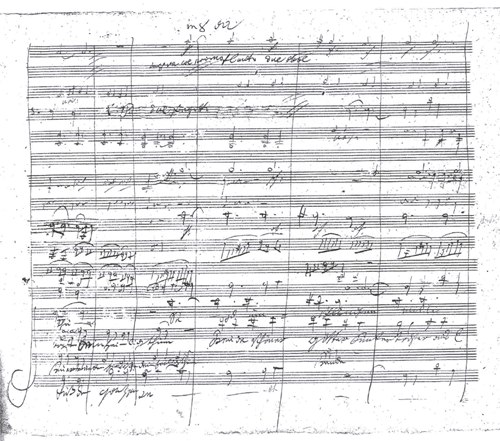 Document
Primary source
Symphony No. 9
Ludwig van Beethoven · 1824
 Sculpture
Secondary source
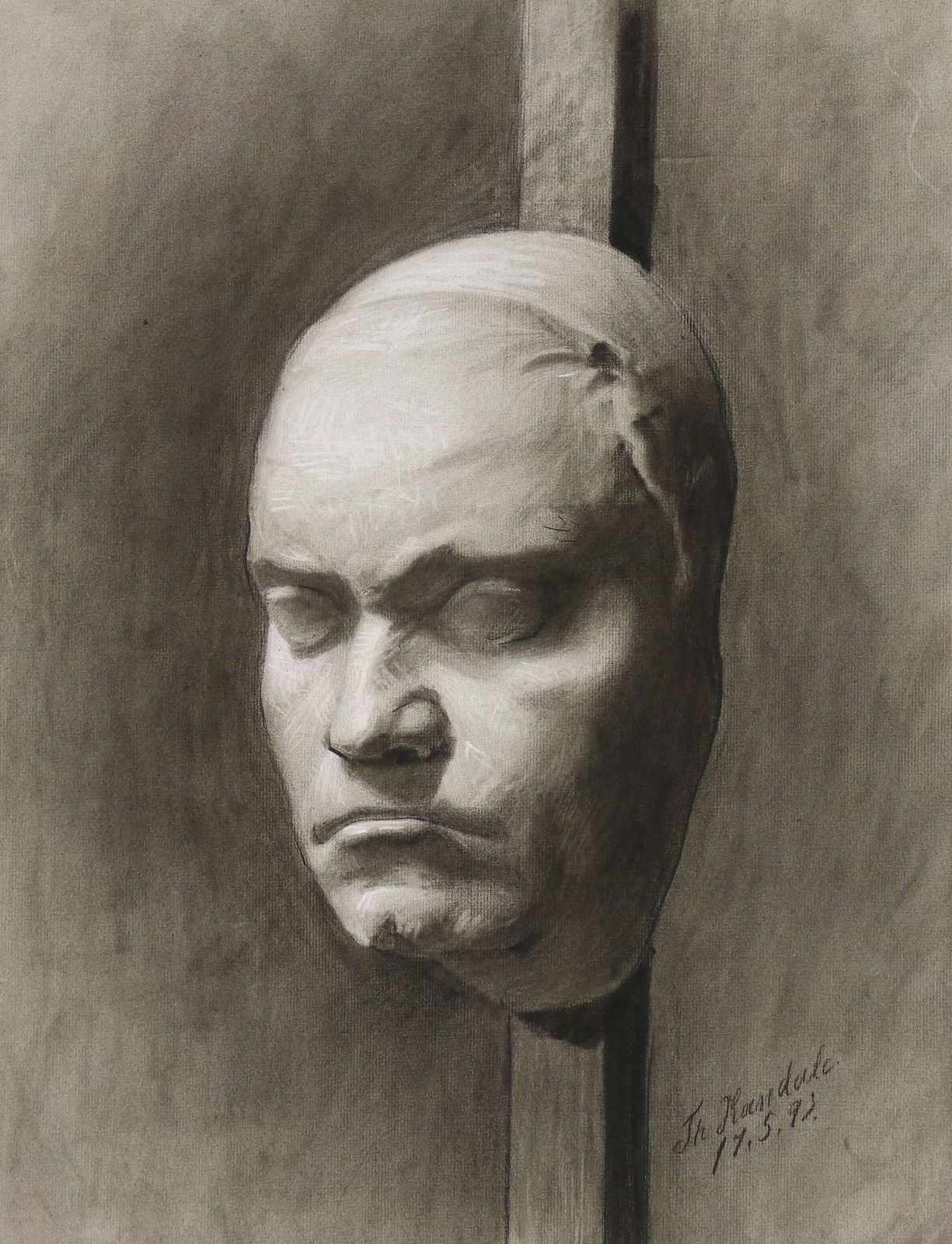
Death of Ludwig van Beethoven
Theodor Kandale (after Josef Danhauser) · 1827 (mask); drawing 1893
 Sculpture
Secondary source
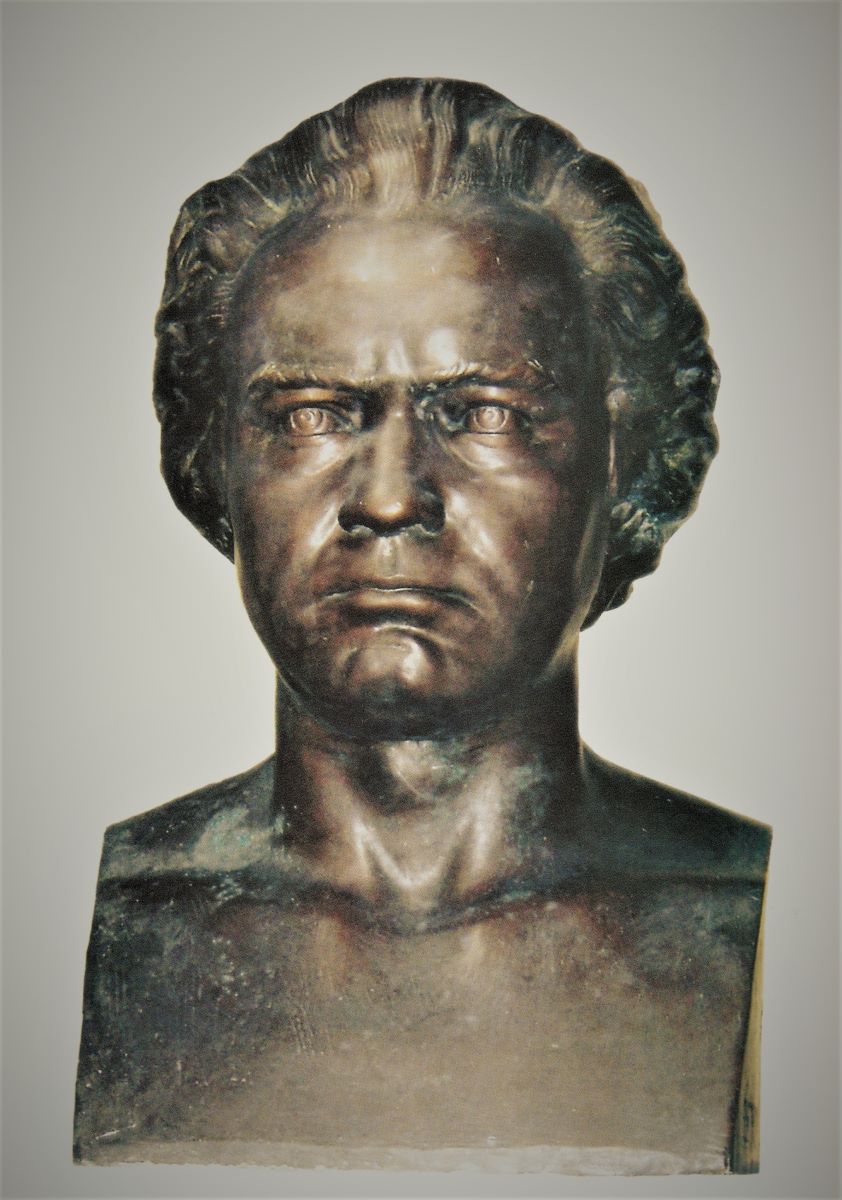
Bust of Ludwig van Beethoven by Frederic Storck
Frederic Storck · 1930
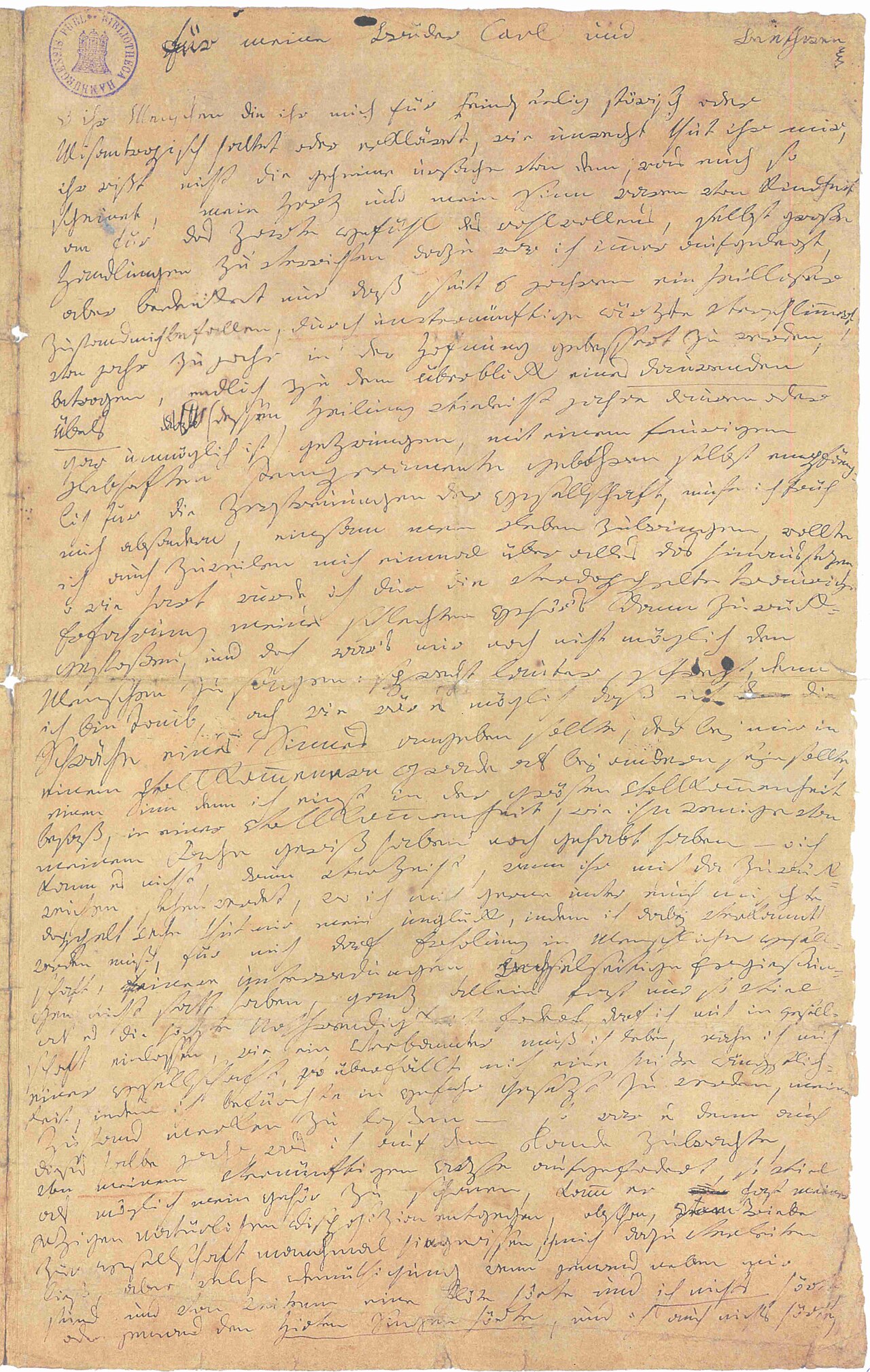 Letter
Primary source
Heiligenstadt Testament
Ludwig van Beethoven · 6 October 1802
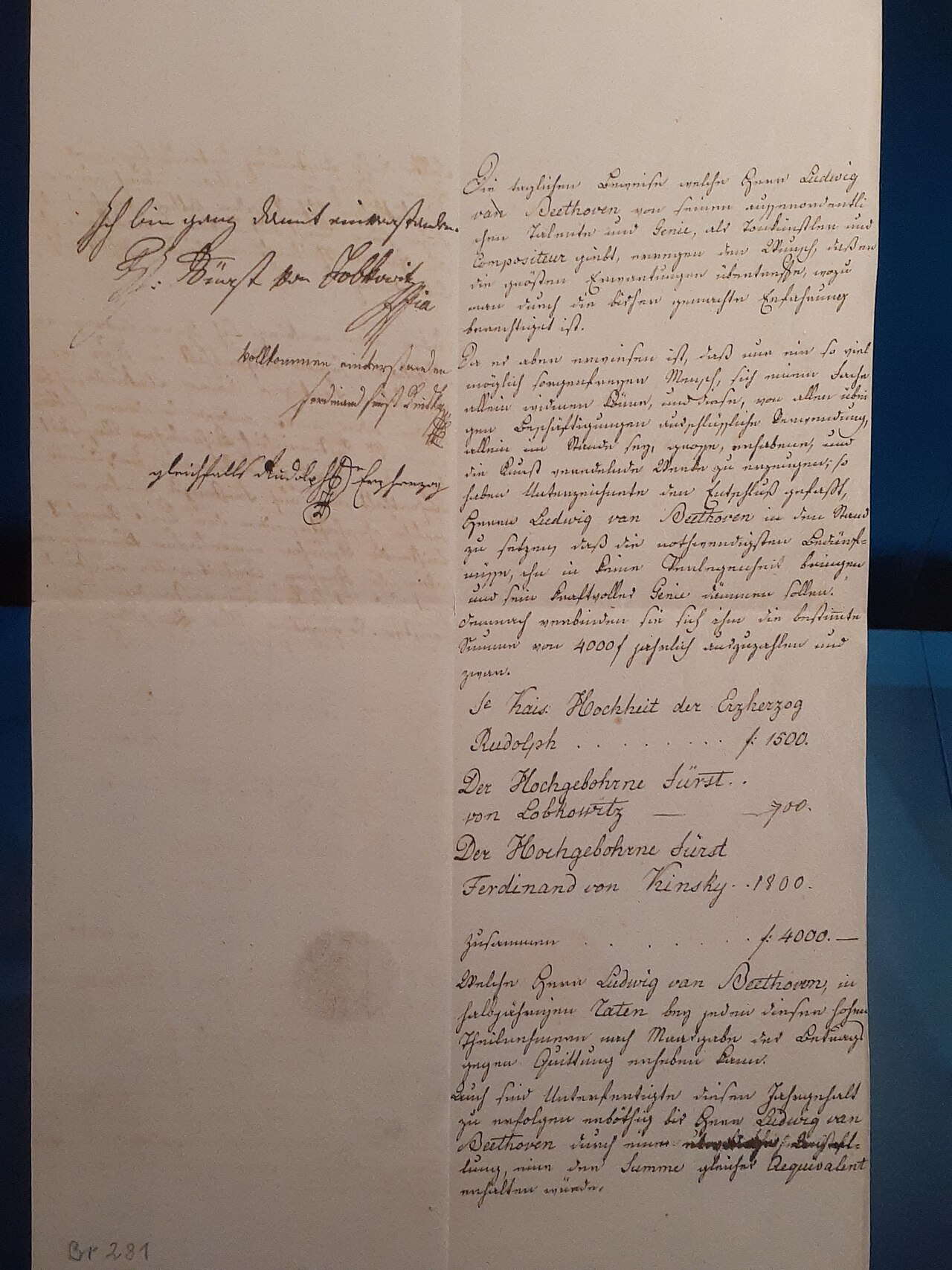 Document
Primary source
Agreement between Beethoven and Archduke Rudolph, Prince Kinsky and Prince Lobkowitz
1 March 1809
Ready when you are
Start chatting with Ludwig van Beethoven now.
20 messages free · No credit card · Available in 50+ languages.