


Primary sourceDocument1817
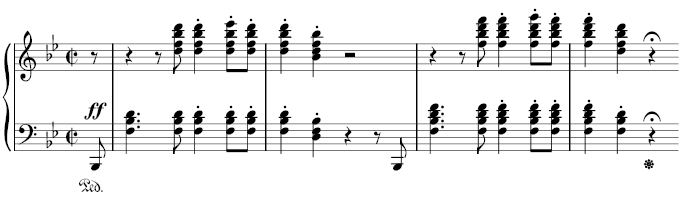
Piano Sonata No. 29 'Hammerklavier'
Ludwig van Beethoven · 1817
Composed in 1817, Beethoven's 'Hammerklavier' sonata is one of the most technically demanding works ever written for piano.
A summit of Beethoven's keyboard writing, composed during his demanding and productive late period.
About this source
What it is
The Piano Sonata No. 29 in B-flat major, Op. 106, known as the 'Hammerklavier', was composed by Ludwig van Beethoven in 1817 and published the following year. It was dedicated to his patron Archduke Rudolf.
Why it matters
Widely viewed as one of the most technically challenging piano works ever written, it marks a turning point between Beethoven's middle and late styles. It shows Beethoven pushing both the piano and the performer to new limits during a period when his personal life and health were difficult.
Look closer
- Why might a composer deliberately write music that is extremely difficult to play?
- What does the dense, complex notation in the score suggest about the demands placed on the performer?
- What can we not learn about the music just by looking at the written notes?
This document is part of the curated material that grounds the AI version of Ludwig van Beethoven on Humy.ai — when students ask about related events, the AI can quote it and cite it.
More Ludwig van Beethoven sources
Meet the AI Ludwig van Beethoven →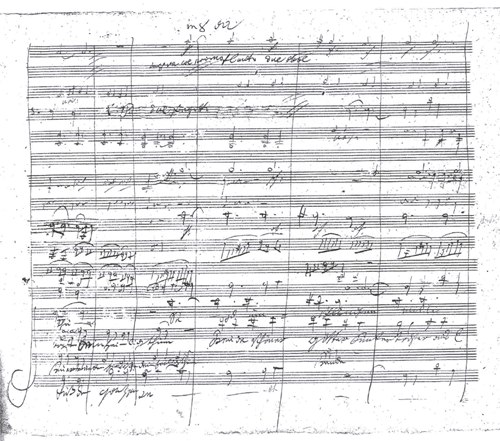 Document
Primary source
Symphony No. 9
Ludwig van Beethoven · 1824
 Sculpture
Secondary source
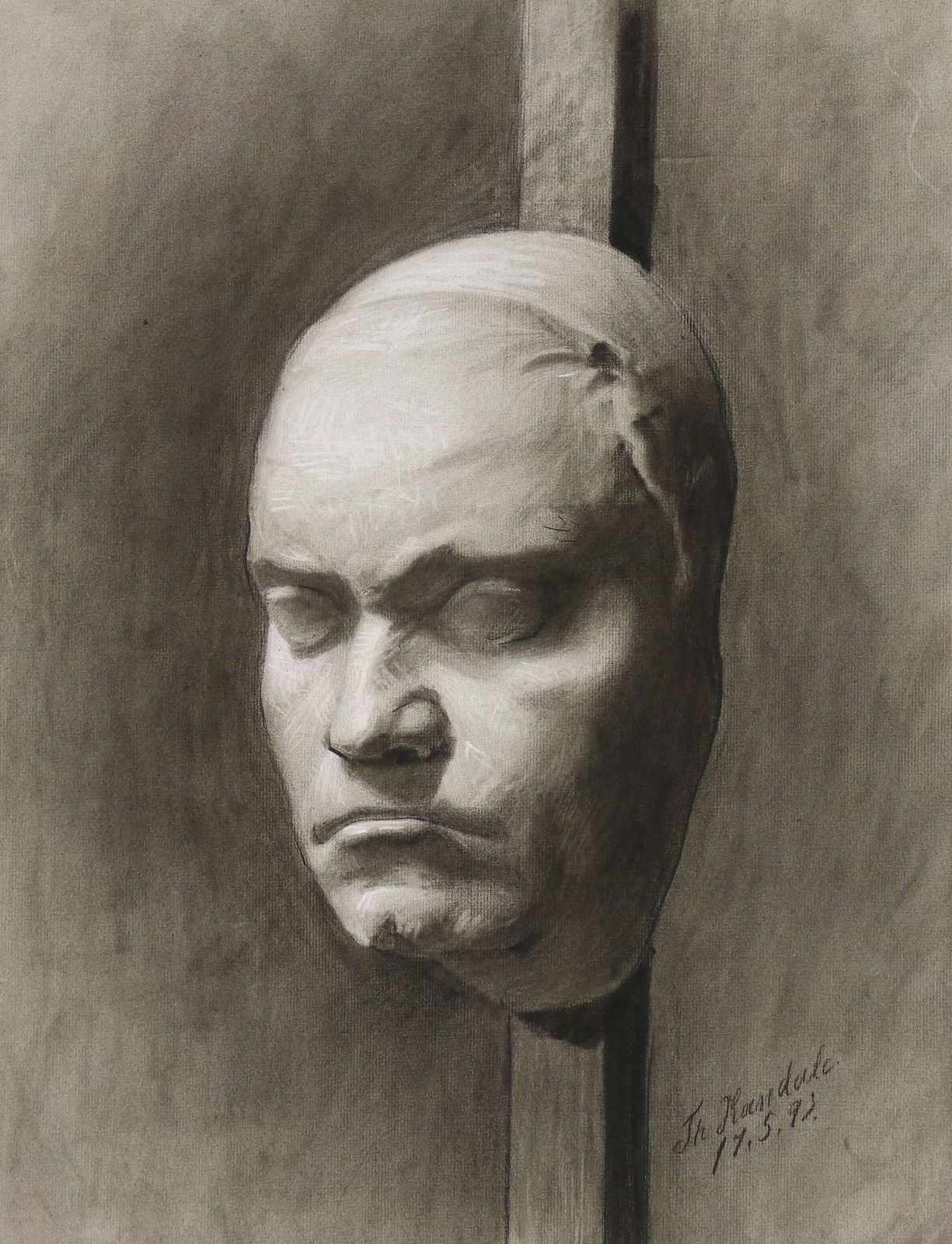
Death of Ludwig van Beethoven
Theodor Kandale (after Josef Danhauser) · 1827 (mask); drawing 1893
 Sculpture
Secondary source
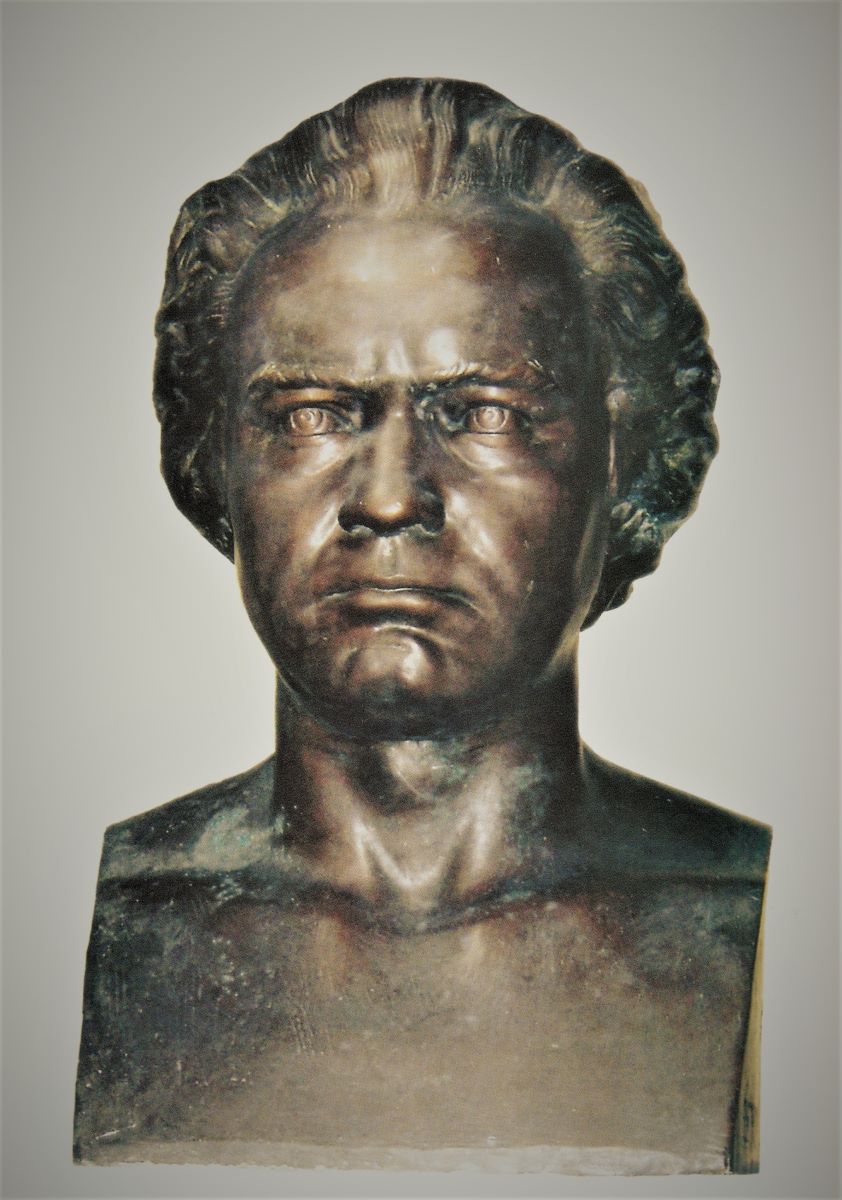
Bust of Ludwig van Beethoven by Frederic Storck
Frederic Storck · 1930
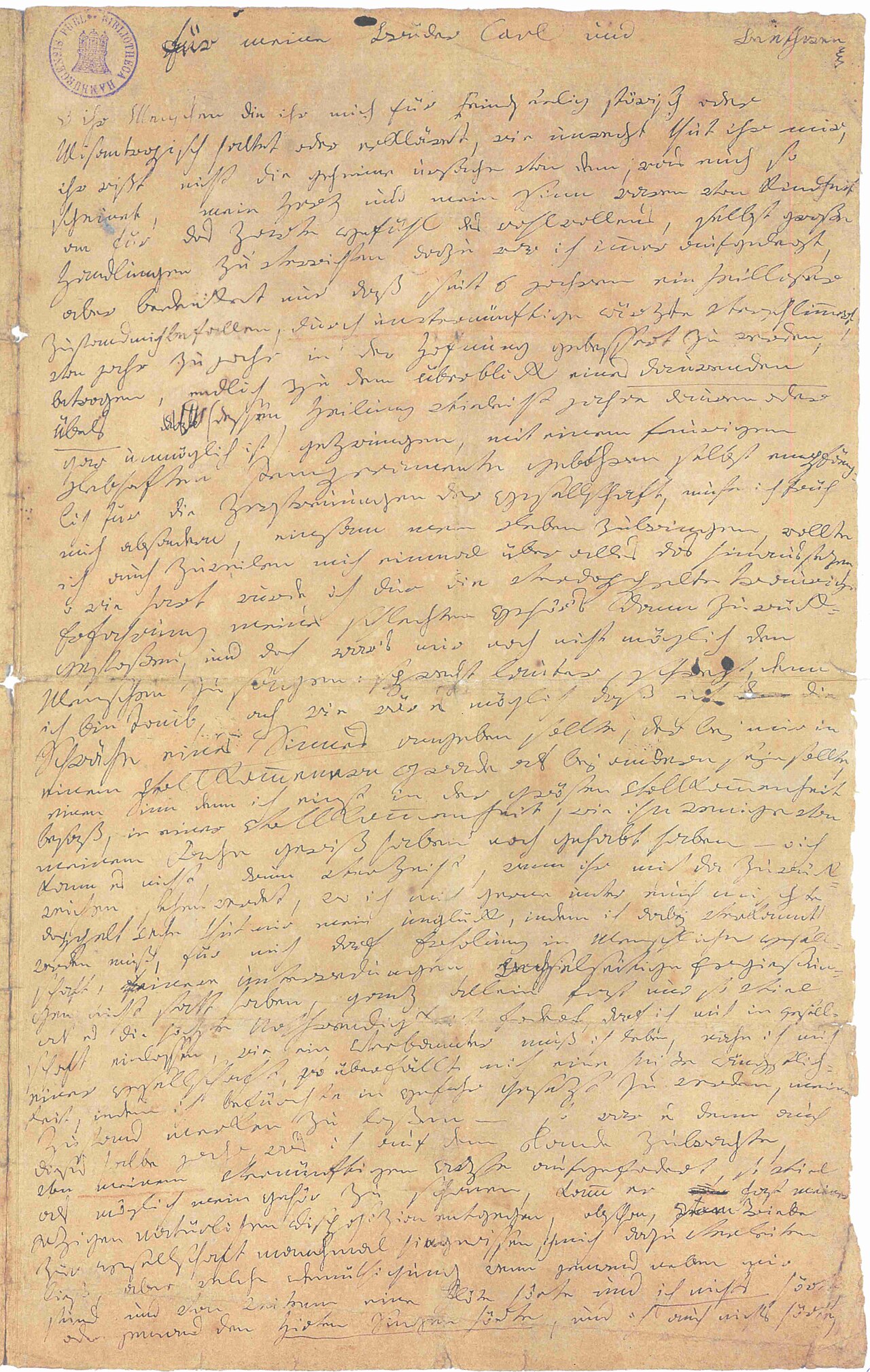 Letter
Primary source
Heiligenstadt Testament
Ludwig van Beethoven · 6 October 1802
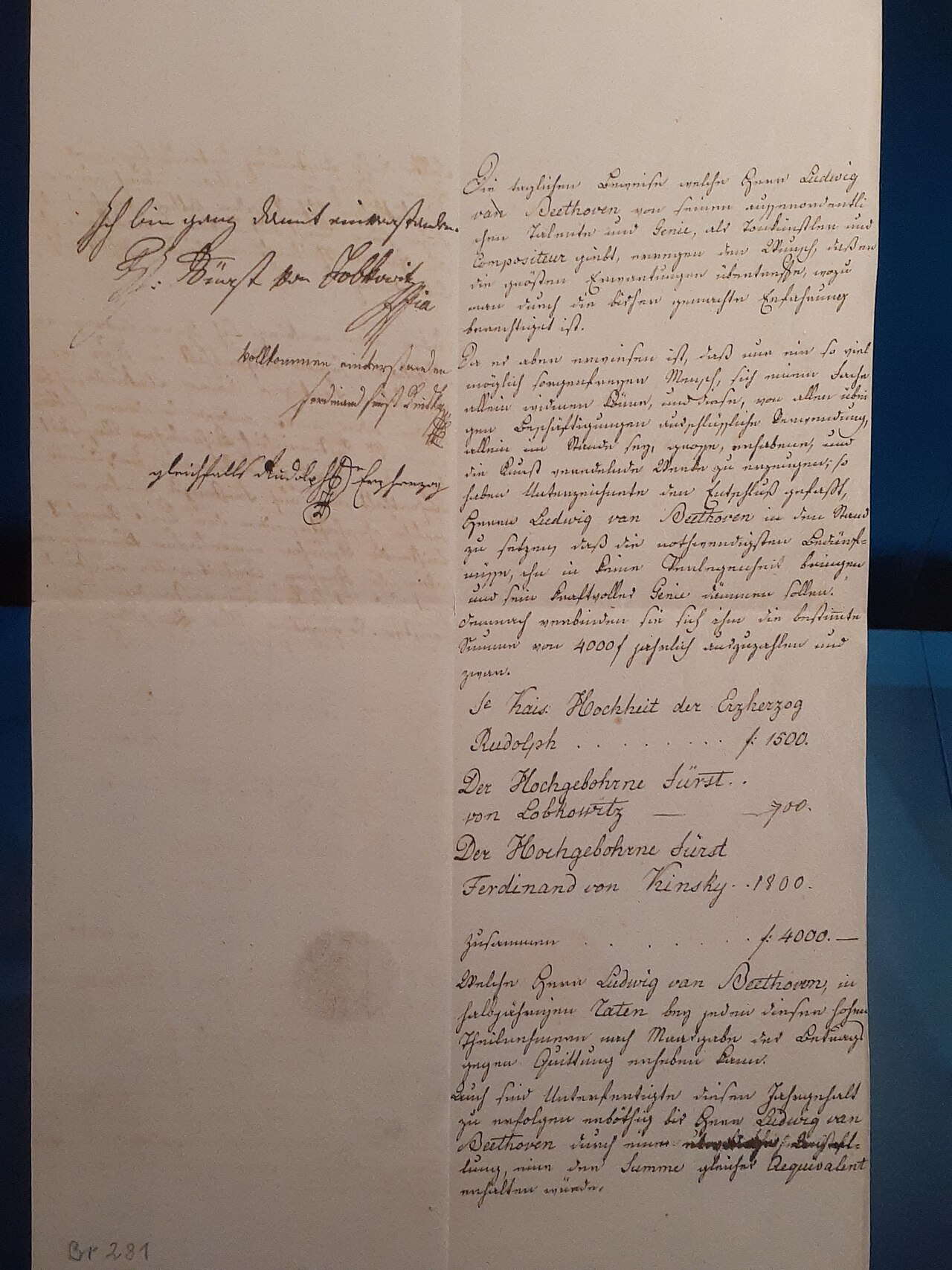 Document
Primary source
Agreement between Beethoven and Archduke Rudolph, Prince Kinsky and Prince Lobkowitz
1 March 1809
Ready when you are
Start chatting with Ludwig van Beethoven now.
20 messages free · No credit card · Available in 50+ languages.