


Primary sourceDocument1798
Piano Sonata No. 8 (Pathétique)
Ludwig van Beethoven · 1798
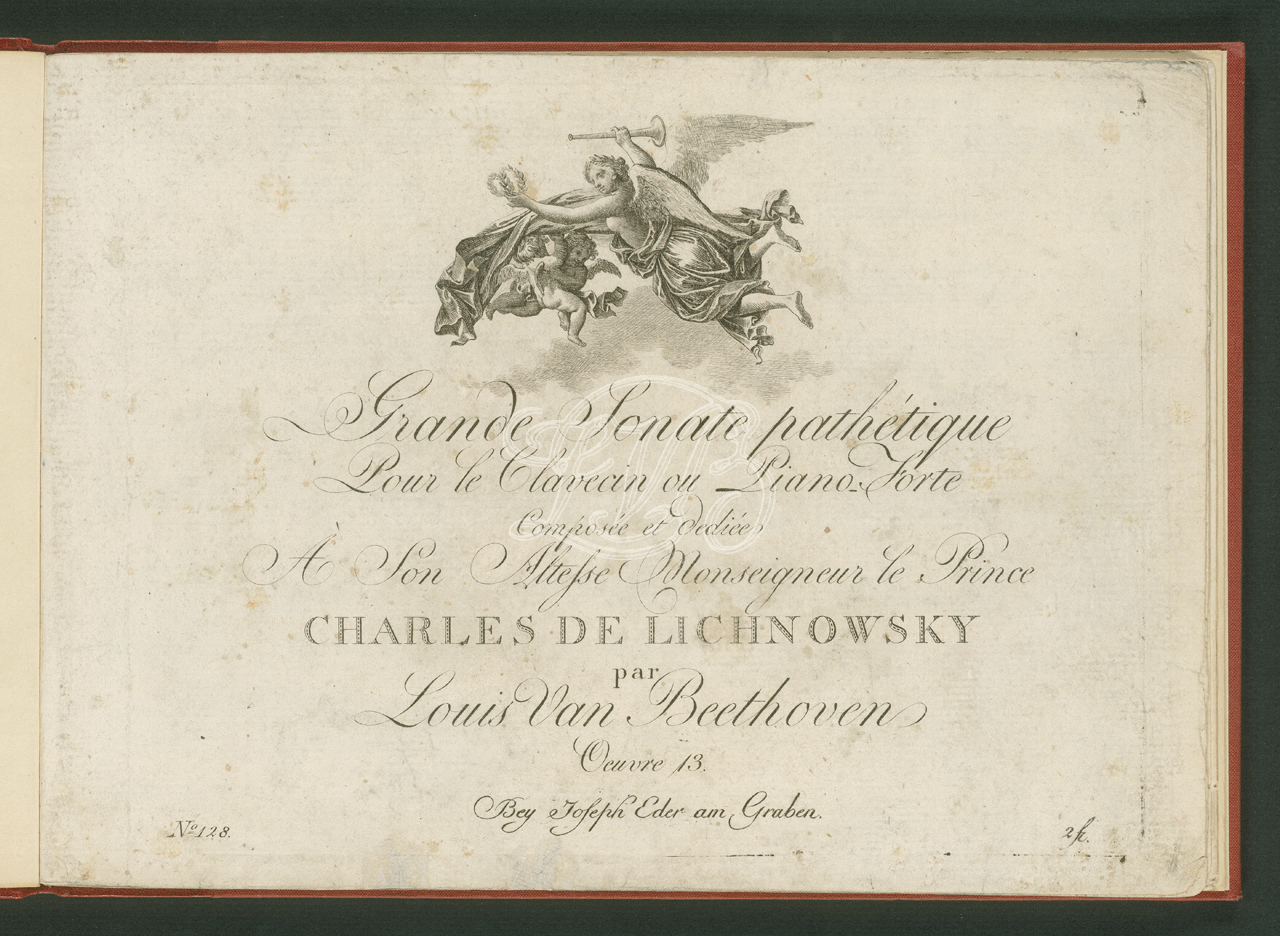
Beethoven's dramatic C minor piano sonata of 1798, published as 'Grande sonate pathétique,' which helped establish his reputation as a composer.
This sonata marked Beethoven's early rise to fame as a composer, not just a performer.
About this source
What it is
The Piano Sonata No. 8 in C minor, Op. 13, was written by Beethoven in 1798 and published the following year. The publisher named it "Grande sonate pathétique," and it was dedicated to Beethoven's friend Prince Karl von Lichnowsky.
Why it matters
This sonata was an important early success for Beethoven, selling well and helping build his reputation as a serious composer rather than just a skilled pianist. It shows the bold, dramatic style he was developing early in his career in Vienna, a style that would influence later generations of musicians.
Look closer
- Why might the dramatic title have helped the sonata's popularity, even though Beethoven didn't choose it himself?
- What does the engraved title page tell you about how music was published and sold at the time?
- How might a young composer's early reputation shape the rest of his career?
This document is part of the curated material that grounds the AI version of Ludwig van Beethoven on Humy.ai — when students ask about related events, the AI can quote it and cite it.
More Ludwig van Beethoven sources
Meet the AI Ludwig van Beethoven →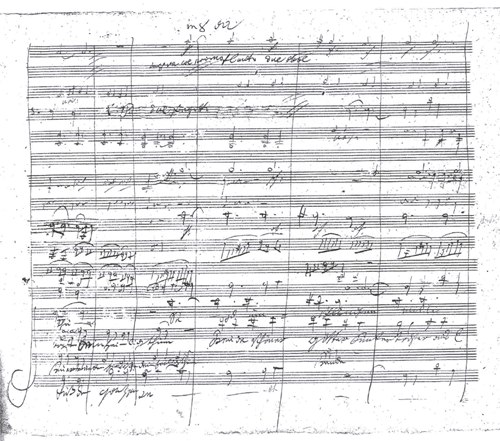 Document
Primary source
Symphony No. 9
Ludwig van Beethoven · 1824
 Sculpture
Secondary source
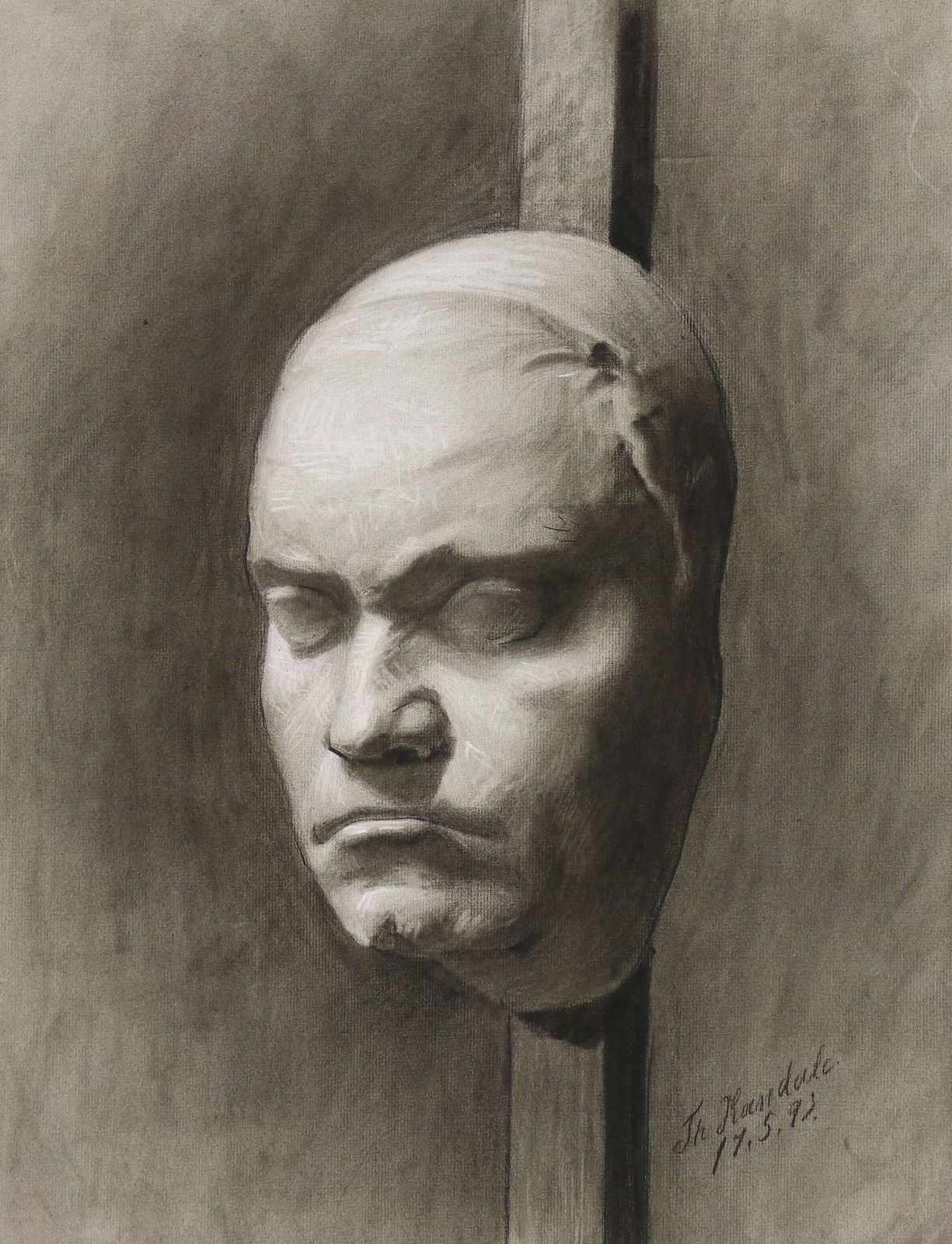
Death of Ludwig van Beethoven
Theodor Kandale (after Josef Danhauser) · 1827 (mask); drawing 1893
 Sculpture
Secondary source
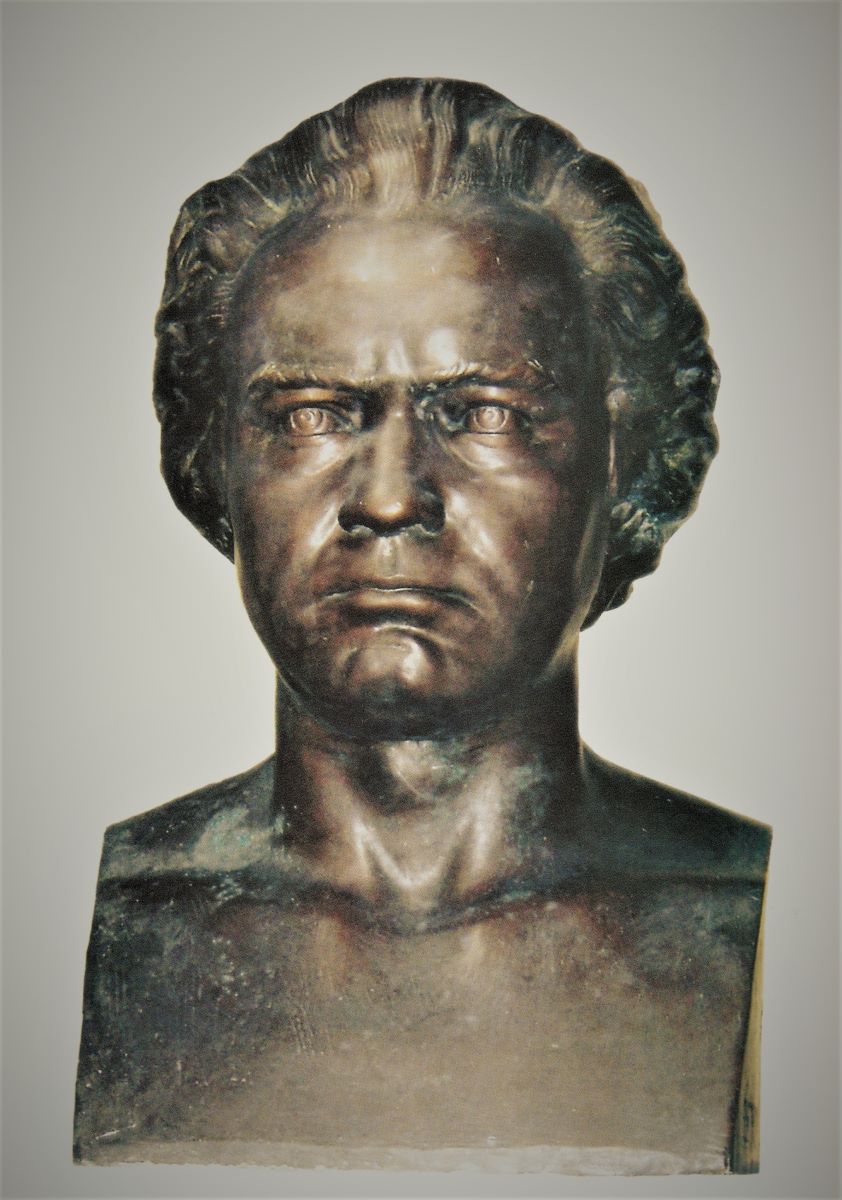
Bust of Ludwig van Beethoven by Frederic Storck
Frederic Storck · 1930
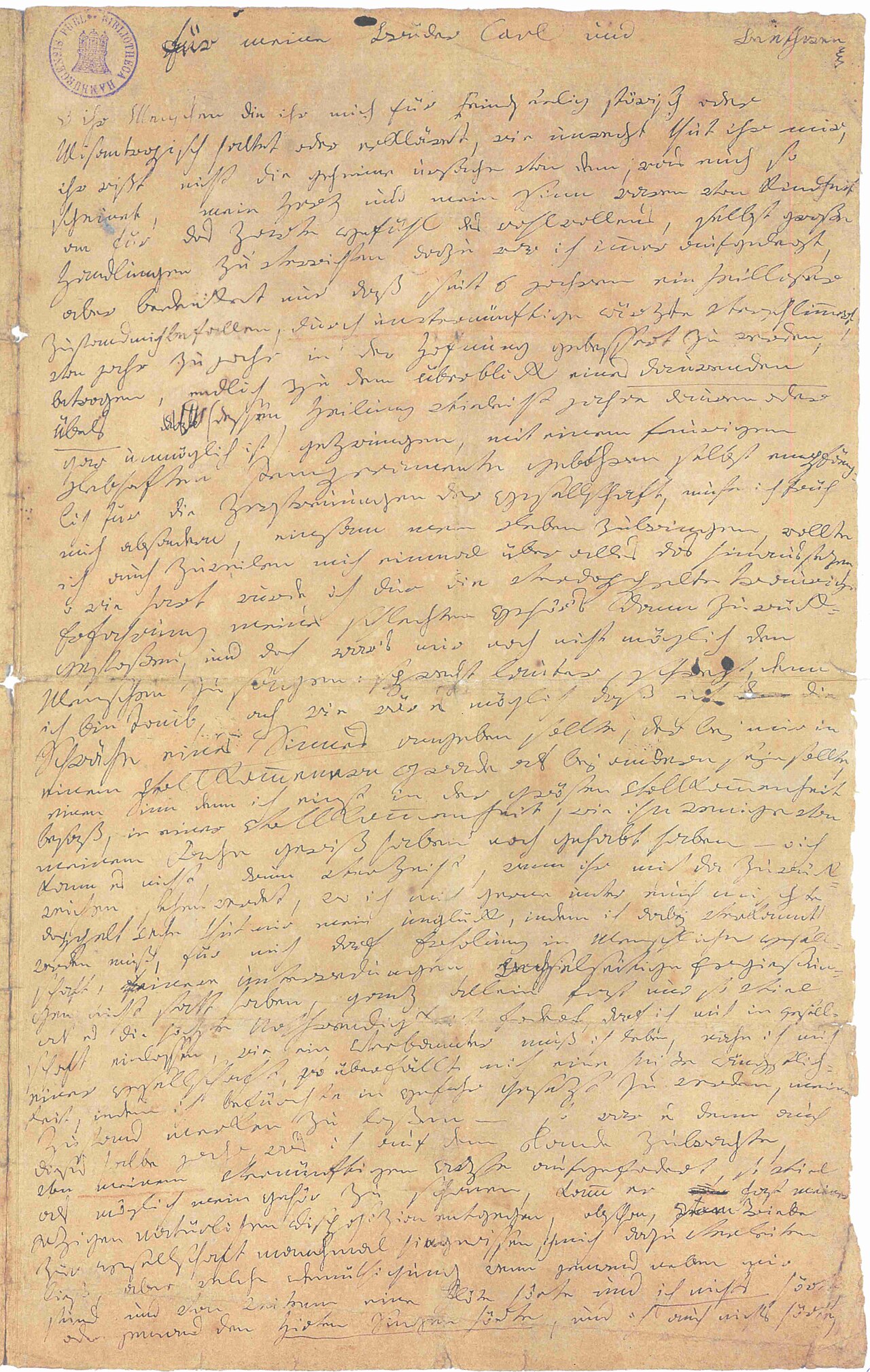 Letter
Primary source
Heiligenstadt Testament
Ludwig van Beethoven · 6 October 1802
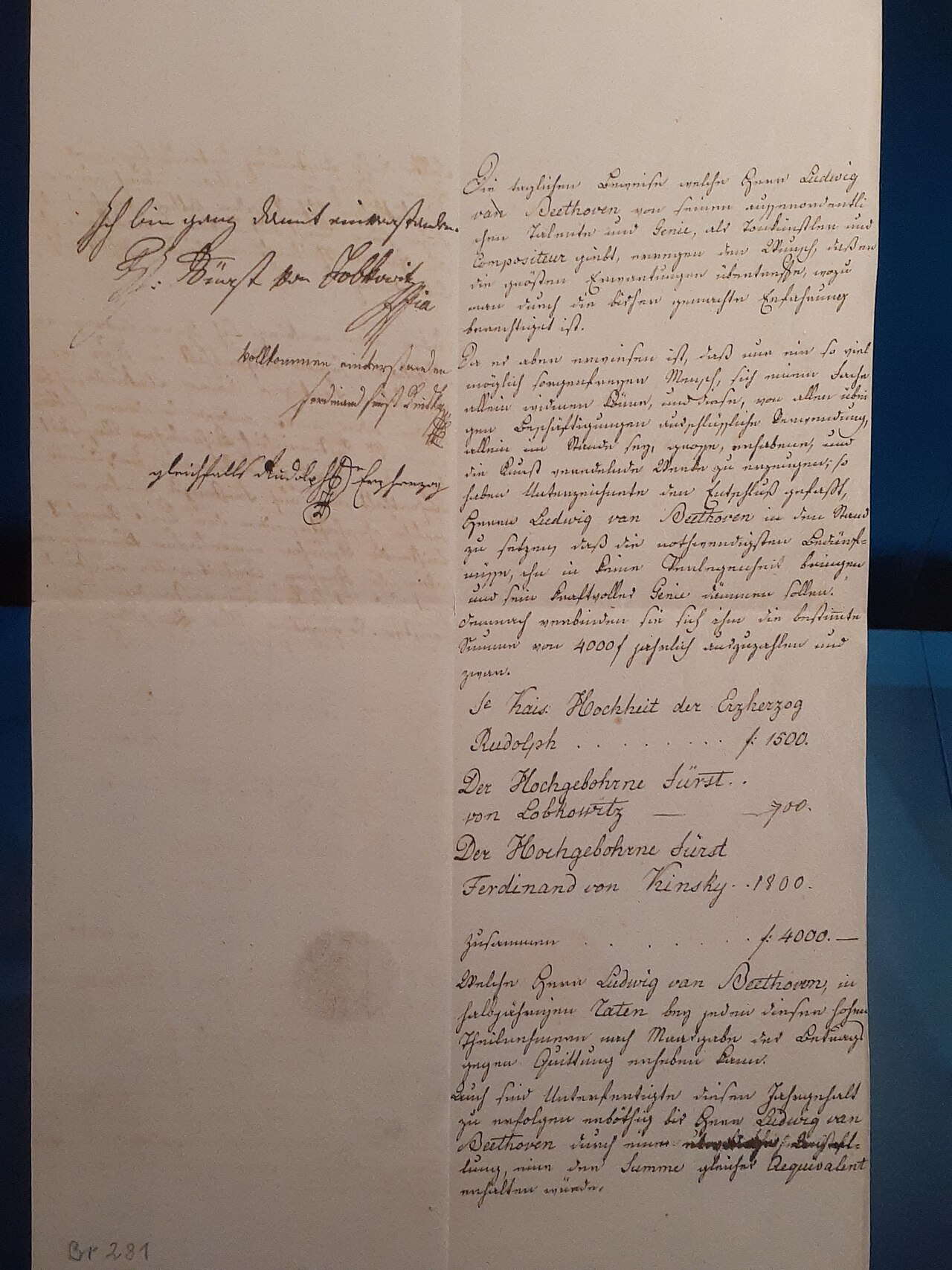 Document
Primary source
Agreement between Beethoven and Archduke Rudolph, Prince Kinsky and Prince Lobkowitz
1 March 1809
Ready when you are
Start chatting with Ludwig van Beethoven now.
20 messages free · No credit card · Available in 50+ languages.