


Primary sourceSculptureAmarna period, 18th dynasty
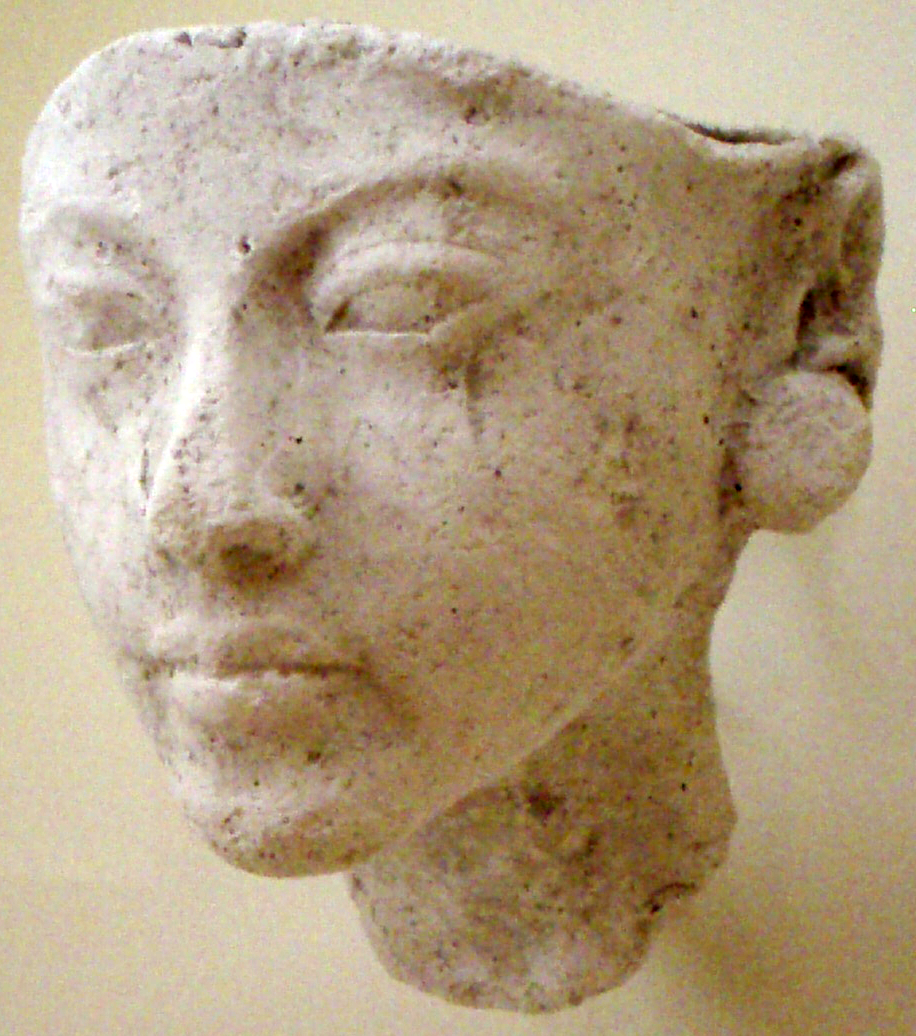
Plaster Portrait Study Thought to Be Nefertiti
Workshop of Thutmose · Amarna period, 18th dynasty
A plaster head study from the royal sculptor Thutmose's workshop at Amarna, believed to represent Queen Nefertiti.
This plaster study, found in the royal sculptor's workshop, is believed to be a portrait model of Nefertiti herself.
About this source
What it is
This is a plaster portrait study found in the workshop of Thutmose, the royal sculptor at Amarna, and is thought to represent Queen Nefertiti, the chief wife of Pharaoh Akhenaten. It is now part of the Egyptian Museum collection in Berlin.
Why it matters
Plaster studies like this were working models used by sculptors to prepare finished statues. Its discovery in Thutmose's workshop links it directly to the artistic production of the Amarna court, and gives a rare, lifelike glimpse of how royal portraits were developed, revealing much about both Nefertiti's image and the sculptor's craft.
Look closer
- Why might a sculptor create a plaster study before carving a final statue?
- What makes historians think this particular head represents Nefertiti rather than someone else?
- What might be different between a working study like this and a finished royal portrait?
This sculpture is part of the curated material that grounds the AI version of Queen Nefereti on Humy.ai — when students ask about related events, the AI can quote it and cite it.
More Queen Nefereti sources
Meet the AI Queen Nefereti →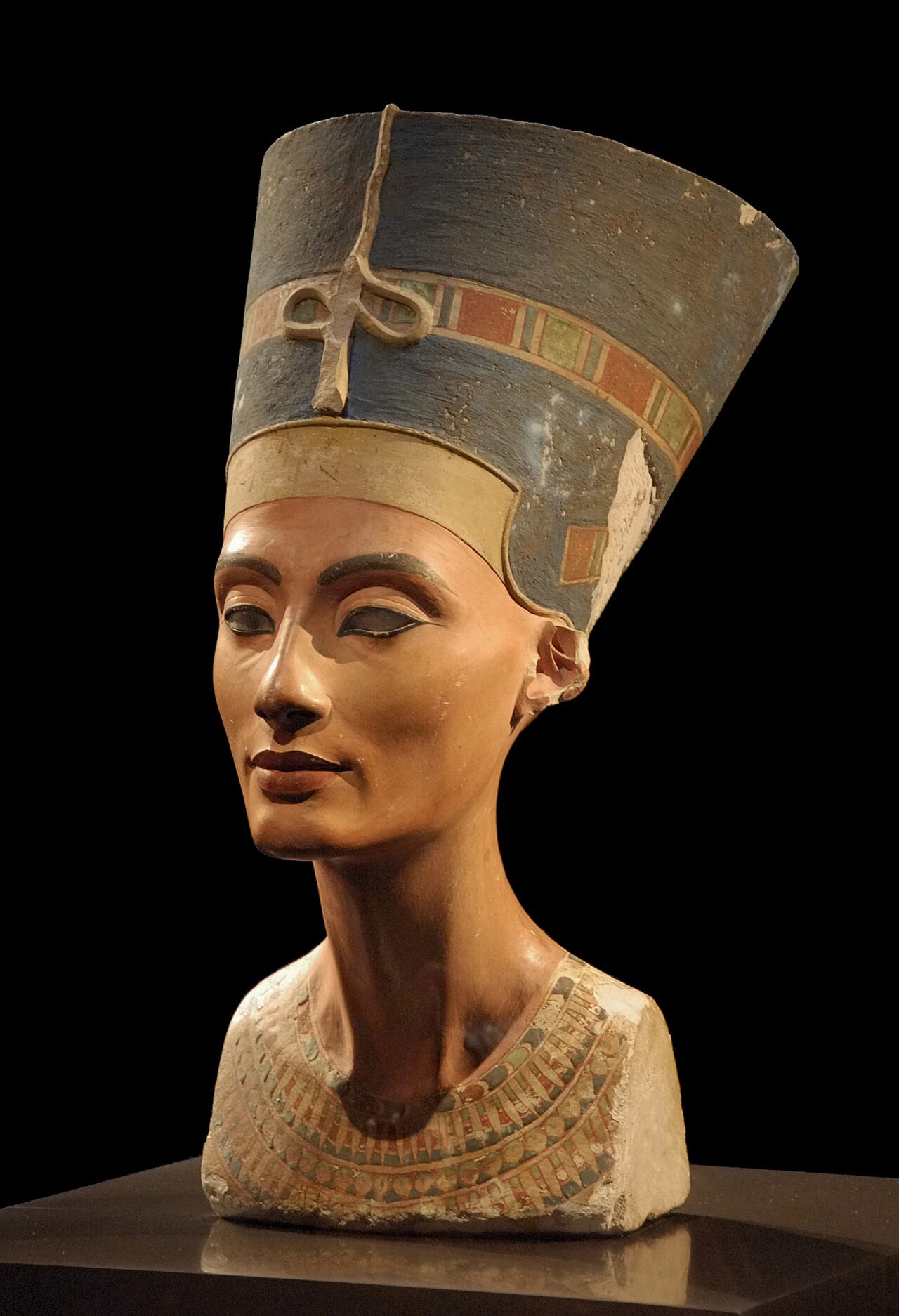 Sculpture
Primary source
Bust of Queen Nefertiti
Thutmose · c. 1345 BC
 Sculpture
Primary source
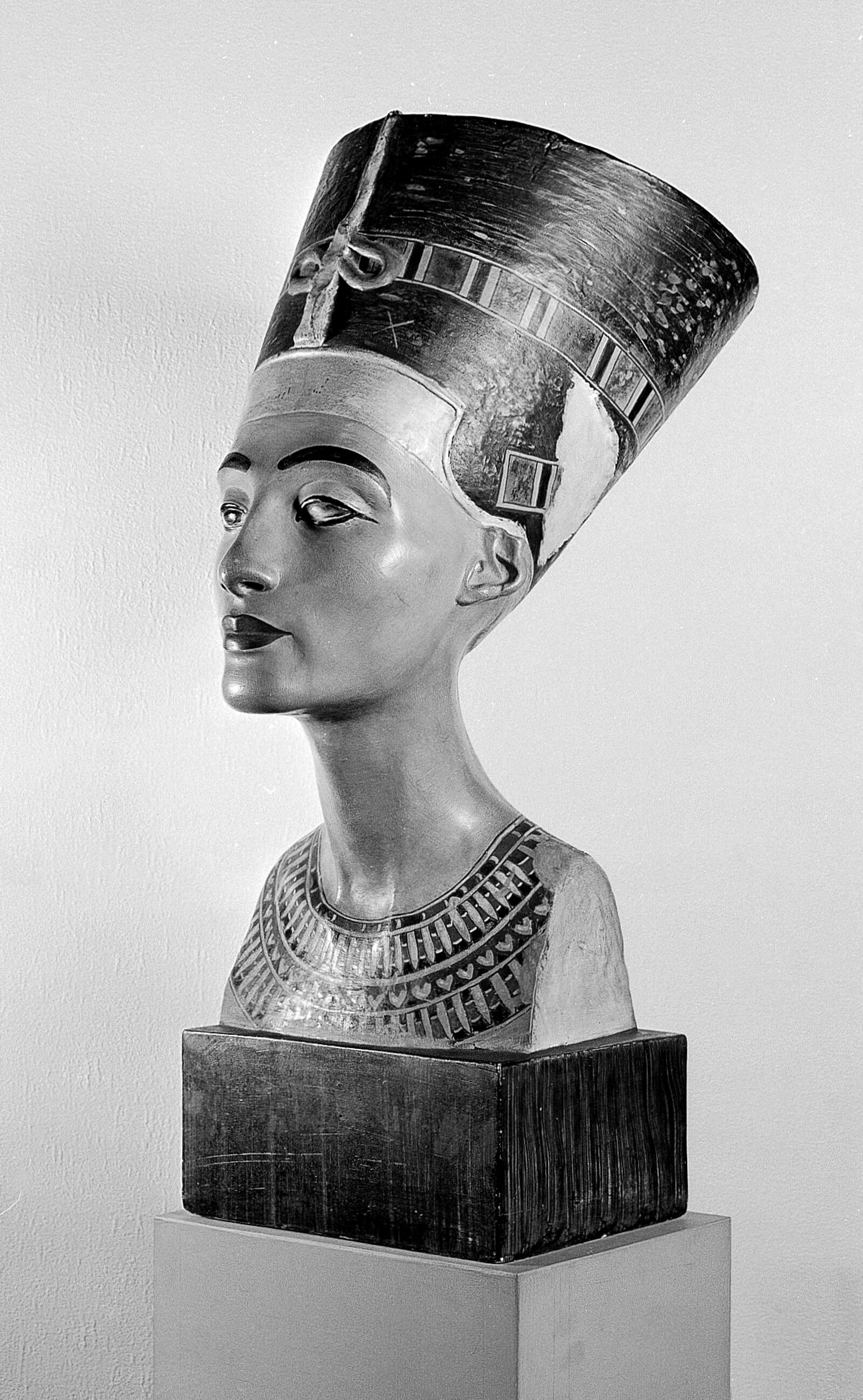
Figure of Nefertiti
 Sculpture
Primary source
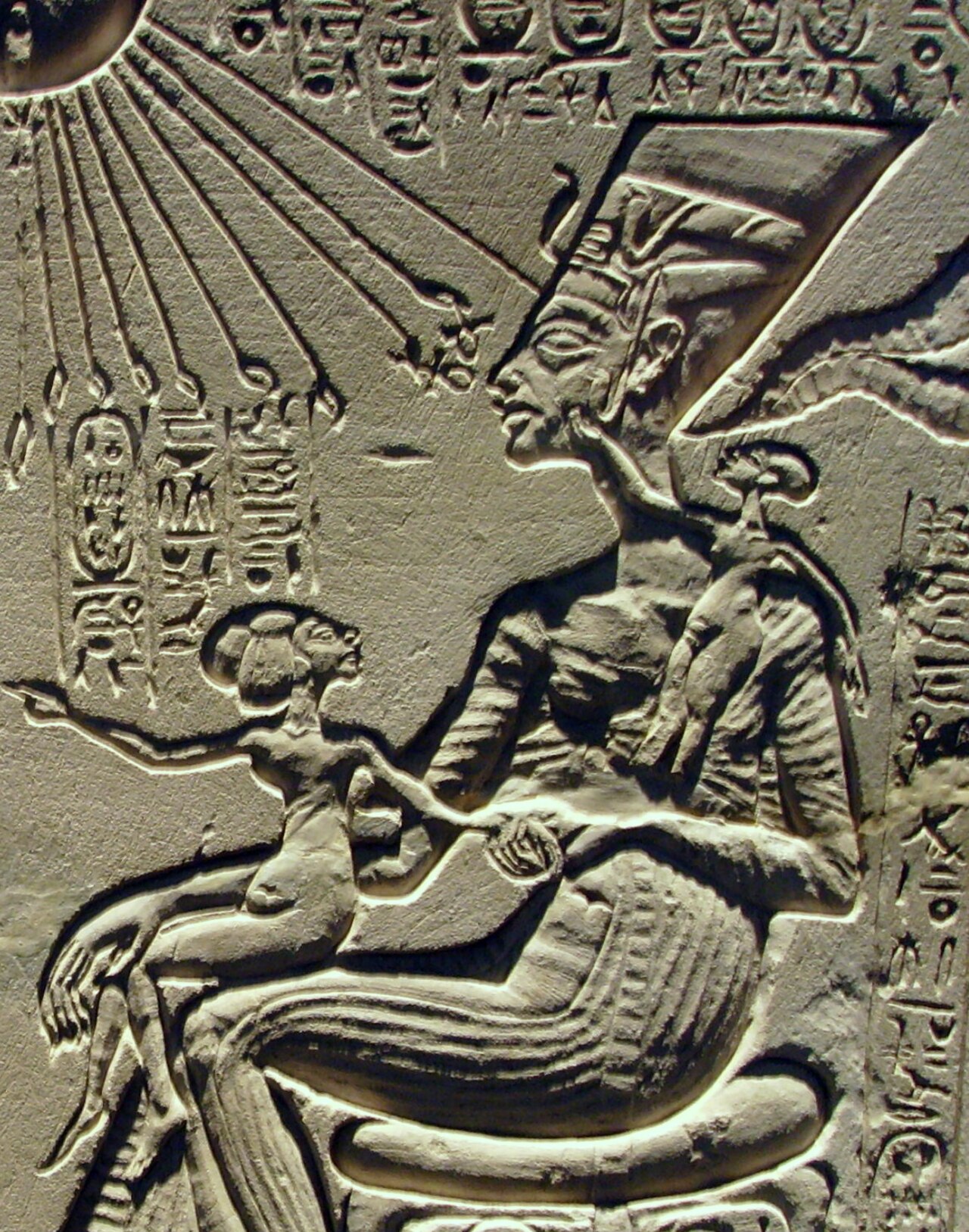
Akhenaten and His Family
c. 1352 BC
 Sculpture
Primary source
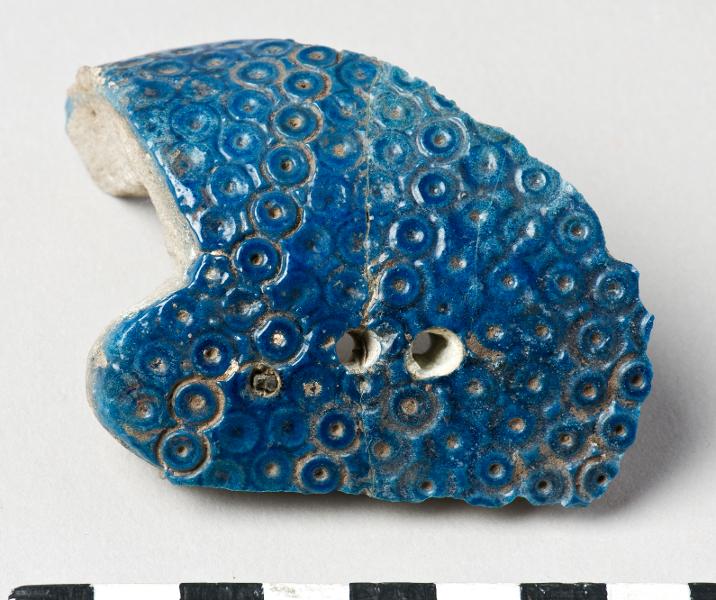
Relief Fragment Showing the Blue Crown of Nefertiti
 Document
Primary source
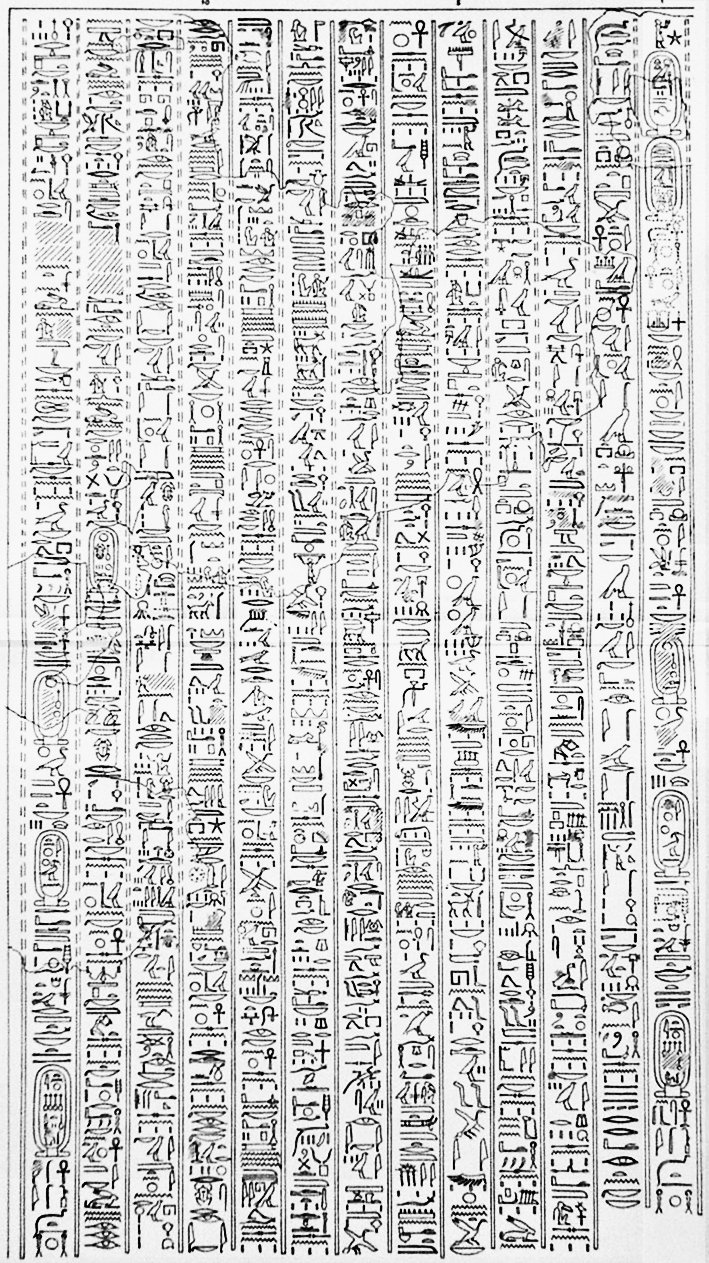
Great Hymn to the Aten
Akhenaten · c. 1350 BC
Ready when you are
Start chatting with Queen Nefereti now.
20 messages free · No credit card · Available in 50+ languages.