


Secondary sourceArtifact
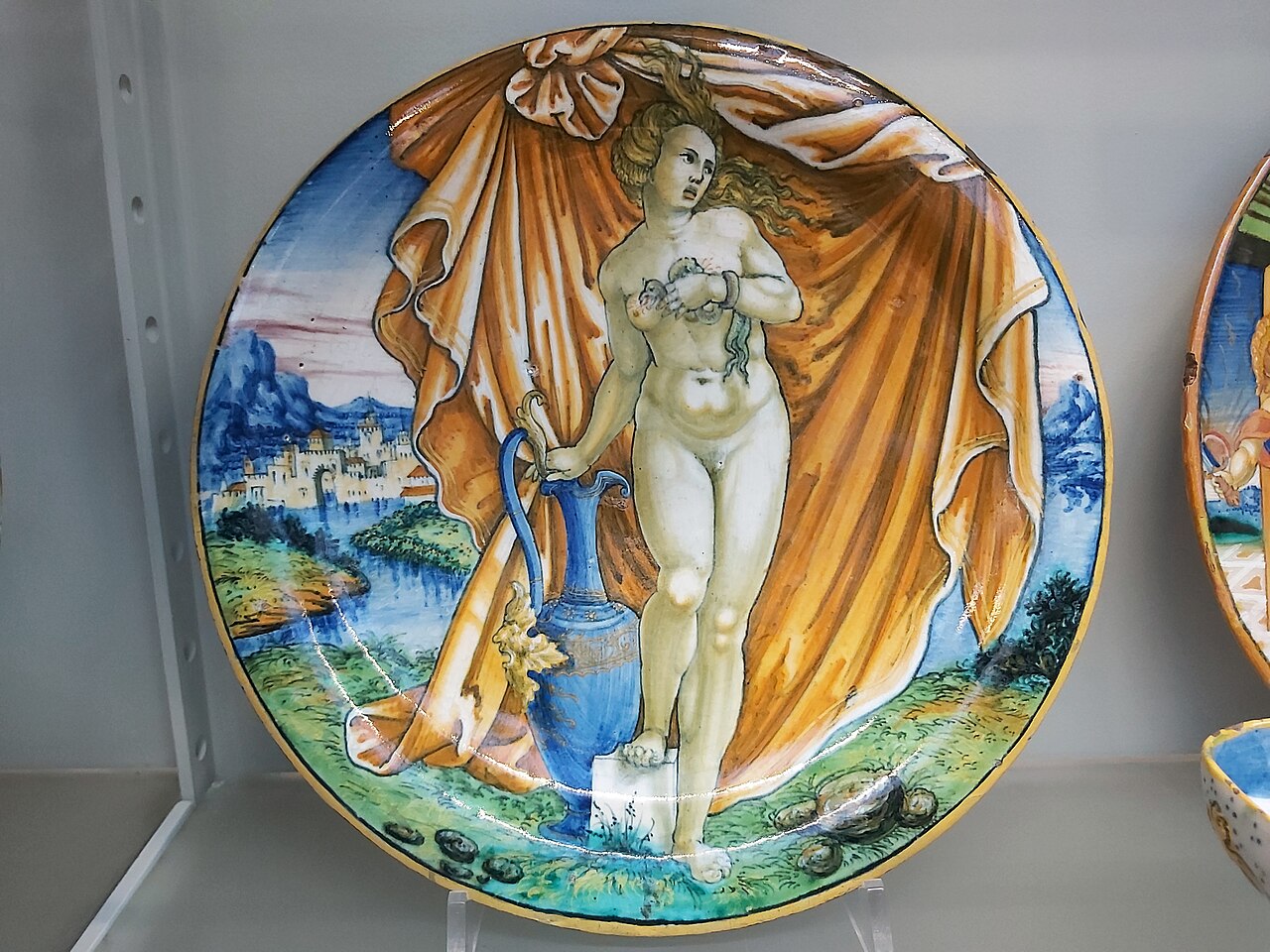
Plate with the Death of Cleopatra
A decorative majolica plate held by the Victoria and Albert Museum, showing Cleopatra's legendary death by snakebite.
This decorative plate shows the legendary death scene most associated with Cleopatra's final moments.
About this source
What it is
This is a painted majolica plate held at the Victoria and Albert Museum, decorated with a scene showing the death of Cleopatra. It depicts her as a nude figure holding a pitcher and a small serpent against her chest, set before a landscape with a walled town.
Why it matters
Cleopatra's death by snakebite, following her defeat in Rome's conquest of Egypt, became one of the most repeated subjects in later art. This plate shows how her story was turned into decorative art for everyday use, long after her actual lifetime, keeping the legend of her dramatic end alive.
Look closer
- Why might artists have chosen to show Cleopatra's death rather than other moments of her life and rule?
- What does the setting around her (the landscape, the town) add to the scene?
- What might be lost when a historical figure's death becomes a decorative image on an object like a plate?
This artifact is part of the curated material that grounds the AI version of Cleopatra on Humy.ai — when students ask about related events, the AI can quote it and cite it.
More Cleopatra sources
Meet the AI Cleopatra →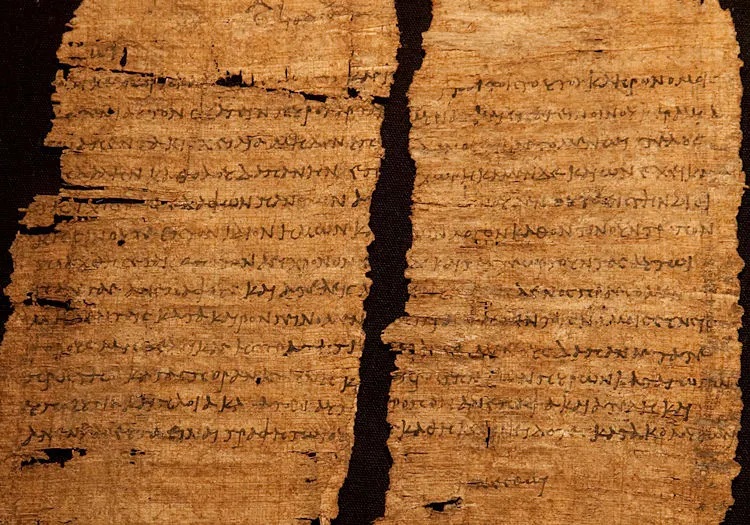 Document
Primary source
Papyrus with Signature of Cleopatra VII
Ptolemaic scribe; possibly countersigned by Cleopatra VII · February 33 BCE
 Painting
Secondary source
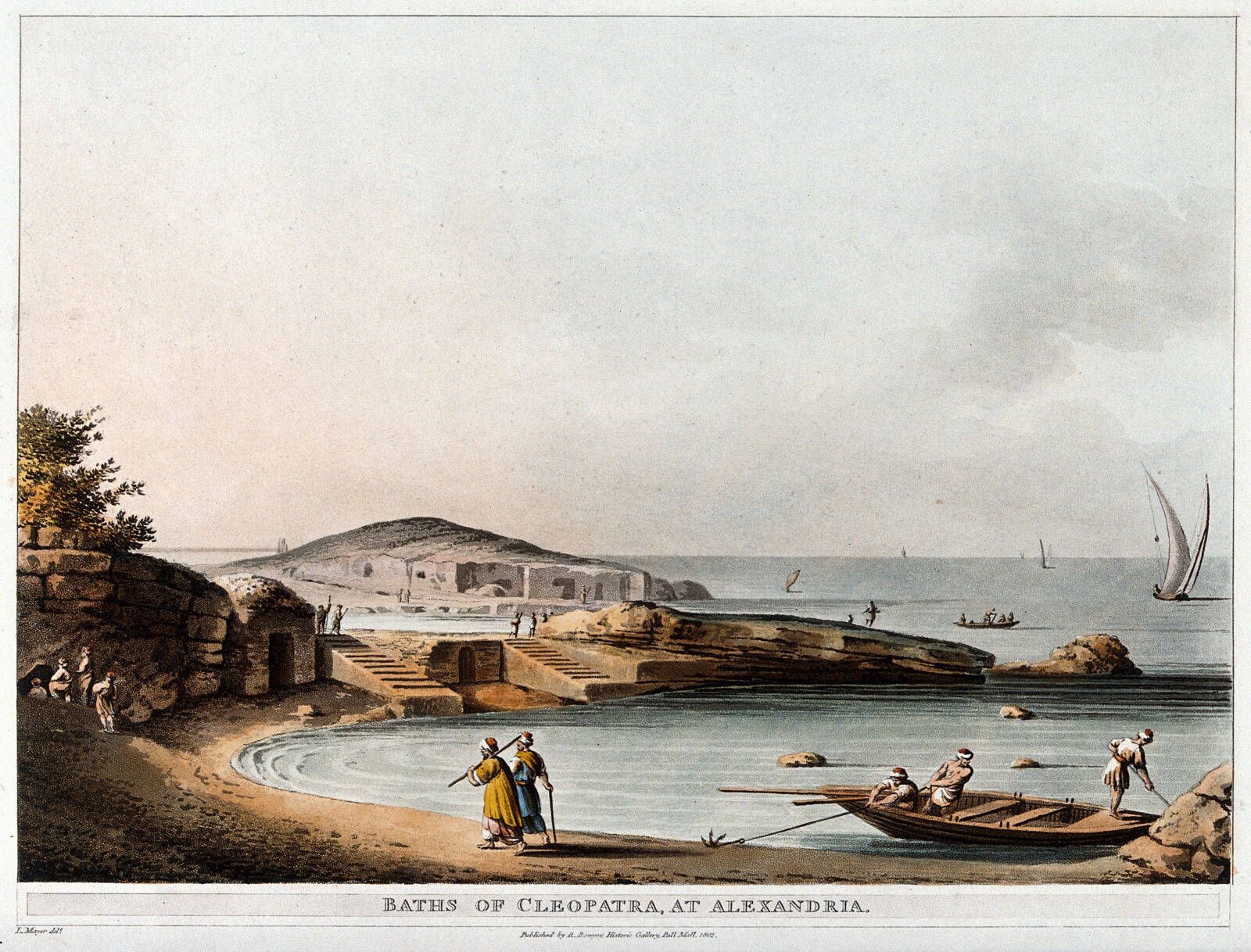
Baths of Cleopatra, at Alexandria
Luigi Mayer · 1802
 Sculpture
Secondary source
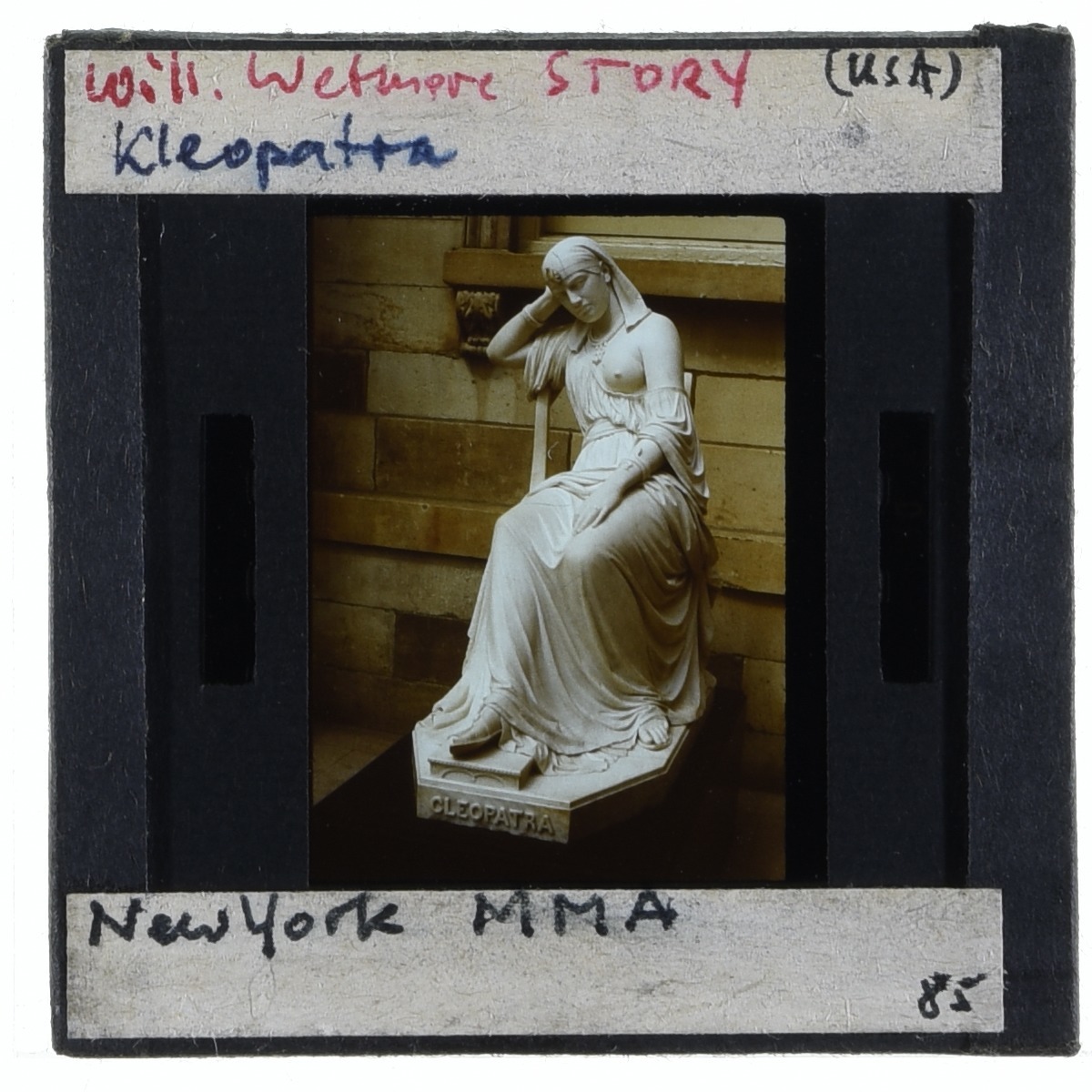
Cleopatra
William Wetmore Story
 Sculpture
Primary source
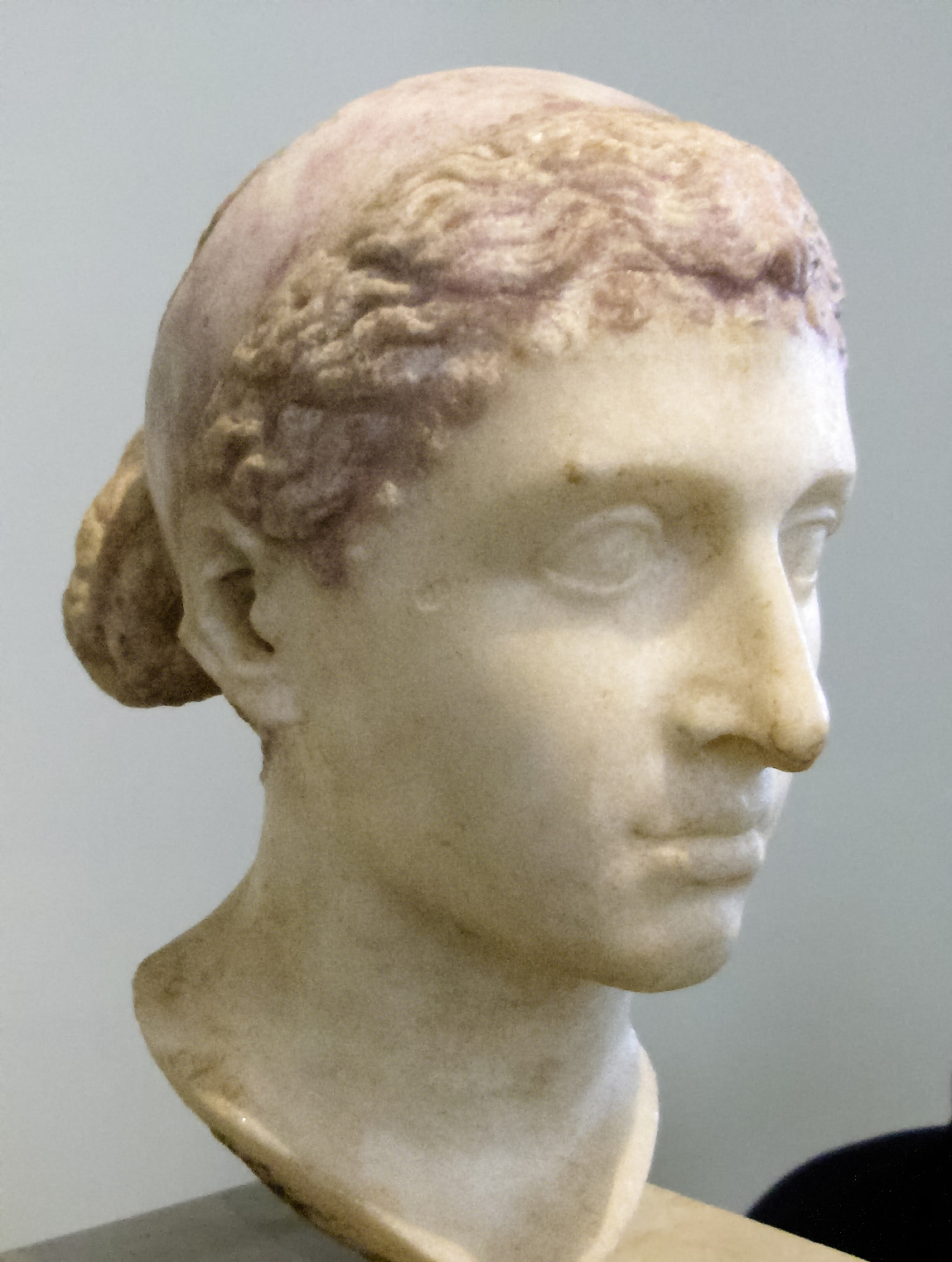
Portrait of Cleopatra (Berlin Bust)
c. 40-30 BCE
 Sculpture
Primary source
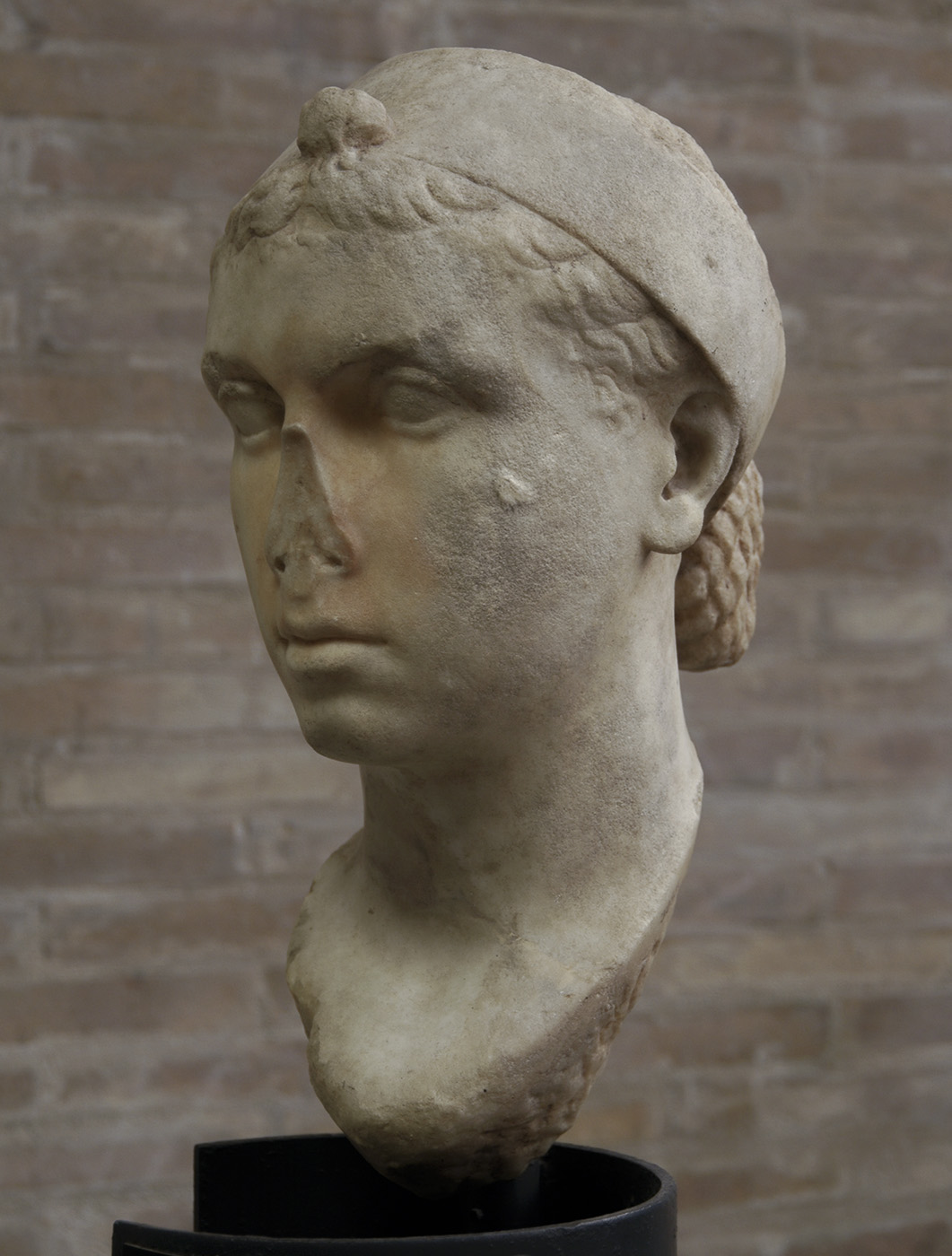
Head-Portrait of Cleopatra VII (Vatican Bust)
c. 40-30 BCE
Ready when you are
Start chatting with Cleopatra now.
20 messages free · No credit card · Available in 50+ languages.