


Secondary sourcePainting1476
Plato
Justus van Gent · 1476
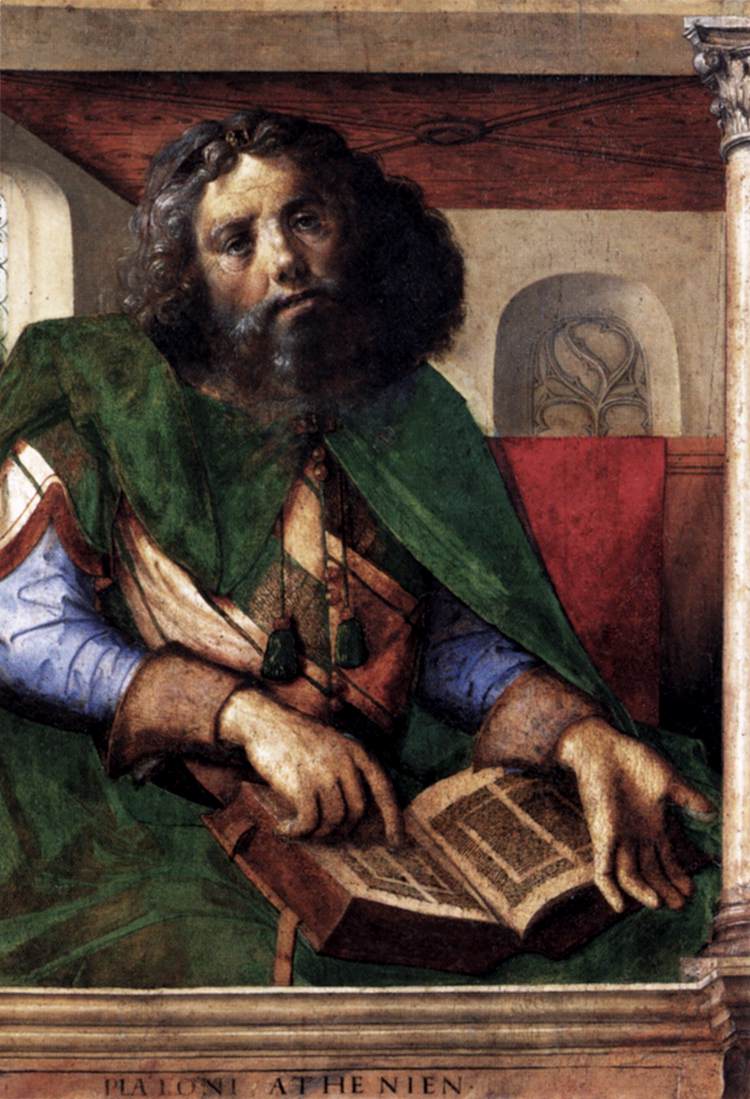
A 1476 painted portrait of Plato by Justus van Gent, now in the Louvre. It shows how Renaissance artists imagined the philosopher.
Shows Plato as a figure of wisdom honoured in the Urbino studiolo, where later Renaissance patrons collected images of great thinkers.
About this source
What it is
This is a painted portrait of Plato made by Justus van Gent in 1476. It shows a bearded, long-haired man in a green cloak over a blue-sleeved garment, seated behind a ledge with an open book and a red cloth. It is held by the Department of Paintings of the Louvre. The curator's note links it to the Urbino studiolo of Federico da Montefeltro.
Why it matters
The painting was made more than fifteen centuries after Plato died, so it shows how Renaissance patrons imagined him rather than how he actually looked. The Urbino studiolo was a private study, and the portrait reflects how Renaissance Europe honoured Plato as a model of wisdom.
Look closer
- What objects does the painter place beside Plato, and what might they suggest about learning?
- Why might Federico da Montefeltro have wanted images of ancient thinkers in his study?
- What does this painting leave out about Plato's own ideas and words?
This painting is part of the curated material that grounds the AI version of Plato on Humy.ai — when students ask about related events, the AI can quote it and cite it.
More Plato sources
Meet the AI Plato →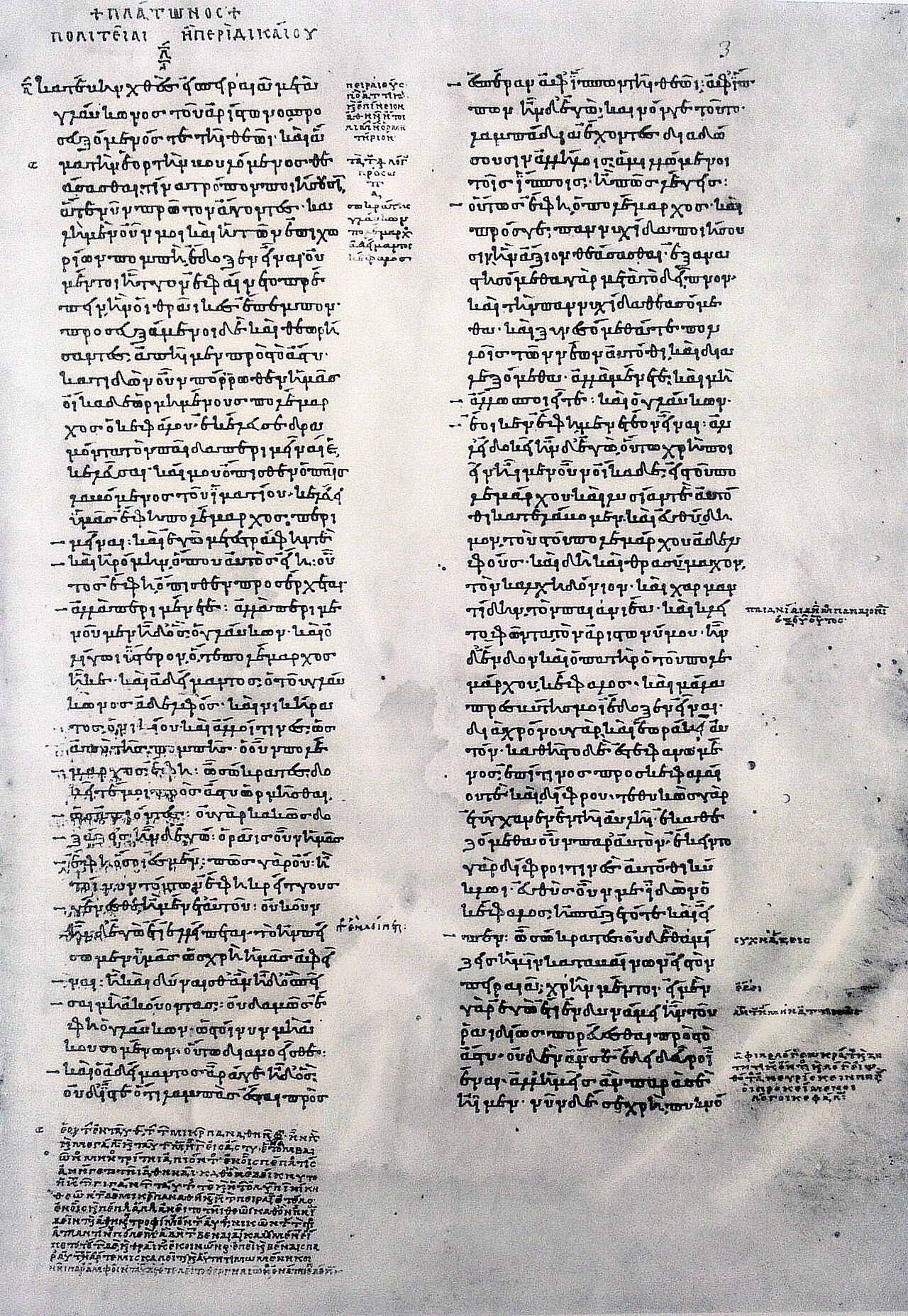 Book
Secondary source
The Republic
Plato · c. 375 BC
 Book
Primary source
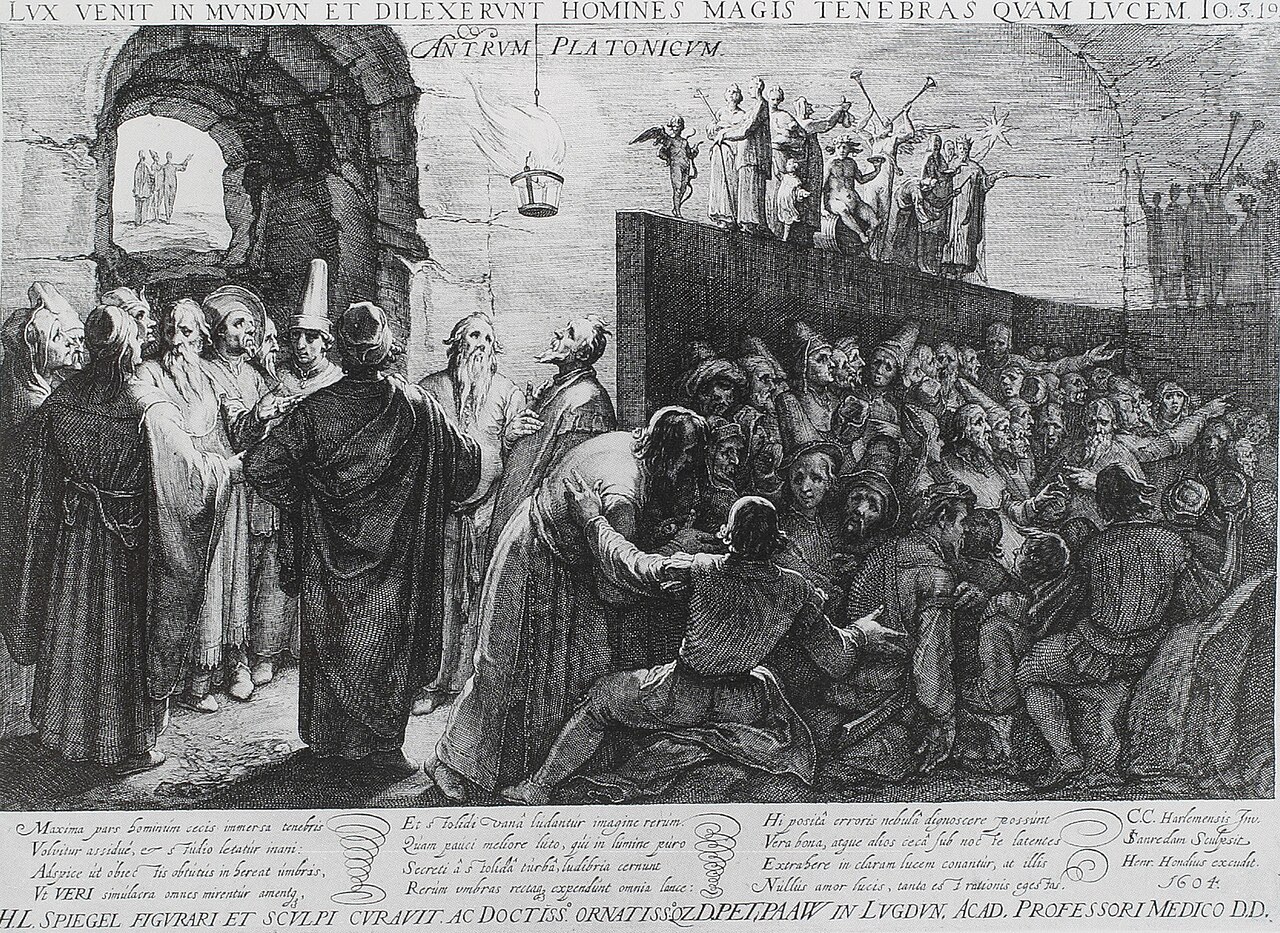
Allegory of the Cave
Plato · c. 400 BC
Secondary source
Apology
Plato · c. 395 BC
 Sculpture
Secondary source
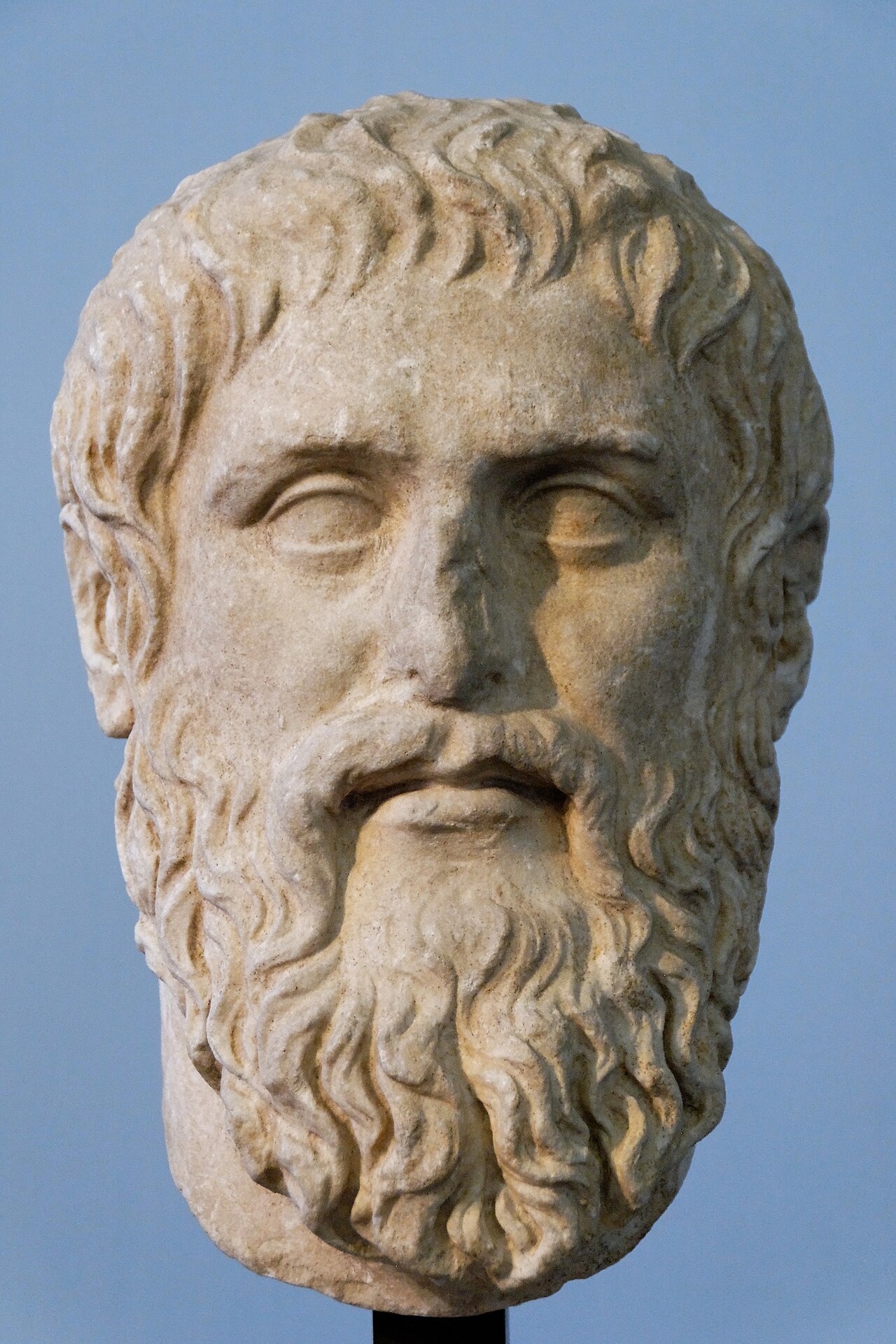
Portrait of Plato
Silanion (original type) · ca. 370 BC (original type); this copy Roman era
 Book
Secondary source
Phaedo
Plato · c. 360 BC
Ready when you are
Start chatting with Plato now.
20 messages free · No credit card · Available in 50+ languages.