


Secondary sourcePainting1620
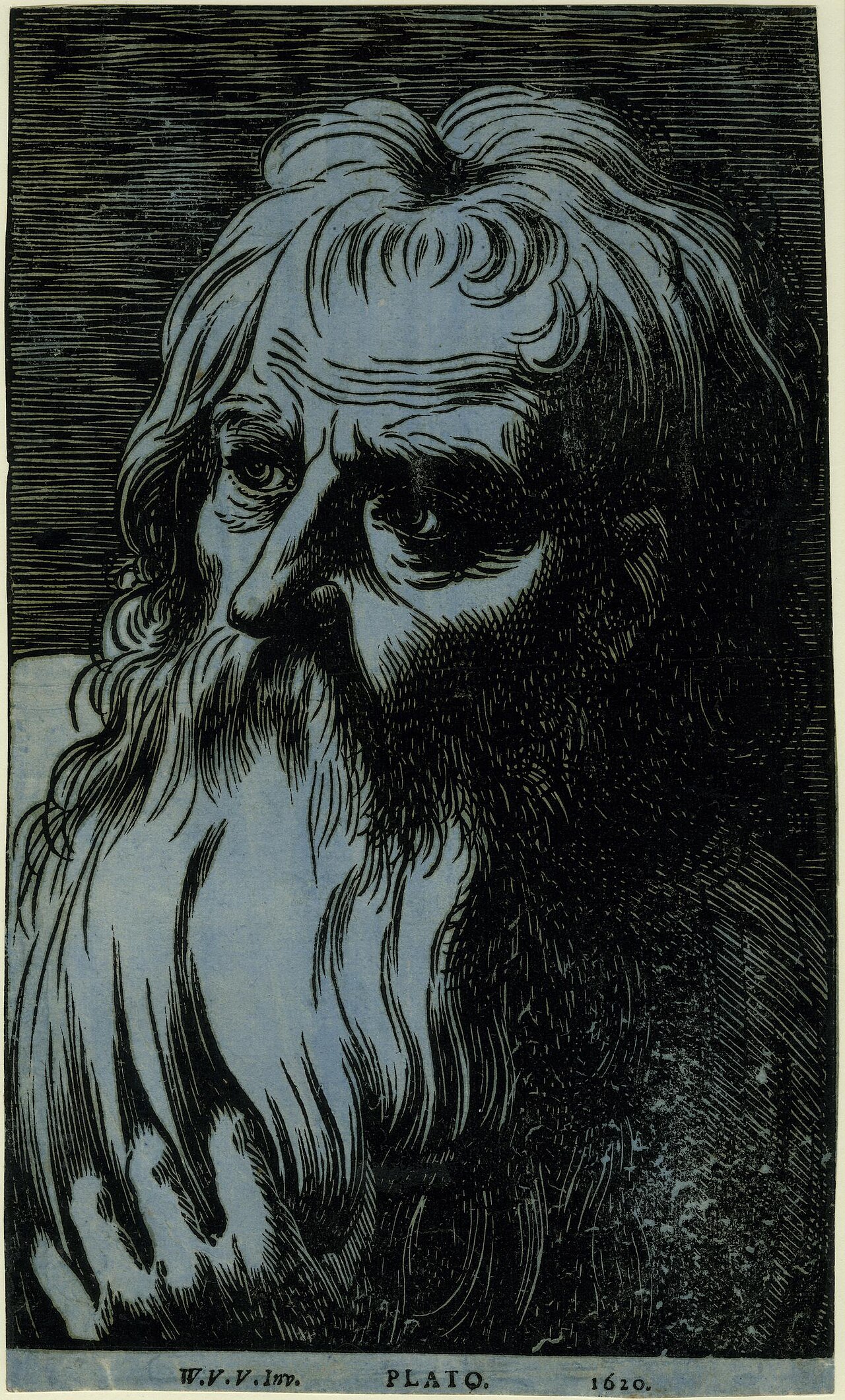
Plato, Chiaroscuro Woodcut after Valckert
After Werner van den Valckert · 1620
A 1620 chiaroscuro woodcut after a painting by Werner van den Valckert, showing an elderly bearded Plato. It is an imagined portrait made about two thousand years after his death.
Shows an imagined portrait of Plato made about two thousand years after his death, reflecting how 17th-century artists pictured him.
About this source
What it is
This is a chiaroscuro woodcut printed in blue-grey and black, dated 1620. It is after a painting by Werner van den Valckert. It shows an elderly bearded man with wild hair, deep-set eyes and a long flowing beard, turned slightly to the left. The inscription below reads W.V.V. Inv., PLATO, 1620.
Why it matters
The print was made about two thousand years after Plato died, so it shows how a 17th-century artist imagined him. Chiaroscuro woodcuts used several blocks in different tones to copy the light and shade of a painting. This made images of famous figures available to more buyers. The print reveals a Dutch artistic interest in the faces of ancient thinkers, and it turns Plato into a figure of wisdom and age.
Look closer
- How do the light and shade in the print make the face look thoughtful or old?
- What does the inscription W.V.V. Inv. tell you about who made the design?
- What would a viewer in 1620 need to know about Plato to understand this portrait?
This painting is part of the curated material that grounds the AI version of Plato on Humy.ai — when students ask about related events, the AI can quote it and cite it.
More Plato sources
Meet the AI Plato →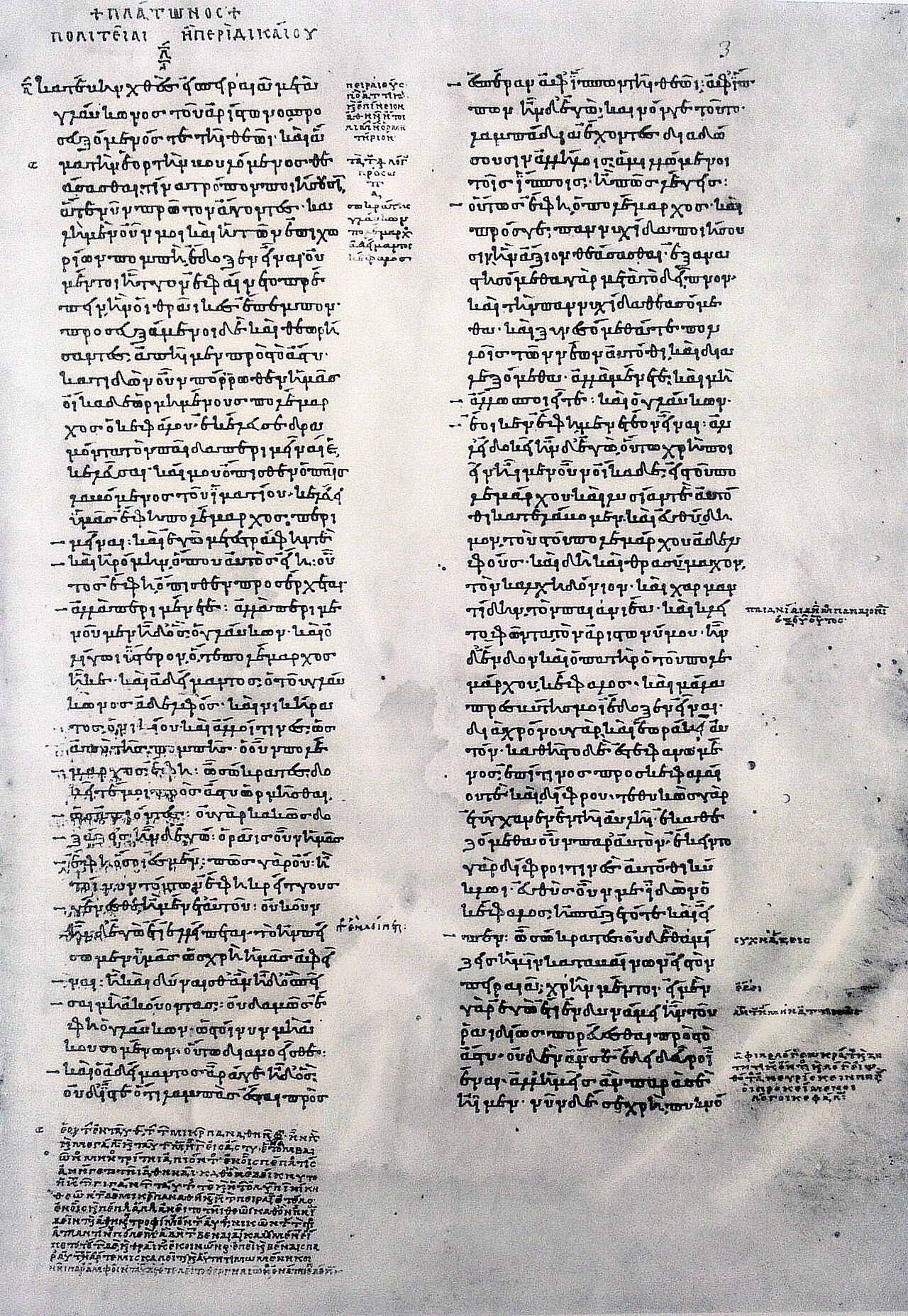 Book
Secondary source
The Republic
Plato · c. 375 BC
 Book
Primary source
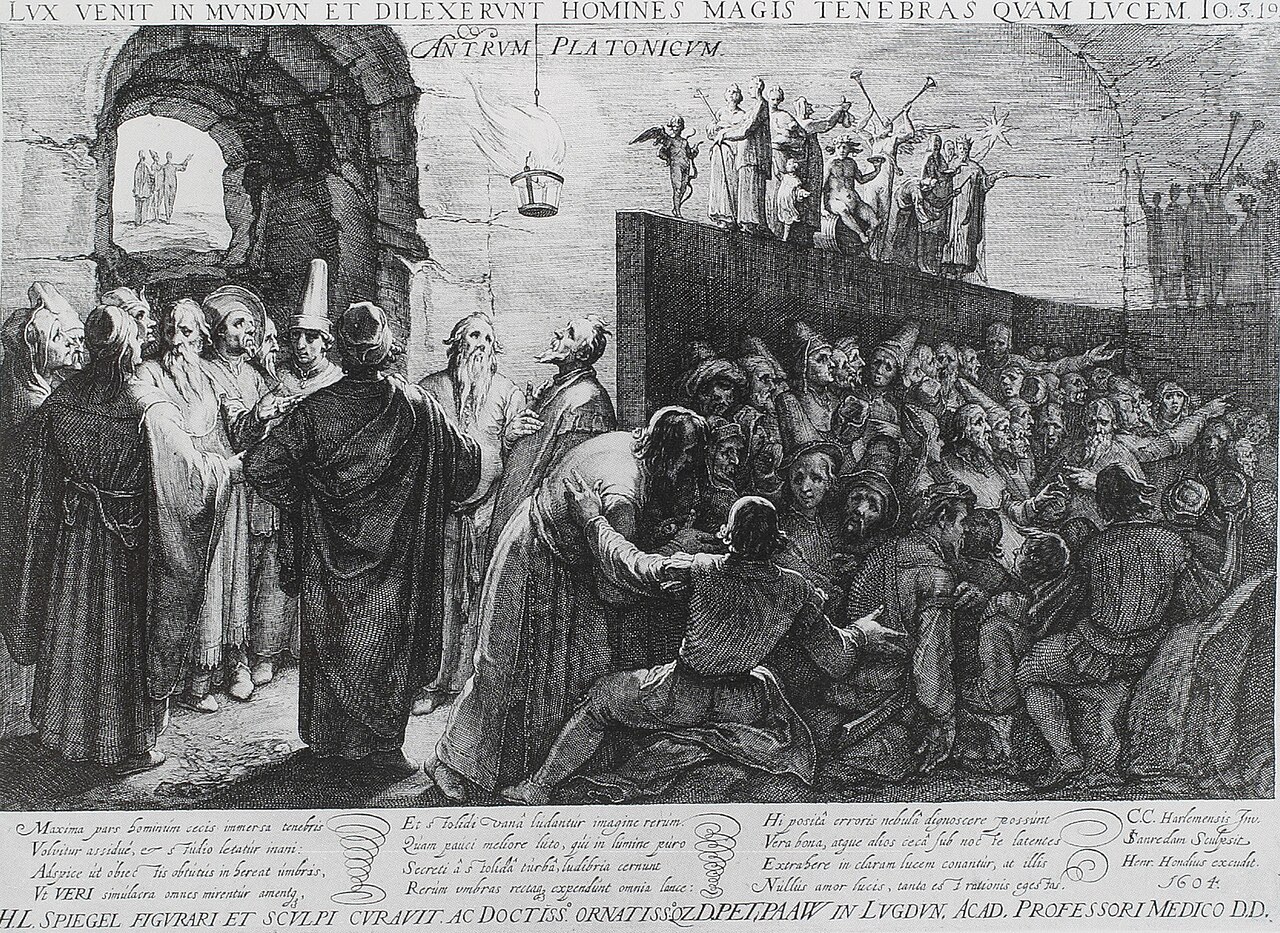
Allegory of the Cave
Plato · c. 400 BC
Secondary source
Apology
Plato · c. 395 BC
 Sculpture
Secondary source
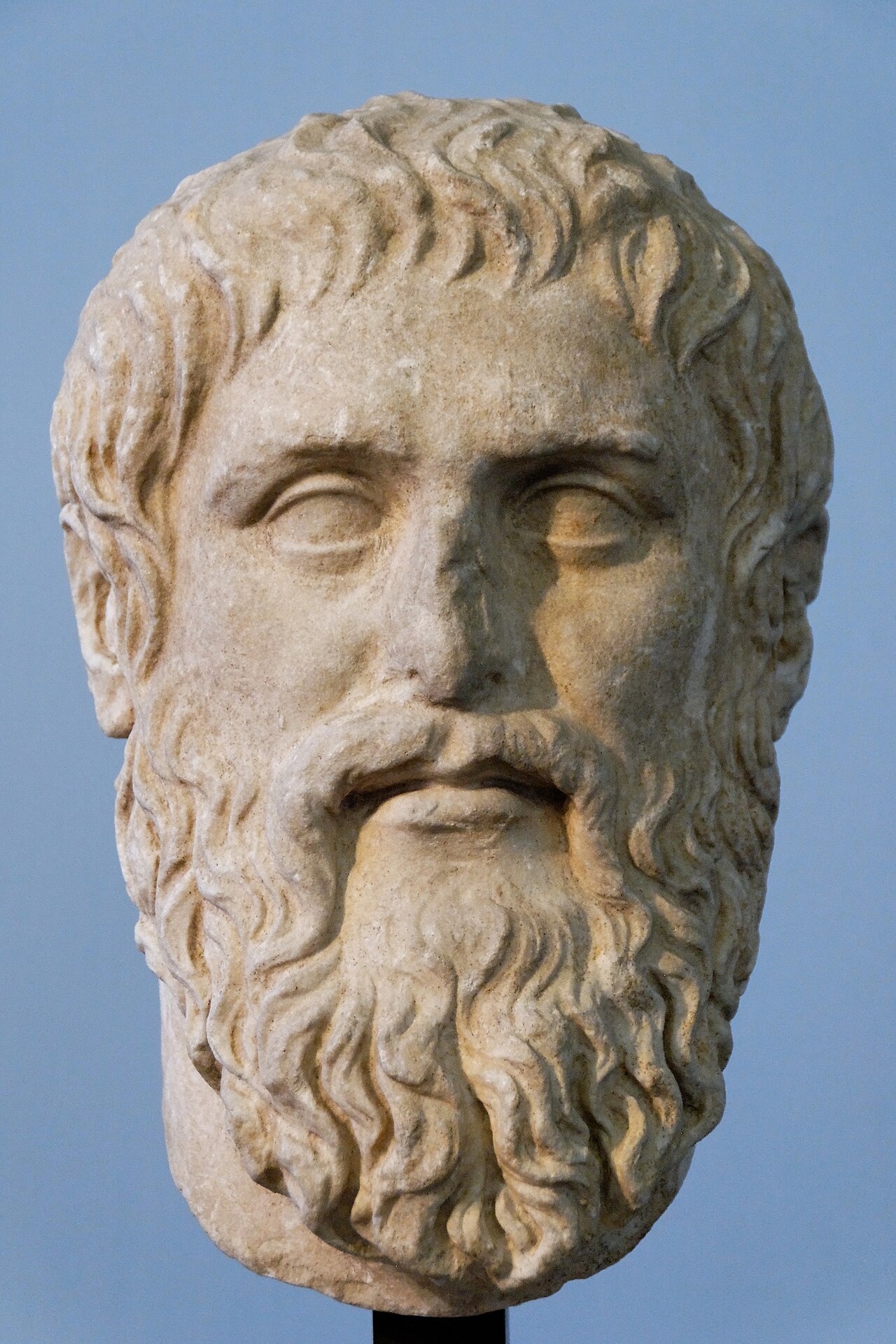
Portrait of Plato
Silanion (original type) · ca. 370 BC (original type); this copy Roman era
 Book
Secondary source
Phaedo
Plato · c. 360 BC
Ready when you are
Start chatting with Plato now.
20 messages free · No credit card · Available in 50+ languages.