


Secondary sourceSculpture150
Plato (Roman copy of a portrait bust)
150
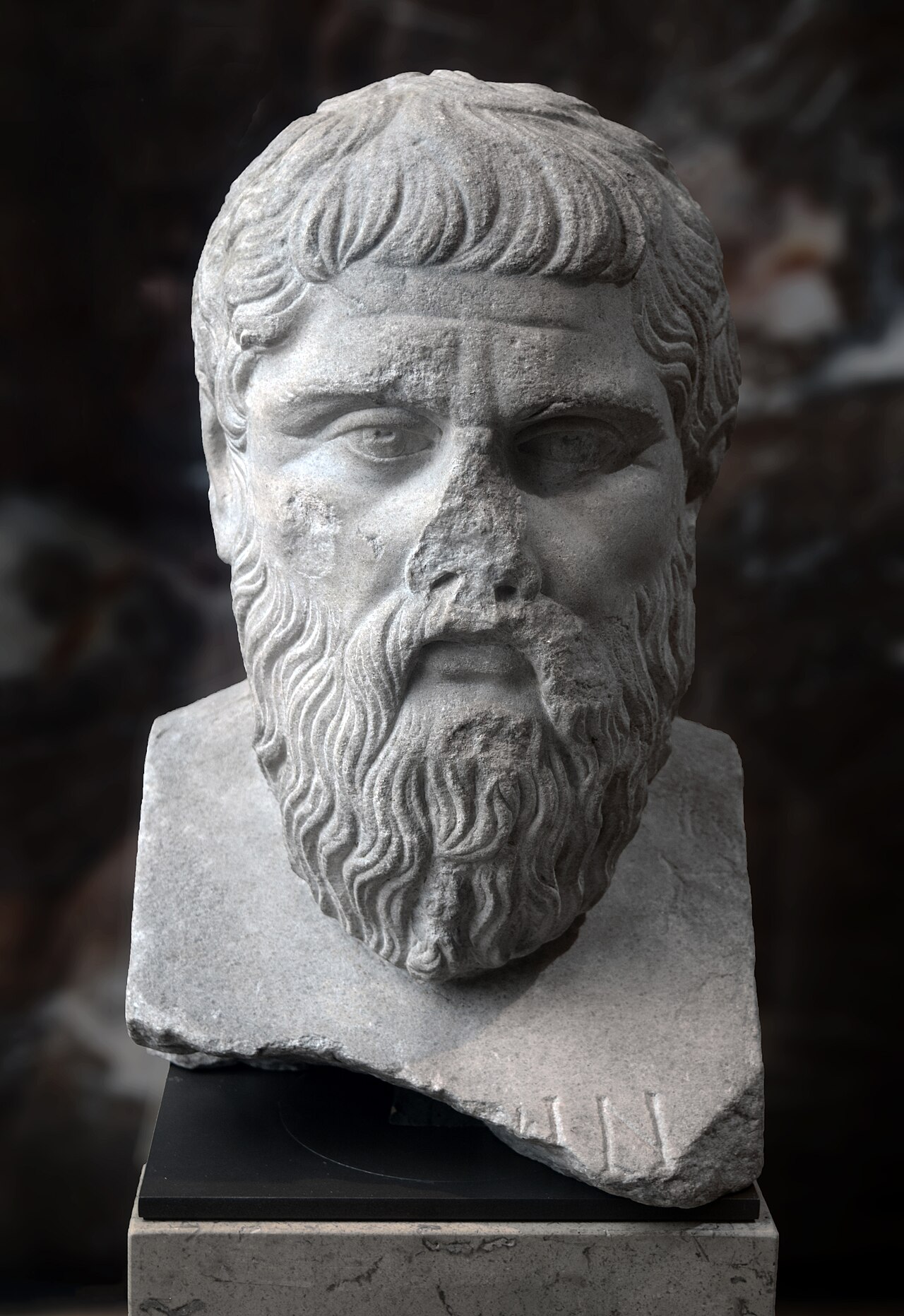
A Roman marble copy of a portrait bust of Plato, showing a bearded man with curly hair and a furrowed brow. The original portrait type is lost.
This Roman copy of a portrait of Plato shows how later societies pictured the founder of the Academy, though it is not an image made in his lifetime.
About this source
What it is
This is a marble bust of a bearded man with curly hair and a furrowed brow, held by the Department of Greek, Etruscan, and Roman Antiquities of the Louvre. It is a Roman copy of a portrait of Plato. The original portrait is lost, so copies like this one help scholars compare the replicas of that portrait type.
The bust is dated to 150 in the museum record. It is a copy, so it shows how Plato was pictured centuries after his death in 348 BCE, not how he looked to his contemporaries.
Why it matters
Portraits were one way that later Romans and Greeks kept famous thinkers in public memory. A copy like this shows how Plato's image was shaped and repeated long after his Academy in Athens had been founded. Looking at several copies of the same portrait type helps historians judge which features came from the original and which came from later copyists.
Look closer
- What features of the face and hair does the sculptor emphasize, and what mood do they suggest?
- How could a copy differ from the lost original, and what would you need to know to test that?
- What does a later portrait tell us about the people who wanted to remember Plato?
This sculpture is part of the curated material that grounds the AI version of Plato on Humy.ai — when students ask about related events, the AI can quote it and cite it.
More Plato sources
Meet the AI Plato →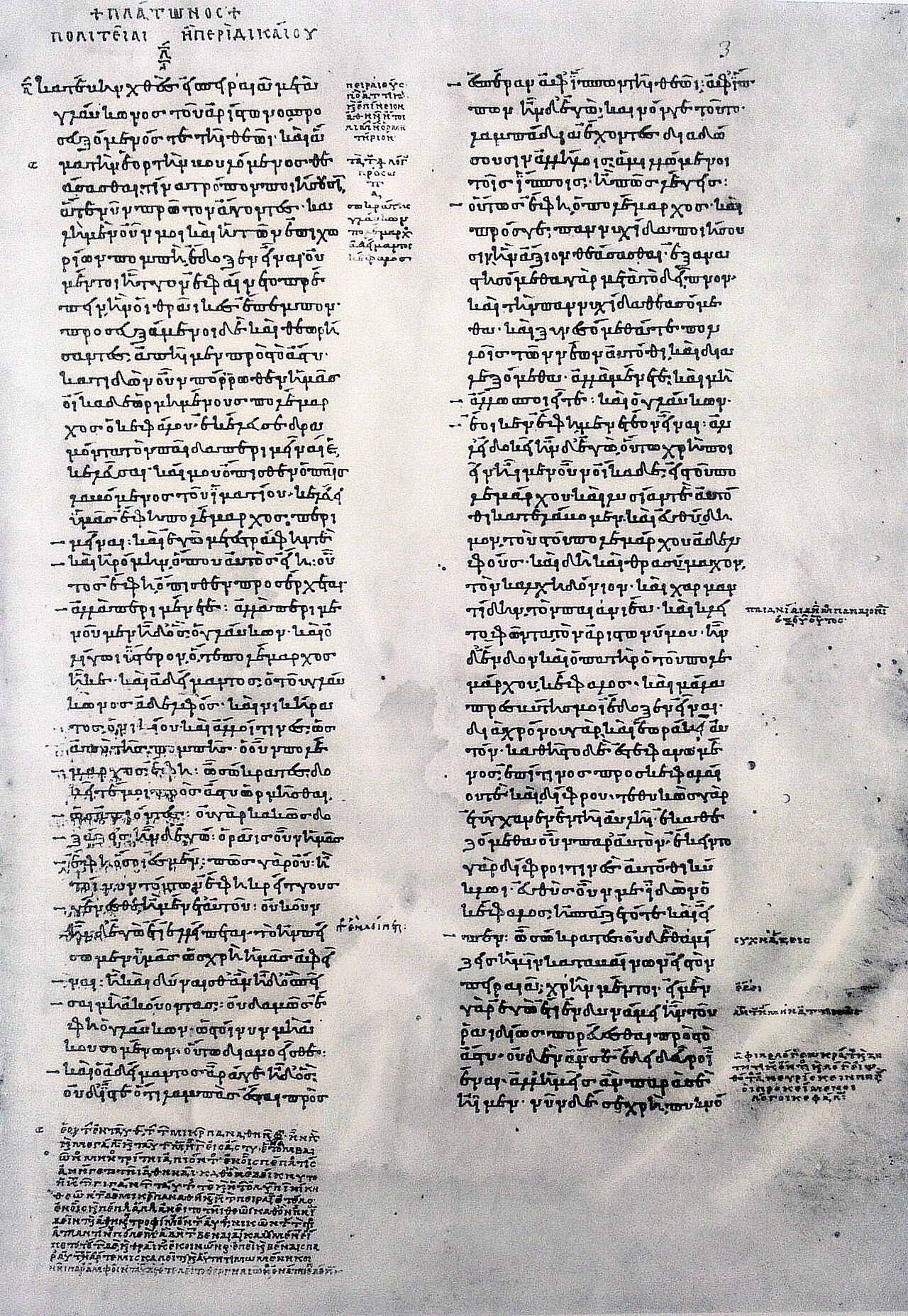 Book
Secondary source
The Republic
Plato · c. 375 BC
 Book
Primary source
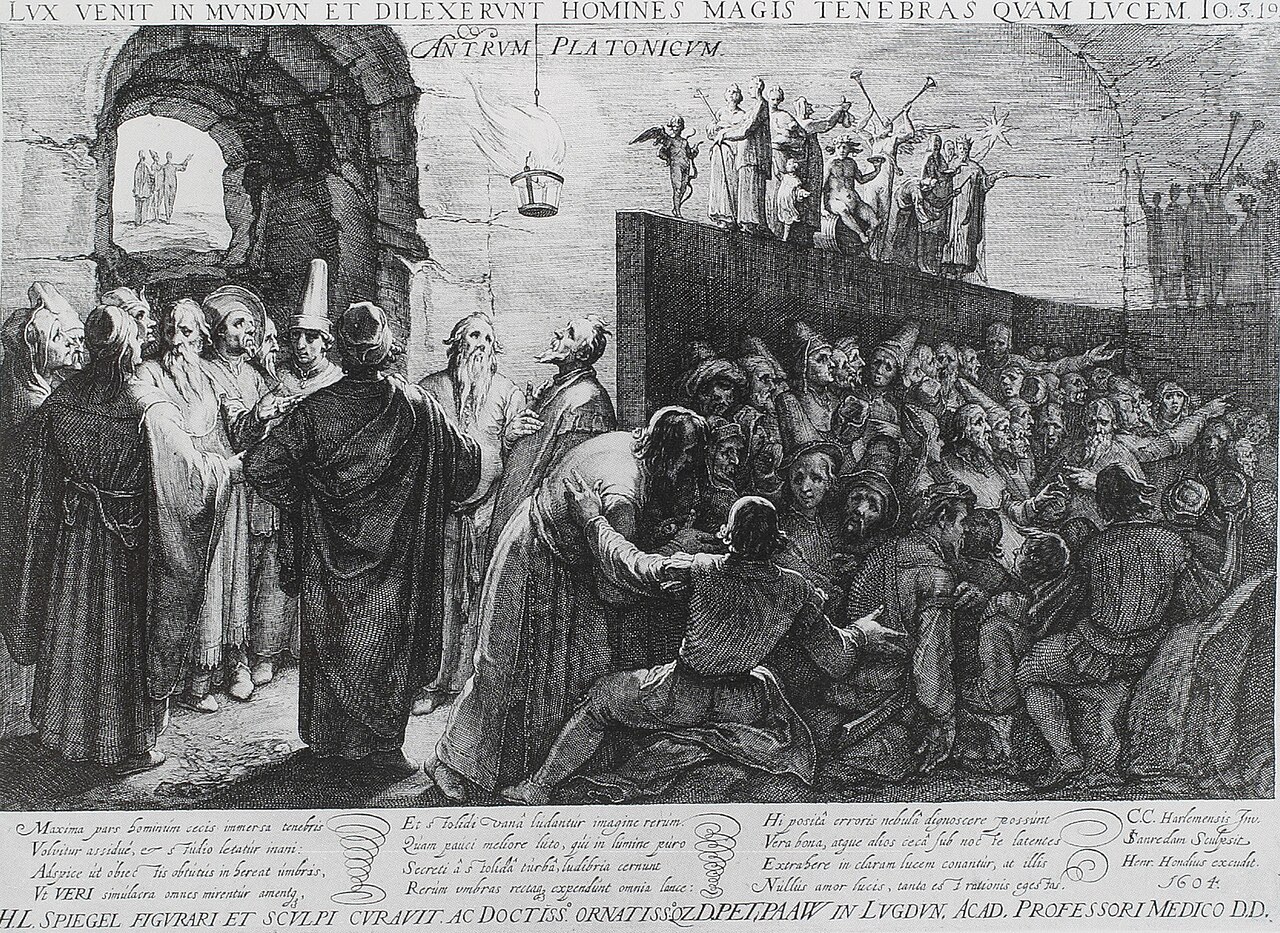
Allegory of the Cave
Plato · c. 400 BC
Secondary source
Apology
Plato · c. 395 BC
 Sculpture
Secondary source
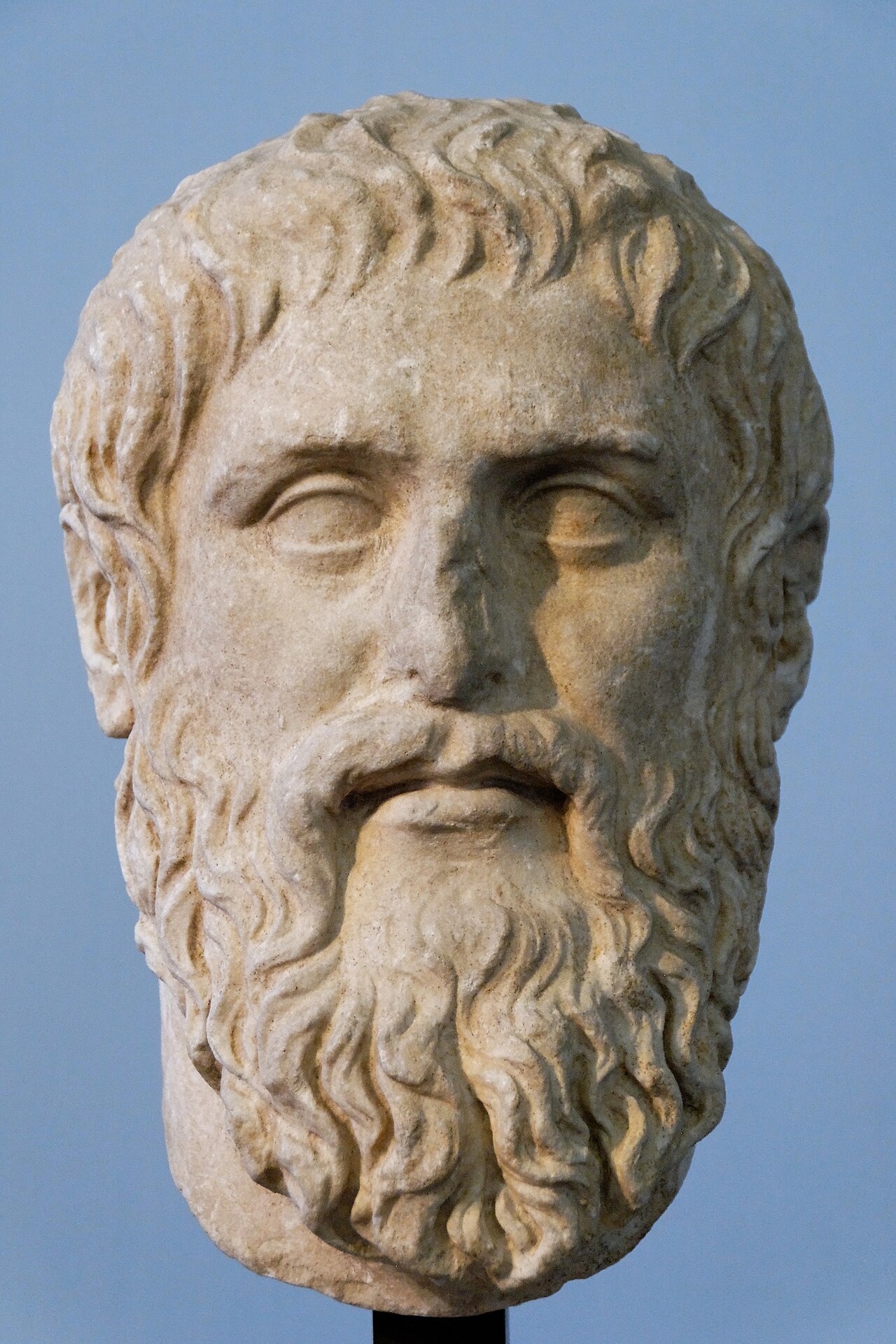
Portrait of Plato
Silanion (original type) · ca. 370 BC (original type); this copy Roman era
 Book
Secondary source
Phaedo
Plato · c. 360 BC
Ready when you are
Start chatting with Plato now.
20 messages free · No credit card · Available in 50+ languages.