


Secondary sourcePainting1885
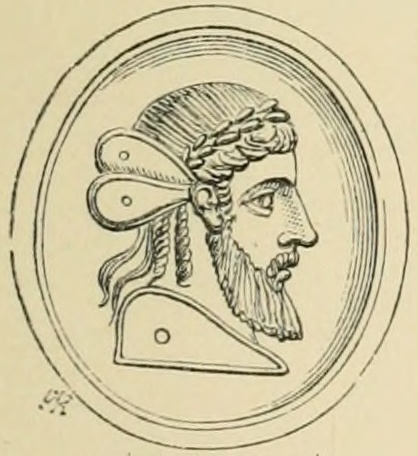
Plato, sard gem engraving by C. W. King
C. W. King · 1885
An engraved oval portrait of Plato in profile, with wing-like shapes at his temples, copied from an ancient sard gem in an 1885 reproduction.
Shows Plato as pictured on an ancient gem, with wings that the source ties to his view of the soul.
About this source
What it is
This is an engraved oval illustration of a bearded man in profile facing right. He has curled hair and a laurel-like band, and small wing-like shapes appear at his temples. The oval has a double border, and a small monogram sits at the lower left. The image is a cropped reproduction of a sard gem, an engraved stone, and it was published in 1885 by C. W. King. The source notes say the wings allude to Plato's doctrine of the immortality of the soul. The record describes the gem as a very ancient portrait.
Why it matters
The image shows how Plato was pictured through a gem, a small carved object that could be copied and collected. Interest in such gems in the 1800s led to published reproductions like this one, which spread a particular image of Plato. The wings are an interpretation linked to his ideas about the soul. This picture comes from a later printed reproduction, so it shows 19th-century taste as well as the ancient stone.
Look closer
- What do the wing-like shapes at the temples suggest, and how do they connect to Plato's ideas?
- Why might a 19th-century publisher choose to reproduce an ancient gem in this way?
- What does the image leave out, such as the stone's original size, material, and who owned it?
This painting is part of the curated material that grounds the AI version of Plato on Humy.ai — when students ask about related events, the AI can quote it and cite it.
More Plato sources
Meet the AI Plato →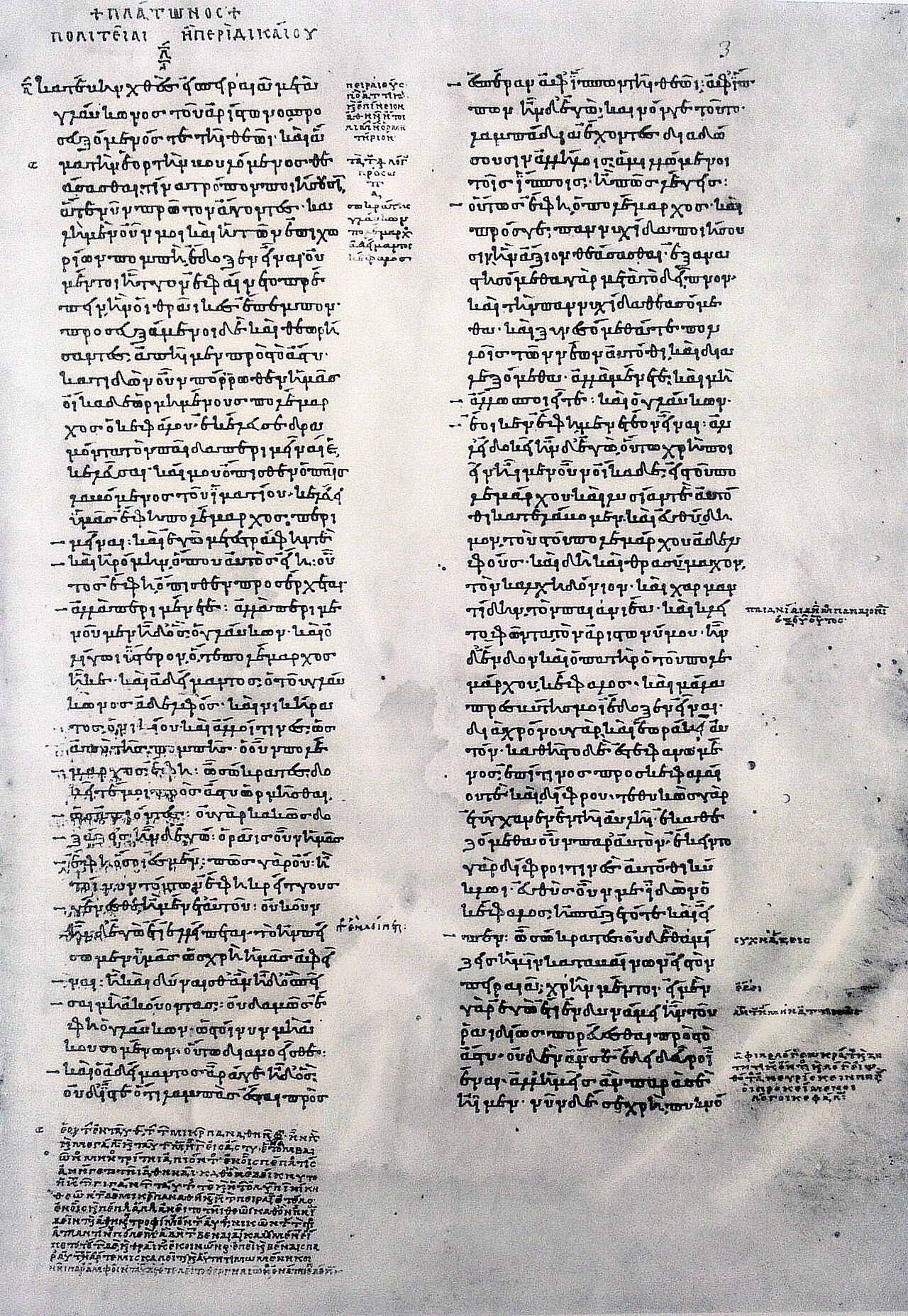 Book
Secondary source
The Republic
Plato · c. 375 BC
 Book
Primary source
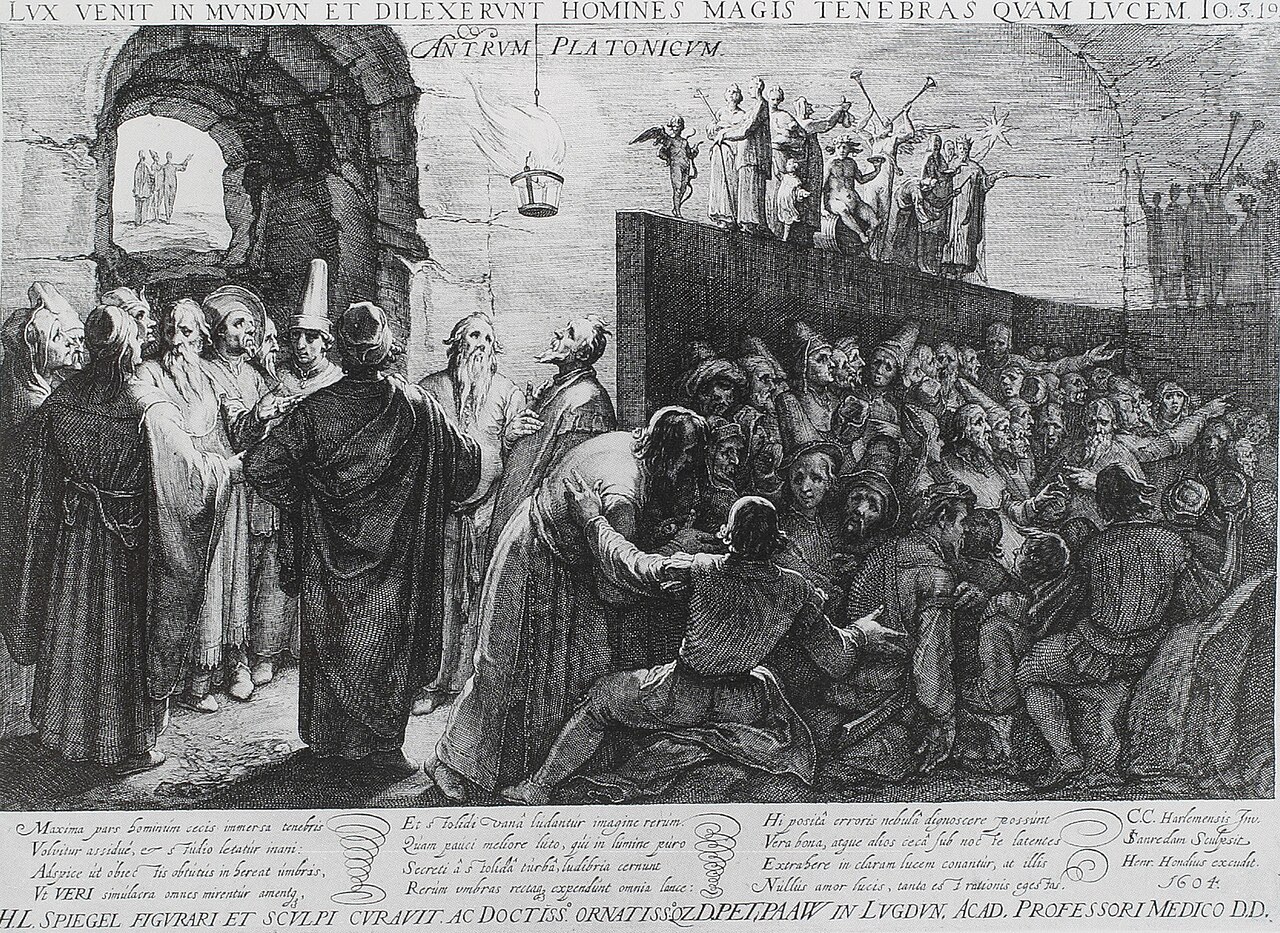
Allegory of the Cave
Plato · c. 400 BC
Secondary source
Apology
Plato · c. 395 BC
 Sculpture
Secondary source
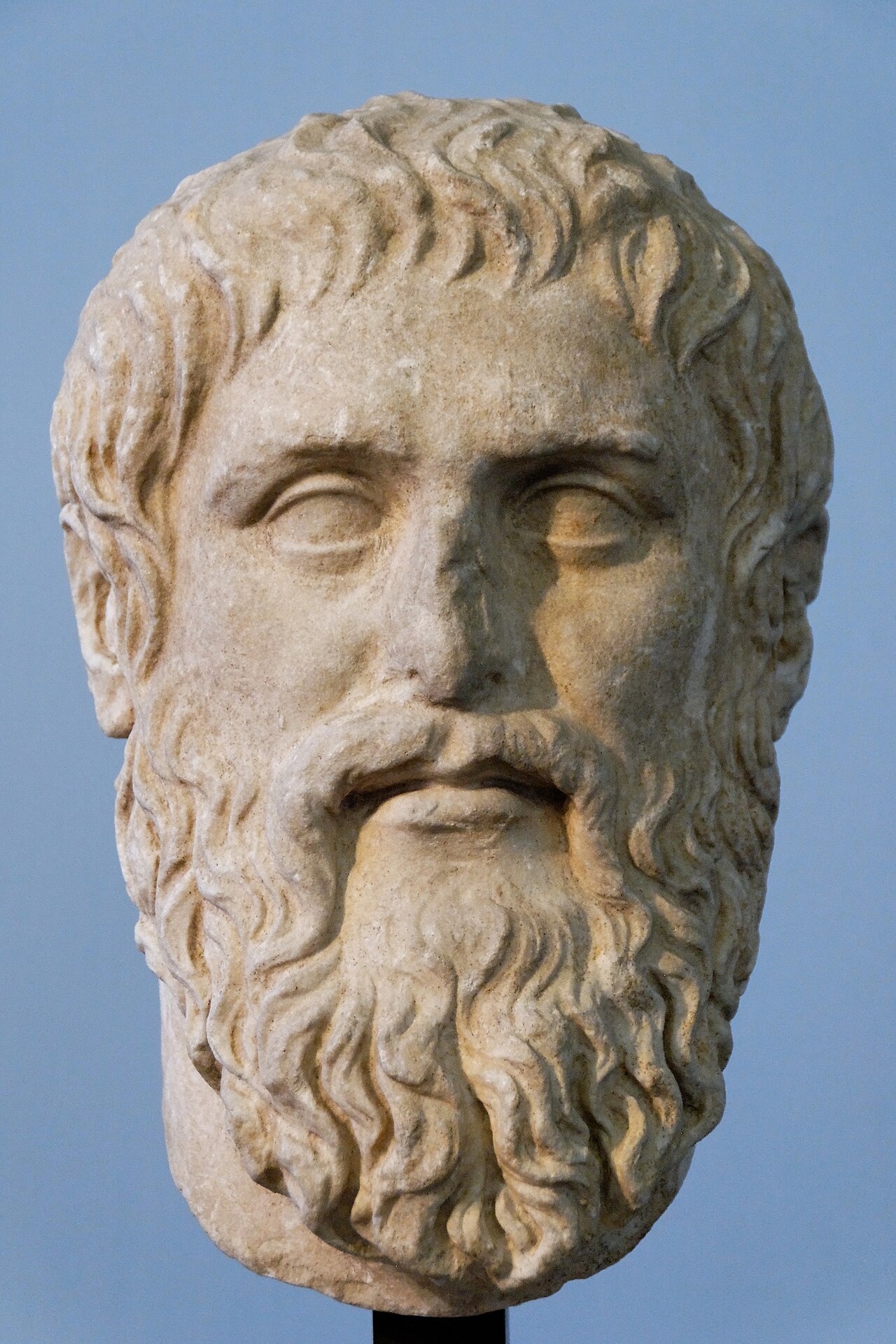
Portrait of Plato
Silanion (original type) · ca. 370 BC (original type); this copy Roman era
 Book
Secondary source
Phaedo
Plato · c. 360 BC
Ready when you are
Start chatting with Plato now.
20 messages free · No credit card · Available in 50+ languages.