


Secondary sourcePainting17th century
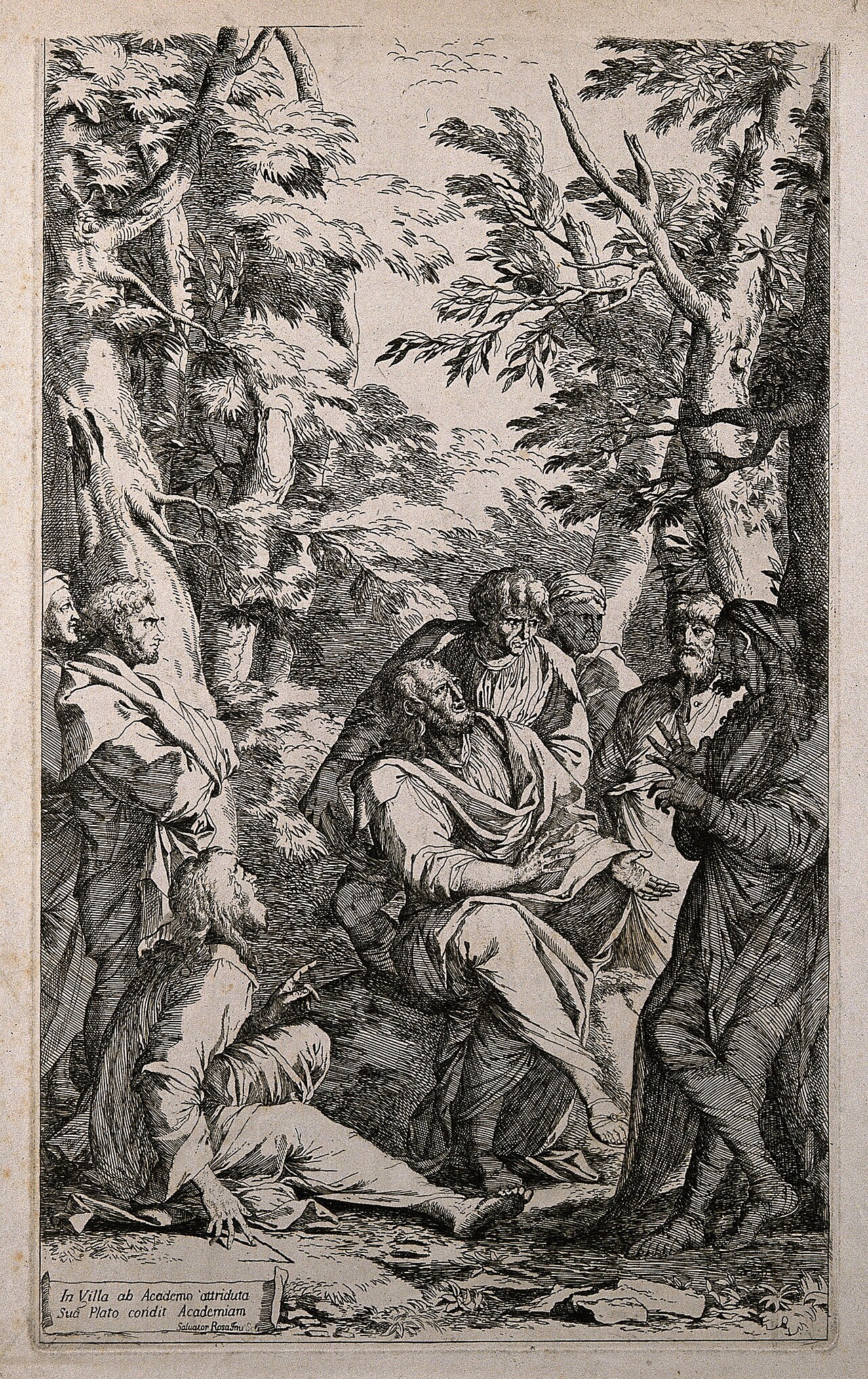
Plato Teaching at His Academy
After Salvator Rosa · 17th century
A print after Salvator Rosa showing Plato teaching students outdoors in a leafy setting. It is an imagined scene, not a contemporary image.
Shows Plato as an imagined teacher at his Academy, surrounded by students, which tells us how later artists pictured his school.
About this source
What it is
This is an etching made after a painting by Salvator Rosa. It shows several bearded men in robes gathered in a wooded setting. A seated older man gestures with an open hand while others listen, and a figure reclines at the lower left. A Latin caption appears in the lower left corner. The collection record says the group may include Aristotle.
Why it matters
Plato founded a school in Athens, which was called the Academy. The print shows that school as later artists imagined it: a garden of teaching and talk. Such scenes were made long after Plato's time, so they show how the 17th century pictured ancient learning. The print connects Plato to his student Aristotle, whom the record names as a possible figure in the group.
Look closer
- Who seems to be speaking, and how do the other figures show they are listening?
- What does the leafy outdoor setting suggest about how ancient philosophy was taught?
- What might the artist have added from imagination rather than from any record of the real Academy?
This painting is part of the curated material that grounds the AI version of Plato on Humy.ai — when students ask about related events, the AI can quote it and cite it.
More Plato sources
Meet the AI Plato →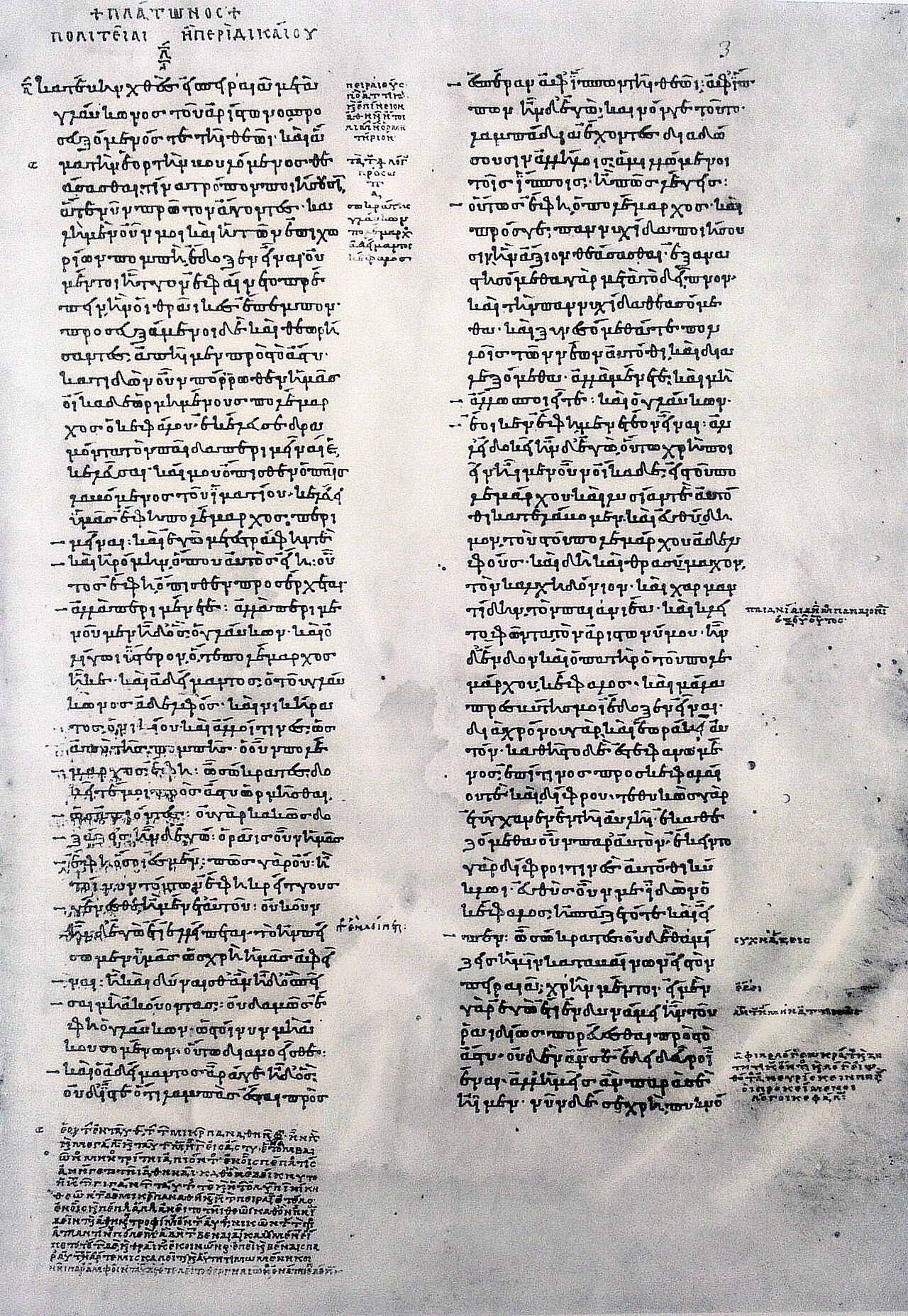 Book
Secondary source
The Republic
Plato · c. 375 BC
 Book
Primary source
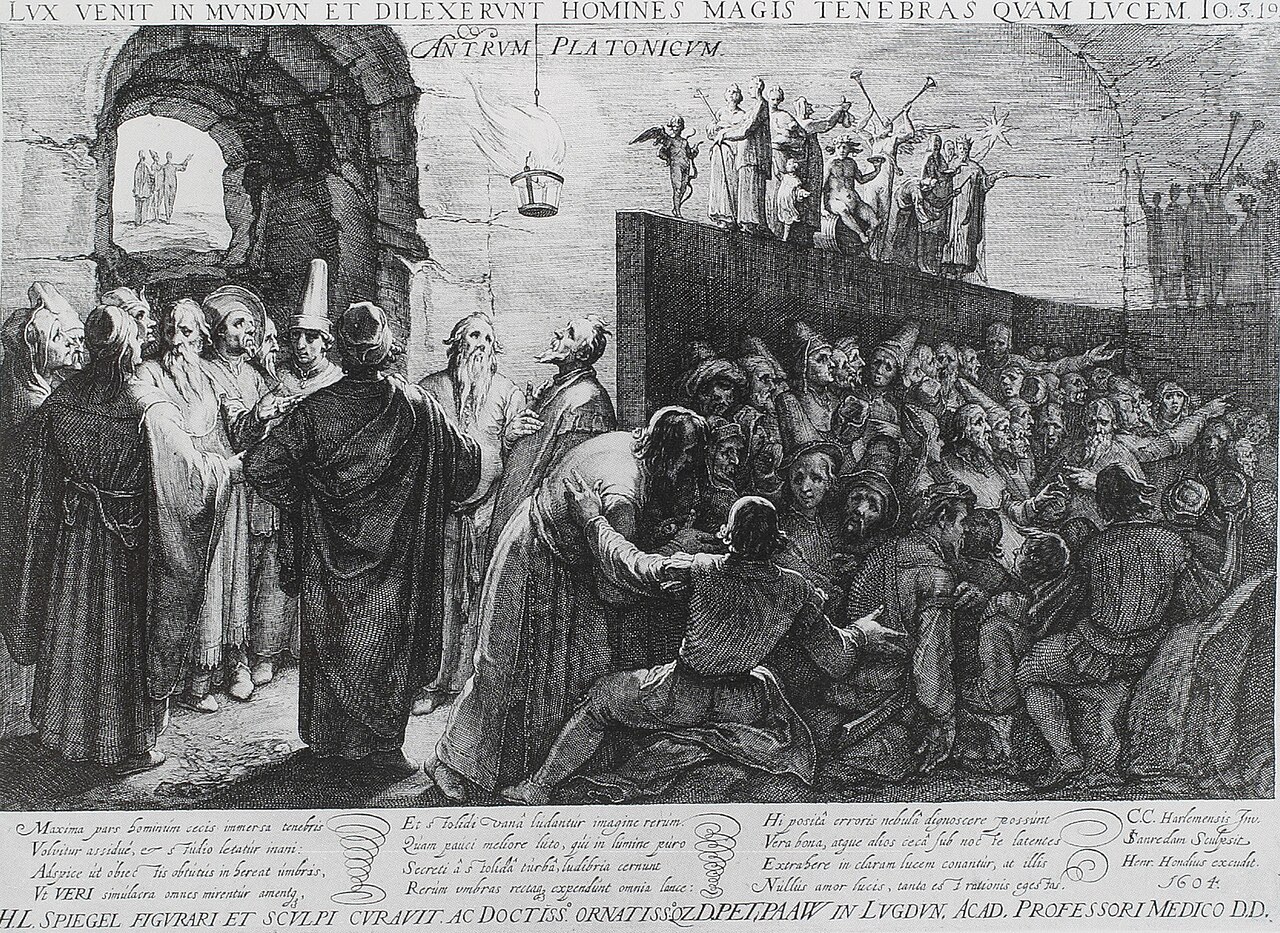
Allegory of the Cave
Plato · c. 400 BC
Secondary source
Apology
Plato · c. 395 BC
 Sculpture
Secondary source
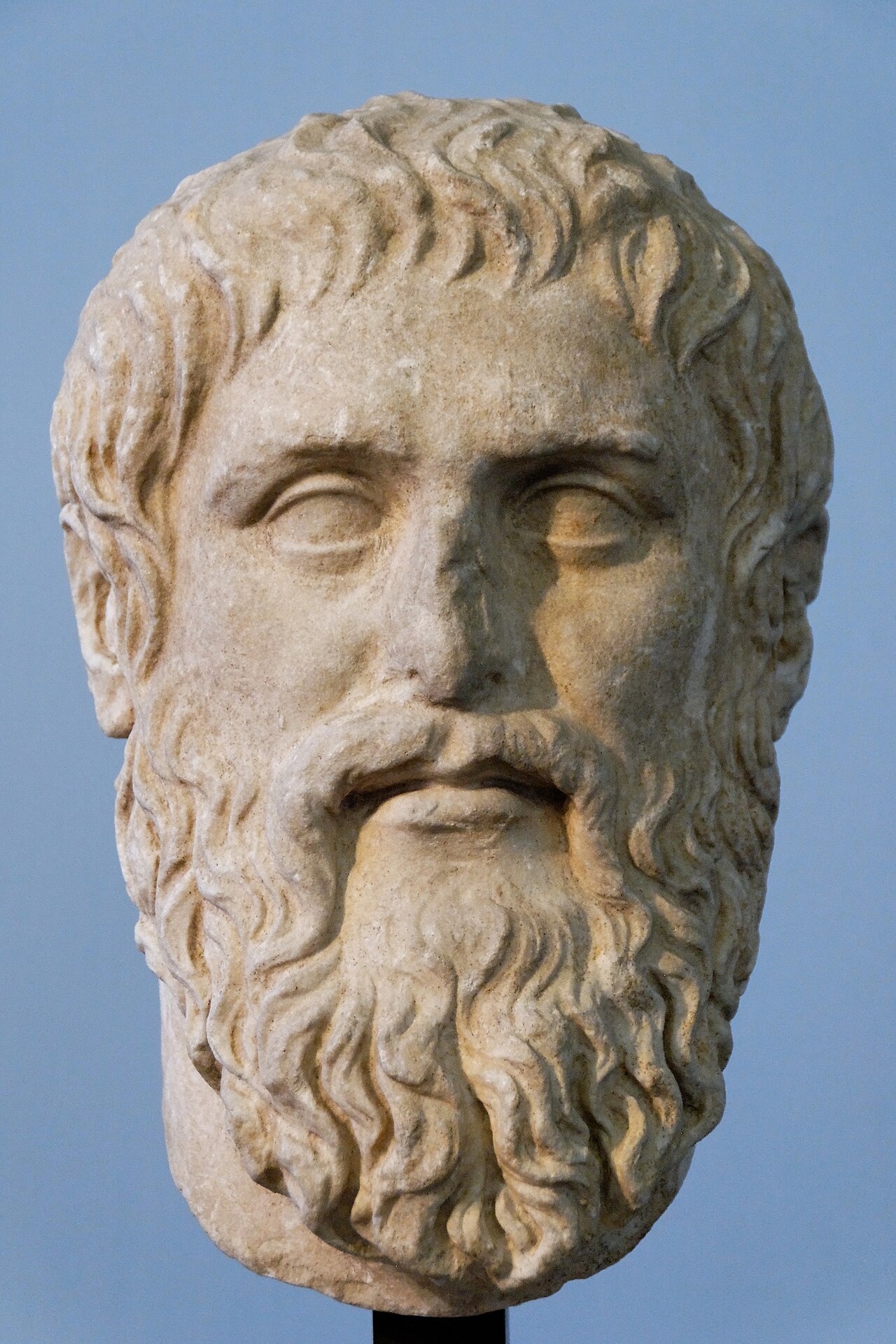
Portrait of Plato
Silanion (original type) · ca. 370 BC (original type); this copy Roman era
 Book
Secondary source
Phaedo
Plato · c. 360 BC
Ready when you are
Start chatting with Plato now.
20 messages free · No credit card · Available in 50+ languages.