


Secondary sourcePainting3 February 1894
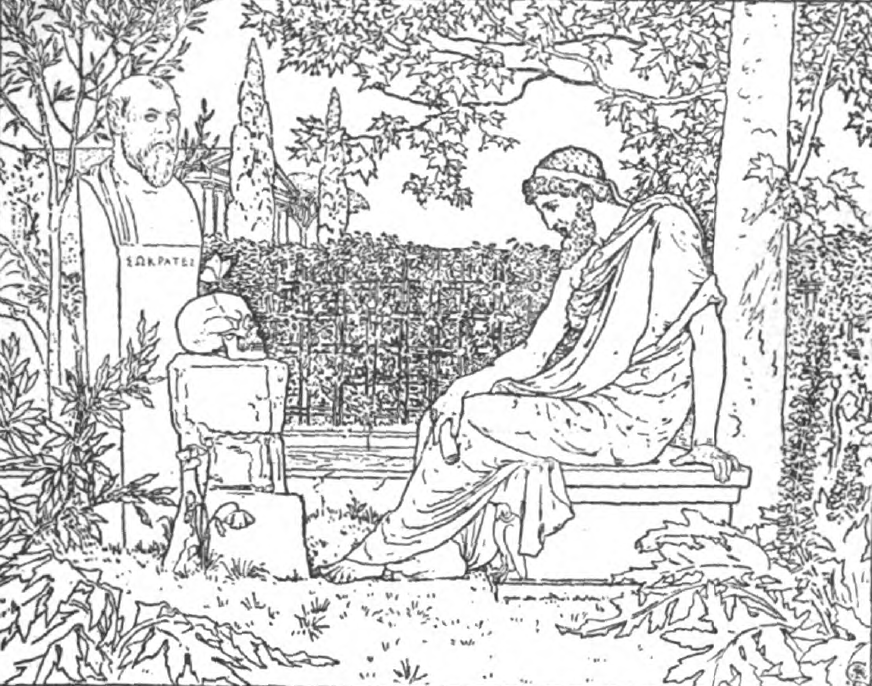
Plato with Skull and Butterfly
Walter Crane · 3 February 1894
A black-and-white illustration by Walter Crane, dated 1894, showing Plato in thought before a bust of Socrates, with a skull. It shows how a later artist imagined Plato meditating on immortality.
Shows Plato as imagined by a Victorian illustrator, meditating on immortality, so it is a later image of him rather than a record of his life.
About this source
What it is
This is a black-and-white line print by Walter Crane, dated 3 February 1894. It shows a seated, bearded man in a draped robe on a stone bench in a garden. A bust labeled Socrates stands nearby, and a skull sits on a stone pedestal. The collection record says the print appeared in The Graphic and was also used as a detail in an advertisement for Eno's Fruit Salts. Its title refers to Plato meditating on immortality before Socrates, with a butterfly, skull and poppy. The record notes that the portrait of Plato was copied from an ancient gem in the British Museum.
Why it matters
The picture is not a contemporary image of Plato, who lived in the 4th century BCE. It shows how Victorian readers imagined ancient philosophy: a calm thinker facing death and asking what lasts. The butterfly, a common symbol of the soul, links Plato's ideas about immortality to the later Victorian interest in classical Greece. Crane and the newspapers that printed the image were making Plato into a symbol for their own age.
Look closer
- What do the skull, the butterfly and the bust of Socrates each suggest about the idea of immortality?
- Why might a newspaper or an advertisement want to use an image of an ancient philosopher?
- What does this picture leave out about Plato's actual life and writings?
This painting is part of the curated material that grounds the AI version of Plato on Humy.ai — when students ask about related events, the AI can quote it and cite it.
More Plato sources
Meet the AI Plato →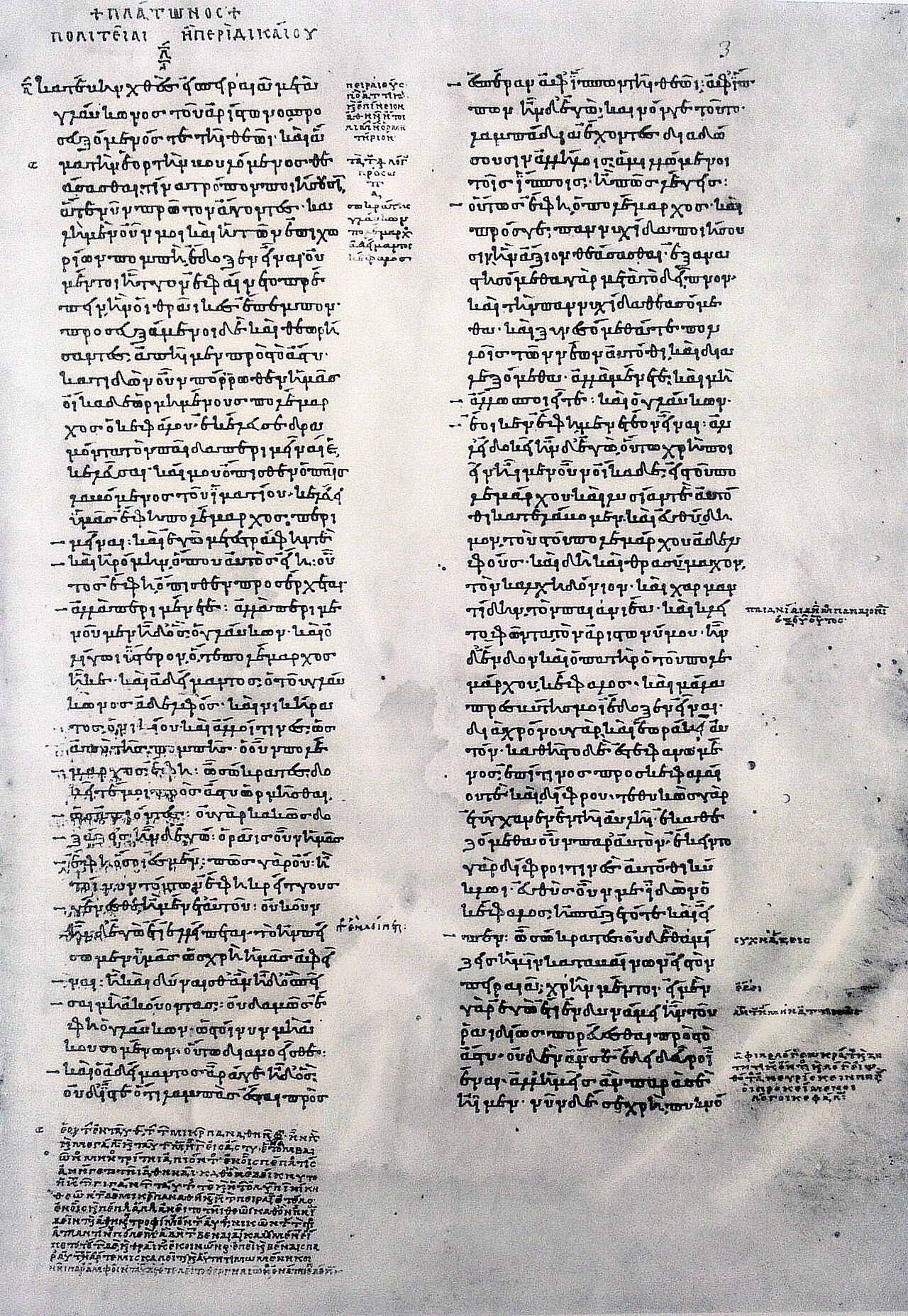 Book
Secondary source
The Republic
Plato · c. 375 BC
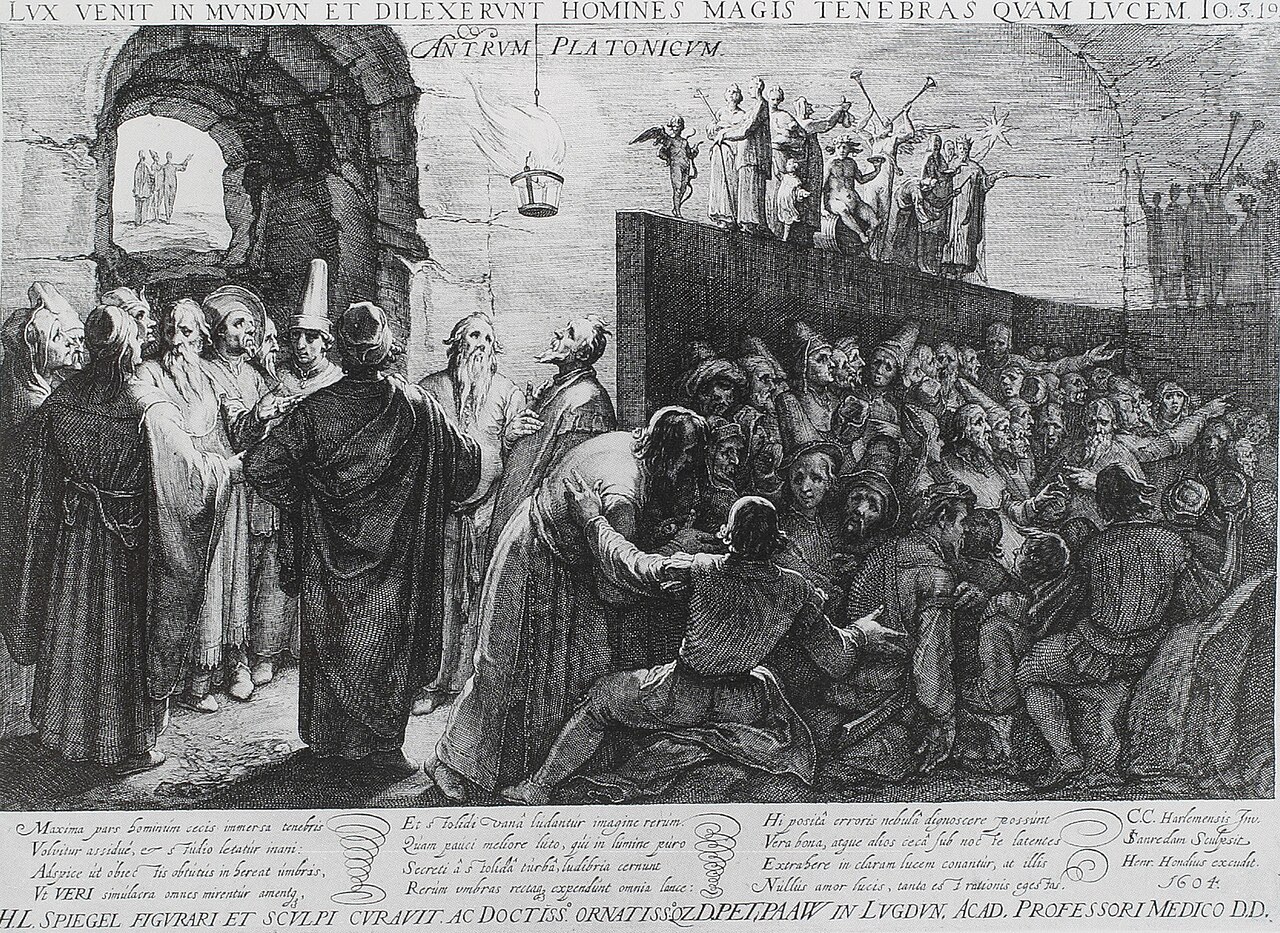 Book
Primary source
Allegory of the Cave
Plato · c. 400 BC
Secondary source
Apology
Plato · c. 395 BC
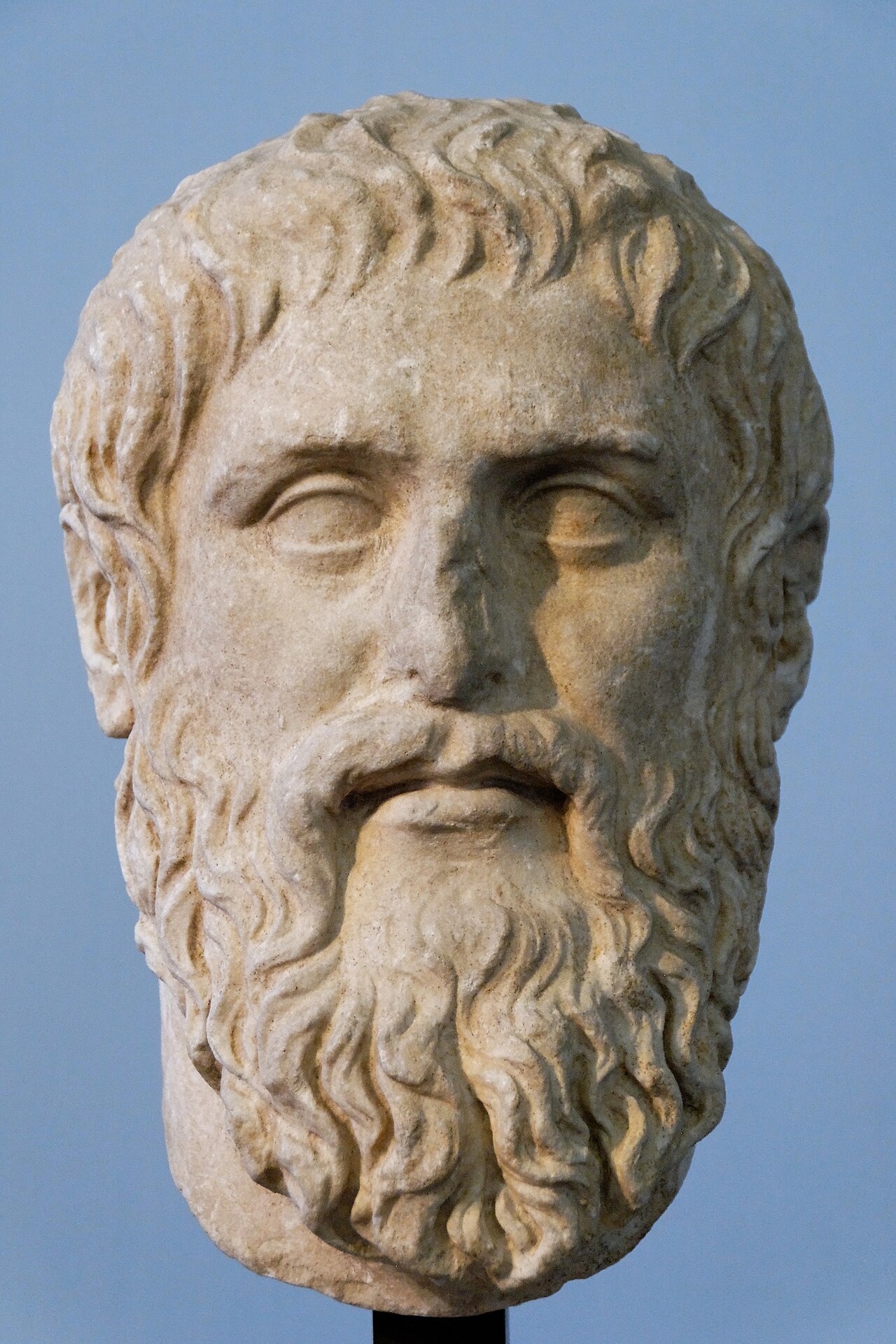 Sculpture
Secondary source
Portrait of Plato
Silanion (original type) · ca. 370 BC (original type); this copy Roman era
 Book
Secondary source
Phaedo
Plato · c. 360 BC
Ready when you are
Start chatting with Plato now.
20 messages free · No credit card · Available in 50+ languages.