


Secondary sourceBookc. 1484
Plato's Opera (Ficino translation)
Plato · c. 1484
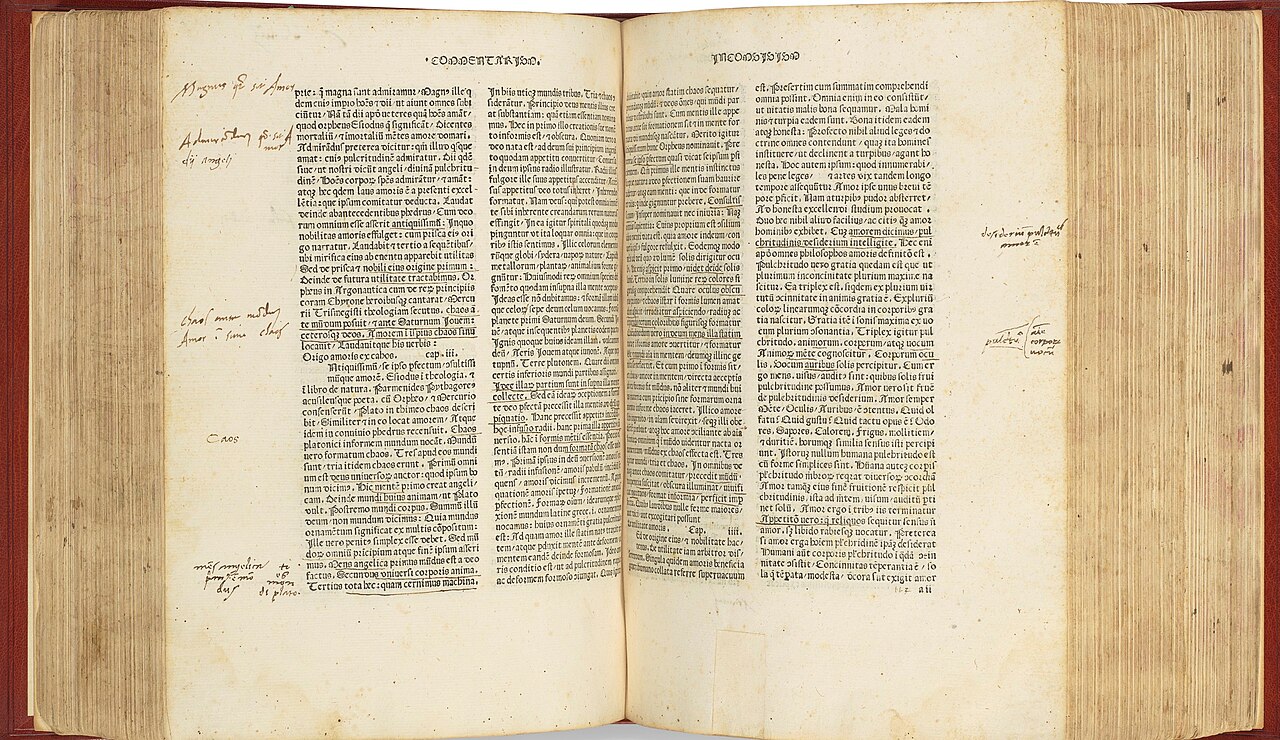
An early printed Latin translation of Plato's complete works, made around 1484, which introduced Plato to Latin-reading scholars of the Renaissance.
This Latin translation of Plato's complete works carried his philosophy to Renaissance scholars who could not read Greek.
About this source
What it is
This is a copy of Marsilio Ficino's Latin translation of the complete works of Plato, printed in Florence around 1484. The original dialogues were written by the Greek philosopher Plato centuries earlier.
Why it matters
Ficino's translation was crucial because most European scholars at the time could read Latin far more easily than Greek. This edition helped spark the movement known as Renaissance Platonism, spreading Plato's ideas about the soul, forms, and the good life to a wide new audience.
Look closer
- Why would translating a Greek text into Latin matter so much for its spread in Europe?
- What do the handwritten notes in the margins suggest about how readers used this book?
- What might be lost or changed when a philosophical text is translated from Greek into Latin?
This book is part of the curated material that grounds the AI version of Plato on Humy.ai — when students ask about related events, the AI can quote it and cite it.
More Plato sources
Meet the AI Plato →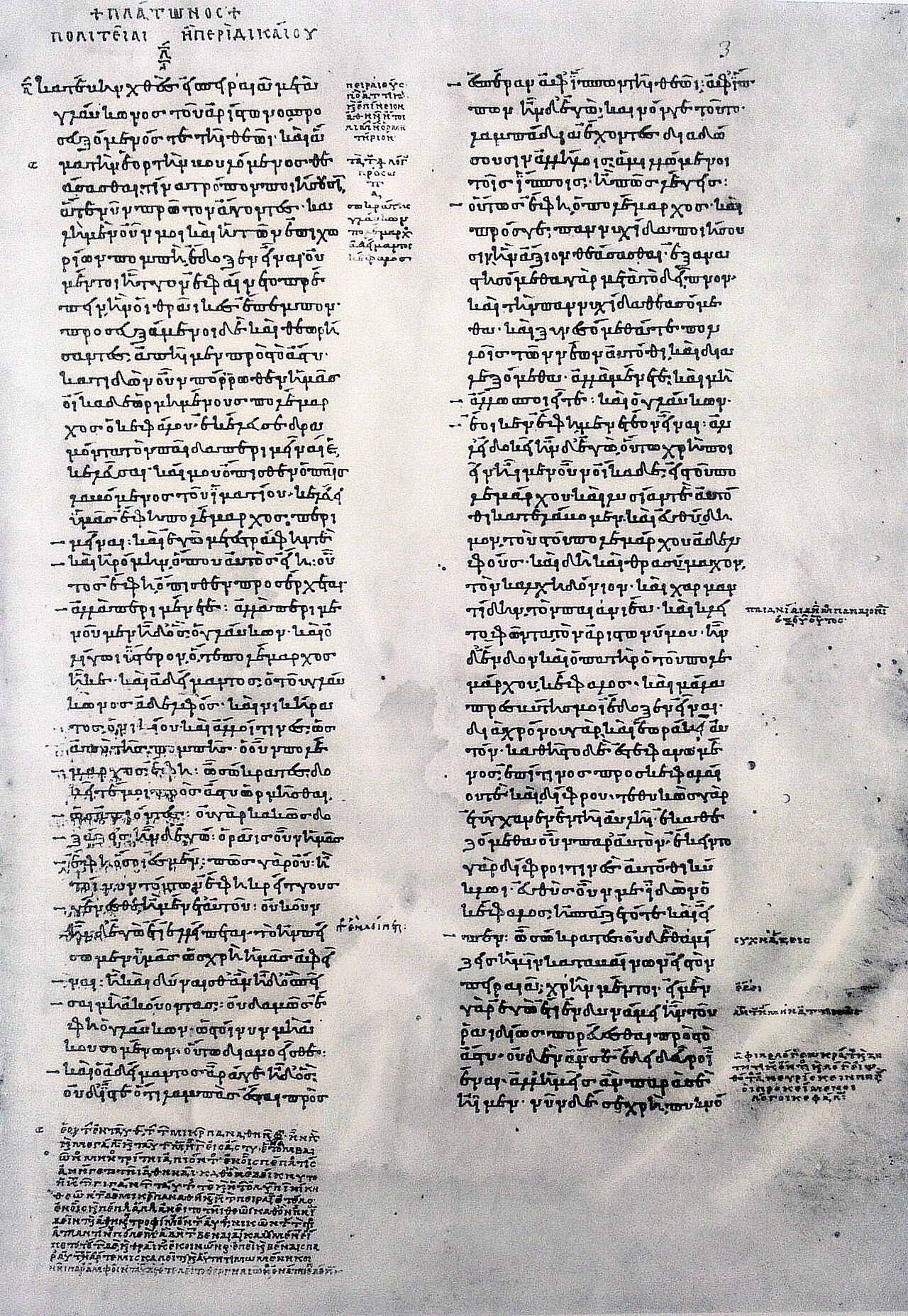 Book
Secondary source
The Republic
Plato · c. 375 BC
 Book
Primary source
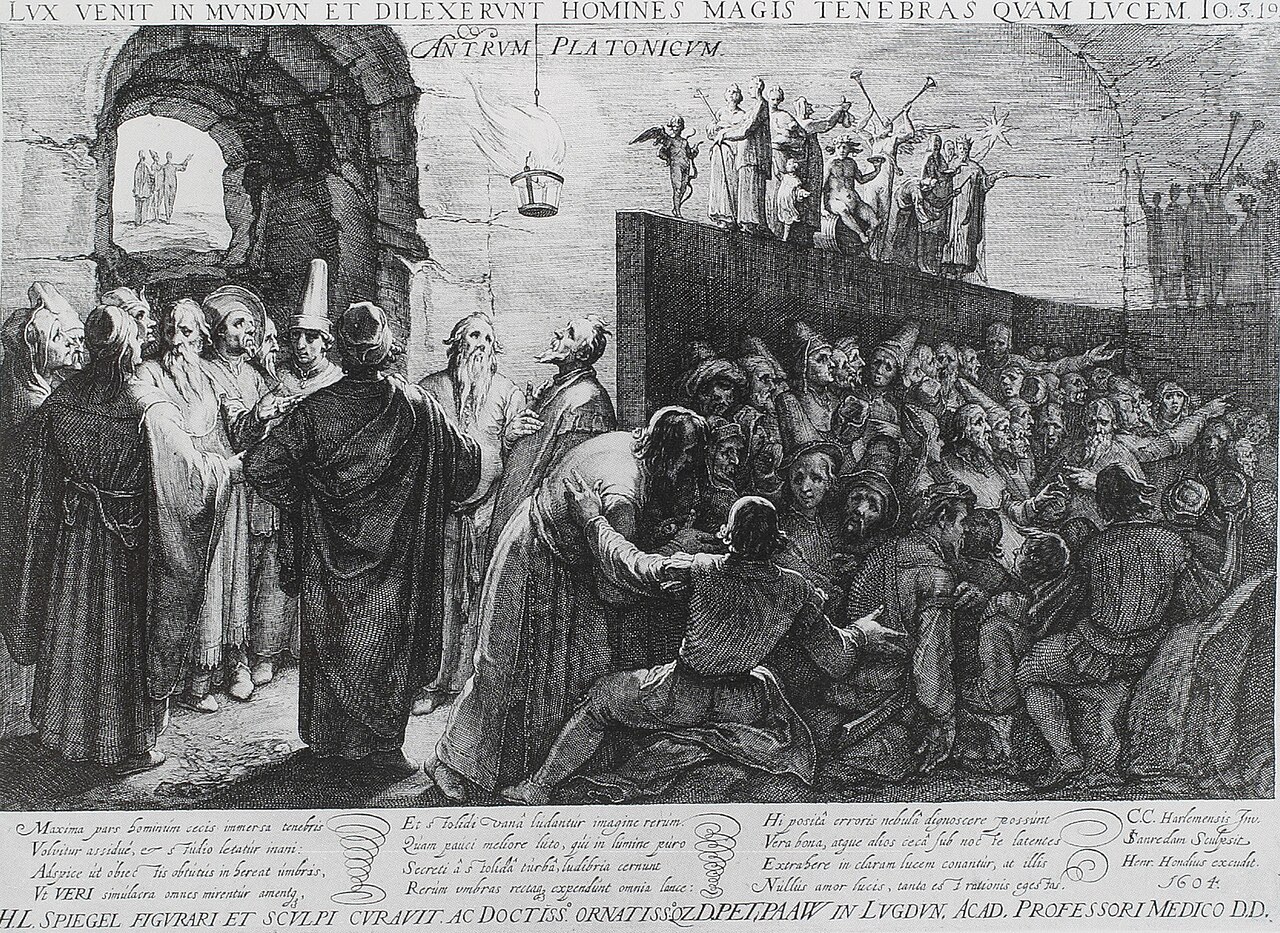
Allegory of the Cave
Plato · c. 400 BC
Secondary source
Apology
Plato · c. 395 BC
 Sculpture
Secondary source
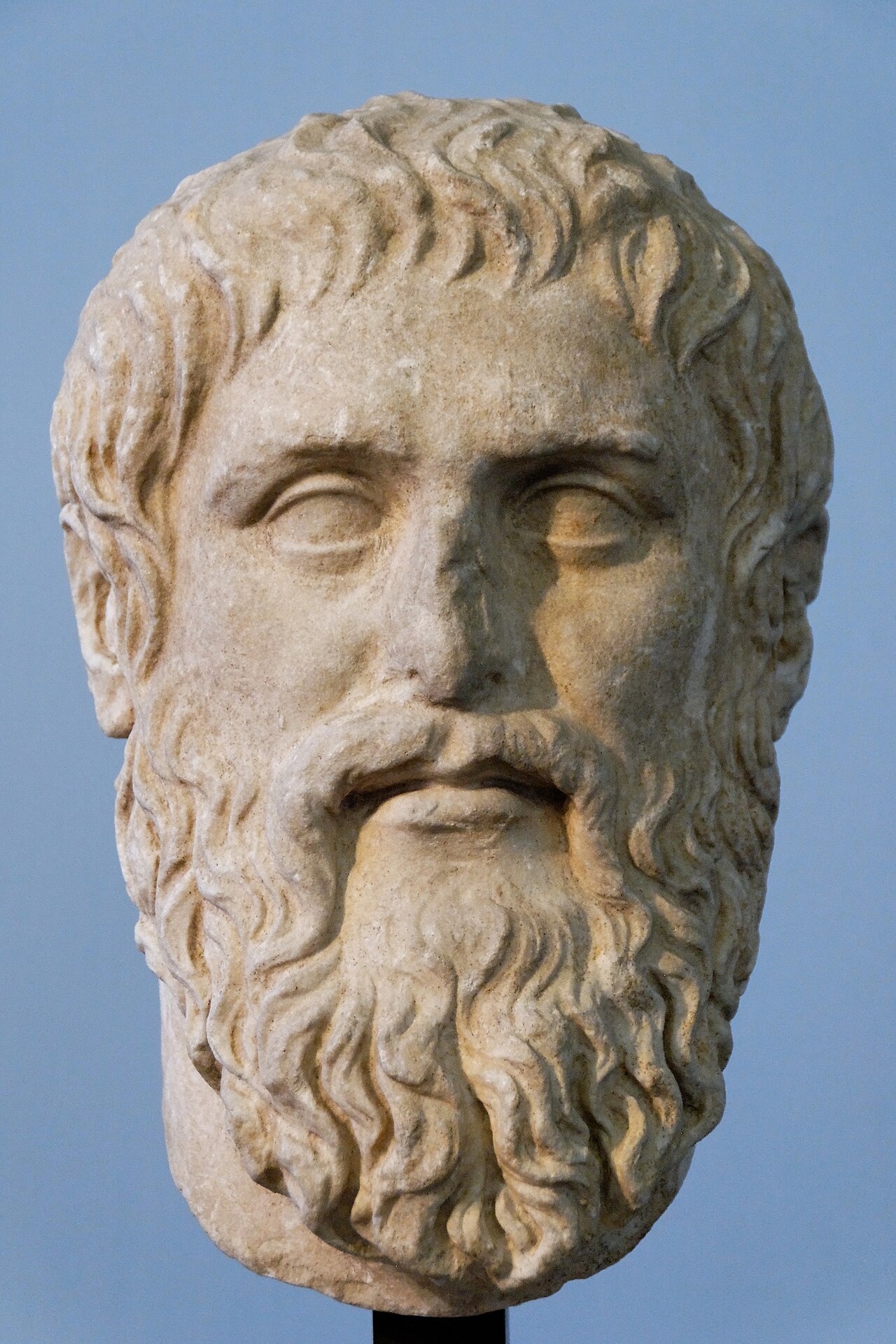
Portrait of Plato
Silanion (original type) · ca. 370 BC (original type); this copy Roman era
 Book
Secondary source
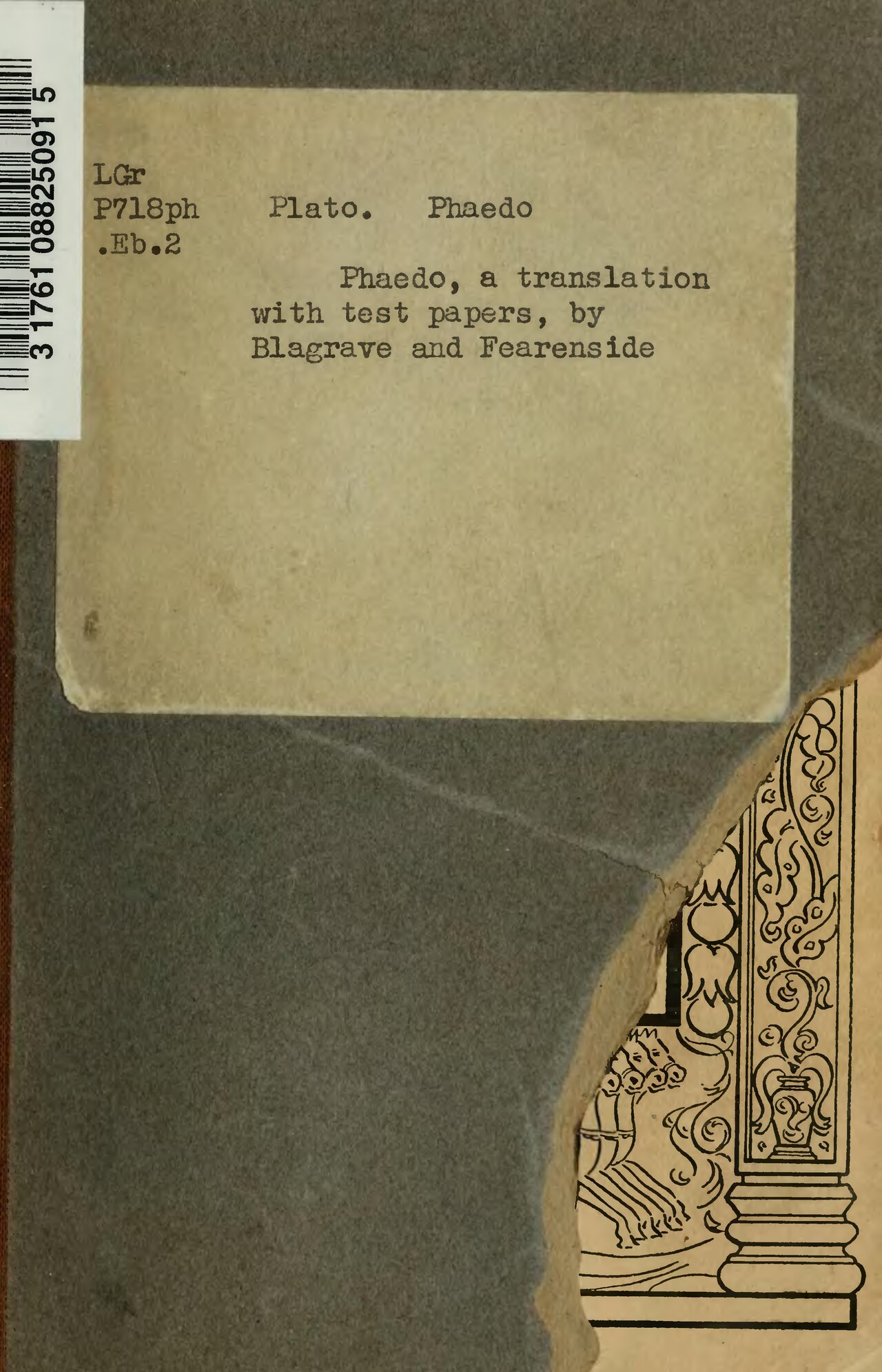
Phaedo
Plato · c. 360 BC
Ready when you are
Start chatting with Plato now.
20 messages free · No credit card · Available in 50+ languages.