


Primary sourceDocumentc. 1800 BC
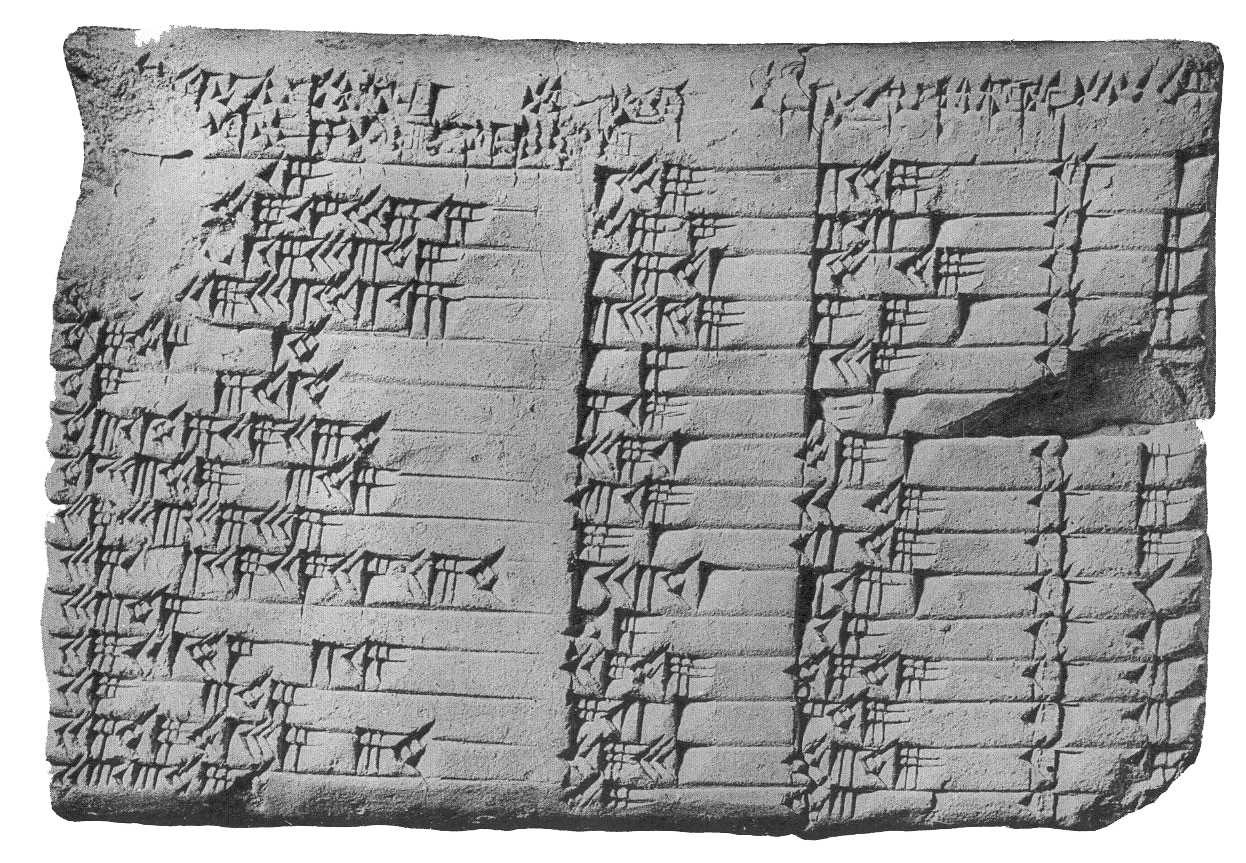
Plimpton 322
c. 1800 BC
A Babylonian mathematical tablet from Larsa listing Pythagorean triples, from around the time Hammurabi conquered the city.
Challenges the traditional claim that Pythagoras personally discovered the theorem bearing his name.
About this source
What it is
Plimpton 322 is a clay tablet containing a mathematical table written in cuneiform, believed to have been written around 1800 BC. Each row lists numbers forming a Pythagorean triple, related to the Pythagorean theorem. It likely comes from the ancient city of Larsa in southern Iraq and is now held by Columbia University Libraries.
Why it matters
The tablet shows that Babylonian scribes understood and used the Pythagorean rule more than a thousand years before the Greeks made their famous discoveries in geometry. It dates from around the time Hammurabi conquered Larsa, revealing the advanced scribal and mathematical learning present in his empire.
Look closer
- What might this table have been used for: teaching, building, or pure mathematical curiosity?
- Why do scholars still debate the tablet's purpose today?
- What does the survival of such technical knowledge tell you about Babylonian scribal schools?
This document is part of the curated material that grounds the AI version of Pythagoras and Hammurabi on Humy.ai — when students ask about related events, the AI can quote it and cite it.
More Pythagoras sources
Meet the AI Pythagoras → Book
Secondary source
Lives and Opinions of Eminent Philosophers, Book V (Life of Aristotle)
Diogenes Laërtius · c. 3rd century CE
 Book
Secondary source
Histories
Herodotus · c. 440 BCE
 Painting
Secondary source
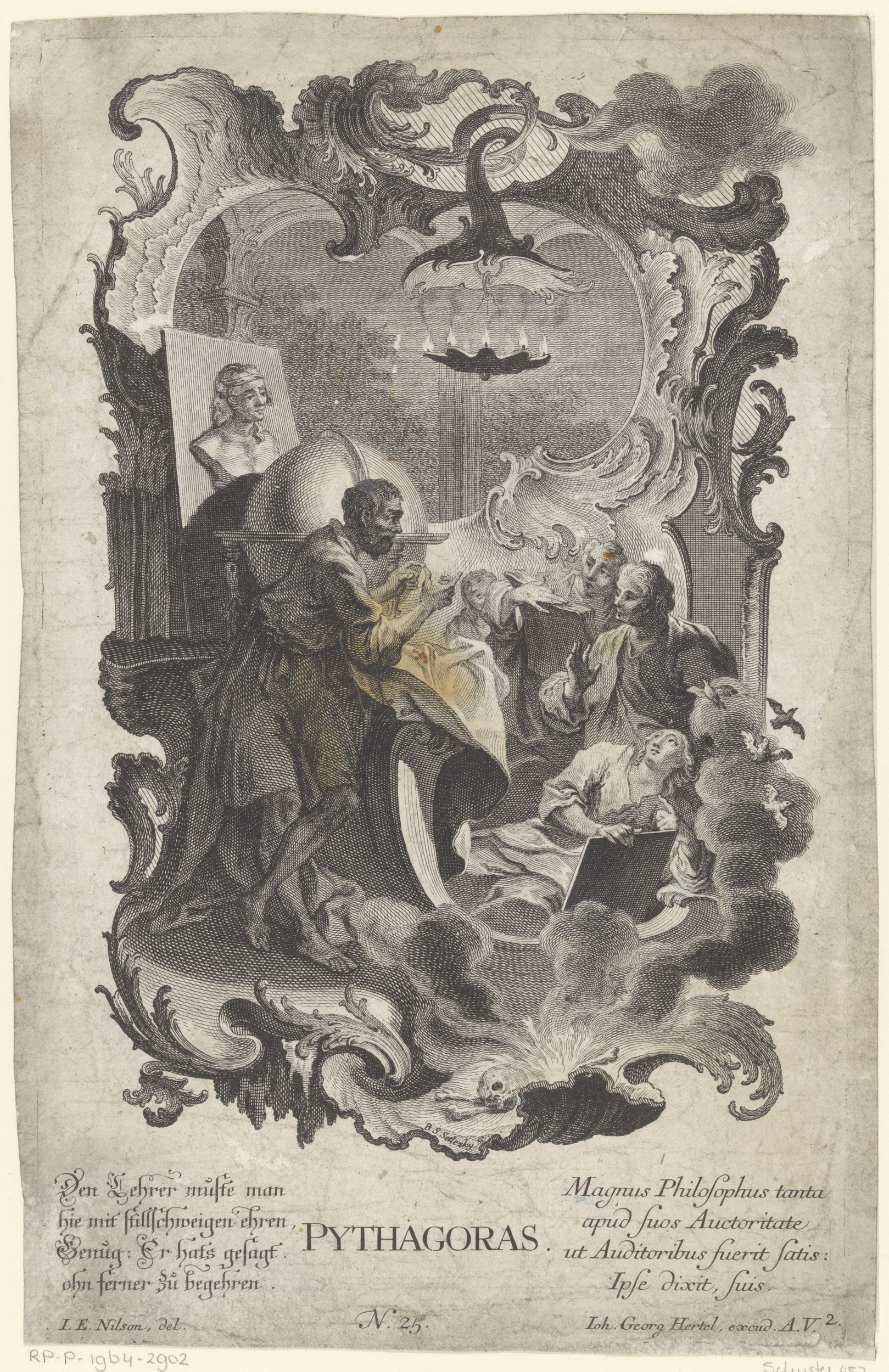
Pythagoras Leaning on a Globe with Four Listeners
 Book
Secondary source
Metaphysics
Aristotle · c. 400 BCE
 Painting
Secondary source
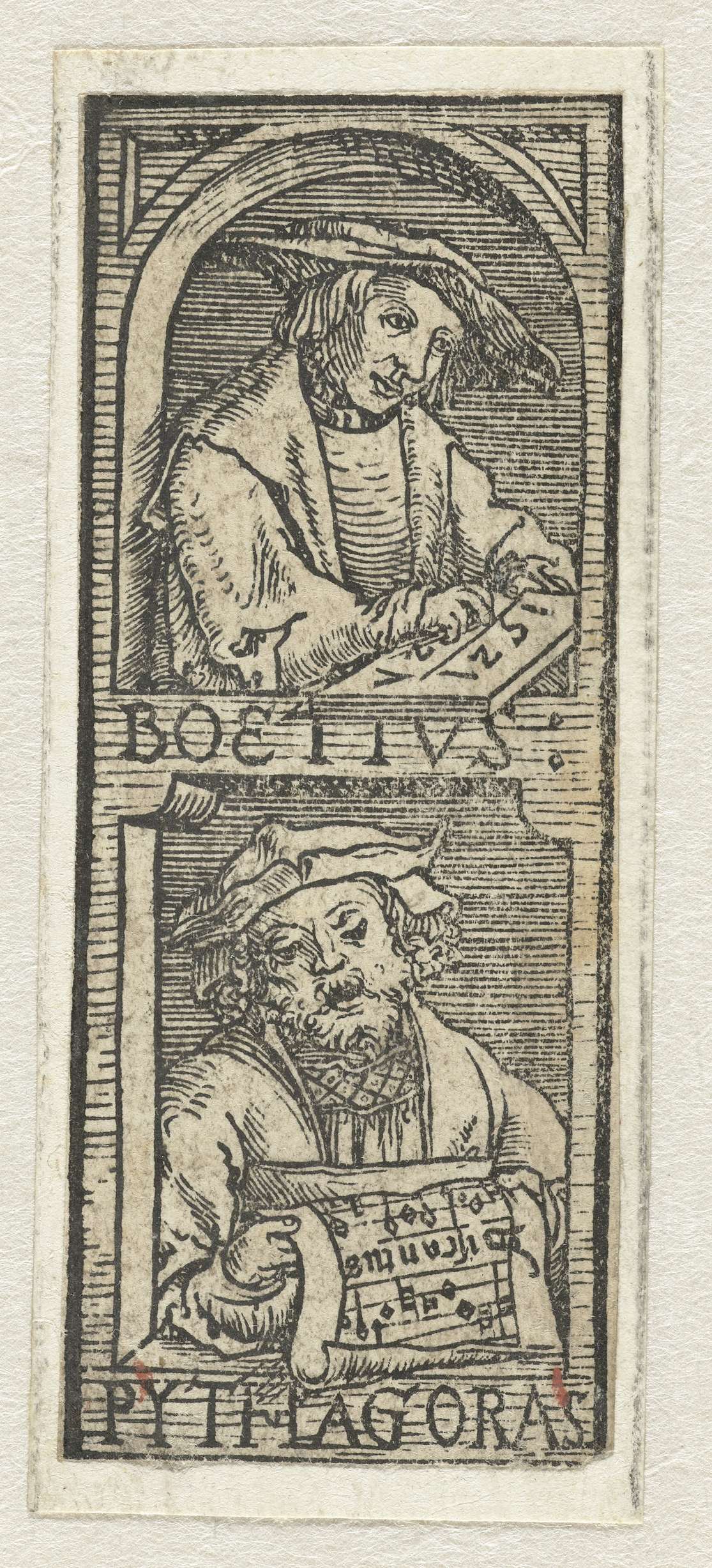
Boethius and Pythagoras
1521
Ready when you are
Start chatting with Pythagoras now.
20 messages free · No credit card · Available in 50+ languages.