


Primary sourceSpeech1756
Poem on the Lisbon Disaster
Voltaire · 1756
Voltaire's poem written in response to the 1755 Lisbon earthquake, questioning the idea that the world is governed by a benevolent providence.
Voltaire's direct philosophical response, in verse, to a real disaster, revealing his questioning of providence.
About this source
What it is
This is Voltaire's poem written after the 1755 Lisbon earthquake, shown here in English translation. In it he examines the maxim 'whatever is, is right' and describes the horror of the disaster.
Why it matters
The earthquake killed huge numbers of people in Lisbon, and Voltaire used it to challenge philosophical optimism — the belief that suffering must serve some greater good. The poem shows him using a real catastrophe to argue about God, justice and human suffering, ideas he later explored further in his fiction.
- Why might a natural disaster lead a writer to question religious or philosophical ideas?
- What effect do the vivid images of suffering have on the reader's attitude toward 'optimism'?
- This is a translation — how might translation change the poem's original tone or meaning?
This speech is part of the curated material that grounds the AI version of Voltaire on Humy.ai — when students ask about related events, the AI can quote it and cite it.
More Voltaire sources
Meet the AI Voltaire →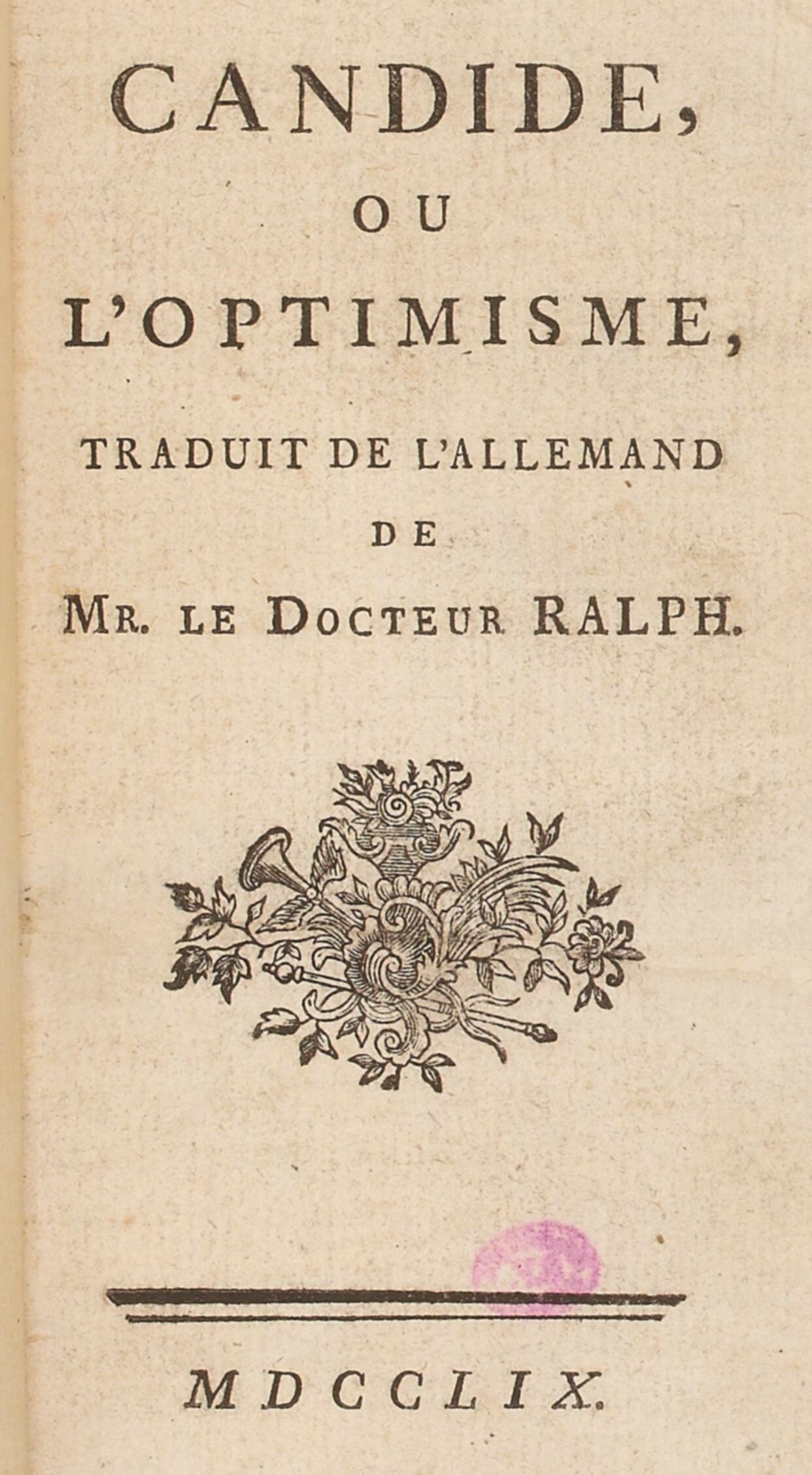
Ready when you are
Start chatting with Voltaire now.
20 messages free · No credit card · Available in 50+ languages.