


Primary sourceBook1756
Poème sur le désastre de Lisbonne
Voltaire · 1756
Voltaire's poem written after the 1755 Lisbon earthquake, rejecting the idea that 'all is well' in the world.
This poem shows Voltaire grappling publicly with the problem of evil and rejecting comforting philosophical optimism.
About this source
What it is
The Poème sur le désastre de Lisbonne is a 180-line poem composed by Voltaire in December 1755 and published in 1756, written in response to the devastating Lisbon earthquake of 1 November 1755.
Why it matters
The earthquake killed tens of thousands of people and shook the philosophical confidence of thinkers like Gottfried Wilhelm Leibniz and Alexander Pope, who argued the world was fundamentally good and ordered. Voltaire used the poem to reject this philosophical optimism, arguing that such suffering could not be reconciled with a benevolent, intervening God. The poem is considered an introduction to his later work Candide and provoked a famous reply from Jean-Jacques Rousseau.
Look closer
- Why might a natural disaster challenge religious and philosophical beliefs of the time?
- How does Voltaire use vivid, painful imagery to make his argument?
- What does it tell us that this poem provoked a direct reply from another philosopher?
This book is part of the curated material that grounds the AI version of Voltaire on Humy.ai — when students ask about related events, the AI can quote it and cite it.
More Voltaire sources
Meet the AI Voltaire →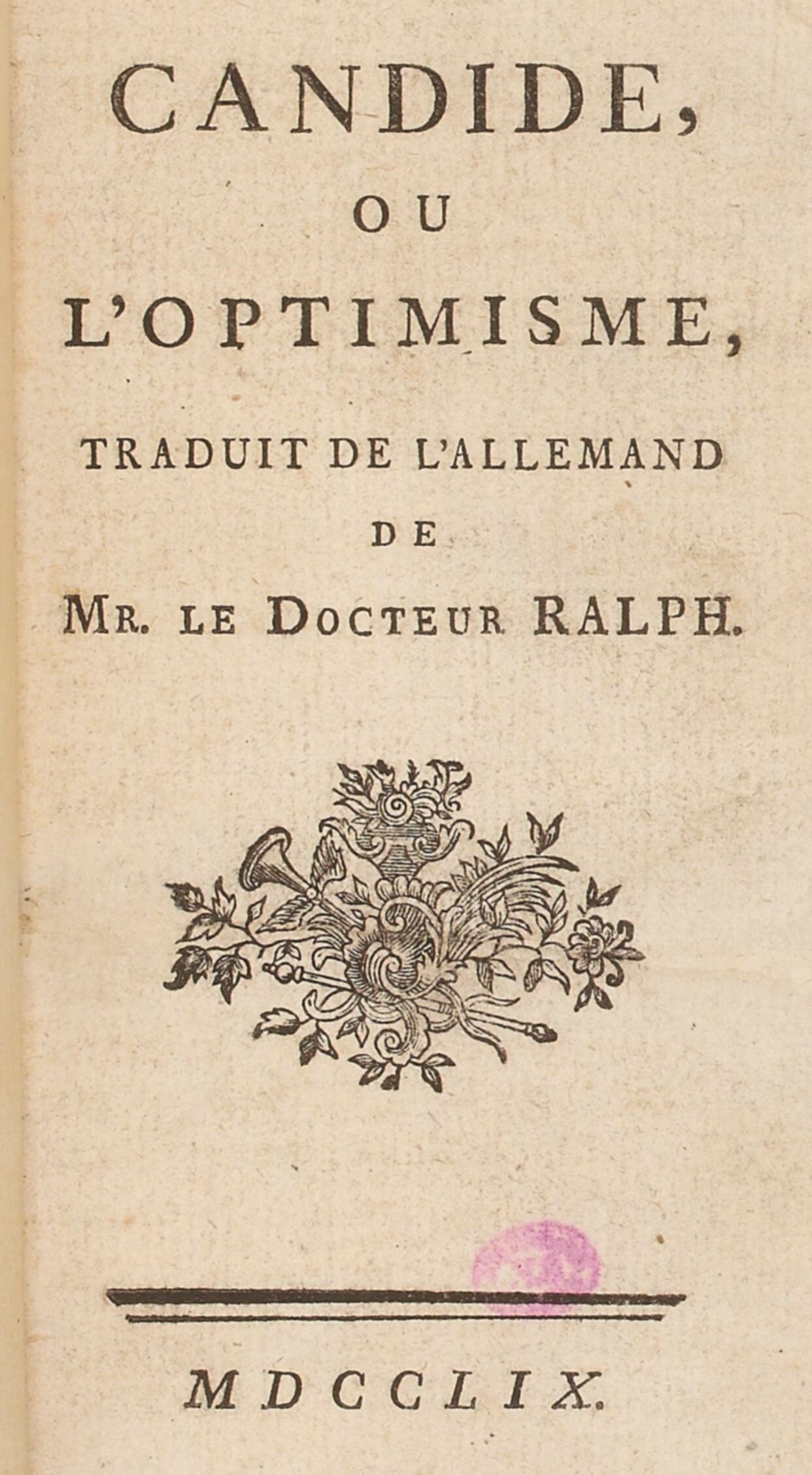


Ready when you are
Start chatting with Voltaire now.
20 messages free · No credit card · Available in 50+ languages.