


Primary sourceBook1828–1829
Poltava
Alexander Pushkin · 1828–1829
A narrative poem by Alexander Pushkin about Peter the Great, the Cossack hetman Mazepa, and the Battle of Poltava.
Pushkin wrote this poem, revealing his fascination with Peter the Great and Russian imperial history.
About this source
What it is
Poltava is a long poem written by Alexander Pushkin in 1828–29. It tells of the Cossack hetman Ivan Mazepa, his love for Maria Kochubei, his betrayal of Tsar Peter I, and Peter's victory at the 1709 Battle of Poltava.
Why it matters
The poem shows Pushkin engaging directly with Russian imperial history and responding to other writers, including Byron and Ryleyev, who had portrayed Mazepa sympathetically. Pushkin instead presents Mazepa critically and glorifies Peter the Great, reflecting his own fascination with the tsar who transformed Russia. The poem blends romance, political intrigue and war, and later inspired Tchaikovsky's opera Mazeppa.
Look closer
- Why might Pushkin have wanted to correct earlier, more flattering portrayals of Mazepa?
- What does the poem's ending, which praises Peter's monument while forgetting Mazepa, suggest about how history remembers winners and losers?
- How does mixing a love story with political history change the way readers understand the events?
This book is part of the curated material that grounds the AI version of Alexander Pushkin on Humy.ai — when students ask about related events, the AI can quote it and cite it.
More Alexander Pushkin sources
Meet the AI Alexander Pushkin →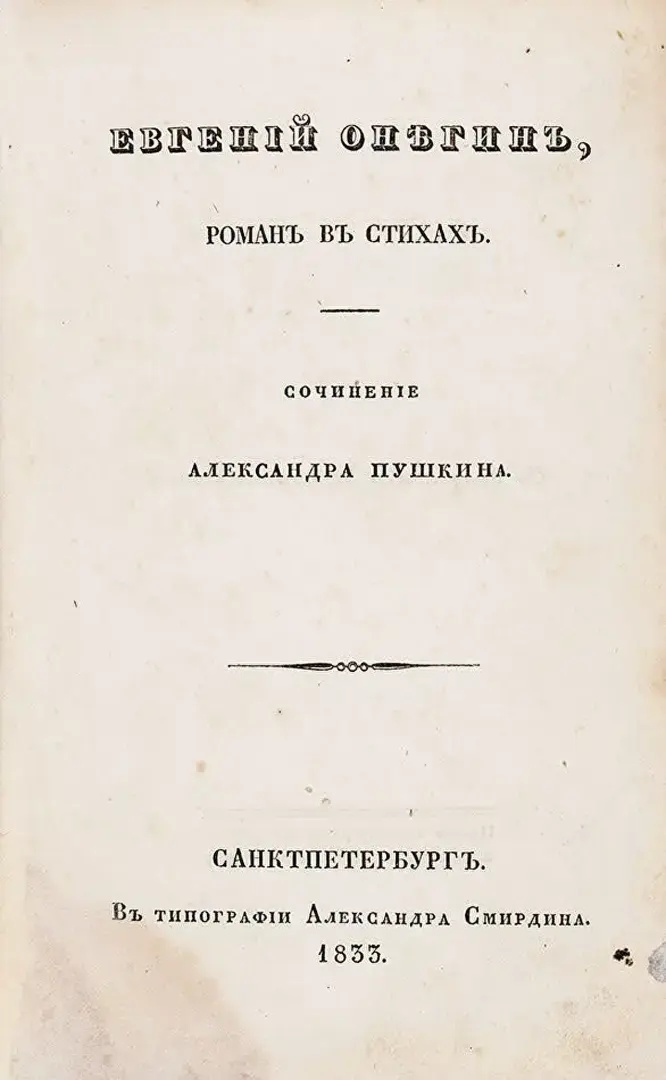 Book
Primary source
Eugene Onegin
Alexander Pushkin · 1823-1831
Primary source
Boris Godunov
Alexander Pushkin · 1825
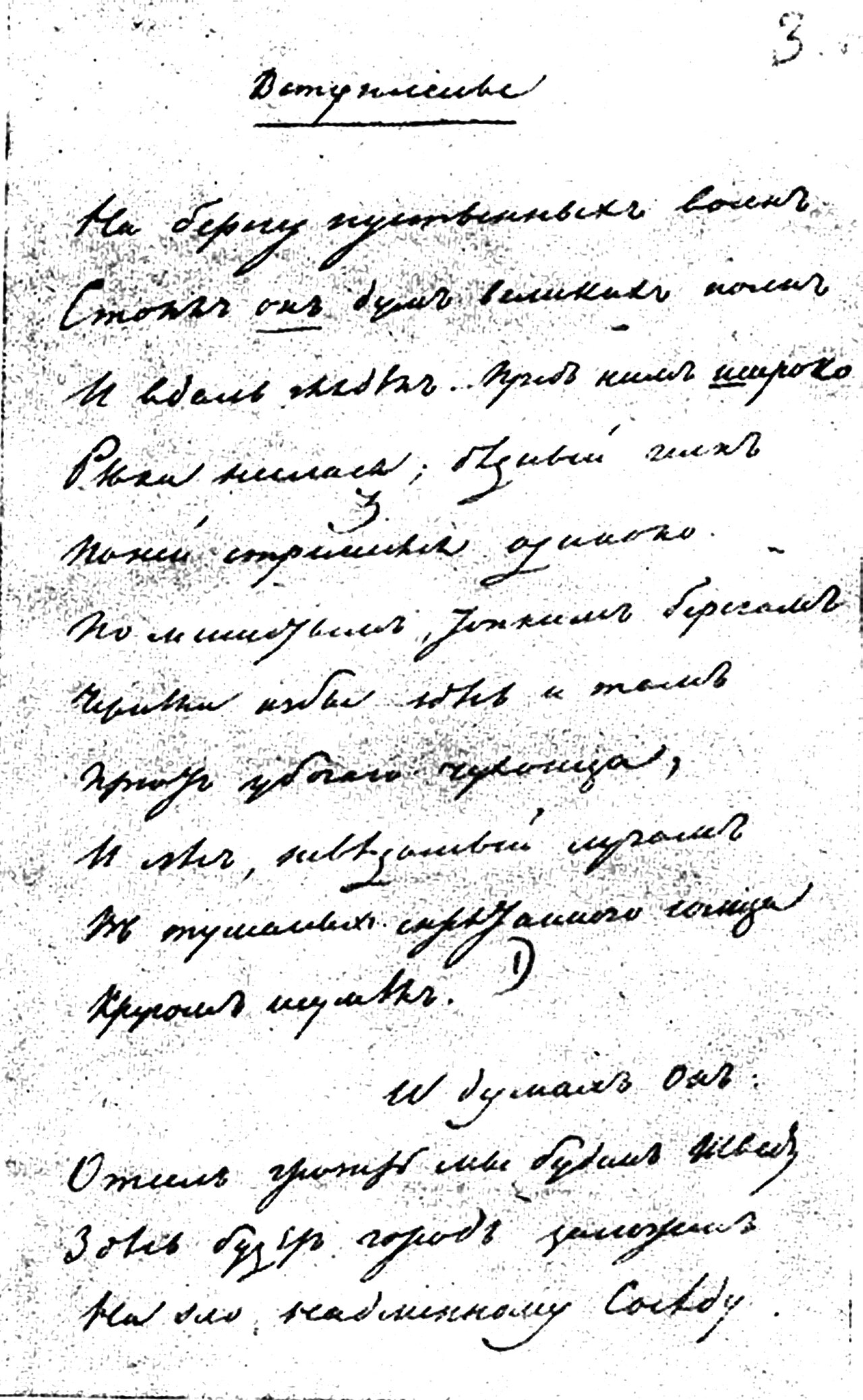 Book
Primary source
The Bronze Horseman
Alexander Pushkin · 1833
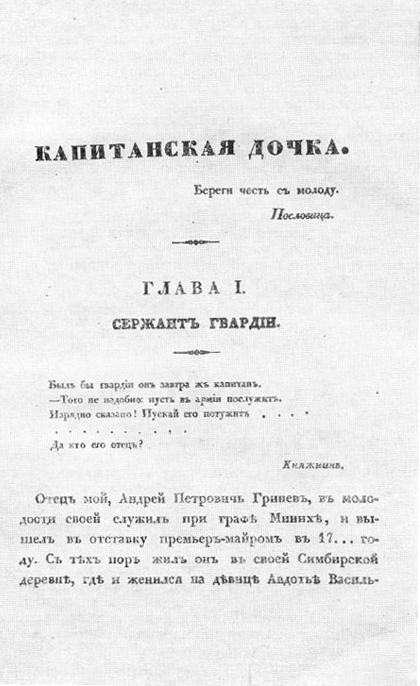 Book
Primary source
The Captain's Daughter
Alexander Pushkin · 1836
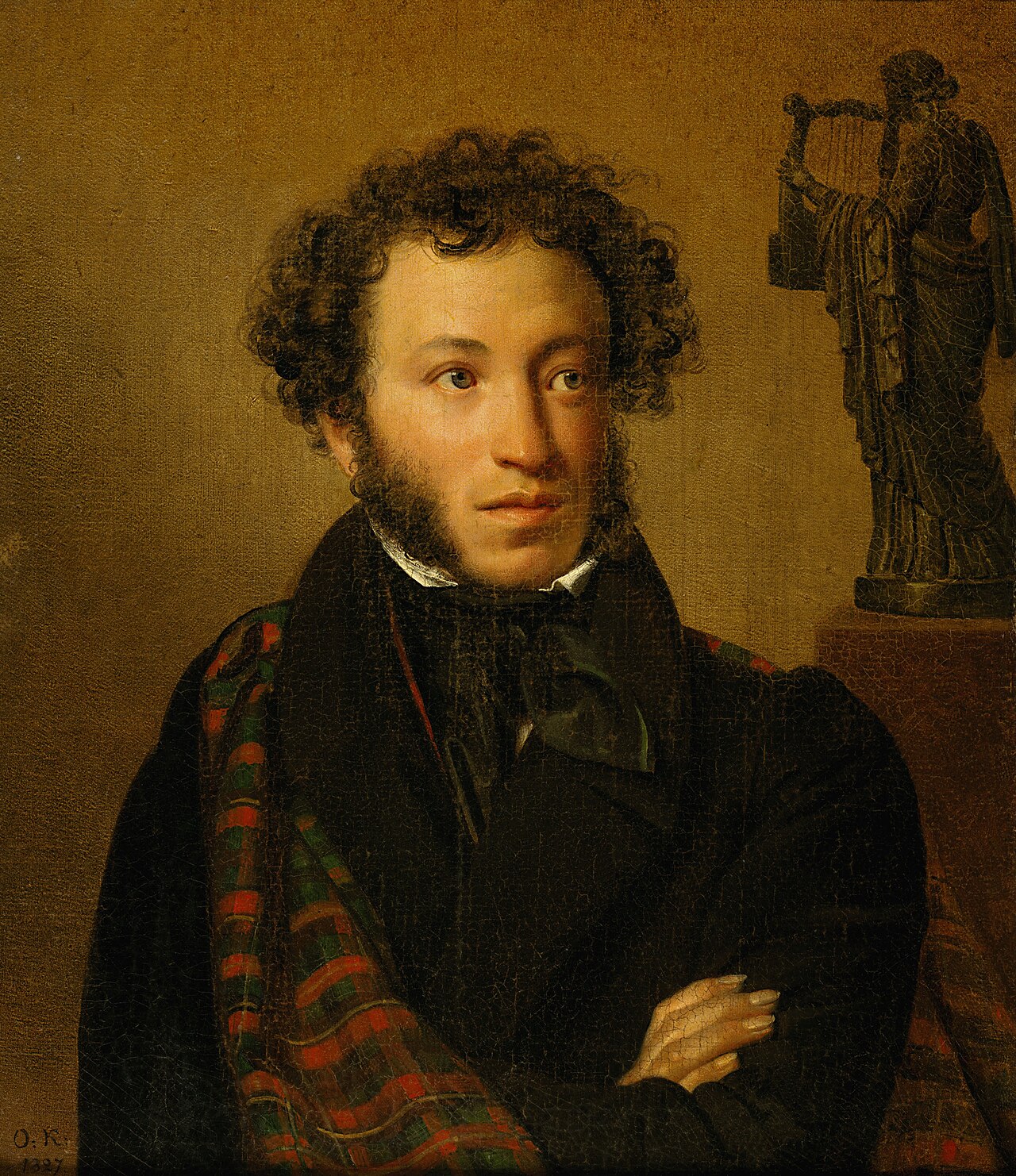 Painting
Primary source
Alexander Pushkin
Orest Kiprensky · 1827
Ready when you are
Start chatting with Alexander Pushkin now.
20 messages free · No credit card · Available in 50+ languages.