


Secondary sourcePaintingbetween 1666 and 1671
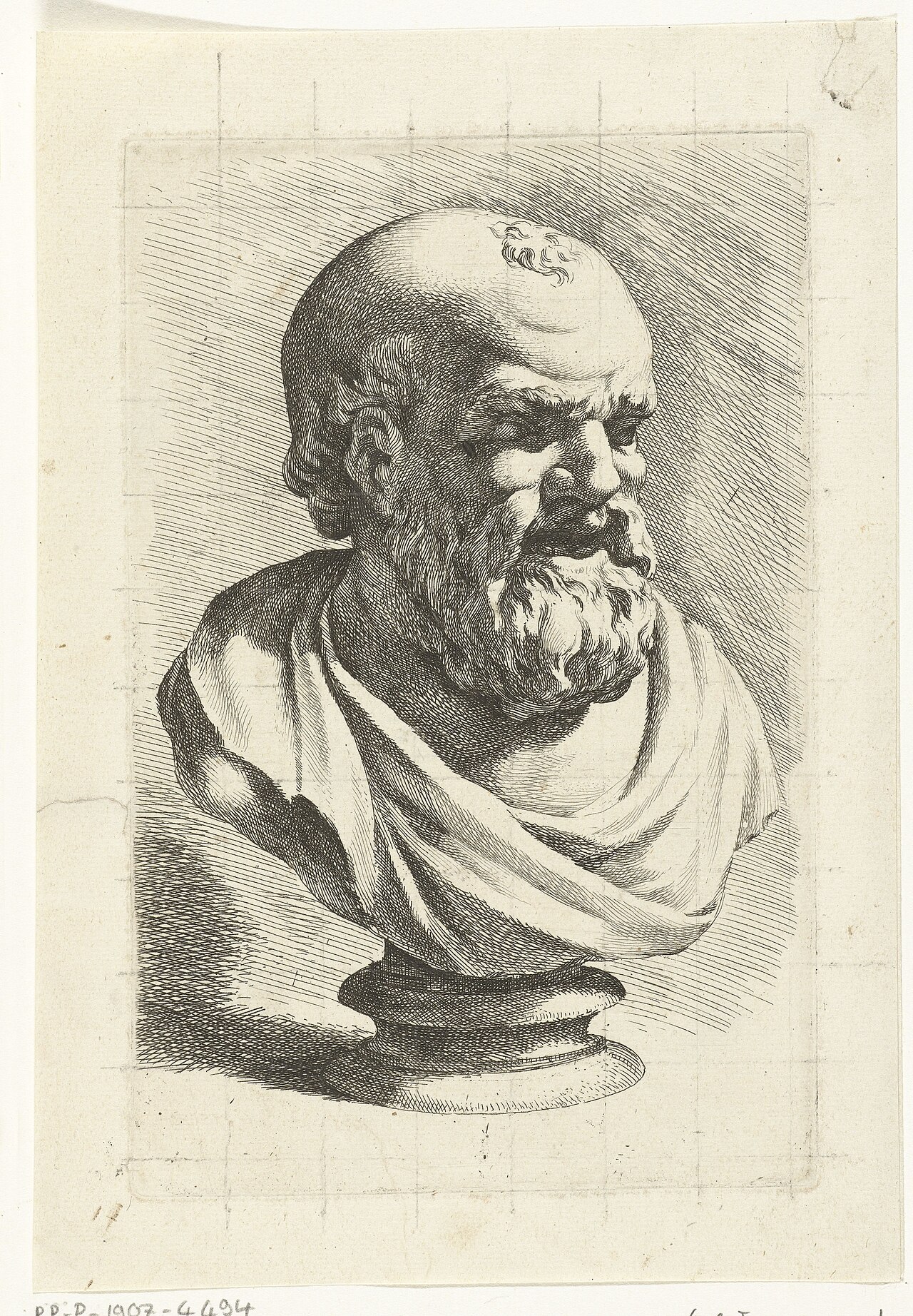
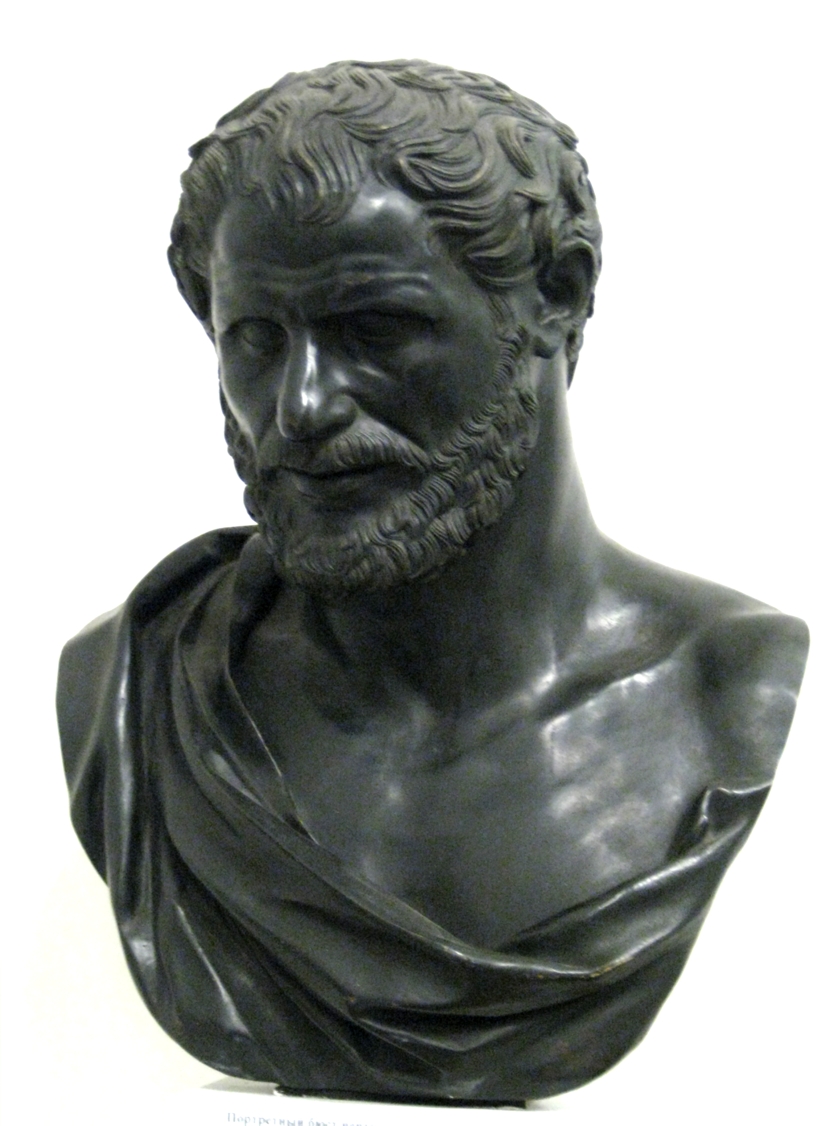
Portrait Bust of Democritus
Jan de Bisschop · between 1666 and 1671
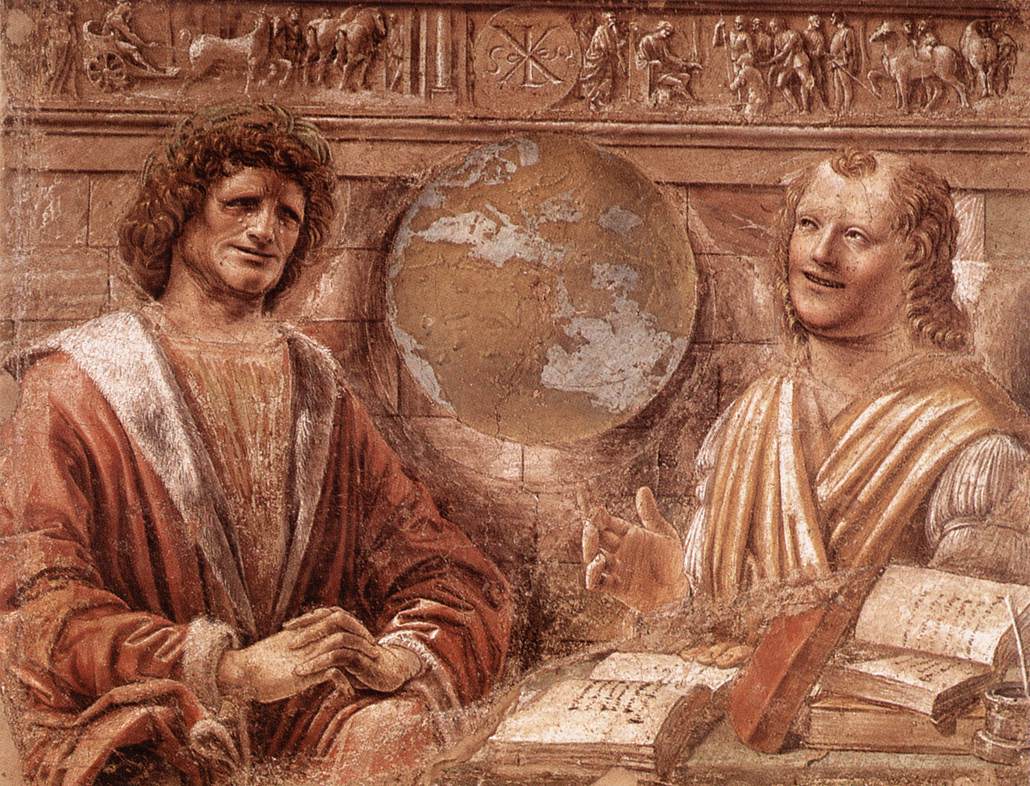
A 17th-century Dutch print of a sculpted bust of Democritus, paired in its series with Heraclitus, the 'weeping philosopher.'
An artist's reference print of a sculpted bust imagining Democritus's appearance, from a series of philosopher portraits.
About this source
What it is
An etching made between 1666 and 1671 by Jan de Bisschop, copying an anonymous sculpted bust of Democritus. It belongs to a printed series of artists' model images called 'Paradigmata graphices.' The print shows the bust in profile on a stepped base.
Why it matters
Democritus was known in later tradition as the 'laughing philosopher,' often paired with Heraclitus, the 'weeping philosopher.' This print, made for artists to study and copy, shows how his image circulated as a standard model long after his life, shaping how people pictured ancient thinkers.
Look closer
- Why might a print like this be made for other artists to copy, rather than for a general audience?
- What clues in the bust suggest it was meant to represent a philosopher rather than an ordinary person?
- Why do you think Democritus was often paired with Heraclitus in images like this?
This painting is part of the curated material that grounds the AI version of Democritus on Humy.ai — when students ask about related events, the AI can quote it and cite it.
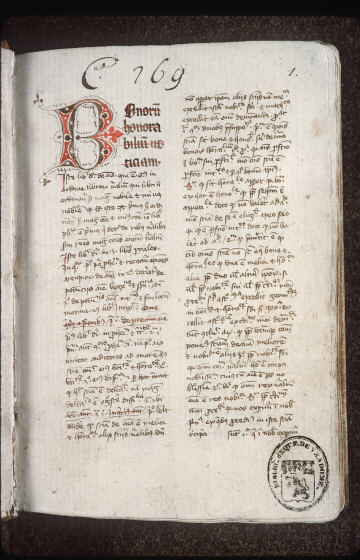
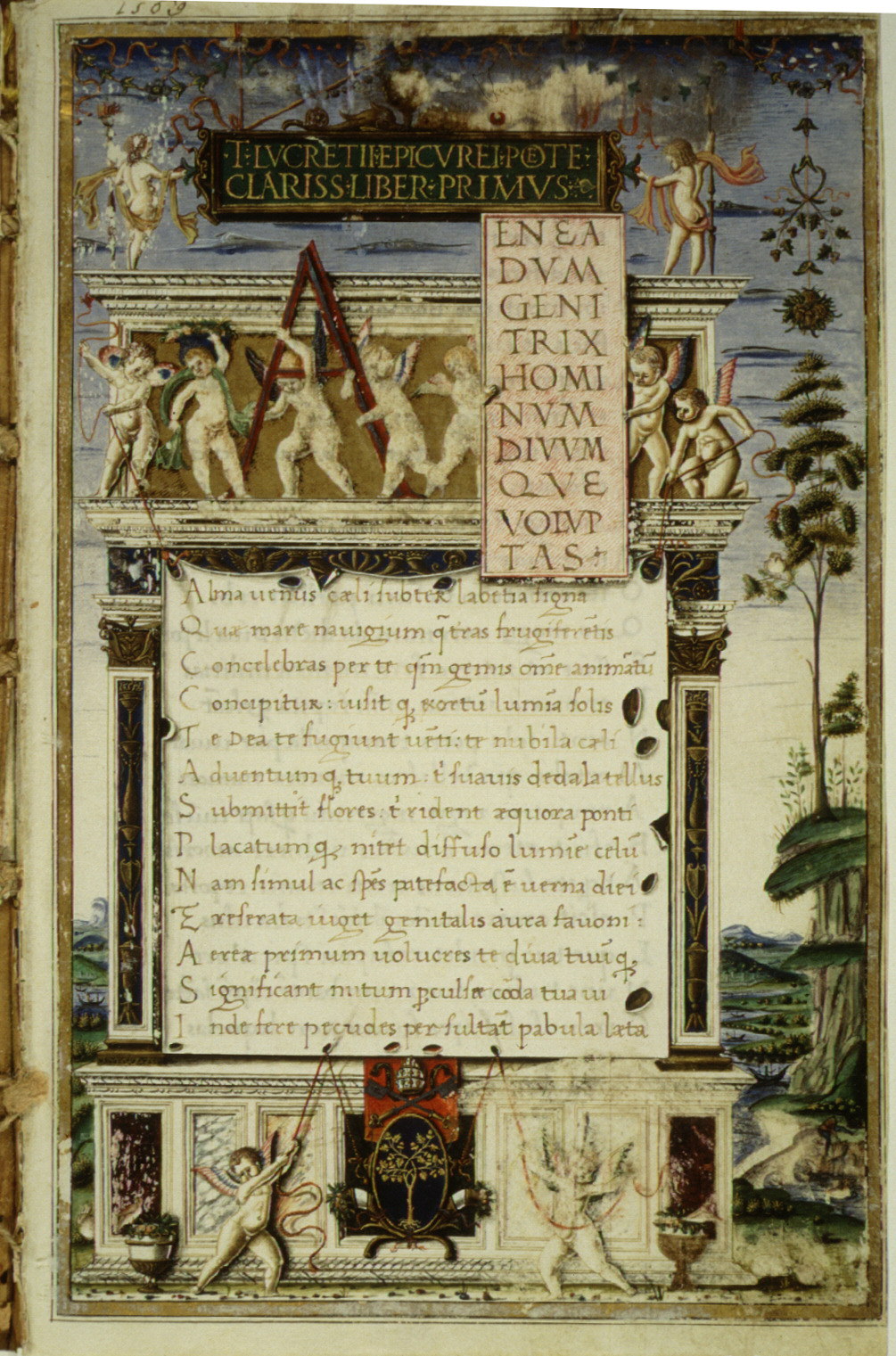
More Democritus sources
Browse all 93 →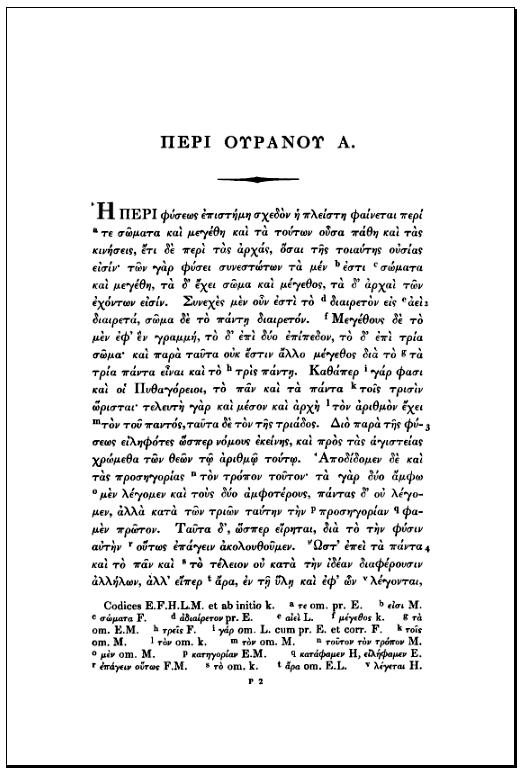

Ready when you are
Start chatting with Democritus now.
20 messages free · No credit card · Available in 50+ languages.