


Secondary sourcePainting1605
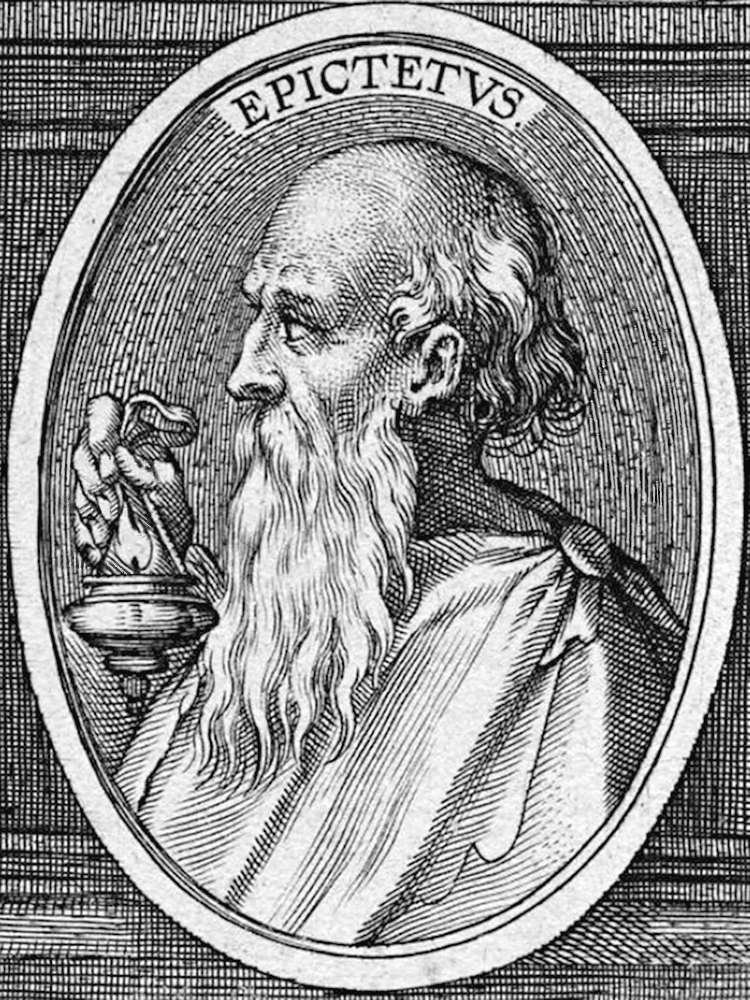
Portrait of Epictetus
Theodoor Galle (after Peter Paul Rubens) · 1605
An imaginary engraved portrait of Epictetus from a 1605 title page, since no real likeness of him survives.
An imagined portrait made 1,500 years after his death, showing how later Europe pictured him since no real image survives.
About this source
What it is
This oval engraving shows an elderly bald man with a long beard, holding a small oil lamp, labeled EPICTETVS. It appears on the title page of a 1605 edition of Seneca's works, engraved by Theodoor Galle from a design by Peter Paul Rubens.
Why it matters
No authentic likeness of Epictetus survives from his own lifetime, so this image is entirely imagined by early modern artists. It shows how printers and artists like Rubens and Galle constructed a visual identity for ancient philosophers to satisfy readers' expectations of what a wise man should look like.
Look closer
- Since no real portrait of Epictetus exists, what choices did the artist make to suggest wisdom and age?
- Why might this image appear on a book of Seneca's works rather than a book by Epictetus himself?
- What does the lamp in his hand suggest, and why might it have been included?
This painting is part of the curated material that grounds the AI version of Epictetus on Humy.ai — when students ask about related events, the AI can quote it and cite it.
More Epictetus sources
Meet the AI Epictetus →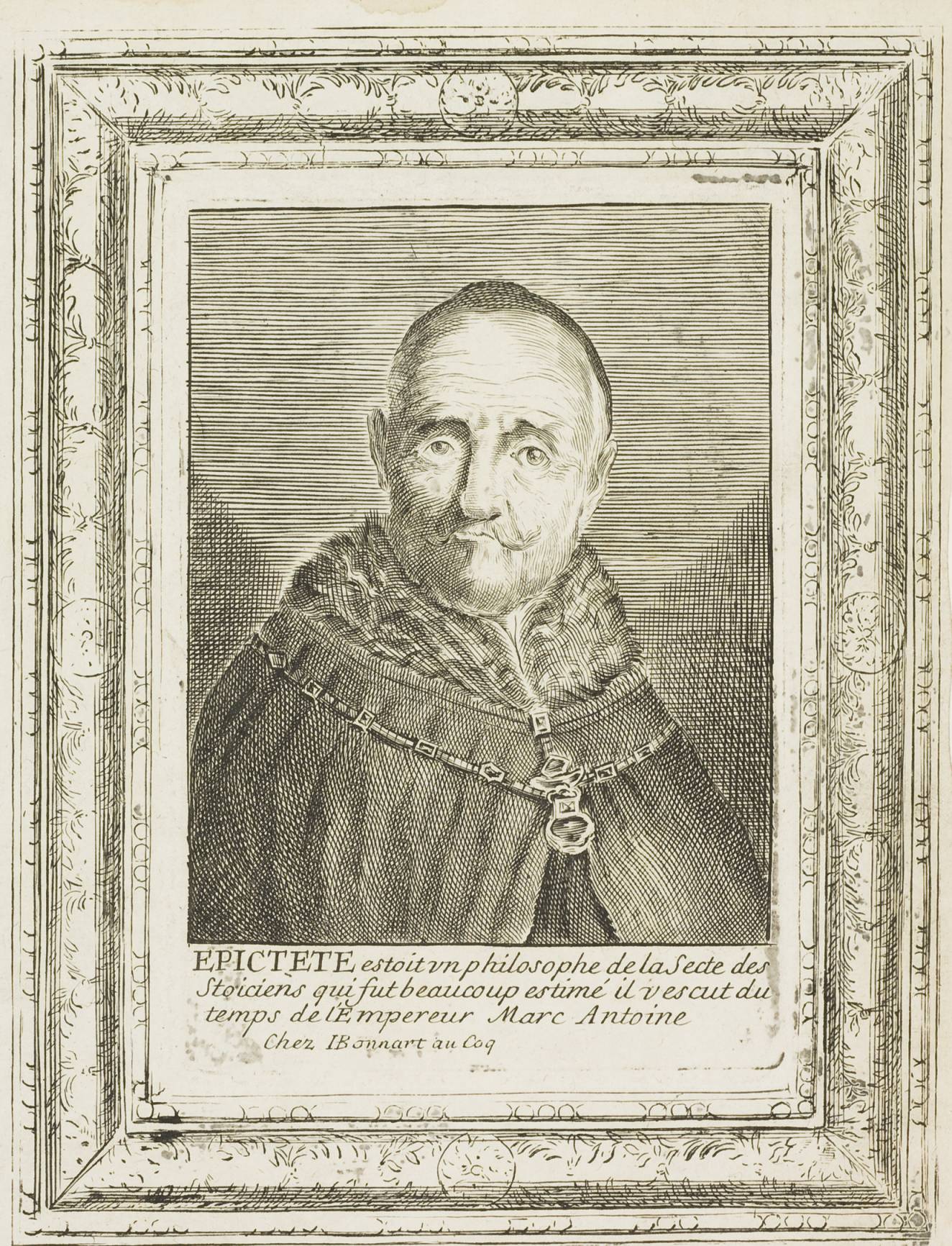 Painting
Secondary source
Epictete
Henri Bonnart · 17th century
 Book
Secondary source
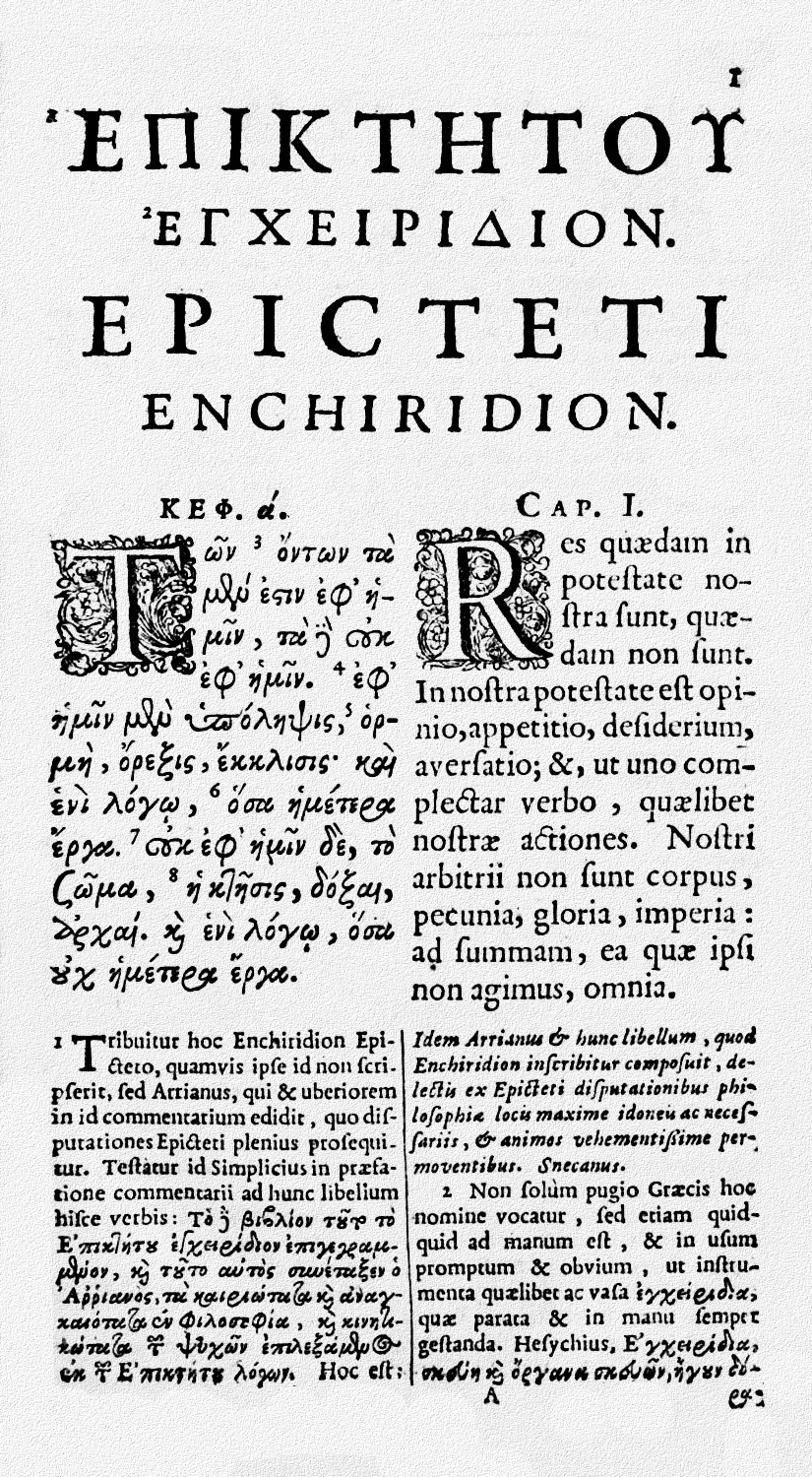
Enchiridion of Epictetus
Arrian · early 2nd century AD (this edition 1683)
 Book
Secondary source
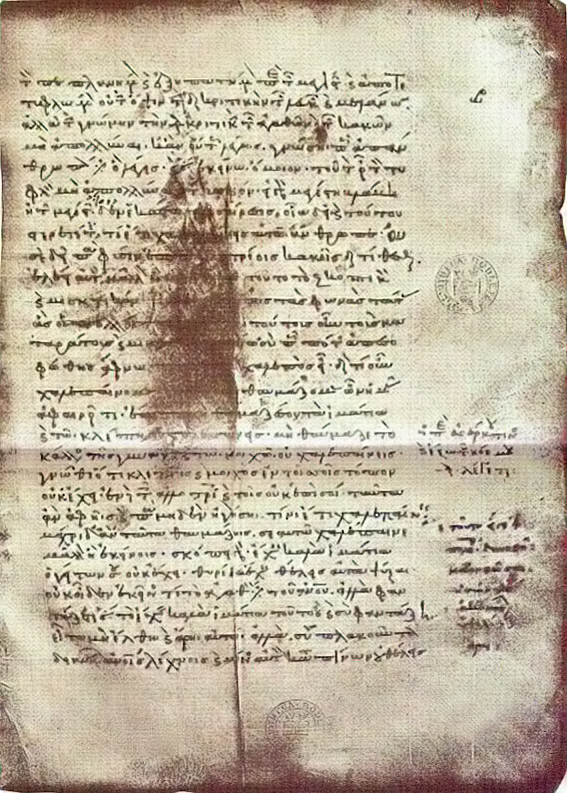
Discourses of Epictetus
Arrian · c. 108 AD
 Painting
Secondary source
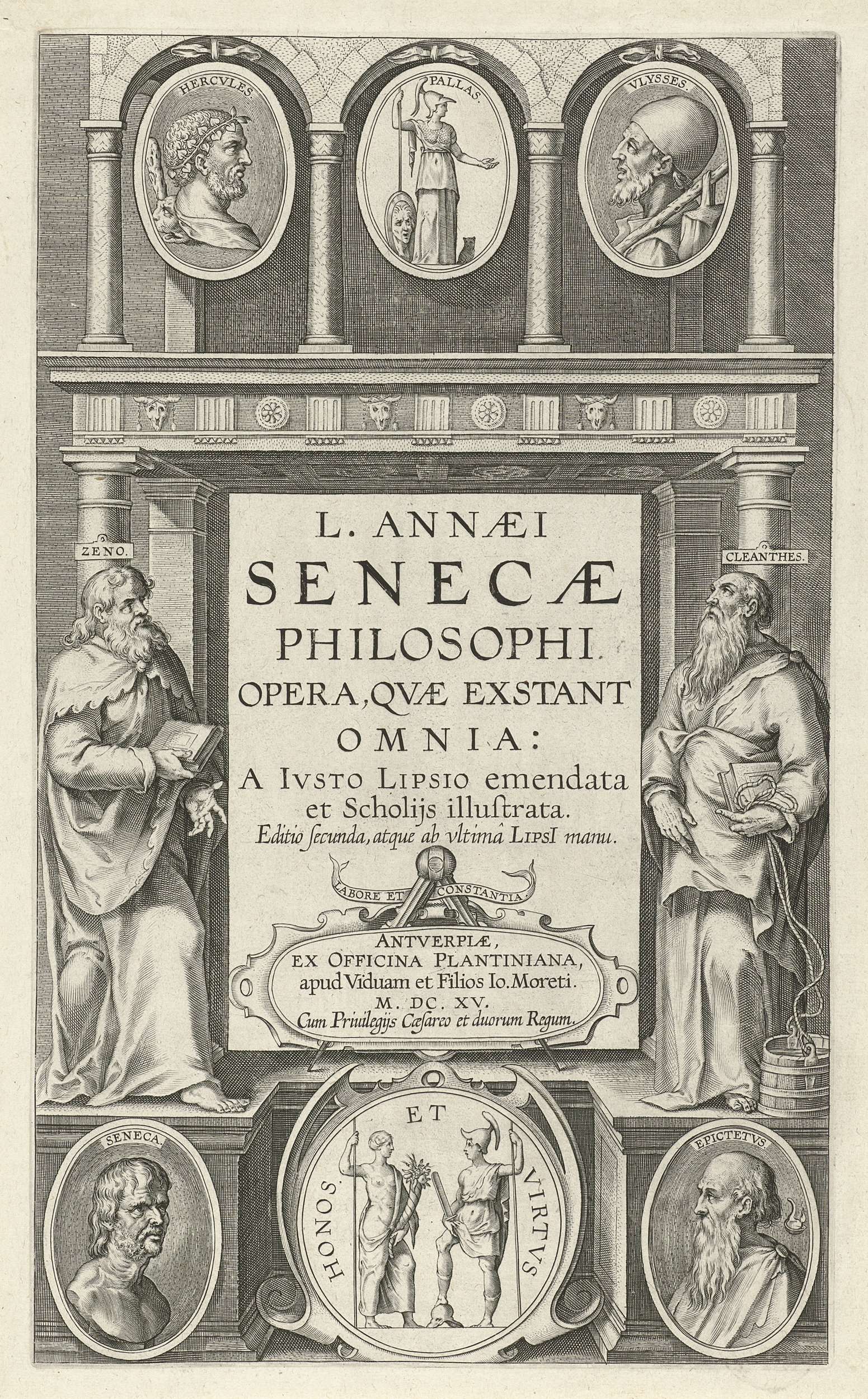
Title Page of L. Annaei Senecae Philosophi Opera
1615
DocumentSecondary source
Codex Bodleianus
c. 11th-12th century
Ready when you are
Start chatting with Epictetus now.
20 messages free · No credit card · Available in 50+ languages.