


Secondary sourcePainting1880
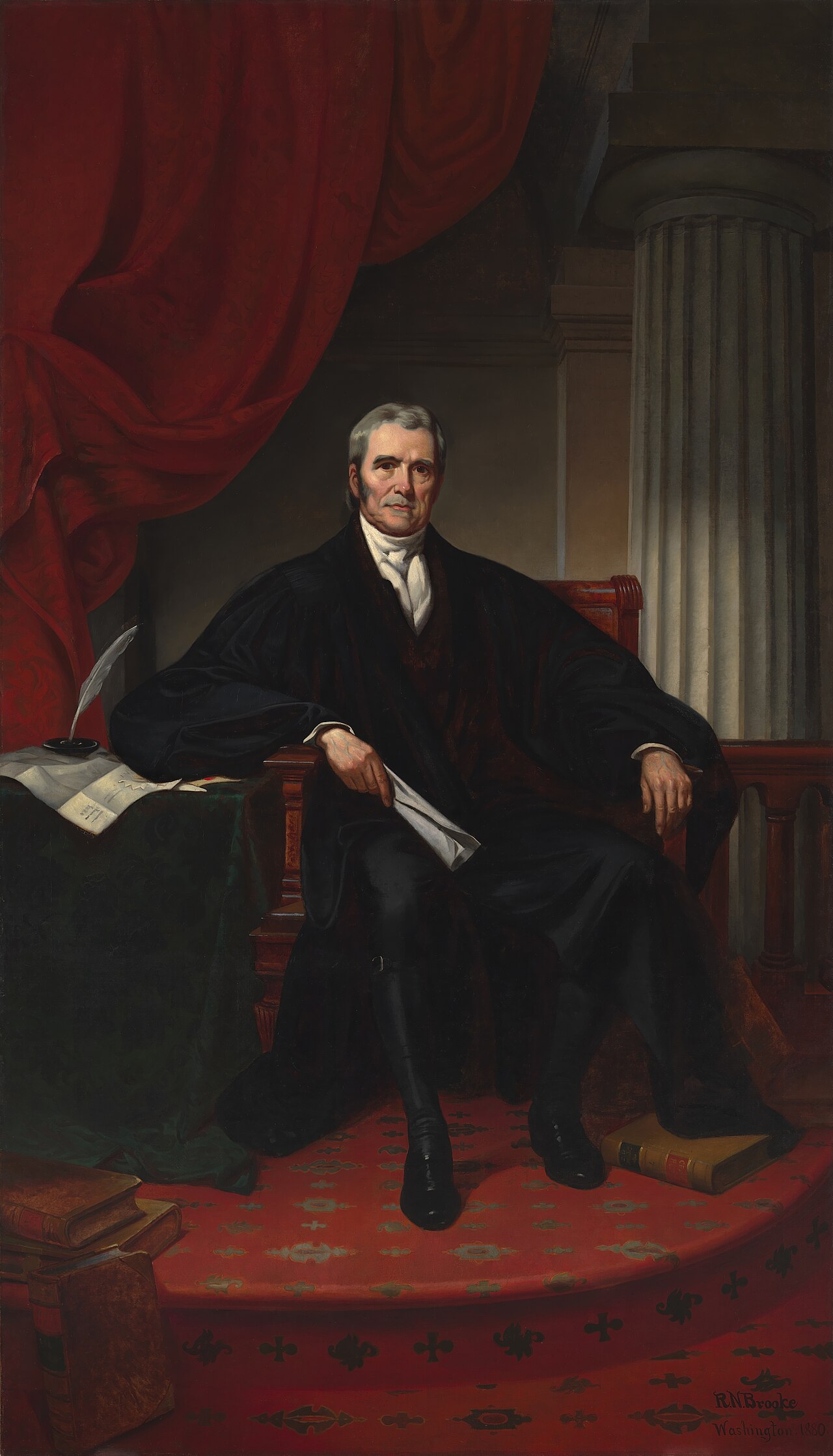
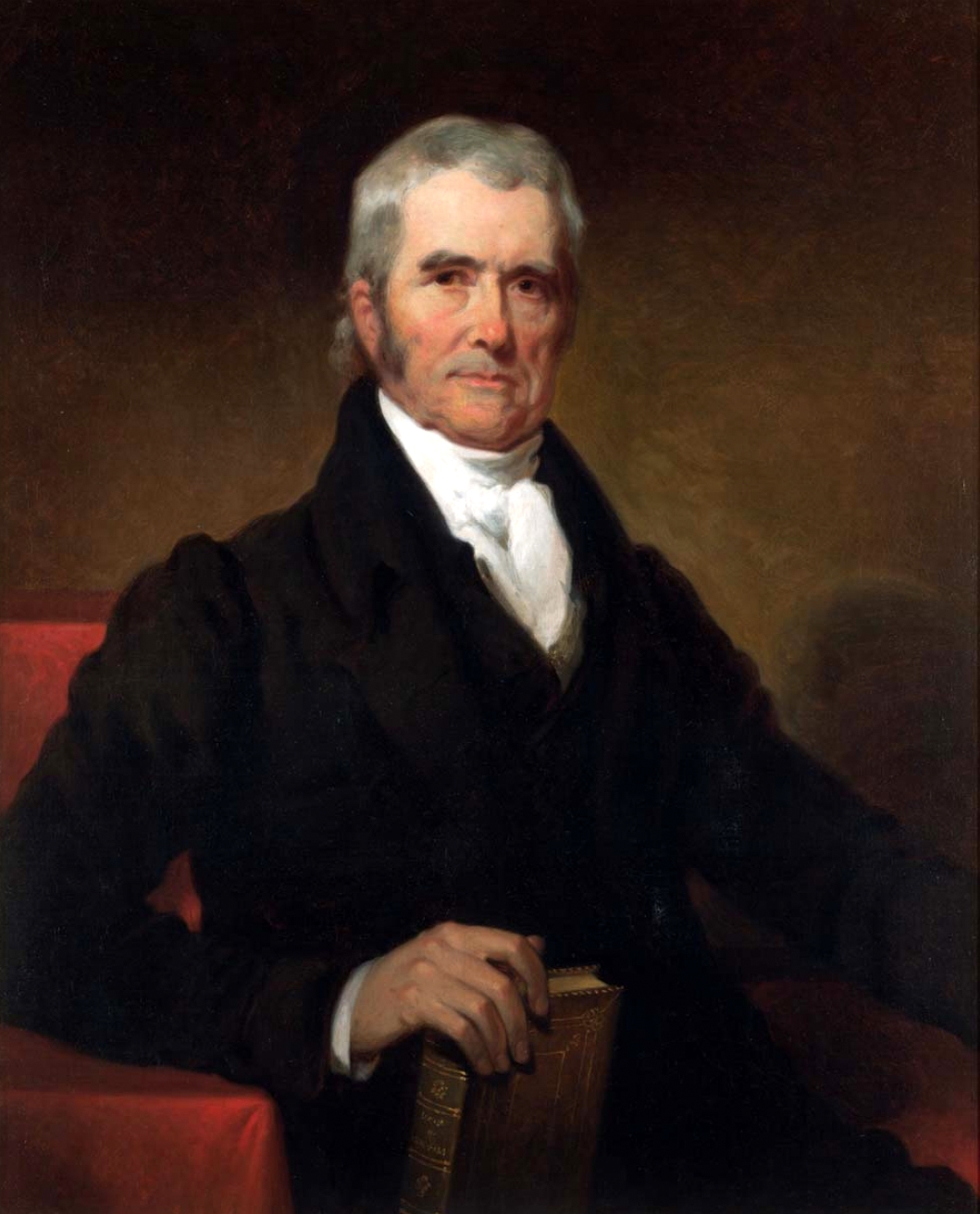
Portrait of John Marshall
Richard Norris Brooke · 1880
A full-length painted portrait of Chief Justice John Marshall, made decades after his death for the U.S. House of Representatives.
A posthumous portrait showing how Marshall was formally remembered as Chief Justice in the U.S. House collection.
About this source
What it is
This large painting shows John Marshall, the fourth Chief Justice of the United States, seated in his judicial robes. It was painted in 1880 by Richard Norris Brooke as a copy of an earlier portrait by William D. Washington, and it now belongs to the Collection of the U.S. House of Representatives.
Why it matters
Painted long after Marshall died, this portrait shows how later generations wanted to remember him: dignified, surrounded by legal books, papers and an inkwell, posed in a style borrowed from grand European court portraits. It reveals the importance placed on Marshall's role in shaping American law.
Look closer
- Why do you think the painter chose to show Marshall surrounded by books and papers?
- What does the formal pose suggest about how Marshall was viewed by the people who commissioned this portrait?
- Since this portrait was painted after Marshall's death, how might it differ from a portrait made while he was alive?
This painting is part of the curated material that grounds the AI version of John Marshall on Humy.ai — when students ask about related events, the AI can quote it and cite it.
More John Marshall sources
Browse all 96 →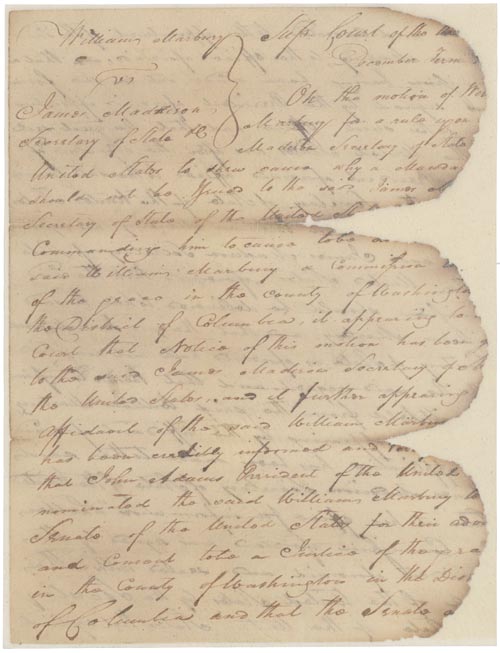 Document
Primary source
Marbury v. Madison
1803
 Document
Primary source
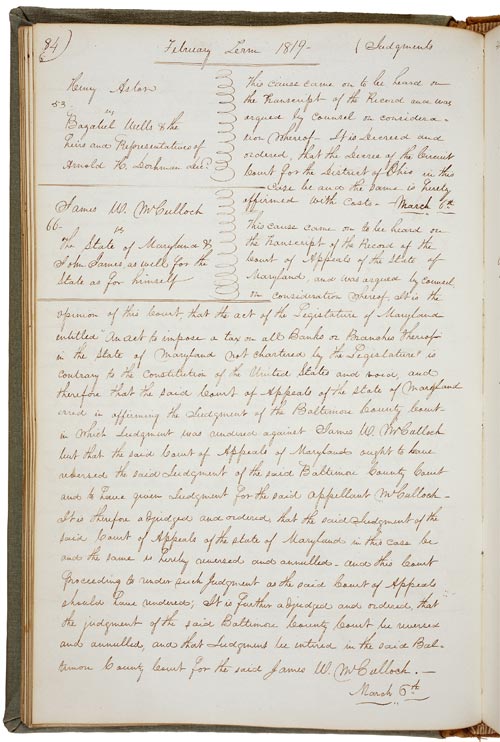
McCulloch v. Maryland
John Marshall · 6 March 1819
 Document
Primary source
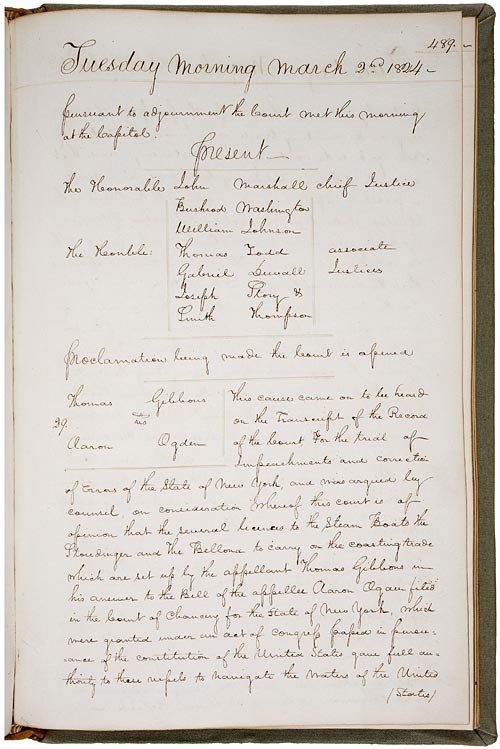
Gibbons v. Ogden
John Marshall · 1824
Primary source
Worcester v. Georgia
John Marshall · 1832
Free account
Read every John Marshall source
Sign up free →
Ready when you are
Start chatting with John Marshall now.
20 messages free · No credit card · Available in 50+ languages.