


Primary sourcePainting1812-1814
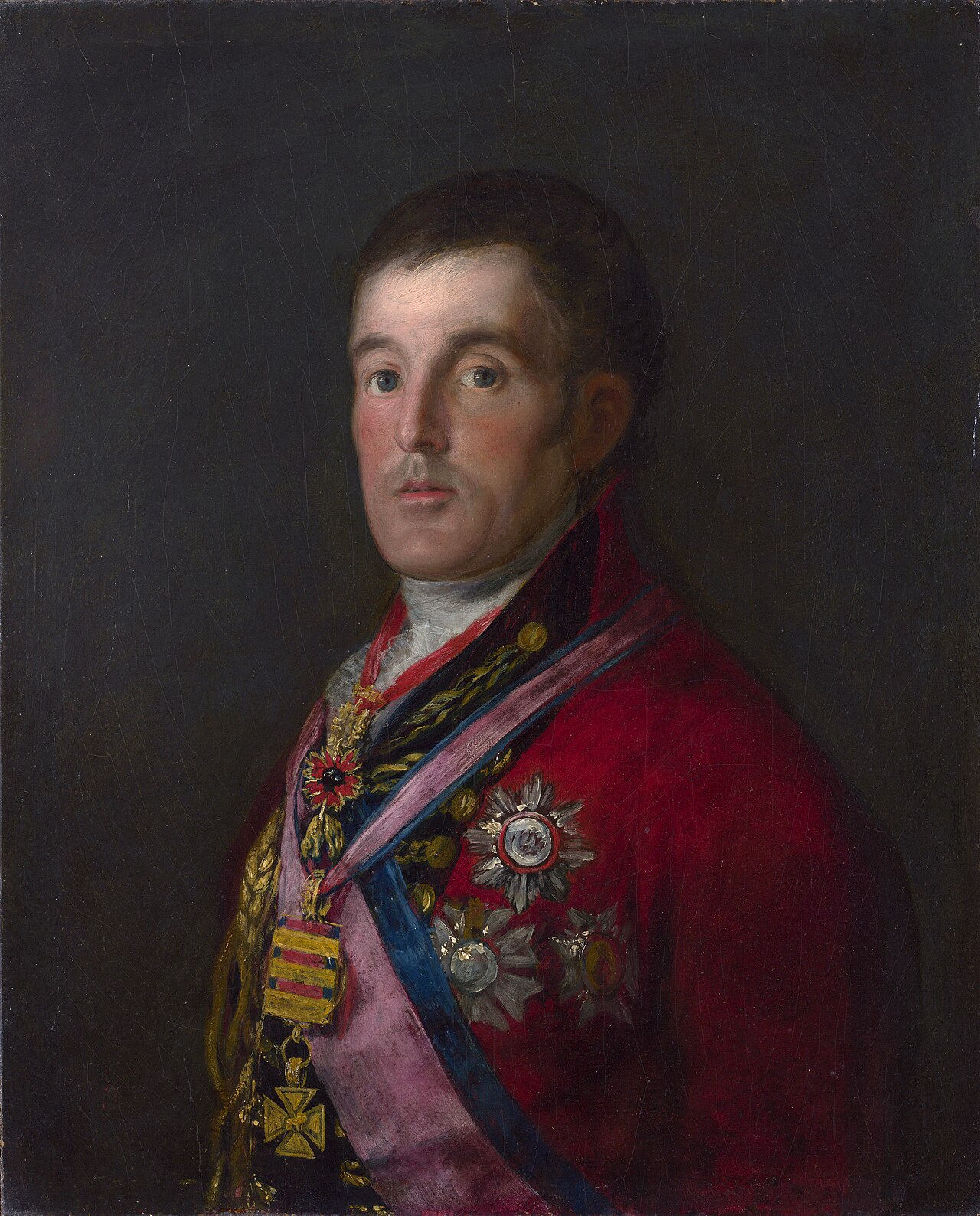
Portrait of the Duke of Wellington
Francisco Goya · 1812-1814
Goya's painting of the British general Arthur Wellesley, Duke of Wellington, made after he entered Madrid during the Peninsular War.
Goya painted this portrait of Wellington, showing how he served whatever power controlled Madrid during the war.
About this source
What it is
This oil-on-panel portrait was painted by Francisco Goya, likely from life, after the Duke of Wellington entered Madrid in 1812 during the Peninsular War. Goya later modified the painting in 1814 to add new medals Wellington had received. It is now held by the National Gallery in London.
Why it matters
Goya painted several portraits of Wellington, the British general who helped liberate Madrid from French occupation. The portrait shows Goya working for whichever power controlled the city at the time — first the French, then the British and Spanish allies. The painting later became famous again after it was stolen from the National Gallery in 1961 and recovered years later.
Look closer
- What does the uniform and the medals tell you about Wellington's military career?
- Why might Goya have needed to update the painting with new honours?
- What might this portrait tell you about how artists navigated shifting political loyalties?
This painting is part of the curated material that grounds the AI version of Francisco Goya on Humy.ai — when students ask about related events, the AI can quote it and cite it.
More Francisco Goya sources
Meet the AI Francisco Goya →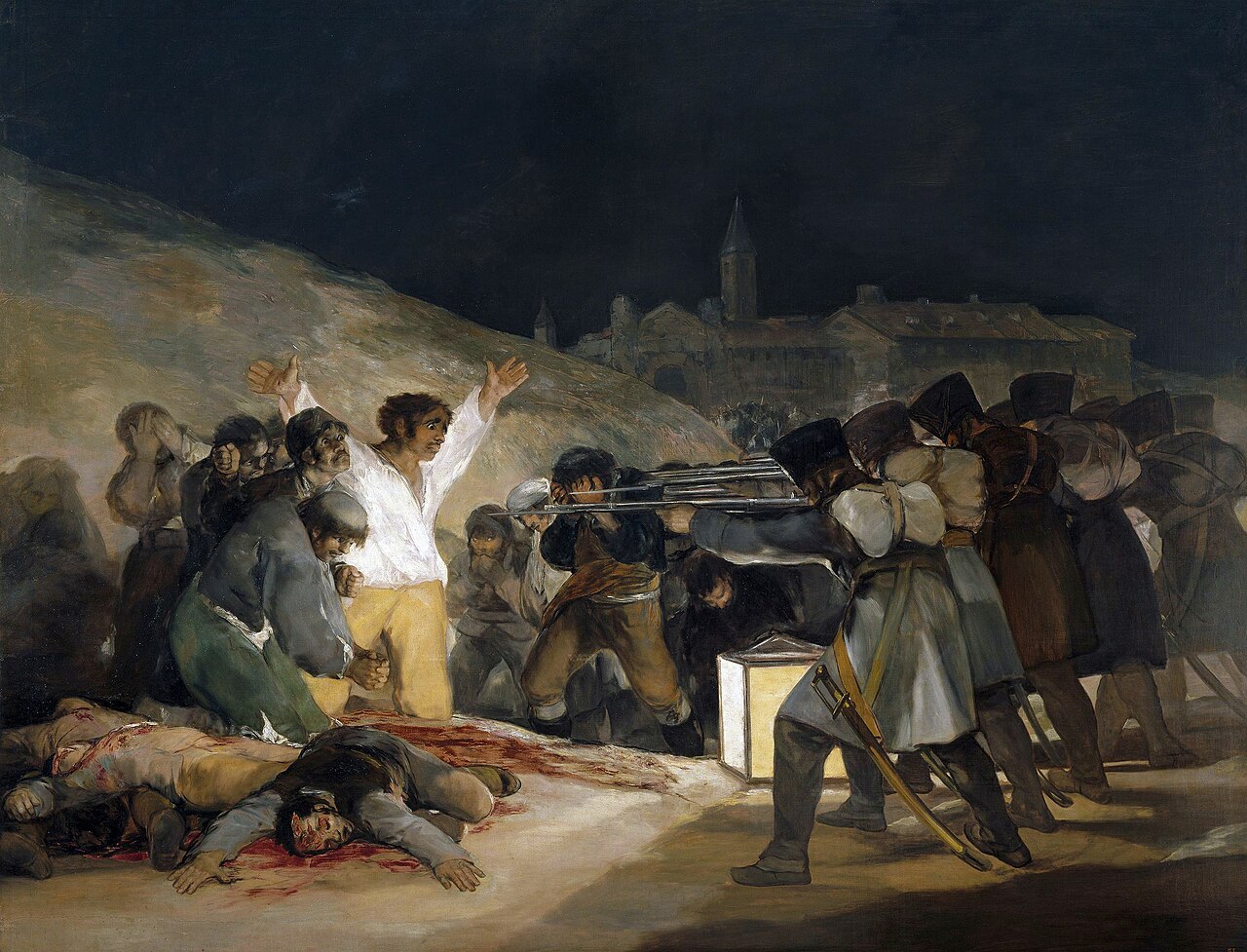 Painting
Secondary source
The Third of May 1808
Francisco Goya · 1814
 Painting
Primary source
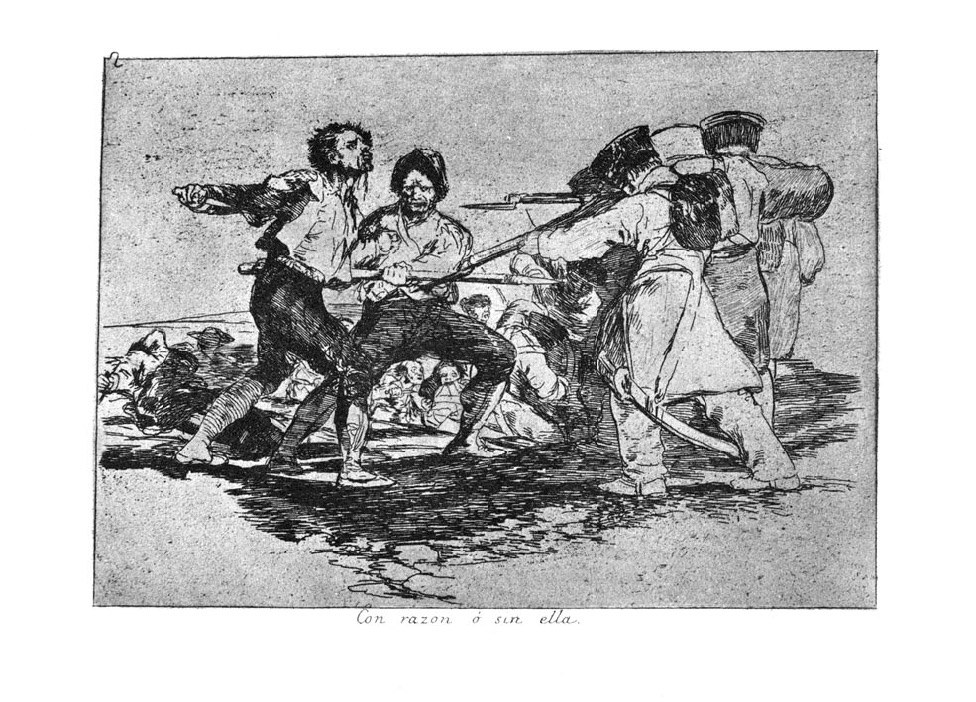
The Disasters of War
Francisco Goya · 1810-1820
 Painting
Primary source
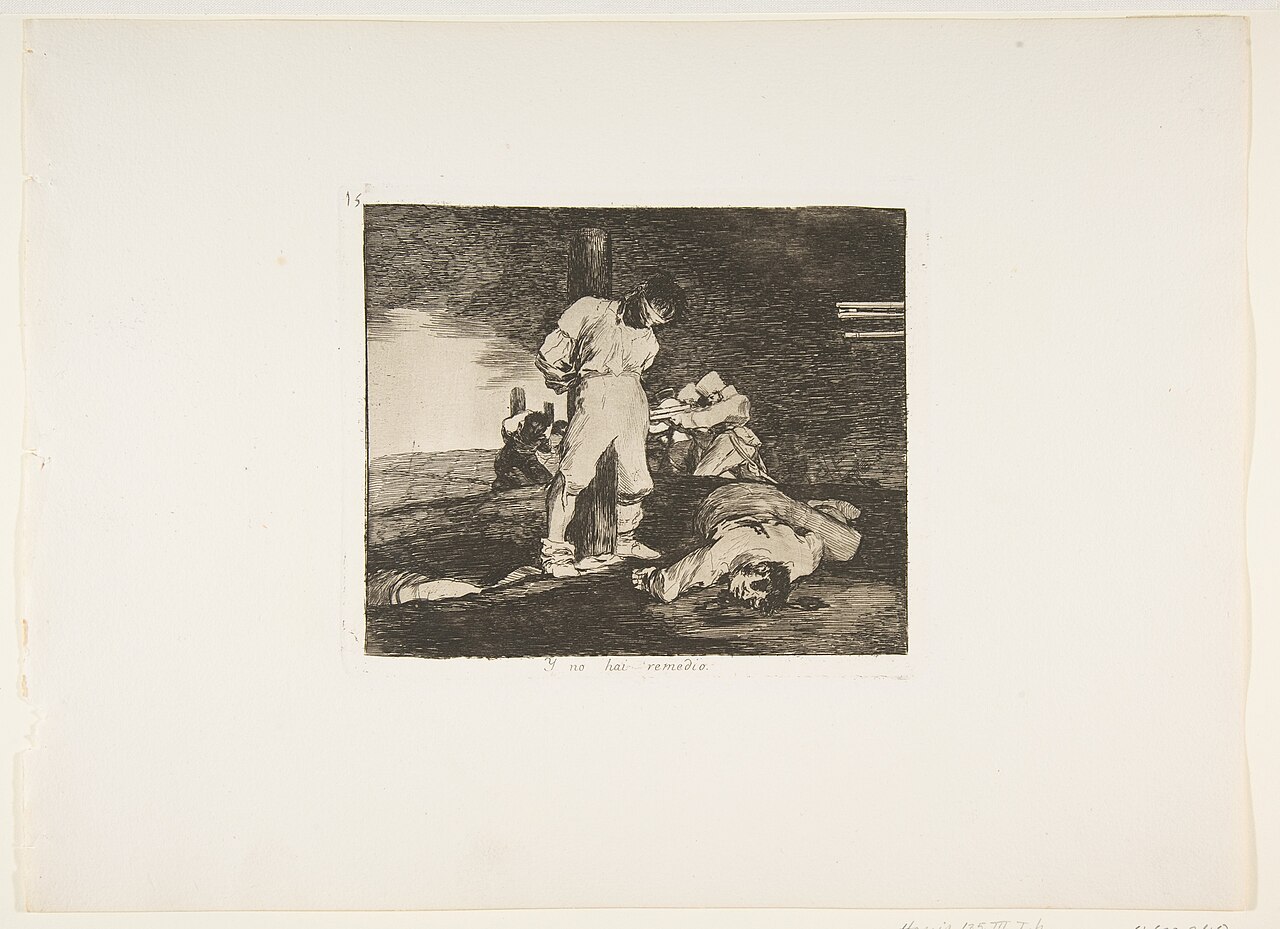
Y no hai remedio
Francisco de Goya · c. 1810-1814 (published 1863)
 Painting
Primary source
Caprichos
Francisco Goya · 1799 (created 1797-1798)
 Painting
Primary source
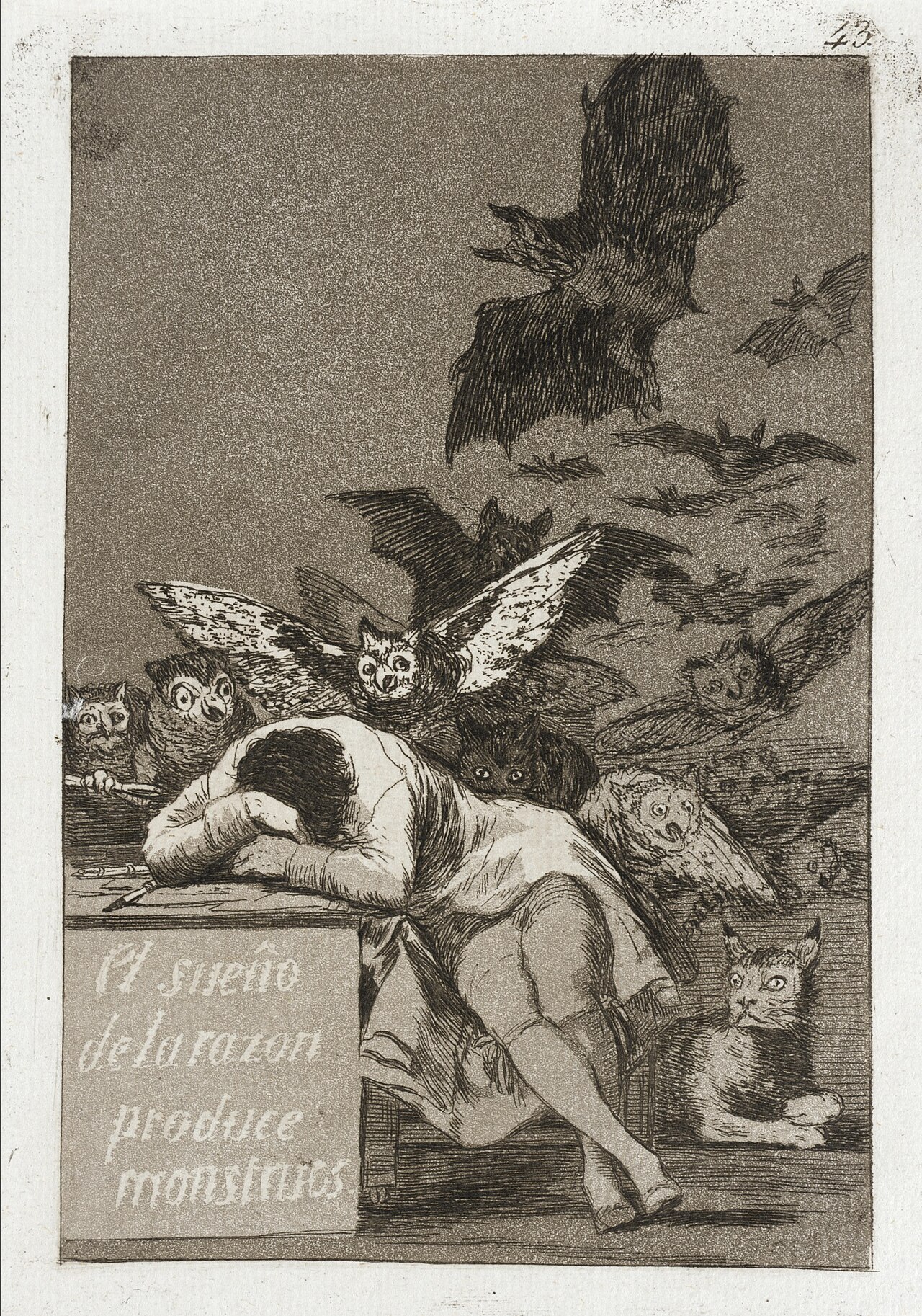
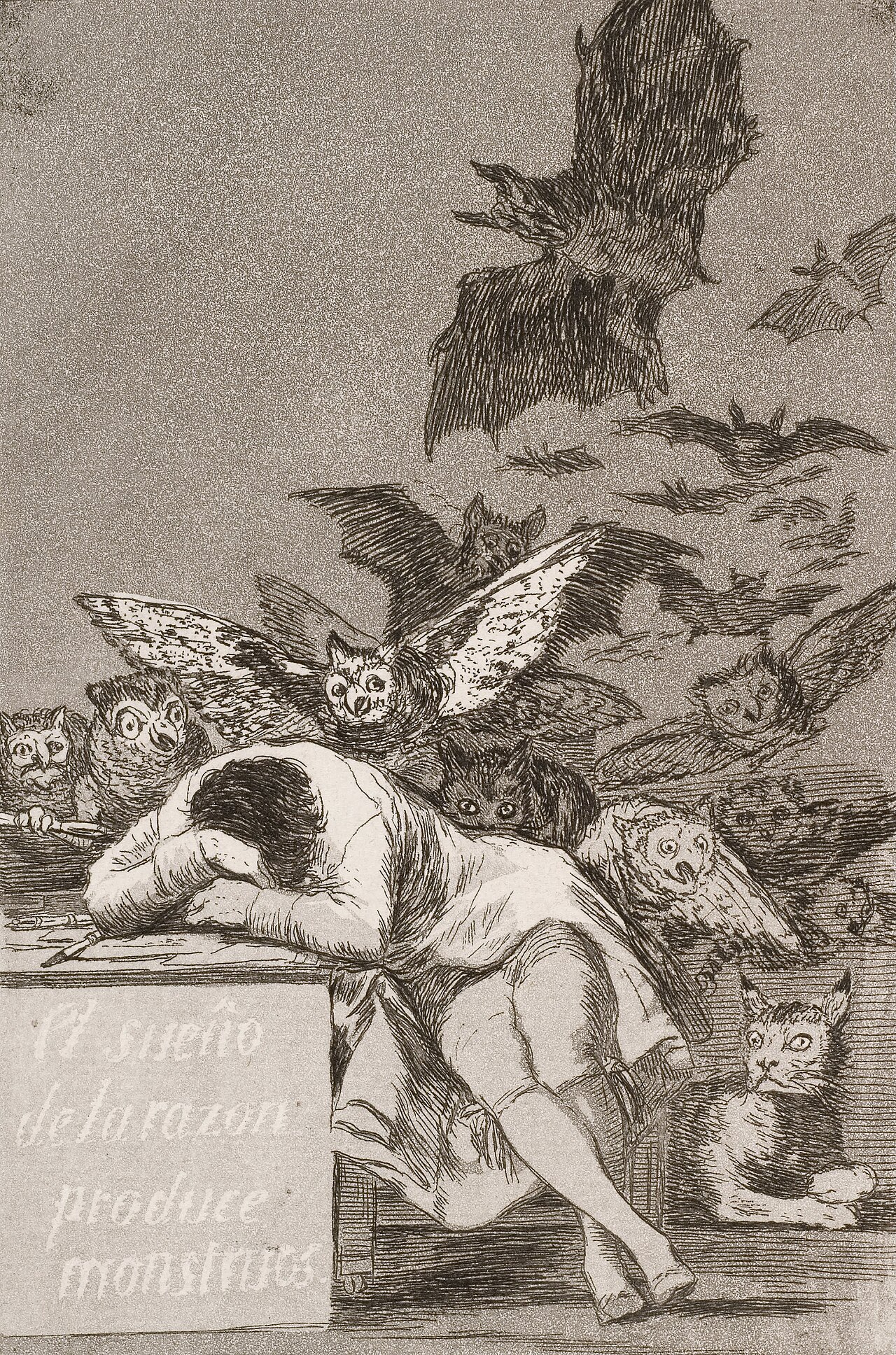
The Sleep of Reason Produces Monsters
Francisco Goya · 1797-1799
Ready when you are
Start chatting with Francisco Goya now.
20 messages free · No credit card · Available in 50+ languages.