


Primary sourcePainting1839
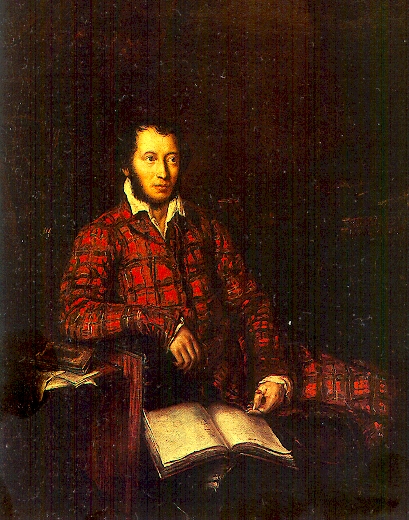
Posthumous Portrait of Pushkin by Karl Mazer
Karl Mazer · 1839
An 1839 oil portrait of Pushkin painted from his appearance after death, by an artist who saw him following his fatal duel.
A portrait of Pushkin made shortly after his death by an artist who had seen him following his fatal duel.
About this source
What it is
This oil painting was made in 1839 by the artist Karl Mazer. It shows a dark-haired man with sideburns seated at a table with books, based on Pushkin's appearance shortly after his death.
Why it matters
Because Mazer painted this portrait from Pushkin's deathbed appearance, it stands as one of the final visual records connected to the poet, created by someone who actually saw him after his fatal duel. Posthumous portraits like this one shaped how later generations remembered and imagined the writer.
Look closer
- What mood does the painting create, and how does the setting with books support it?
- Why might an artist choose to paint someone after death rather than from life?
- What can and can't a posthumous portrait tell us about a real person?
This painting is part of the curated material that grounds the AI version of Alexander Pushkin on Humy.ai — when students ask about related events, the AI can quote it and cite it.
More Alexander Pushkin sources
Meet the AI Alexander Pushkin →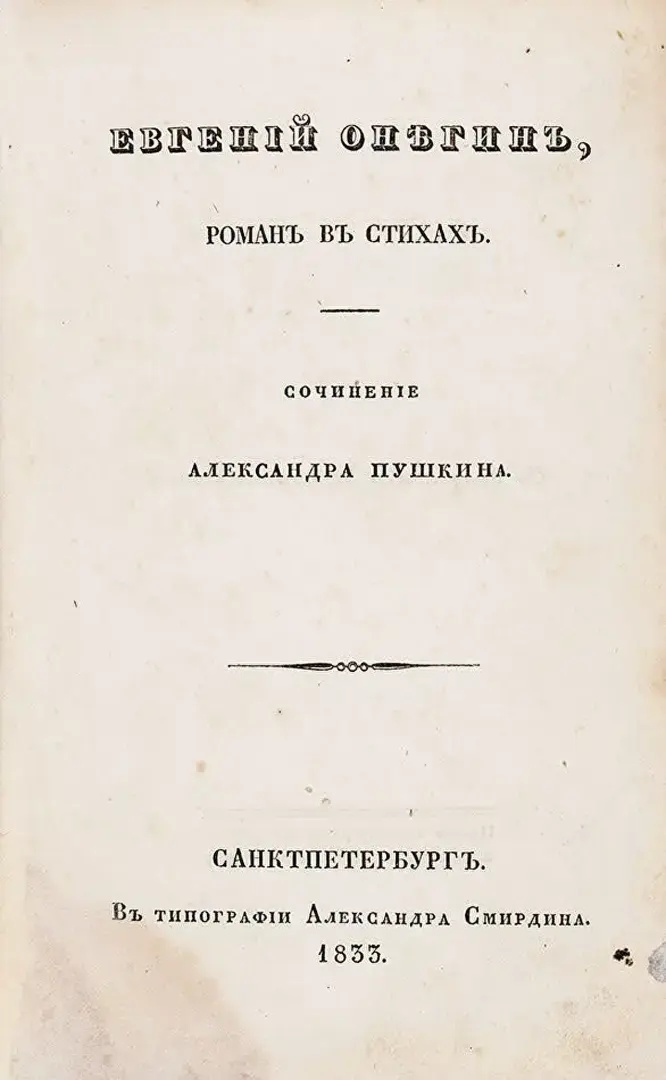 Book
Primary source
Eugene Onegin
Alexander Pushkin · 1823-1831
Primary source
Boris Godunov
Alexander Pushkin · 1825
 Book
Primary source
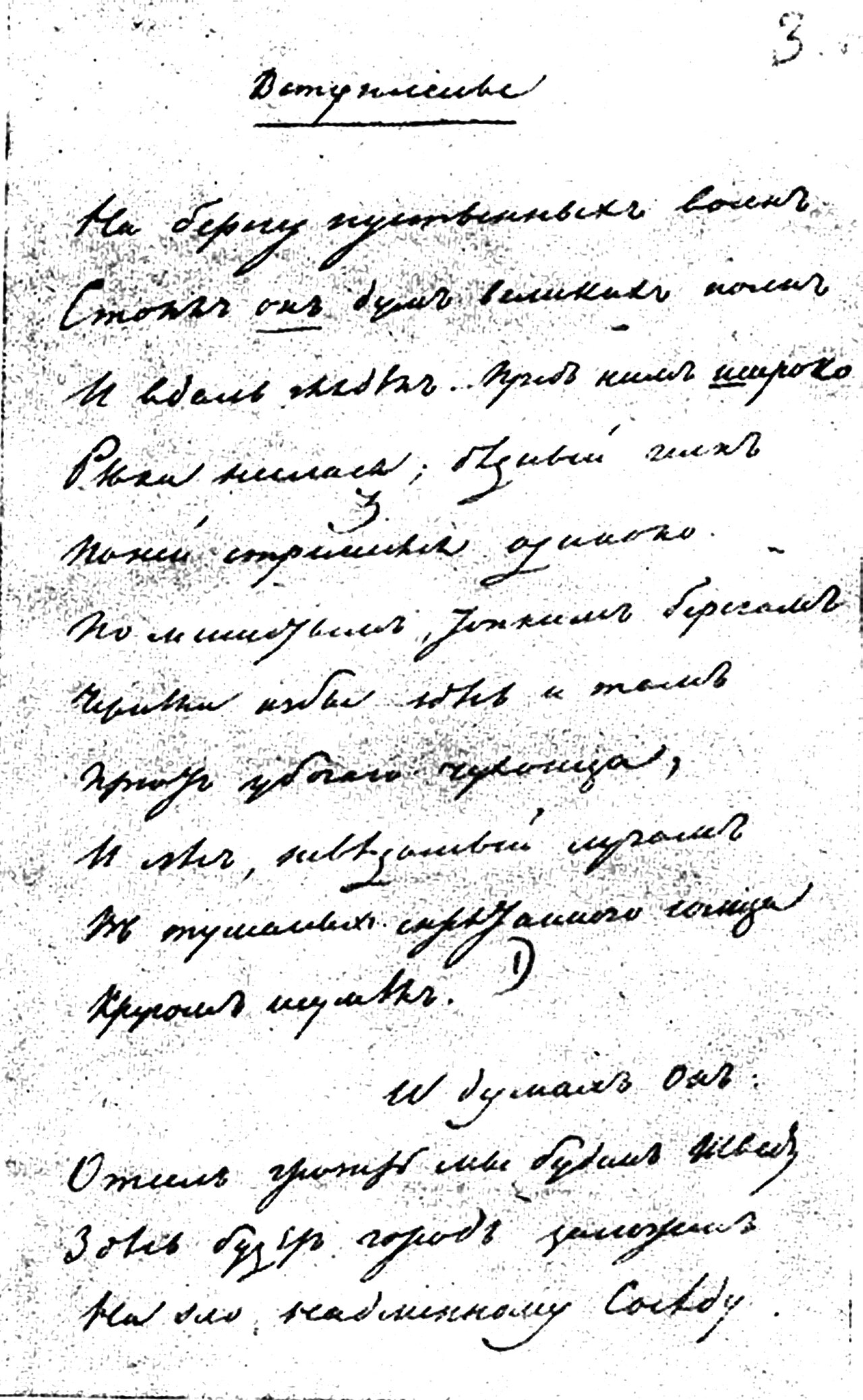
The Bronze Horseman
Alexander Pushkin · 1833
 Book
Primary source
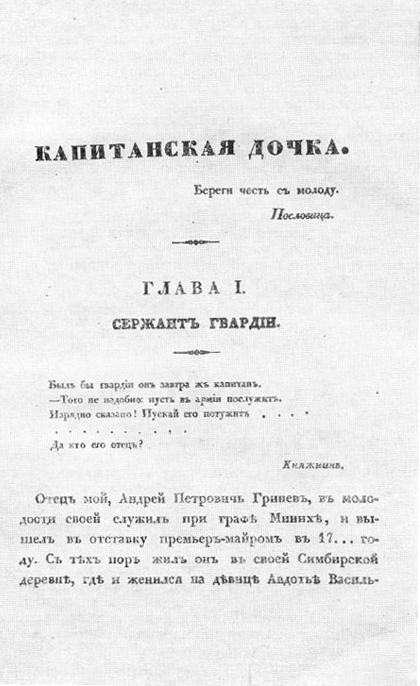
The Captain's Daughter
Alexander Pushkin · 1836
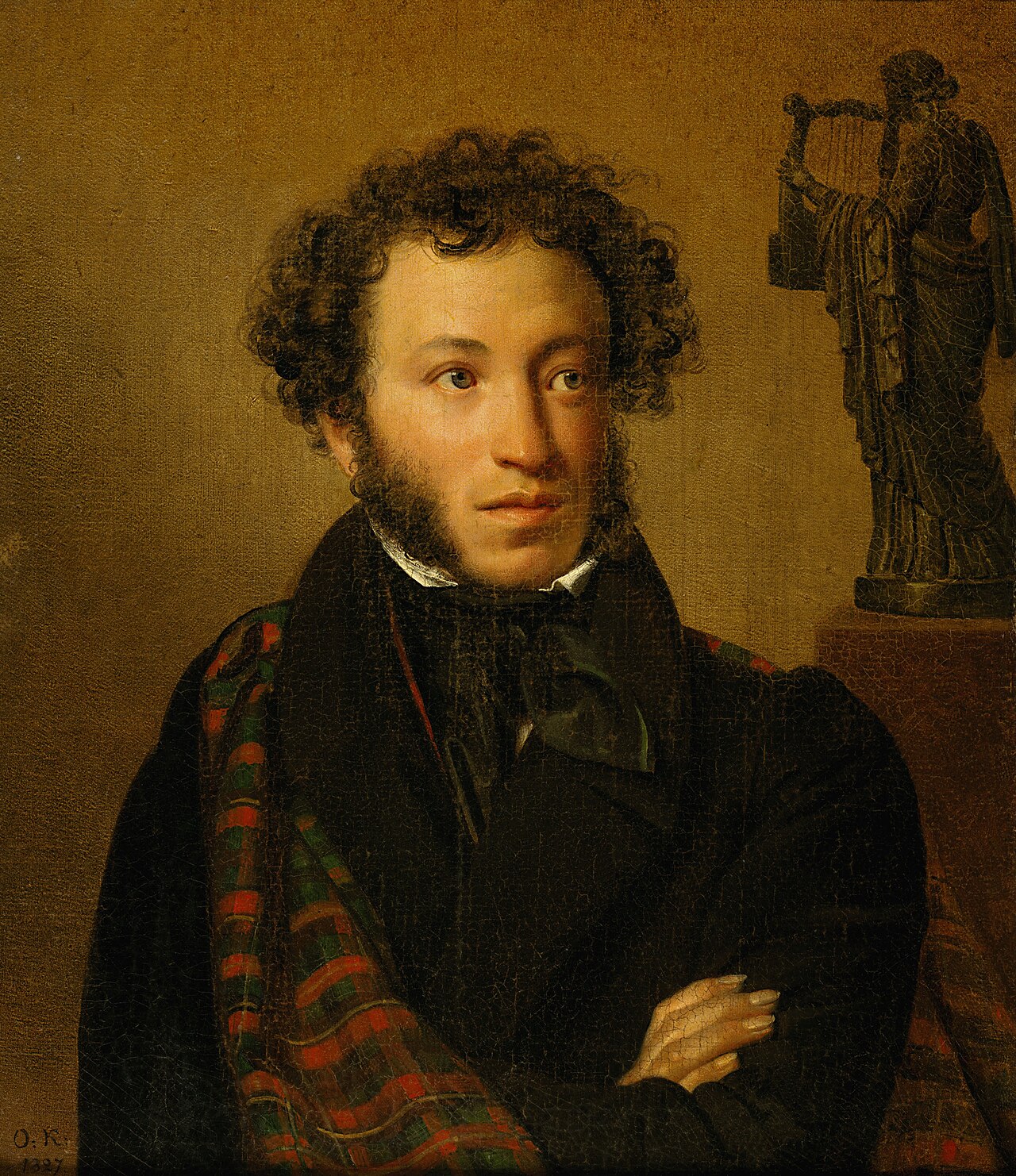 Painting
Primary source
Alexander Pushkin
Orest Kiprensky · 1827
Ready when you are
Start chatting with Alexander Pushkin now.
20 messages free · No credit card · Available in 50+ languages.