


Secondary sourceBook4th century BC
Protagoras
Plato · 4th century BC
Plato's dialogue depicting a young Socrates challenging the famous sophist Protagoras, distinguishing his own methods from the paid teachers he was often confused with.
Shows Socrates distinguishing himself from the paid sophists, relevant to the accusations later made against him.
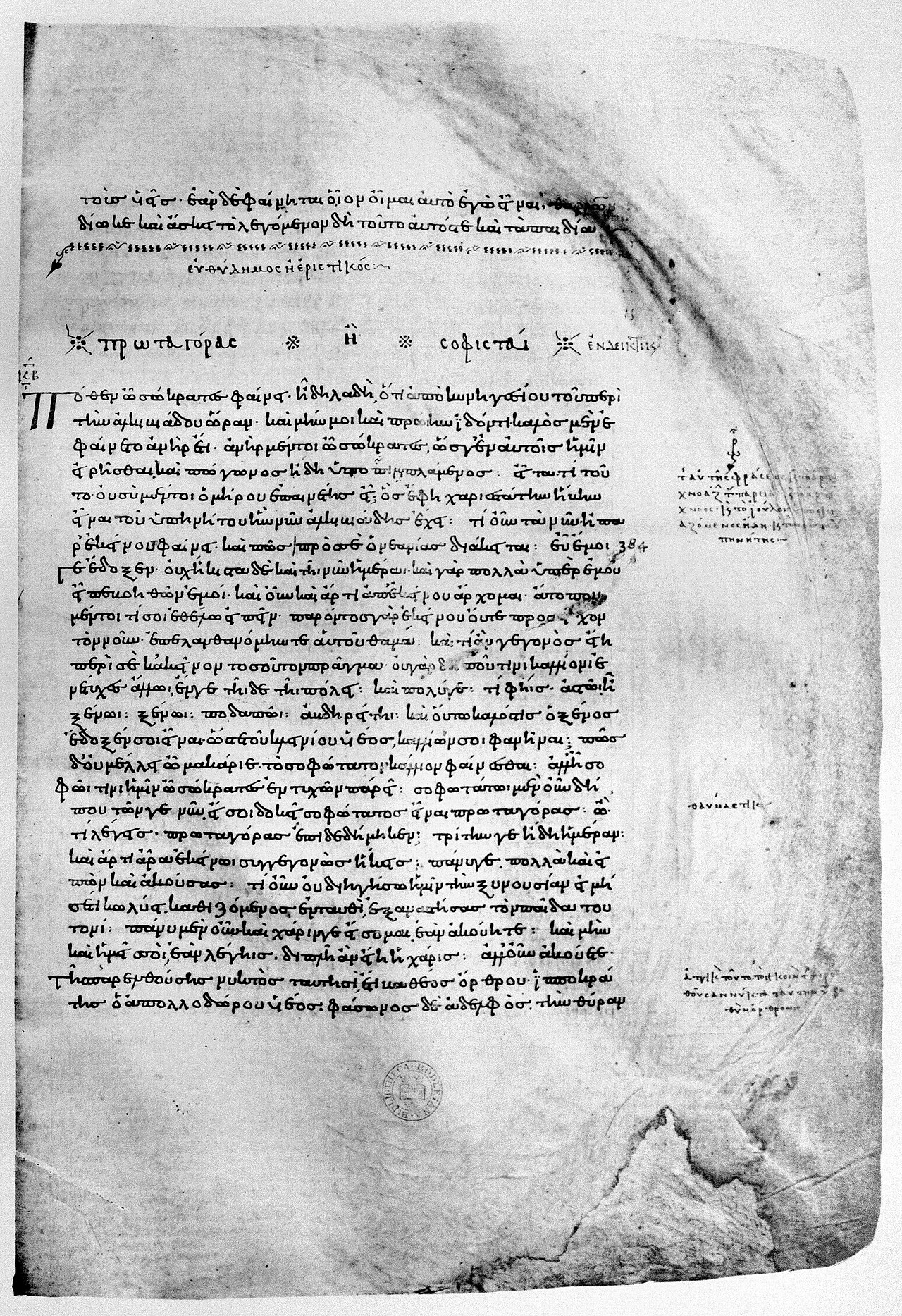
About this source
What it is
Protagoras is a dialogue written by Plato, set at the home of Callias in Athens, where Socrates debates the celebrated sophist Protagoras along with other sophists and prominent Athenians, including sons of Pericles and Alcibiades.
Why it matters
The dialogue examines whether virtue can be taught and the nature of goodness and pleasure. It shows a younger Socrates in direct contrast with Protagoras, a paid professional teacher, highlighting how Socrates saw himself as different from the sophists he was often grouped with by his contemporaries and accusers.
Look closer
- Why does Socrates warn his young friend Hippocrates about the dangers of learning from a sophist?
- What differences does the dialogue draw between Socrates and sophists like Protagoras?
- How might this distinction have mattered to the people who later accused Socrates of corrupting youth?
This book is part of the curated material that grounds the AI version of Socrates and Pericles on Humy.ai — when students ask about related events, the AI can quote it and cite it.
More Socrates sources
Meet the AI Socrates →Secondary source
Apology
Plato · c. 395 BC
 Painting
Secondary source
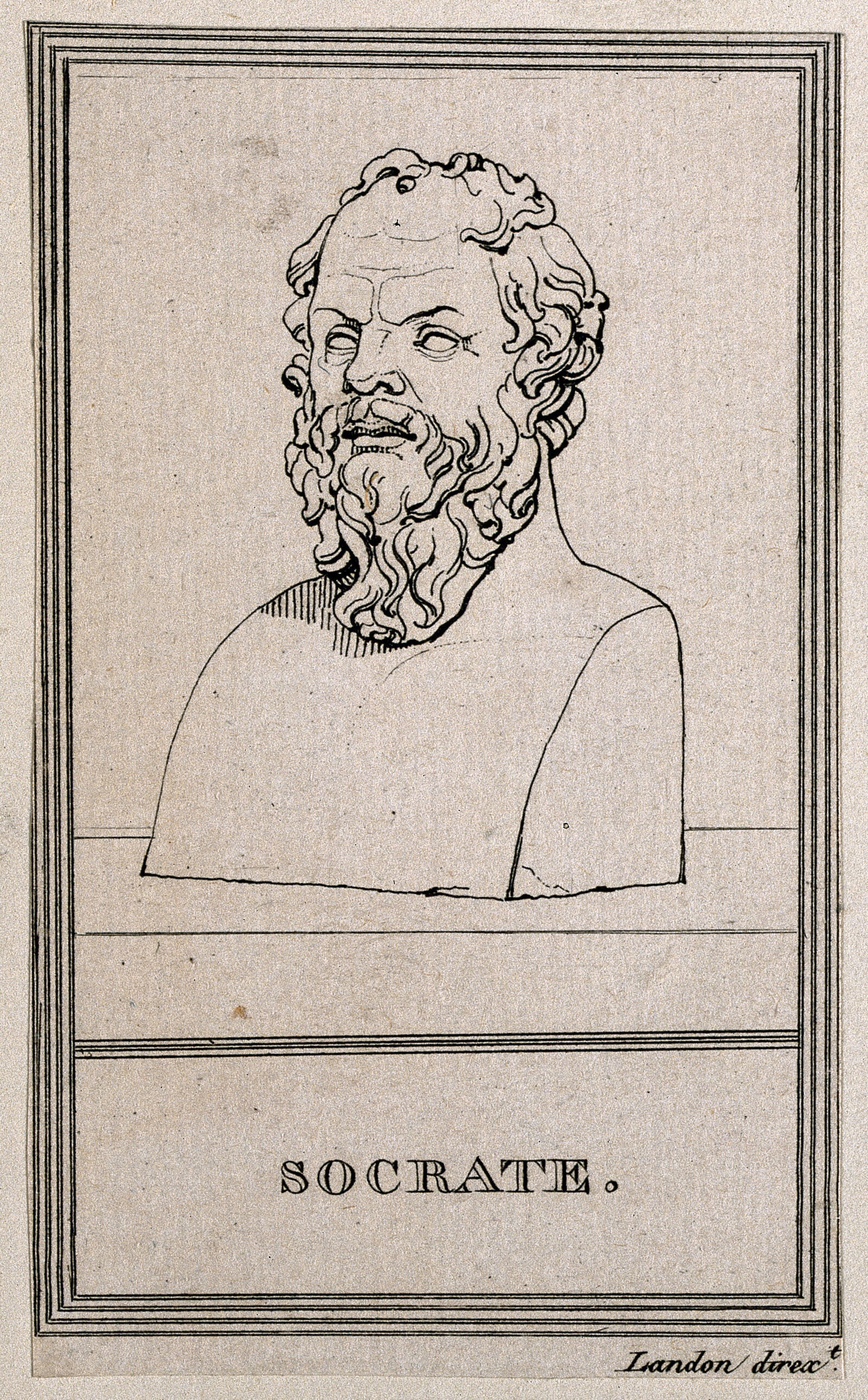
Line Engraving of Socrates by Landon
Charles Paul Landon
 Book
Secondary source
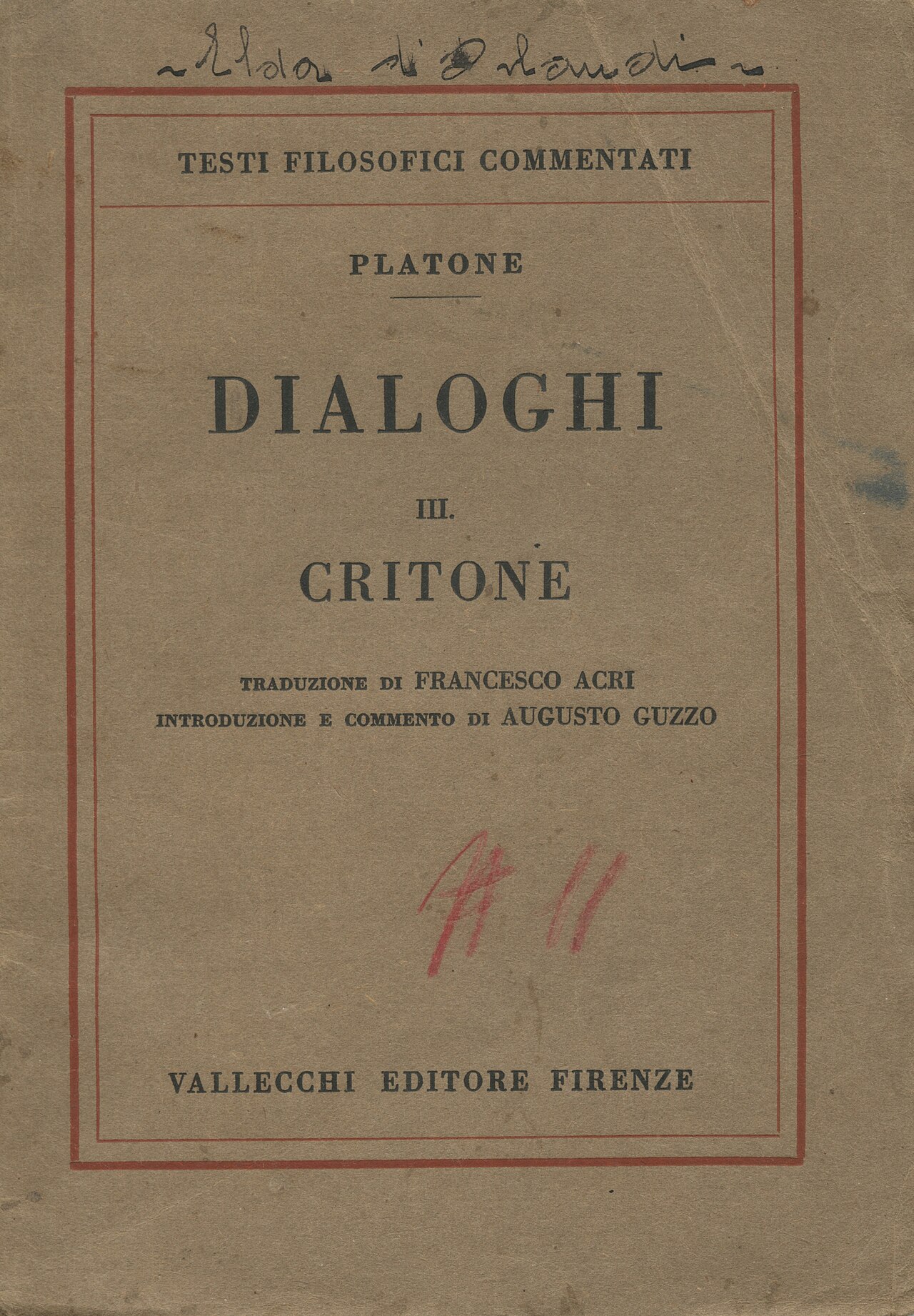
Crito
Plato · c. 400 BC
 Painting
Secondary source
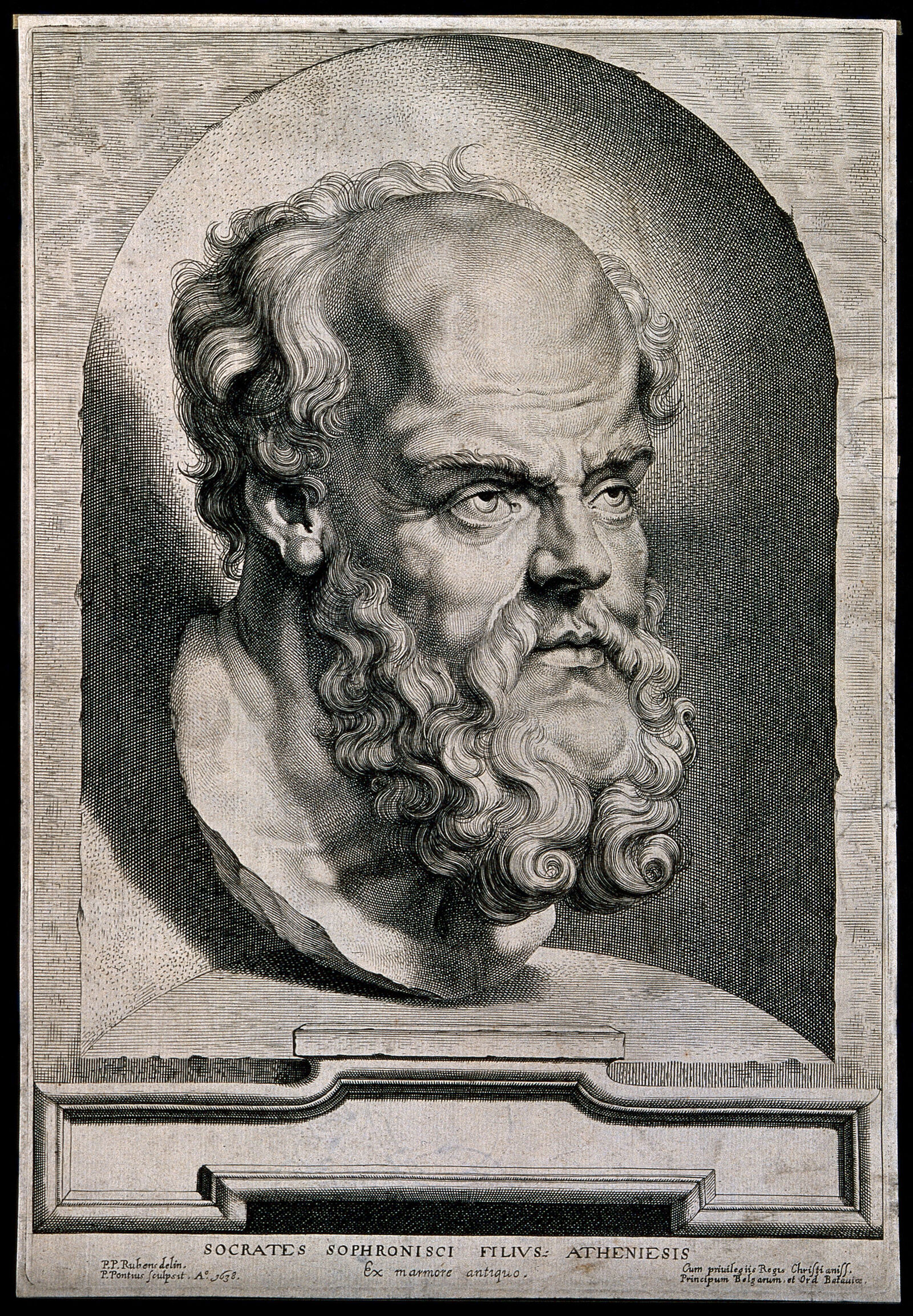
Socrates Engraving after Rubens by Pontius
Peter Paul Rubens · 1638
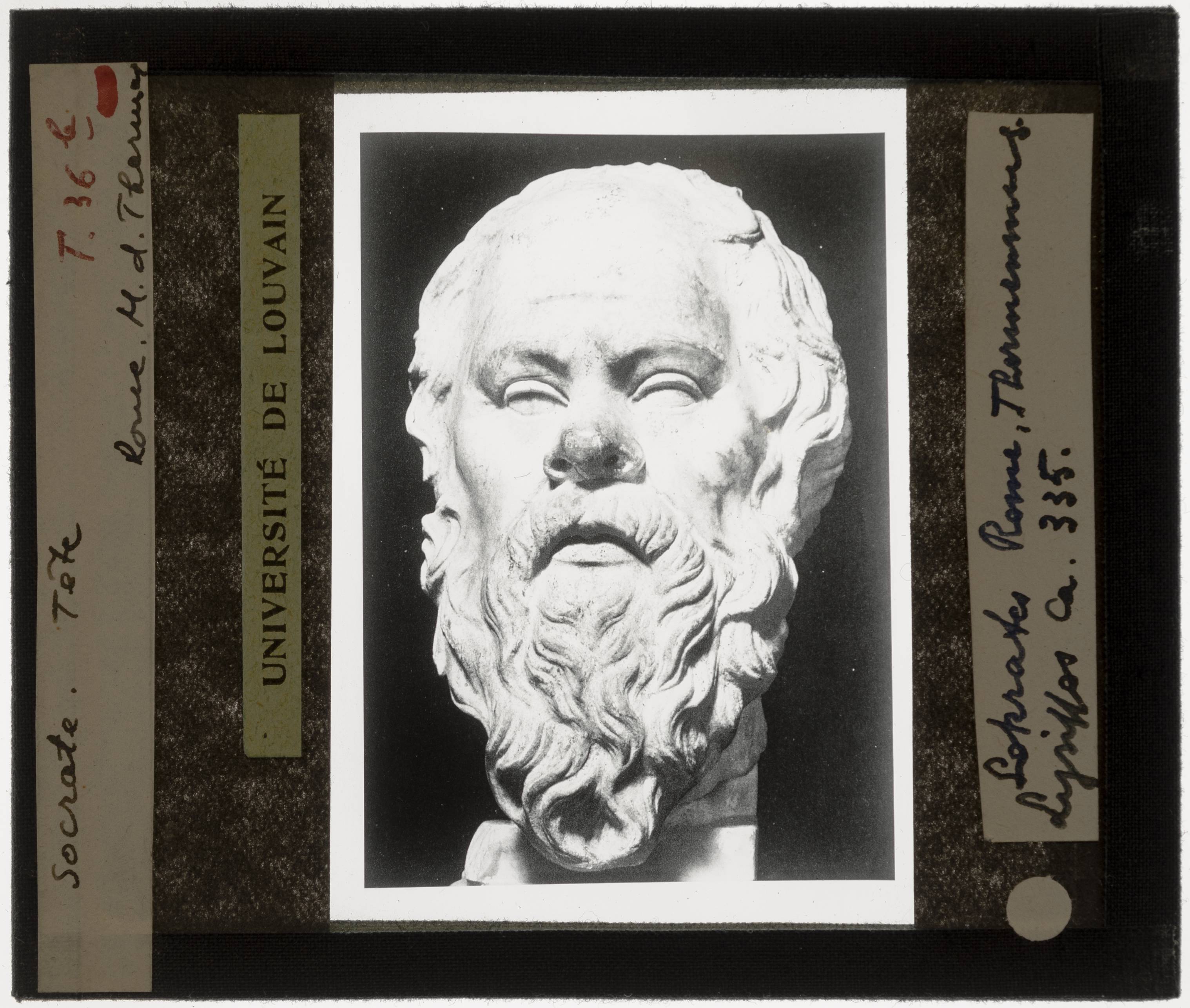 Photograph
Secondary source
Roman Marble Bust of Socrates
between 1839 and 1939
Ready when you are
Start chatting with Socrates now.
20 messages free · No credit card · Available in 50+ languages.