


Secondary sourcePhotograph1907
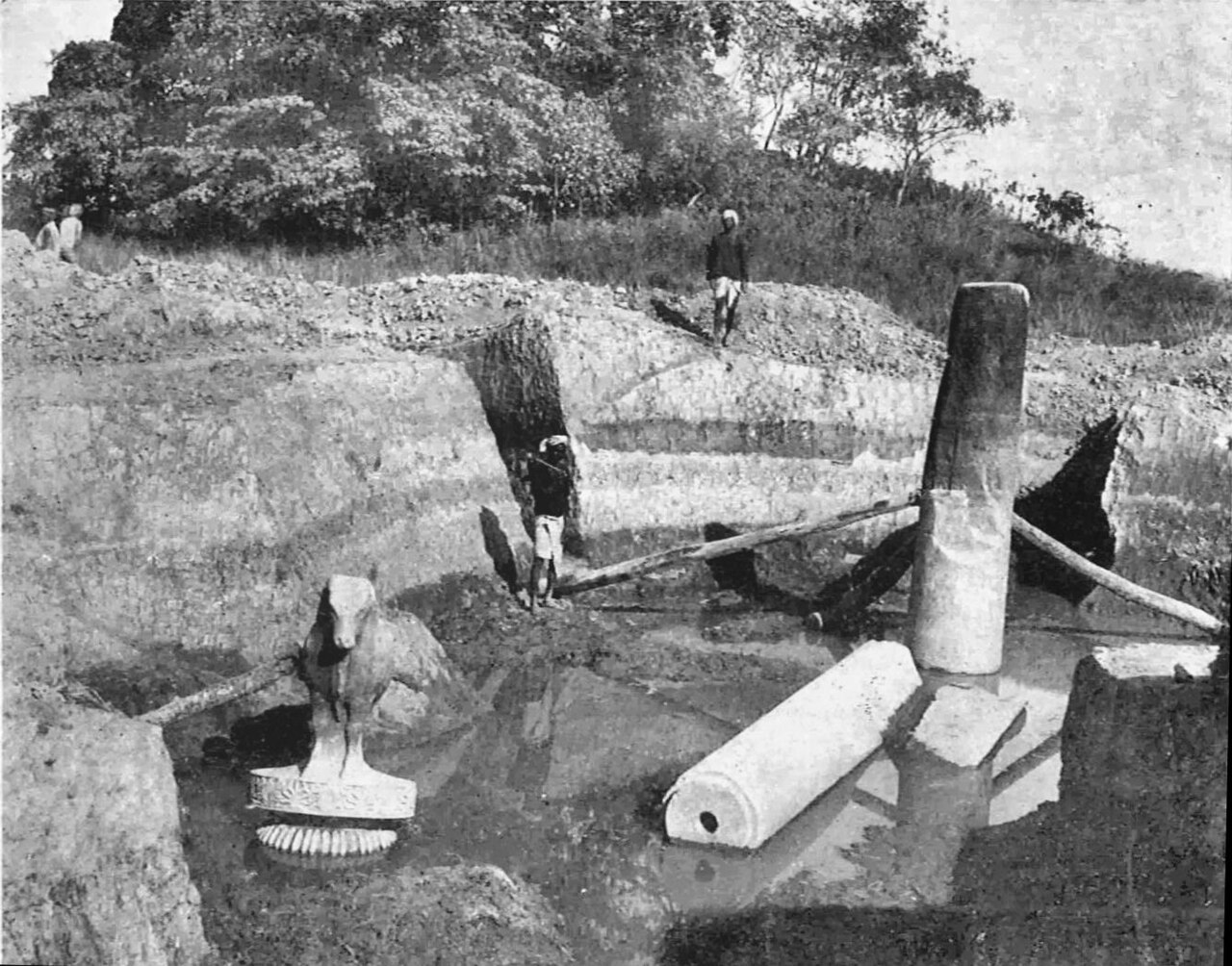
Rampurva bull excavation, 1907
1907
A 1907 photograph of excavations at Rampurva, where an Ashokan bull capital was found, showing a carved stone bull on a base beside a fallen column.
Documents the 1907 excavation at Rampurva, where an Ashokan bull capital was found, linking the find to Ashoka's reign.
About this source
What it is
This is a black-and-white photograph taken in 1907 during excavations at Rampurva. The media description shows an excavation pit with muddy water, a carved stone bull capital on a round base in the foreground, a large cylindrical stone column lying on its side, and a tall standing pillar at right. Workers stand in the trench and on the embankment. The photographer is unknown.
The curator's note says the site is where an Ashokan bull capital was found. The photograph is a later record of the find, not an object from Ashoka's time.
Why it matters
Photographs of excavations record how ancient objects were uncovered and handled. The bull capital is linked to Ashoka, who ruled from 268 to 232 BCE.
Look closer
- What do the workers and the surrounding ground suggest about how the find was handled?
- Why might the bull and the column be shown together in one picture?
- What does this photograph leave out about the excavation that happened before or after it was taken?
This photograph is part of the curated material that grounds the AI version of Ashoka the Great on Humy.ai — when students ask about related events, the AI can quote it and cite it.
More Ashoka the Great sources
Browse all 98 →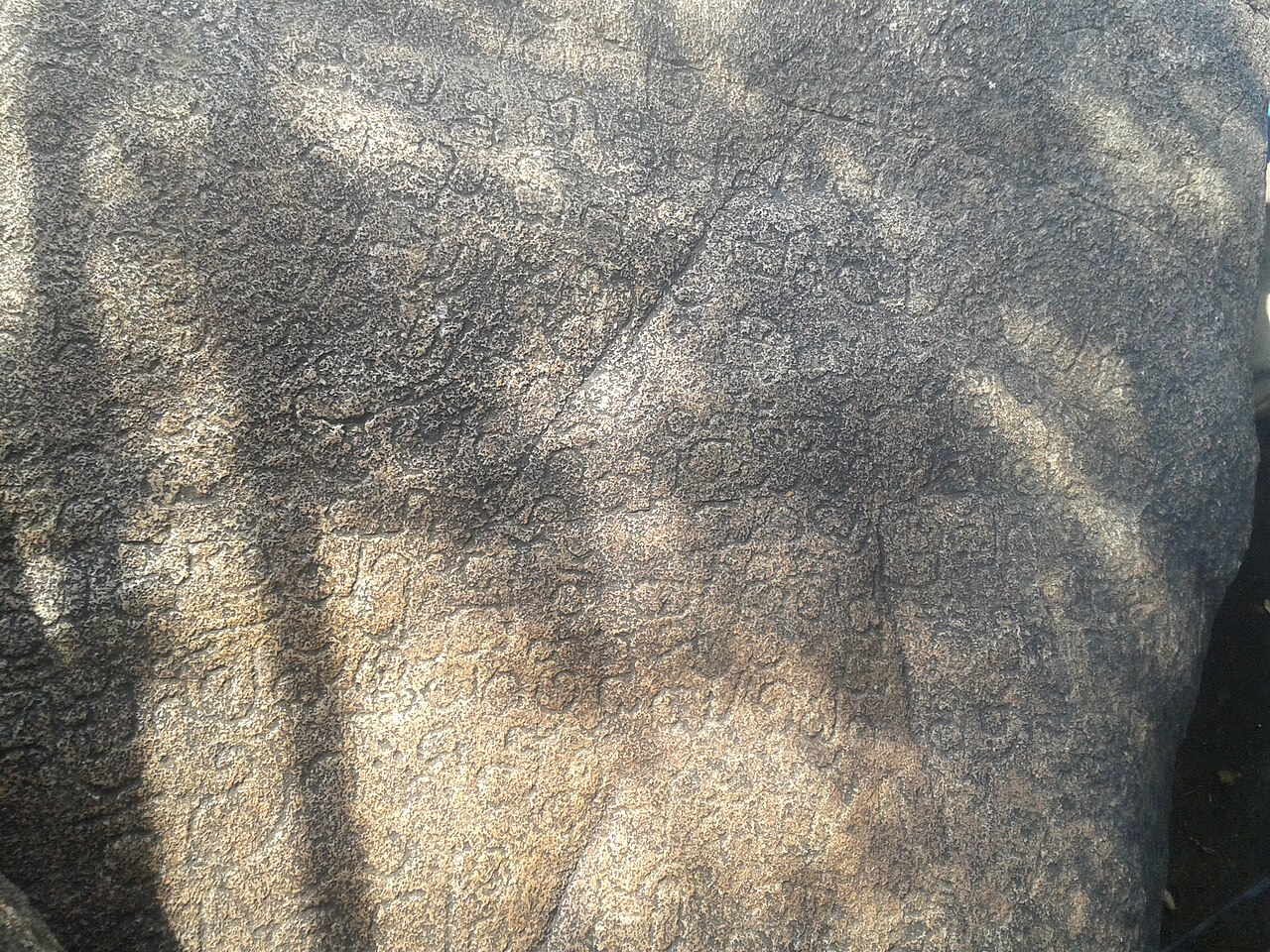 Document
Primary source
Major Rock Edicts
Ashoka · c. 257 BCE
 Sculpture
Secondary source
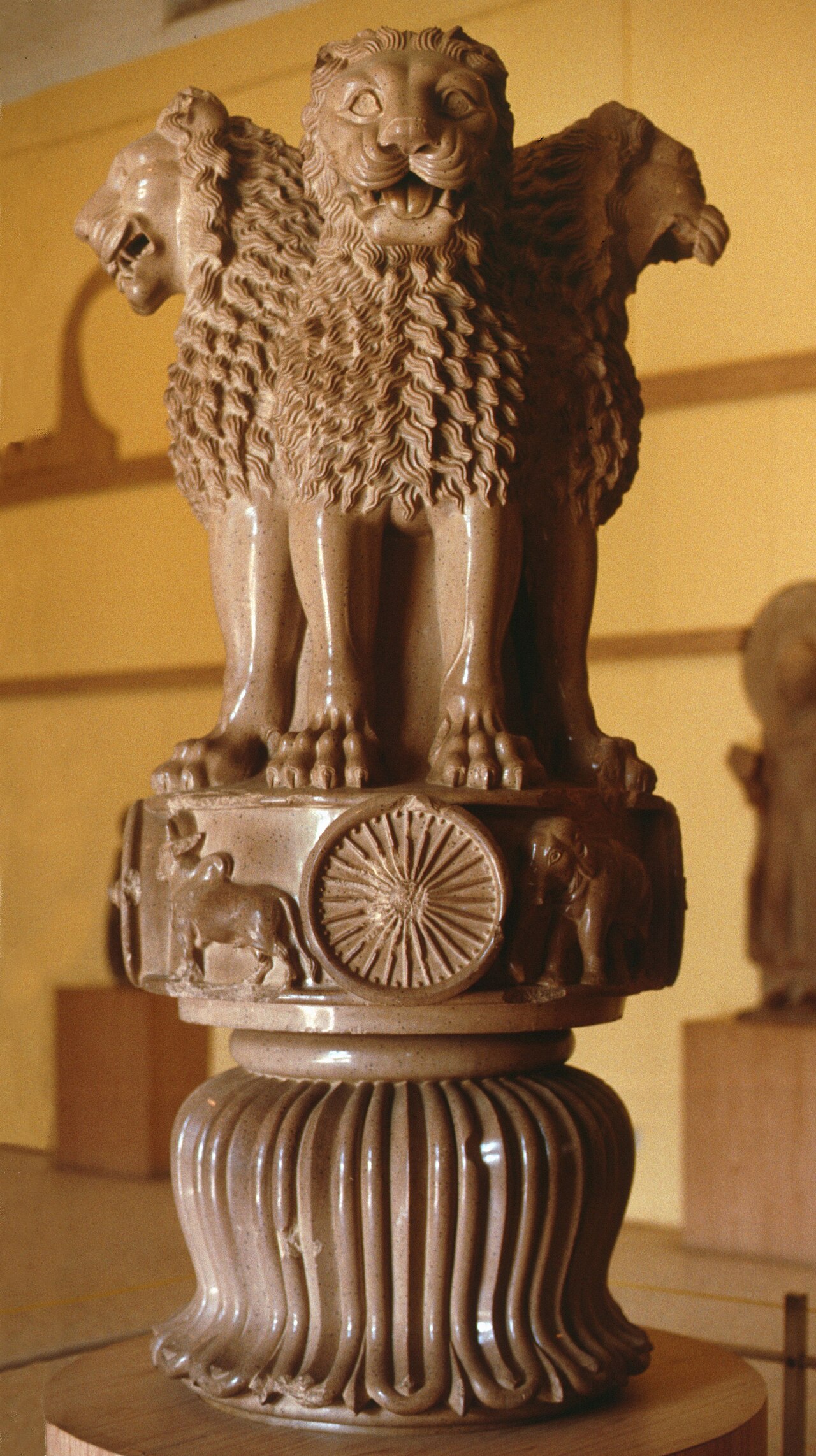
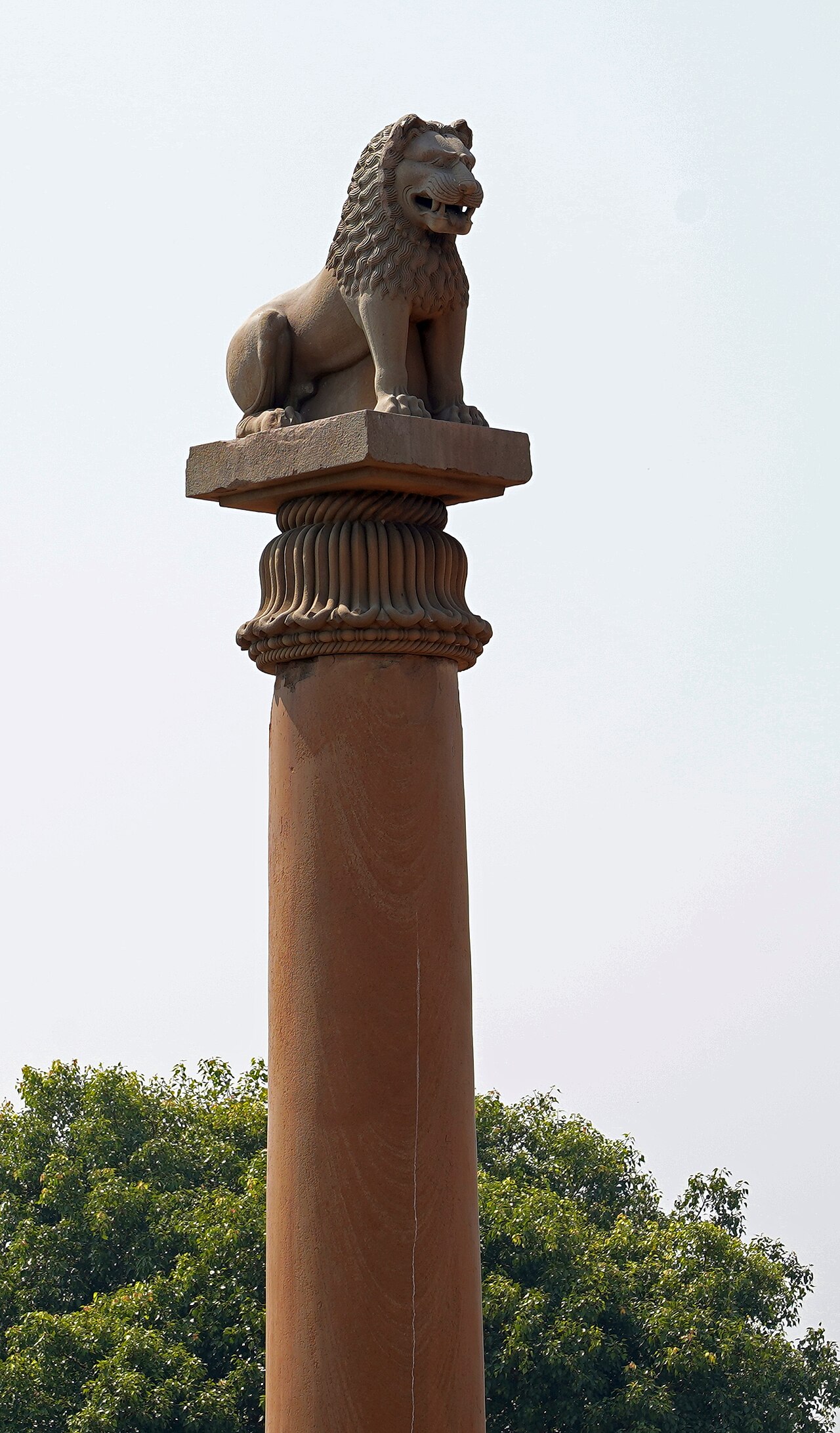
Lion Capital of Ashoka
Commissioned by Ashoka · c. 250 BCE
 Artifact
Secondary source
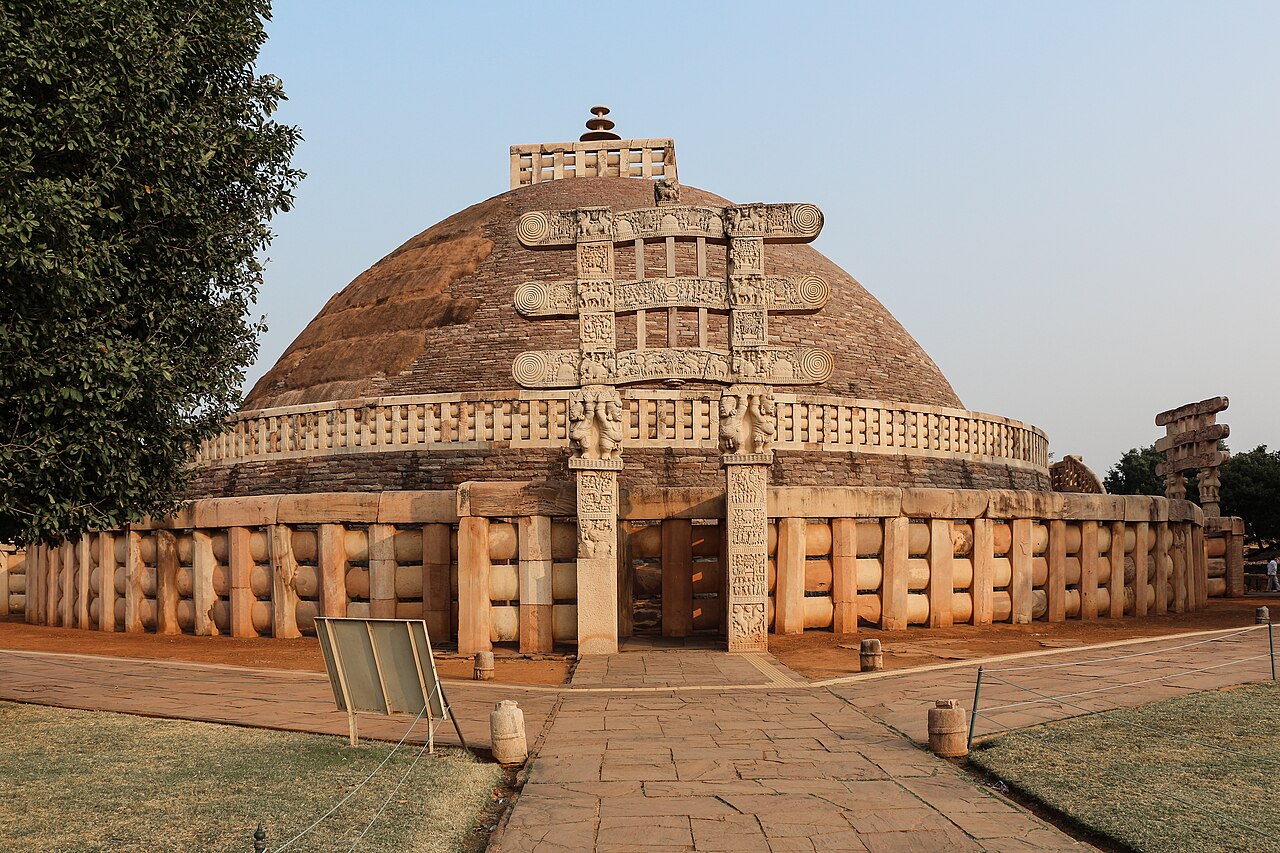
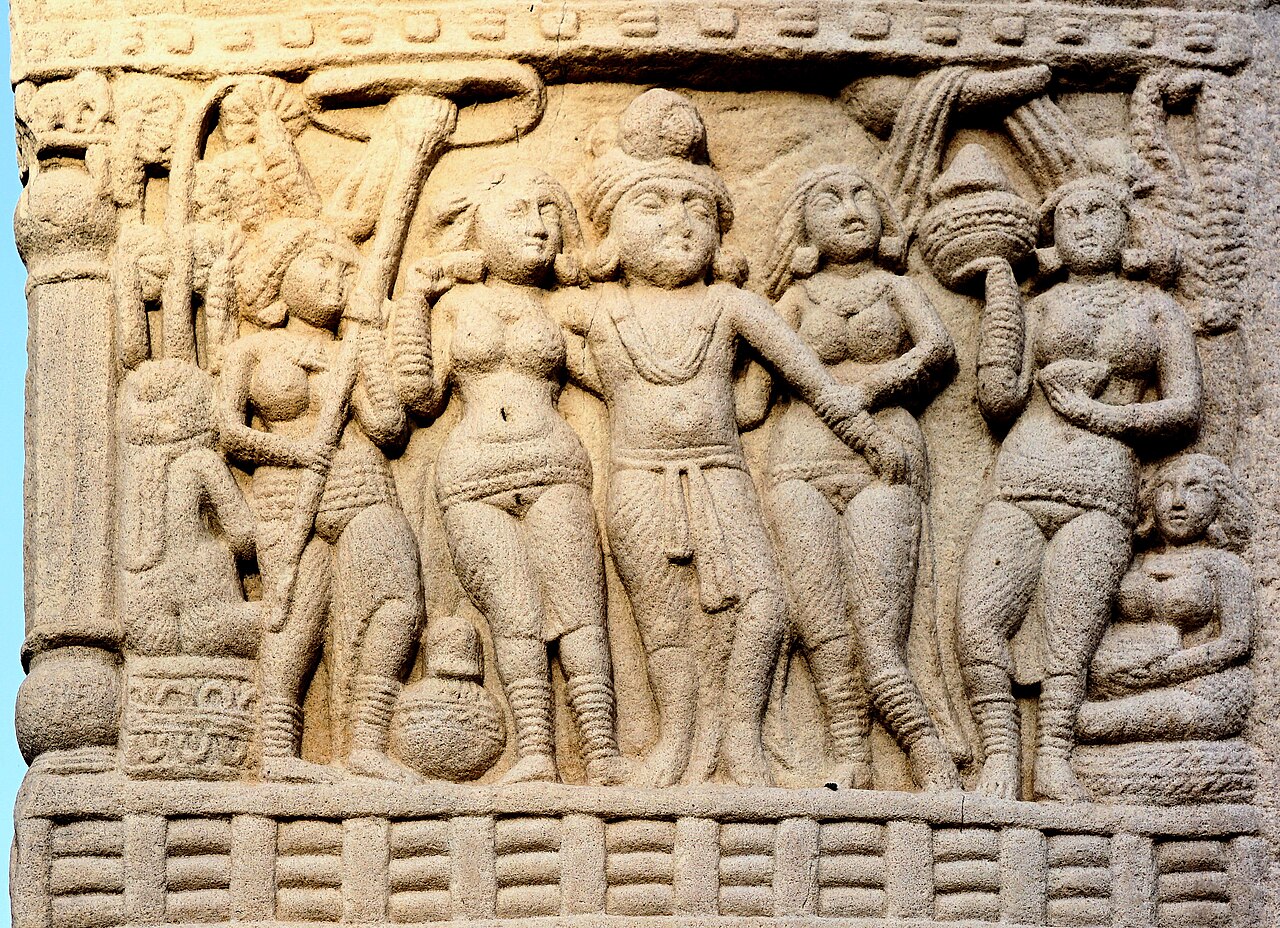
Sanchi Stupa
Commissioned by Ashoka · 3rd century BCE onward
 Document
Primary source
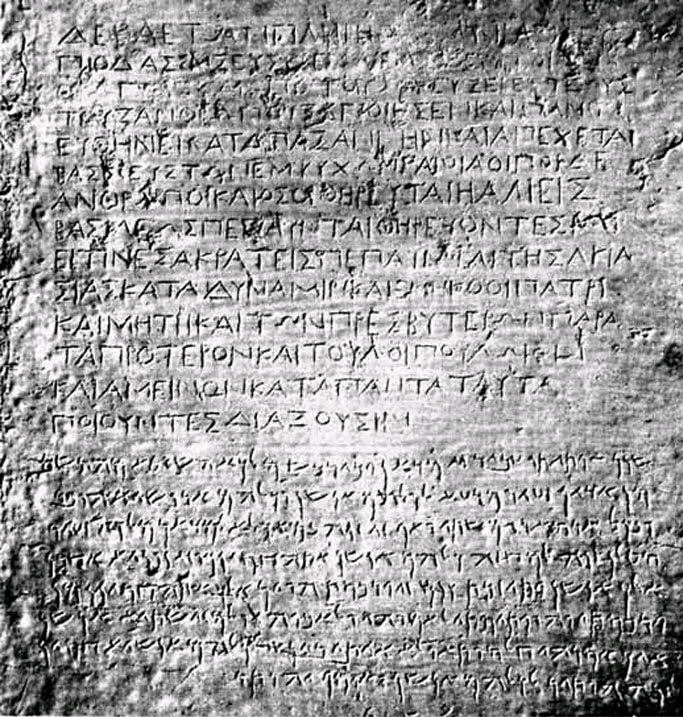
Kandahar Bilingual Rock Inscription
Ashoka · c. 260 BCE
Free account
Read every Ashoka the Great source
Sign up free →
Ready when you are
Start chatting with Ashoka the Great now.
20 messages free · No credit card · Available in 50+ languages.